 英语
英语 西班牙语
西班牙语 德语
德语 法语
法语 俄语
俄语
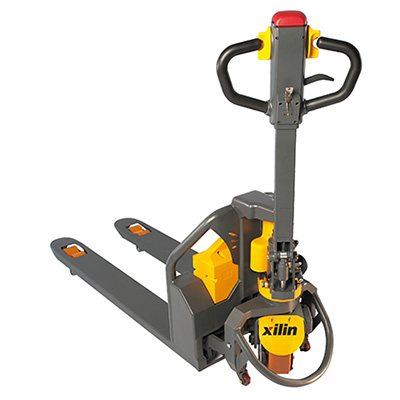 Electric Pallet Truck
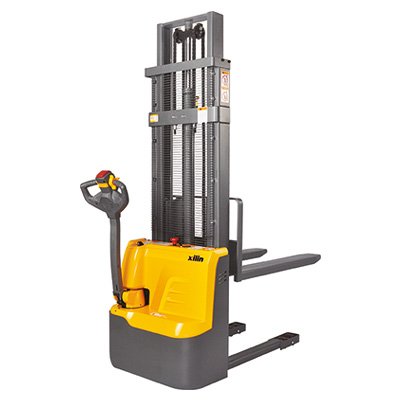 Electric Stacker
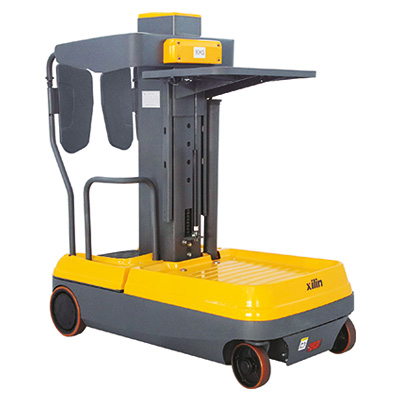 Order Picker
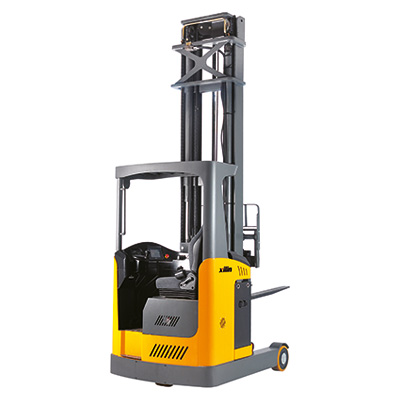 Narrow Aisle Truck
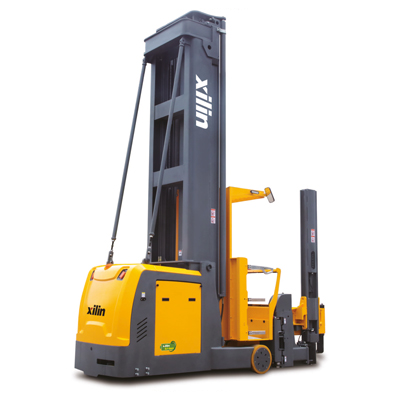 VNA Tri-Lateral Stacker
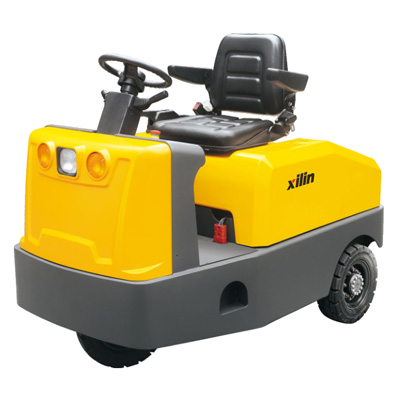 Tow Tractor
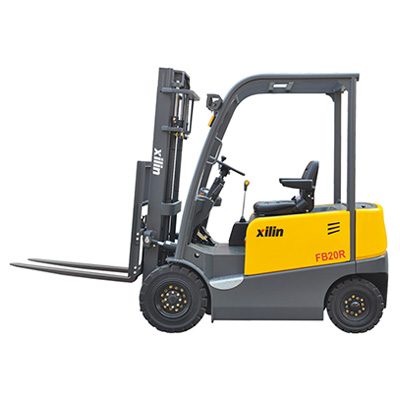 Electric Forklift
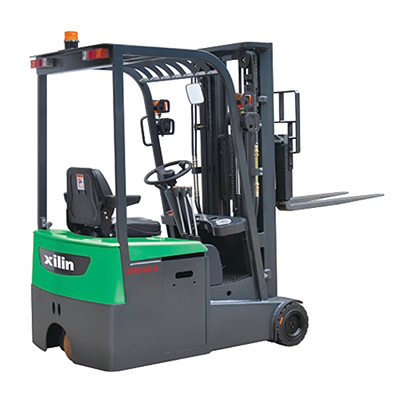 Lithium-ion Truck
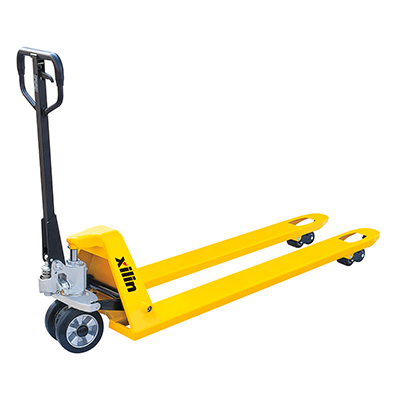 Hand Pallet Truck
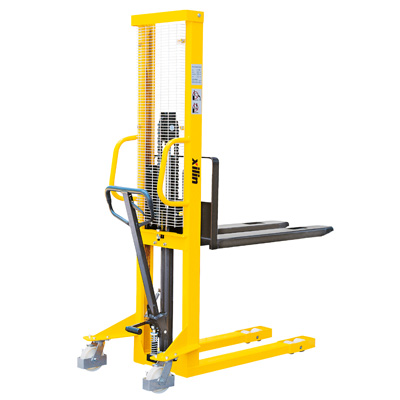 Manual Stacker
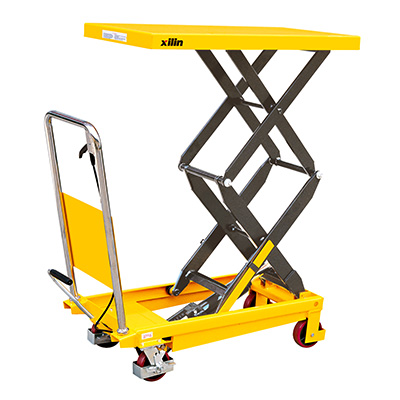 Lift Table
Content
A freezer aisle at minus 25 C is one of the least forgiving places to run an electric forklift. Batteries that behave normally on a warm dock lose usable capacity, chargers refuse cold packs, and every battery swap drags technicians into the cold wearing heavy clothing. The short answer for most operators is that lithium-ion is now the strongest power option for cold storage forklifts, because it holds voltage better at low temperature, accepts opportunity charging, and removes the watering and swapping work that lead-acid demands. The longer answer is that not every lithium pack is built for a freezer, and the difference shows up in temperature ratings, heating logic, and how the fleet is actually charged.
Why Cold Storage Is Hard on Forklift Batteries
Cold slows the electrochemical reactions inside any battery. In a lead-acid pack, that shows up as reduced usable capacity, slower charge acceptance, and more frequent watering and equalizing, all performed by staff working in low temperatures. Charging is its own problem, because flooded lead-acid batteries release hydrogen while charging and are usually kept in a dedicated, ventilated battery room, which forces trucks to leave the cold zone for long stretches. Moving between freezing and ambient areas also creates condensation on battery tops and connectors, a recurring source of corrosion and electrical faults. These constraints explain why cold storage operators have been among the earliest adopters of lithium power.
Chart 1. Usable lithium capacity as temperature falls
The horizontal bars above show indicative usable capacity as temperature falls, based on ranges commonly reported for industrial lithium packs without heating support. At a comfortable 20 C the pack delivers its full rated capacity, so baseline productivity stays intact. By 0 C most packs still hold above 90 percent of rated capacity, which is why chilled docks rarely expose the limitation. Deeper cold changes the picture, with roughly 84 percent around minus 10 C, 74 percent near minus 20 C, and about 65 percent approaching minus 30 C. Exact figures vary with cell chemistry, discharge rate, and the quality of the battery management system. The planning takeaway is the trend, because a fleet sized for warm dock duty cycles will run short of shift at freezer temperatures unless capacity margins are built in.
Why Lithium Fits Cold Storage Better
Lithium-ion chemistry holds voltage more consistently under load, so trucks keep full lift and travel performance even as the pack drains, rather than sagging the way lead-acid does in the cold. Opportunity charging is the bigger structural advantage, since operators can plug in during breaks and shift changes for short boosts, which removes battery swapping and the heavy manual handling that comes with it. A sealed lithium pack needs no watering, no equalizing, and no acid checks, a genuine safety gain for staff wearing gloves in freezing air. It also eliminates the ventilated battery room and returns that floor space to storage or staging. For a deeper rundown of the underlying benefits, this overview of lithium truck battery advantages is a useful starting point.
Chart 2. Lithium and lead-acid across six cold storage factors
The radar chart compares the two battery types across the factors that matter most in a cold warehouse, scored from one at the center to five at the edge. Lithium leads on charging speed because a 20 to 30 minute opportunity charge is realistic, while lead-acid needs roughly eight hours plus a cool-down period. The gap is widest on low maintenance, since lead-acid requires watering, equalizing, and battery swaps that lithium simply does not. Space savings also scores strongly, because lithium frees the dedicated battery room that flooded systems require. Lead-acid retains respectable service life in stable, warm-dock applications, which the chart reflects with its strongest showing on that axis. Cold capacity remains the decisive factor, and it is where modern heated lithium packs open a clear lead.
Charging Strategy Inside and Outside the Freezer
The most common practical question is whether a lithium forklift can be charged inside the freezer. The honest answer is that it depends on the pack, because charging a lithium cell below freezing without preheat can deposit lithium metal on the anode, a condition called plating that permanently reduces capacity and creates safety risks. Packs designed for cold chain use solve this with BMS-controlled self-heating that warms the cells into a safe charging window, while simpler packs should be charged in an ambient dock area. In practice, most cold storage fleets charge at the dock between zones, using opportunity charging during breaks so the truck never runs long enough to need a full cycle. This is also why the charger and the pack should be bought as a matched set rather than mixed from different sources.
Chart 3. State of charge across an eight hour shift
The line chart tracks state of charge through an eight hour multi-shift pattern, with lithium on the amber line and lead-acid on the gray line. The lithium truck starts near 95 percent, dips through continuous work, and climbs back during two short opportunity charges around breaks, finishing the shift with charge to spare. The lead-acid trace falls steadily until a mid-shift battery swap resets it to full, which costs travel time to the battery room and technician effort in heavy gear. That swap is not just minutes on the clock, it is also a cold-room exposure event for staff and a moment of congestion at the charging bays. Because lithium charging is interruptible, the truck can stay near the work and the fleet can downsize its total battery count. The pattern also shows why opportunity charging suits freezer operations better than one long daily charge.
Specs to Check Before You Buy
Two lithium packs with the same amp-hour rating can behave very differently at minus 20 C, so the specification sheet deserves a close read. The table below collects the checks that separate a true cold chain pack from a standard one with a marketing badge.
| Specification | Why it matters in the cold | What to look for |
|---|---|---|
| Temperature rating | Governs how much capacity the pack keeps in chiller and freezer zones | Discharge rating down to minus 30 C and a charge rating matched to your charging area |
| IP rating | Condensation forms when trucks move between cold and ambient zones | Sealed pack and connectors, ideally IP65 or higher |
| Self-heating function | Charging a frozen cell without preheat can cause lithium plating | BMS-driven heating that warms cells before accepting charge |
| BMS intelligence | Tracks cell temperature and state of charge in real time | Low-temperature charge cutoff, cell balancing, and fault logging |
| Charger compatibility | Mismatched chargers bypass protective charging logic | Charger and pack supplied as a matched set with documented protocols |
| Chemistry and cells | Affects cold behavior, cycle life, and safety margins | Automotive-grade cells from a supplier with cold chain references |
Ask suppliers to state these ratings in writing and, where possible, to share cold chamber test data rather than laboratory figures measured at room temperature.
Matching the Truck to the Cold Chain Job
Cold storage fleets are rarely one truck doing one job, so it helps to map lithium options to each zone and task before standardizing the battery platform.
Dock and staging moves
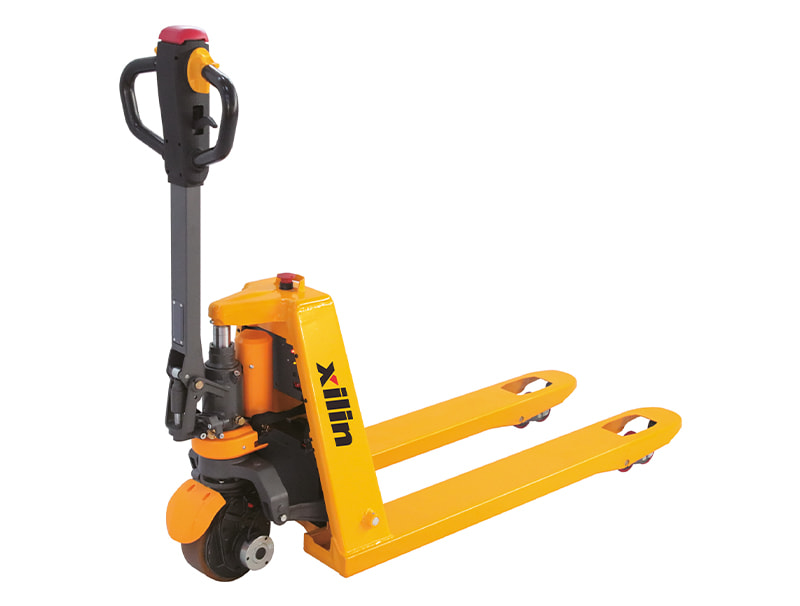
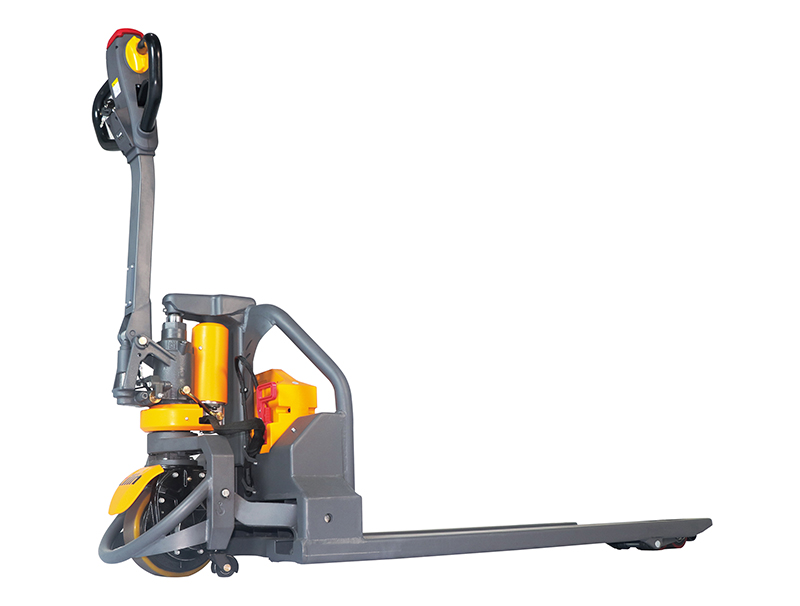
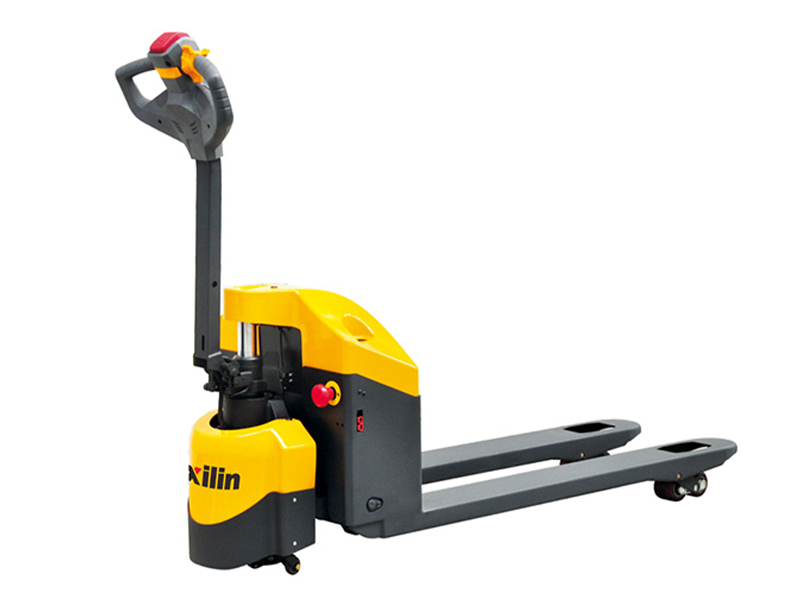
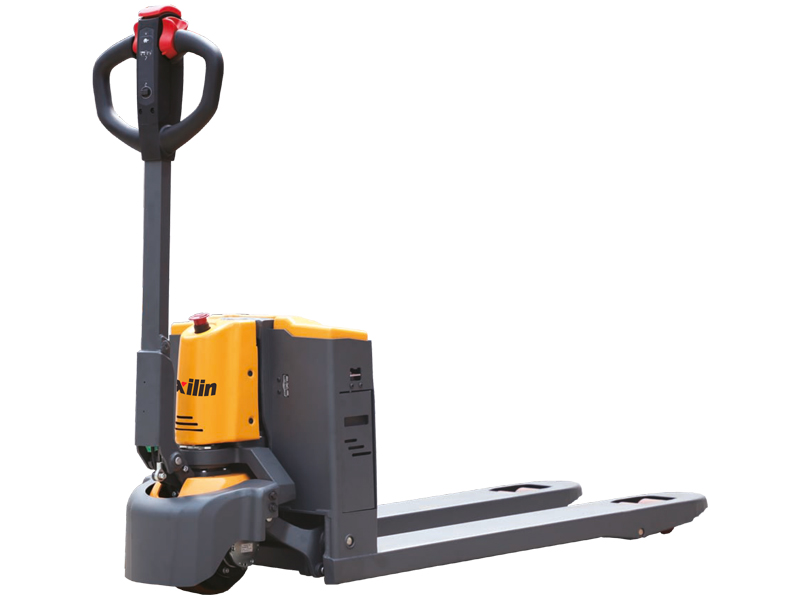
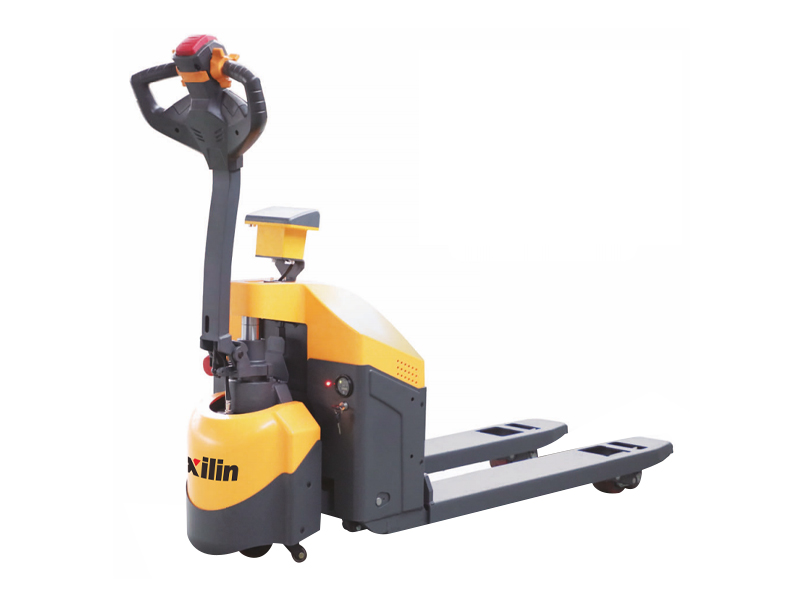
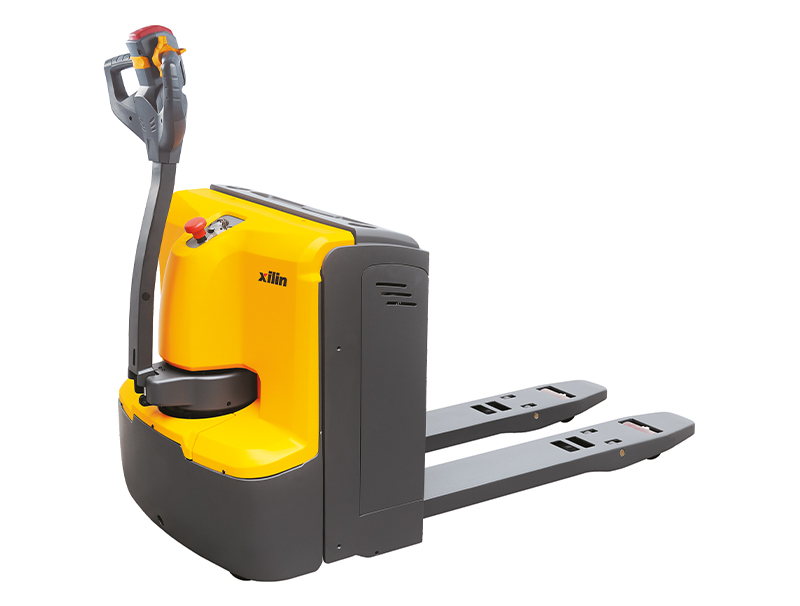
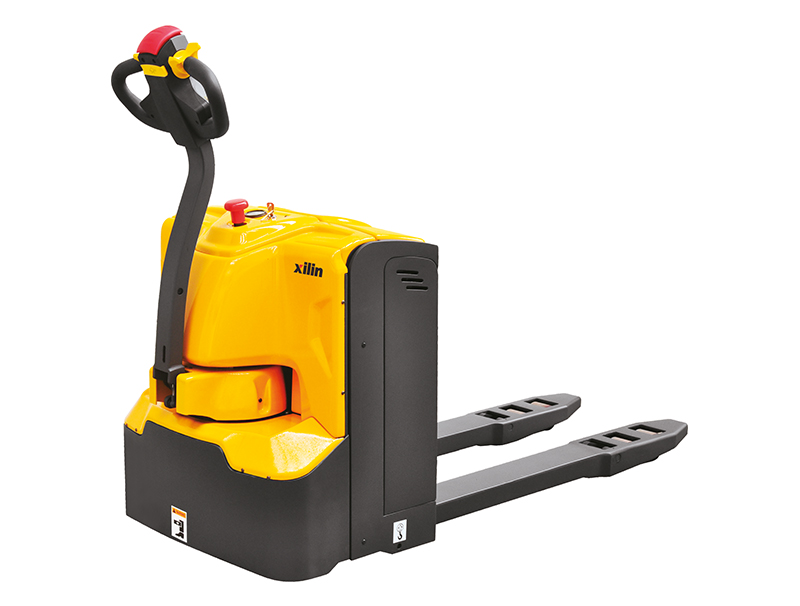
Electric pallet trucks handle the highest-volume work in chilled docks and staging lanes, and lithium versions add fast top-ups between trailer unloadings. A compact lithium pallet truck with opportunity charging keeps pace through multi-door peak periods without a battery change.
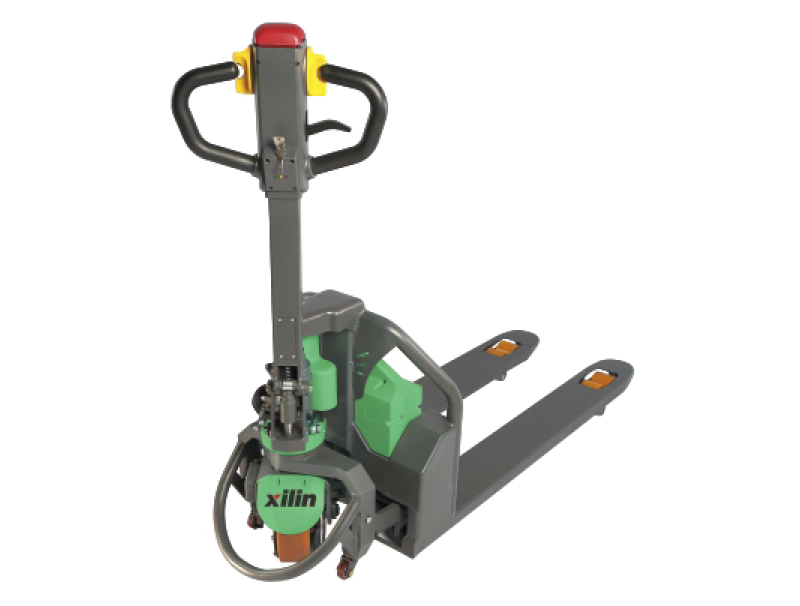 ELECTRIC PALLET TRUCKCBD15 ELECTRIC PALLET TRUCK 1500KGView Product →
High racking in narrow aisles
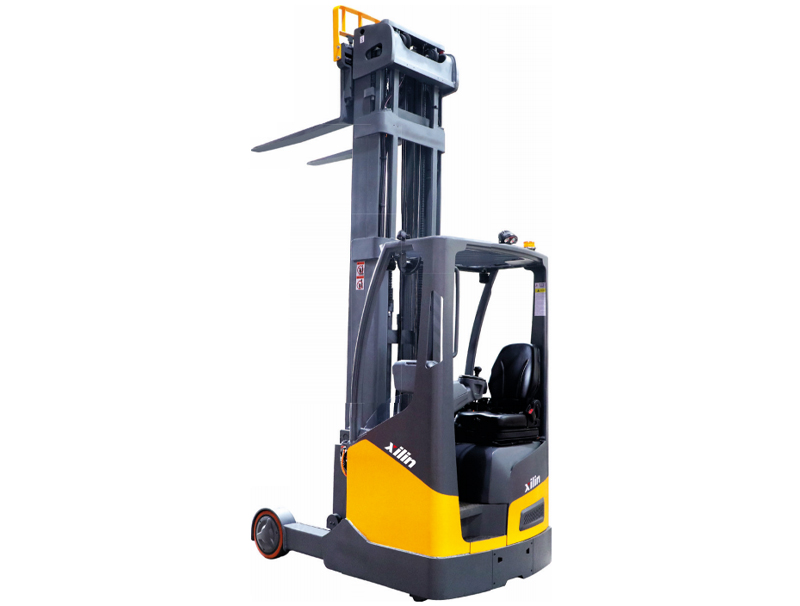
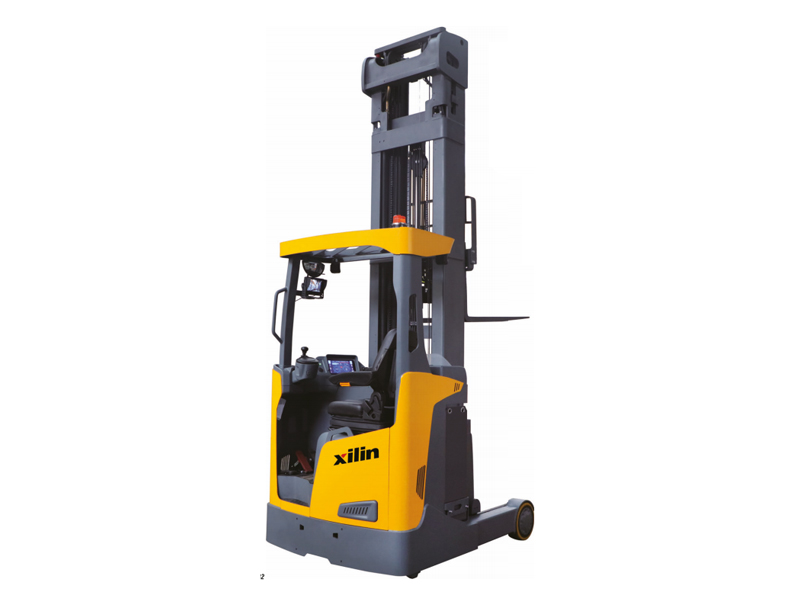
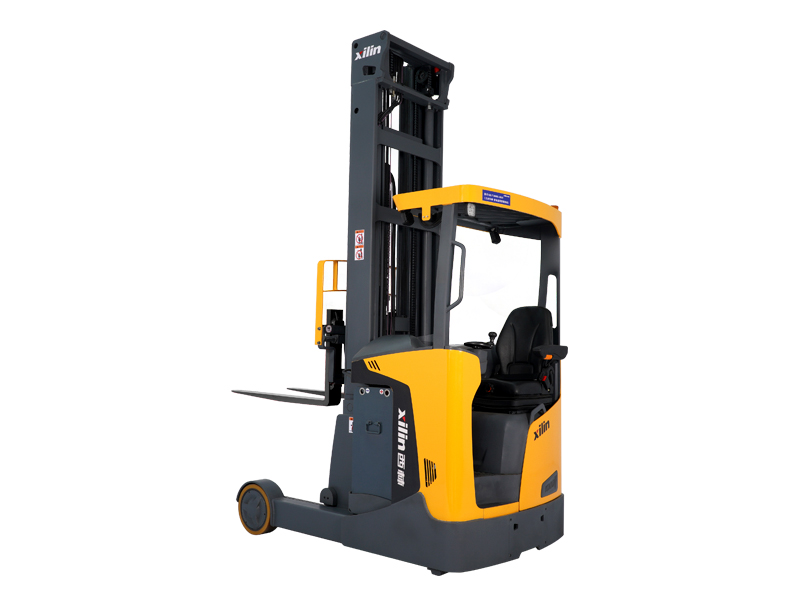
Inside the freezer, reach trucks and narrow aisle trucks do the vertical work, and their duty cycles are burst-heavy with idle gaps that suit opportunity charging. Lithium narrow aisle trucks keep full lift speed as the pack drains, which matters when every second in a cold aisle adds to operator discomfort.
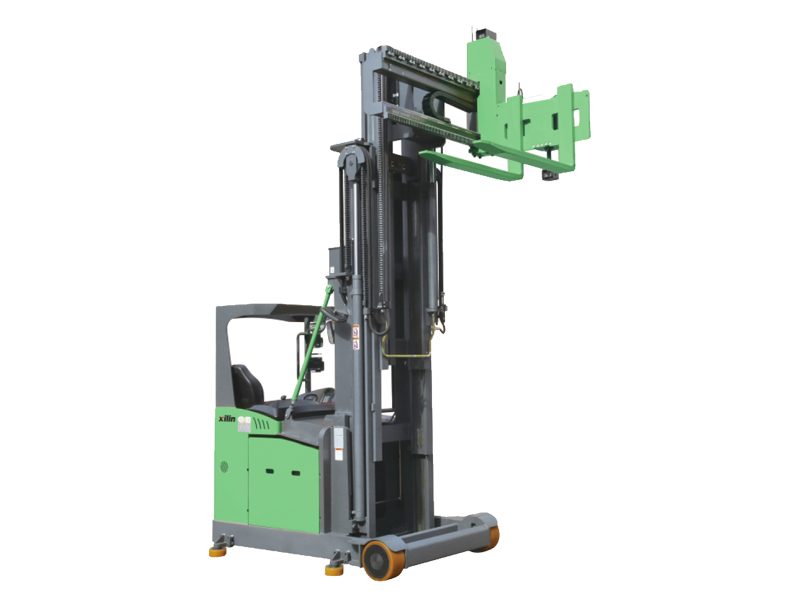 NARROW AISLE TRUCKCBD15 ELECTRIC PALLET TRUCK 1500KGView Product →
Yard, dock plates, and trailer work
Counterbalanced forklifts bridge the freezer dock, the ambient yard, and the trailer floor, the widest temperature swing in the whole operation. A lithium counterbalanced truck with a sealed, properly rated pack handles the condensation cycle between zones without the corrosion issues that trouble vented batteries.
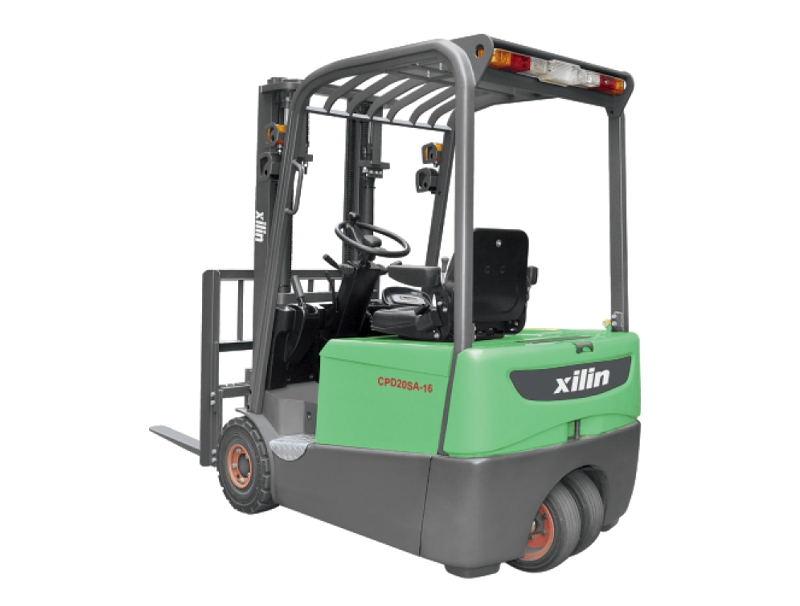 COUNTERBALANCED ELECTRIC FORKLIFT48V/350Ah--48V/450AhView Product →
The column chart estimates annual battery-related labor hours per truck, comparing a lead-acid fleet with a lithium fleet across five task categories. Watering, equalizing charges, and spill cleanup are the routine work that only flooded lead-acid creates. Battery swaps dominate the lead-acid total, because each swap means retrieval, handling a heavy pack, and reinstallation, repeated every shift. The lithium columns stay near the floor across all categories, since a sealed pack needs little more than a periodic visual inspection. Multiplied across a fleet and several shifts, those recovered hours often fund the higher purchase price of lithium within a few years. Labor is only part of the equation, but it is the part operations managers feel first.
Operating Habits That Protect Batteries in the Cold
Even the right pack loses life to poor habits, and cold storage punishes carelessness faster than ambient warehouses do. A few disciplines keep both the warranty and the capacity where they belong:
- Park trucks in the ambient or chilled dock area rather than deep in the freezer during long idle periods.
- Let condensation dry off connectors before plugging in after a zone change.
- Follow the BMS prompts on temperature rather than forcing a charge into a cold pack.
- Avoid deep discharges, since cold already trims usable capacity before the truck leaves the dock.
- Keep battery firmware current so temperature thresholds and heating logic stay calibrated.
For season-specific guidance, these notes on winter electric forklift operation cover the drift into freezing weather that catches many fleets unprepared.
Cold storage raises the technical bar for every component on the truck, and the battery decides whether the fleet is an asset or a bottleneck. Lithium-ion, specified with the right temperature rating, sealing, and charging strategy, turns battery management from a daily labor task into a background process. Ningbo Ruyi builds lithium versions across its XILIN range, from electric pallet trucks and stackers to reach trucks, order pickers, tow tractors, and counterbalanced forklifts, which makes it practical to standardize on one battery platform across a mixed cold storage fleet. Matching the truck class to each zone, then verifying the pack specifications in this article, is the shortest route to a cold chain operation that runs at ambient-warehouse pace.