 英语
英语 西班牙语
西班牙语 德语
德语 法语
法语 俄语
俄语
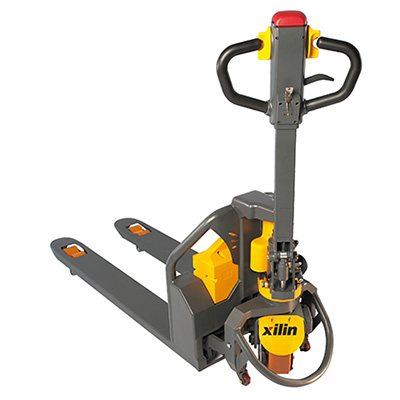 Electric Pallet Truck
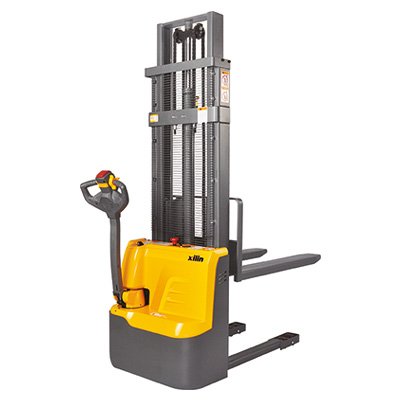 Electric Stacker
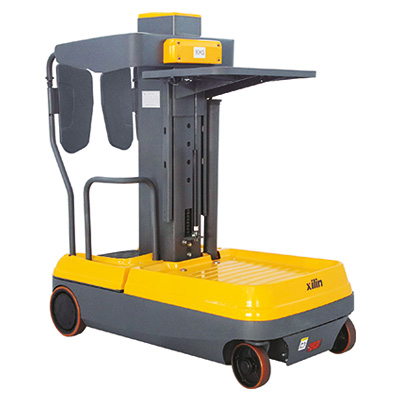 Order Picker
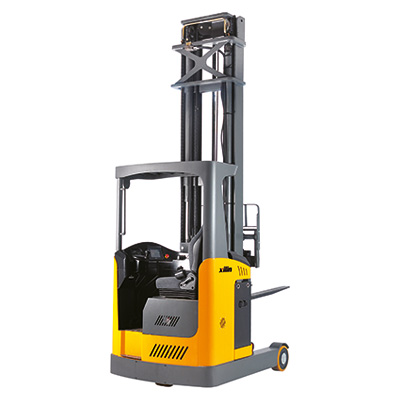 Narrow Aisle Truck
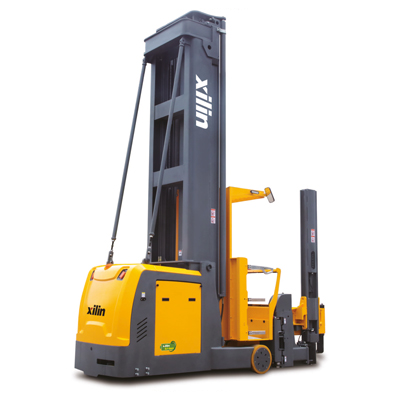 VNA Tri-Lateral Stacker
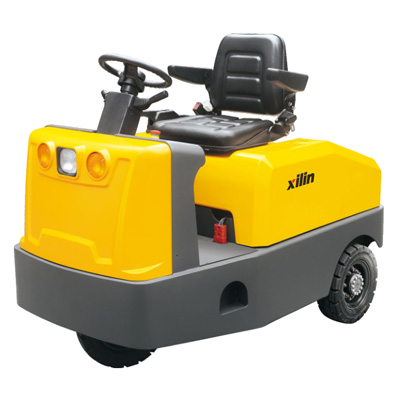 Tow Tractor
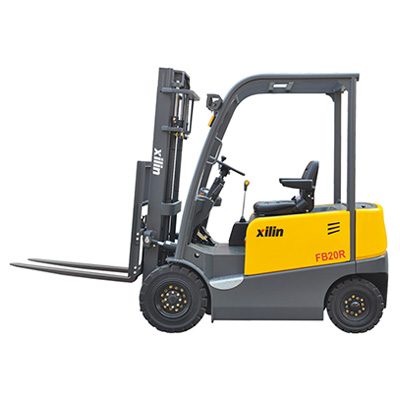 Electric Forklift
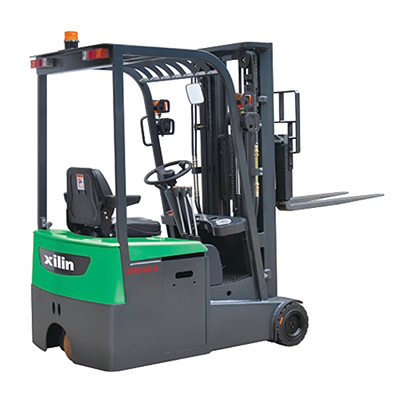 Lithium-ion Truck
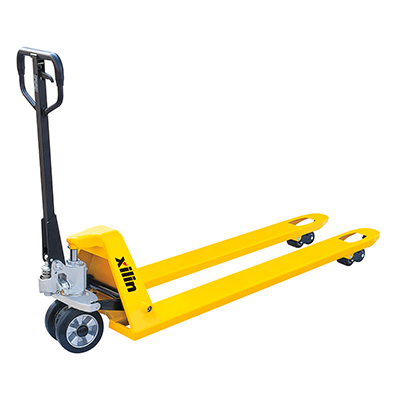 Hand Pallet Truck
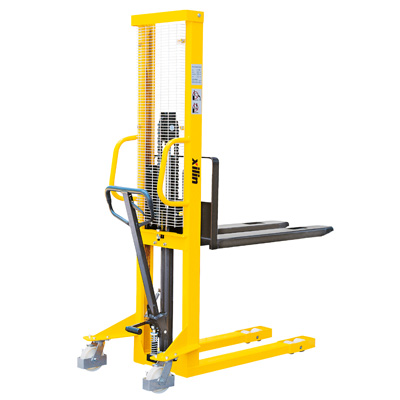 Manual Stacker
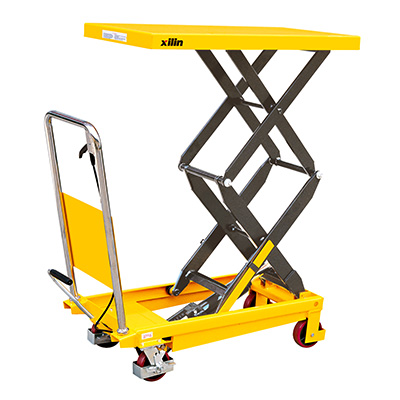 Lift Table
Content
In the modern warehousing and logistics industry, electric stacker cranes are one of the key pieces of equipment for improving efficiency and reducing costs. With the booming development of e-commerce and the increasing sophistication of supply chain management, the requirements for material handling equipment are also becoming increasingly stringent.
I. Core Uses of Electric Stacker Cranes: High-Altitude Stacking and Short-Distance Material Handling
The most important functions of electric stacker cranes can be summarized in two points: high-altitude stacking and short-distance material handling.
High-Altitude Stacking (Vertical Space Utilization): This is the most important use that distinguishes electric stacker cranes from ordinary electric pallet trucks. It can lift palletized goods to a designated height for stacking (shelving) or retrieving (unshelving) on warehouse shelves. This greatly improves warehouse space utilization, especially suitable for standard or medium-height racking systems.
Short-Distance Material Handling: Inside warehouses, production workshops, or loading and unloading areas, electric stacker cranes are also frequently used to move palletized goods from point A to point B. While not as efficient as electric forklifts for long-distance transport, electric stacker cranes are ideal for handling in narrow aisles or limited workspaces due to their flexibility and compact design.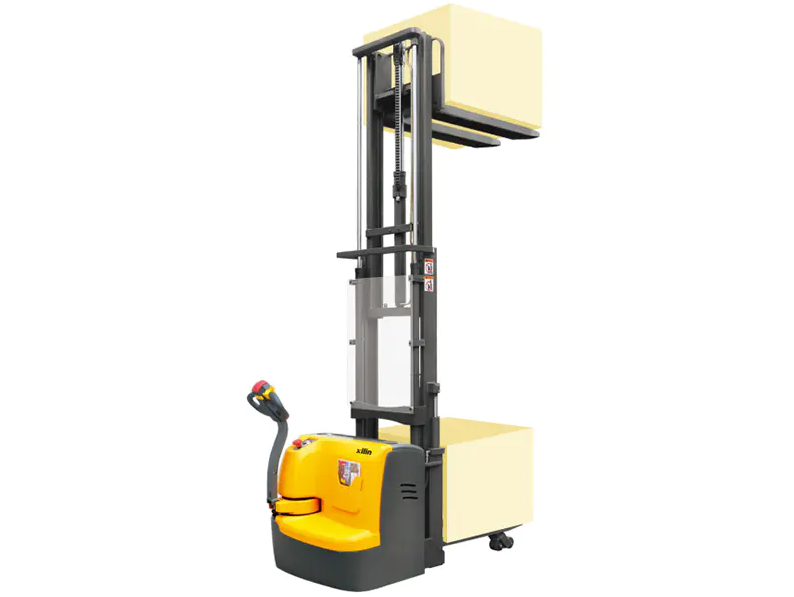
II. Application Scenarios of Different Types of Electric Stacker Cranes
Electric stacker cranes can be categorized into several types based on their structure and operation, each with specific uses and applicable scenarios:
Fully Electric Stacker Cranes: These cranes are electrically operated for both driving (traveling) and lifting, providing an easy and efficient operating experience. Their primary use is for frequent stacking and handling operations, suitable for small to medium-sized warehouses with high efficiency requirements.
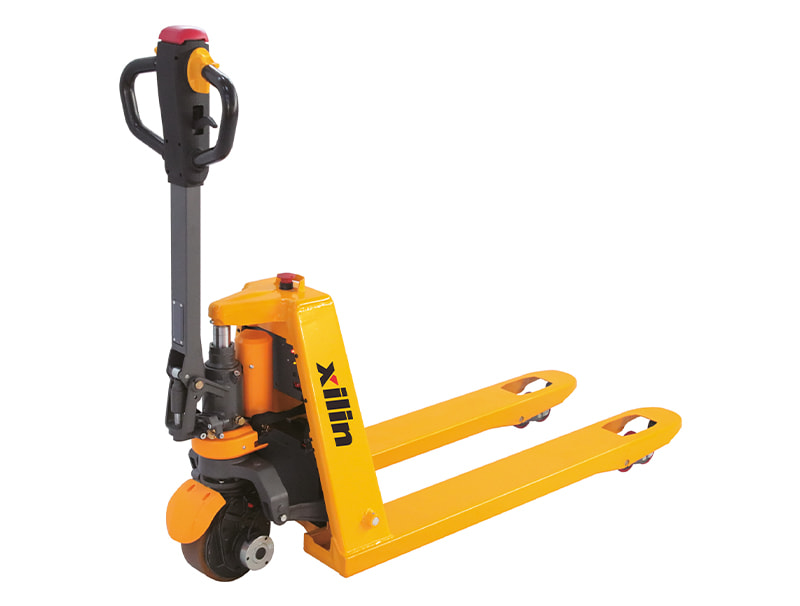
Semi-Electric Stacker Cranes: These cranes are electrically operated for lifting, but walking (handling) requires manual pushing and pulling. Therefore, they are suitable for locations with low workloads and limited budgets, such as small warehouses or retail back-of-house operations, typically used as auxiliary handling tools.
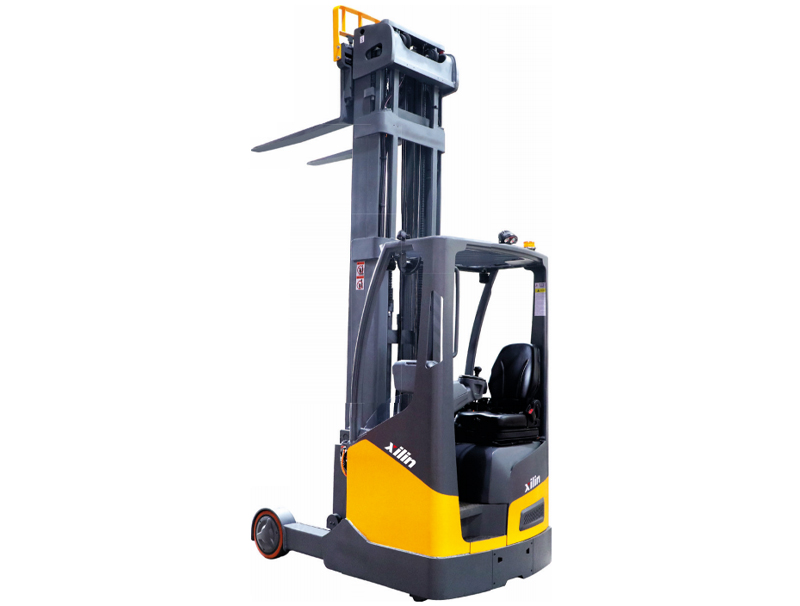
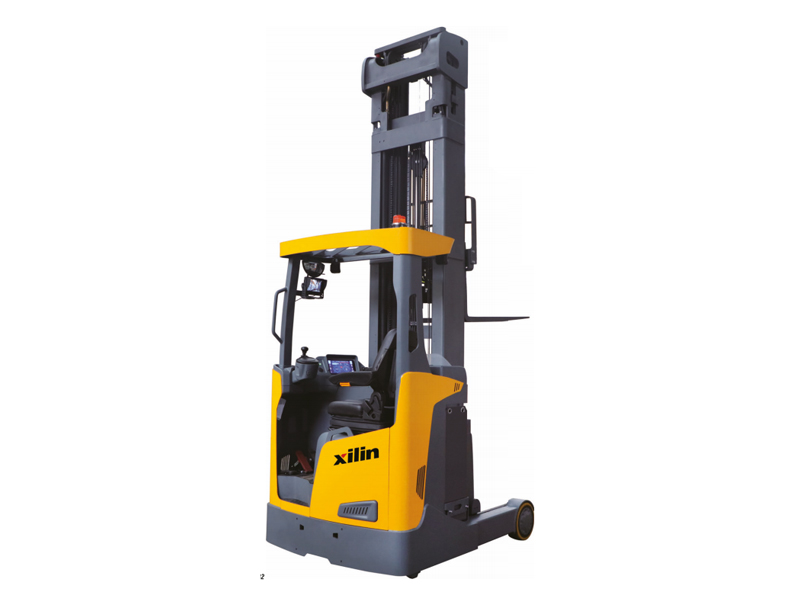
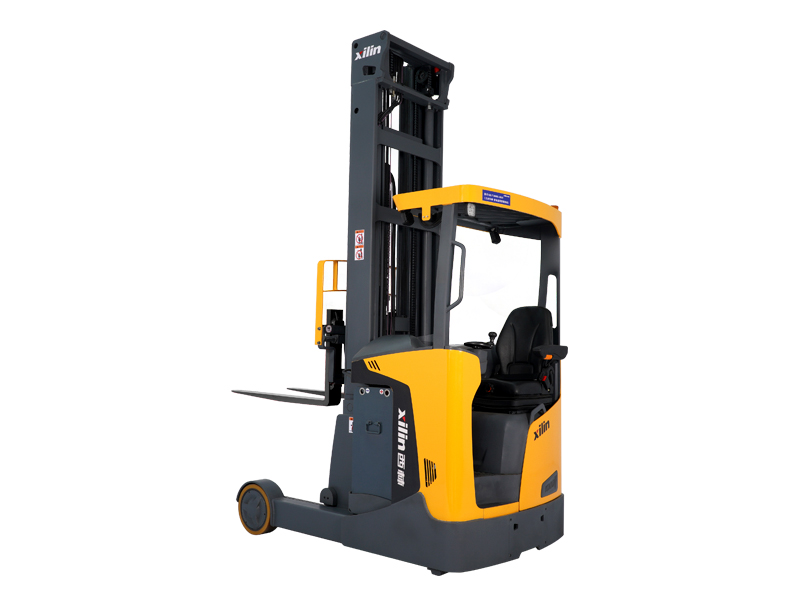
Reach Cranes: These cranes have masts that can extend forward, providing greater lifting height and better stability. Their primary application is in warehouses with high-bay storage and relatively narrow aisles; they are representative of high-bay stacker cranes, making better use of vertical space.
Counterweight Stacker Cranes: Unlike the previous types, counterweight stacker cranes do not have front outriggers but rely on their own weight to maintain balance. This makes them particularly suitable for handling enclosed pallets (such as double-sided pallets) and performs exceptionally well in situations requiring the handling of non-standard or enclosed pallets.
III. The Value of Electric Stacker Cranes
Using electric stacker cranes instead of traditional manual equipment brings multiple benefits to businesses:
Increased Operational Efficiency: Electric drive makes operation less strenuous and faster, significantly reducing the time required for stacking and handling goods.
Ensuring Cargo Safety: Smooth lifting and lowering reduces the risk of damage to goods during handling.
Reduced Labor Intensity: Operators are free from heavy physical labor, improving the working environment and reducing the risk of injury.
Reduced Operating Costs: Electric stacker cranes are simple to maintain, consume less energy, and are more economical than internal combustion forklifts in the long run.
Electric stacker cranes have a wide range of applications and are crucial. They are not merely simple lifting devices, but essential warehousing equipment for achieving efficient material management and space optimization in many industries, including modern warehousing, logistics, manufacturing, and retail.
Electric Stacker Crane FAQs
What are the main differences between electric stacker cranes and electric forklifts?
Electric stacker cranes are primarily used for high-altitude stacking and short-distance transport. They have a relatively compact structure and are suitable for narrow aisles. Electric forklifts are typically used for long-distance transport and heavier-duty high-level stacking operations.
What is the core purpose of an electric stacker crane?
Its core purpose is to achieve high-altitude stacking, lifting palletized goods onto or off shelves, thereby efficiently utilizing the vertical space of the warehouse.
What is a semi-electric stacker crane? What scenarios is it suitable for?
A semi-electric stacker crane has an electric lifting function, but movement requires manual pushing and pulling. It is suitable for small warehouses with low workloads and limited budgets, or locations requiring auxiliary handling tools.
What are the advantages of reach trucks compared to ordinary stacker cranes?
Reach stacker cranes, characterized by their forward-extending masts, higher lifting height, and improved stability, are representative of high-bay stacker cranes and are suitable for high-bay storage environments with relatively narrow aisles.
What are the main benefits of using electric stacker cranes in warehousing operations?
Using electric stacker cranes can improve operational efficiency, ensure cargo safety, reduce the labor intensity of operators, and lower long-term operating costs.
With these benefits, the electric stacker continues to be an essential tool in modern logistics and warehousing operations.