 英语
英语 西班牙语
西班牙语 德语
德语 法语
法语 俄语
俄语
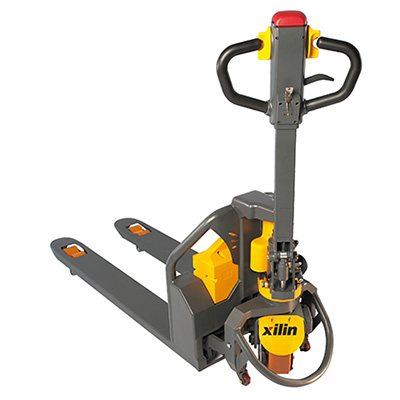 Electric Pallet Truck
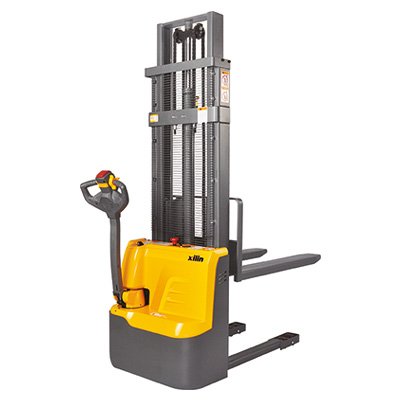 Electric Stacker
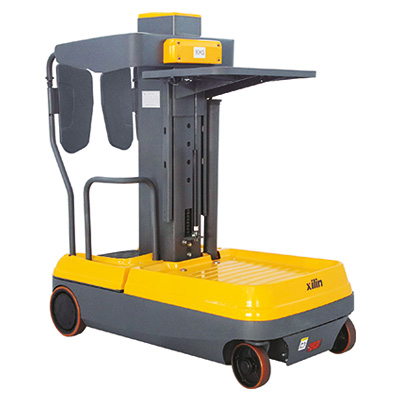 Order Picker
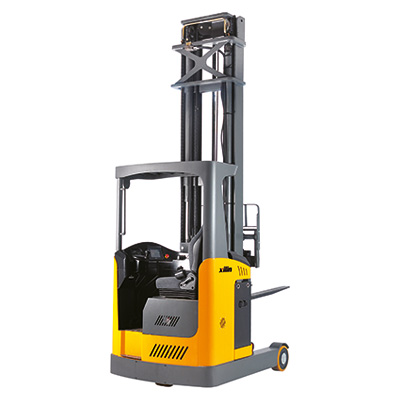 Narrow Aisle Truck
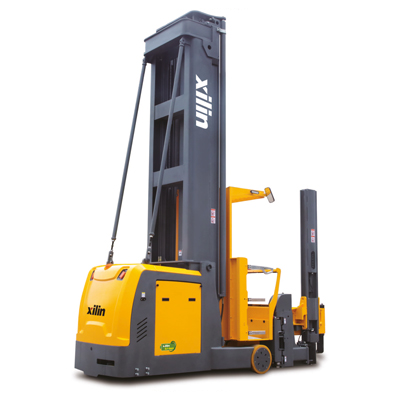 VNA Tri-Lateral Stacker
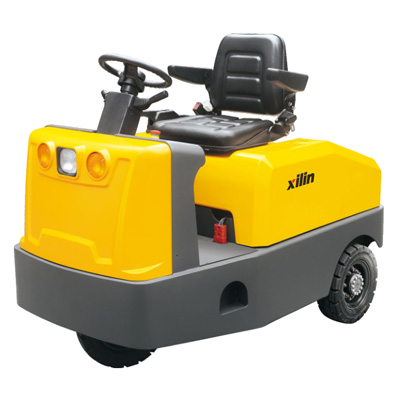 Tow Tractor
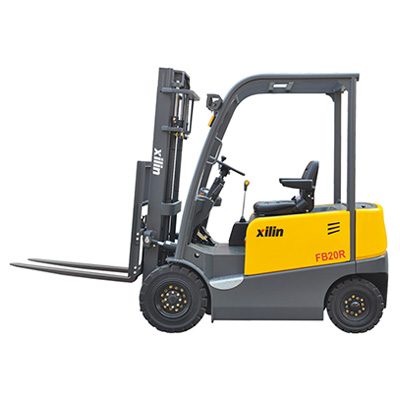 Electric Forklift
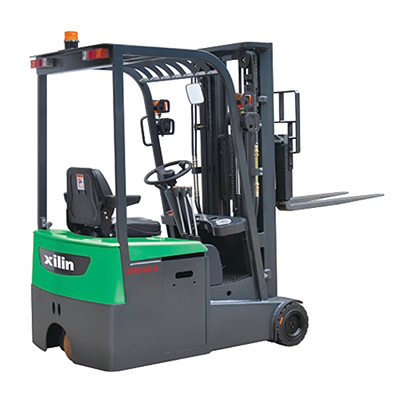 Lithium-ion Truck
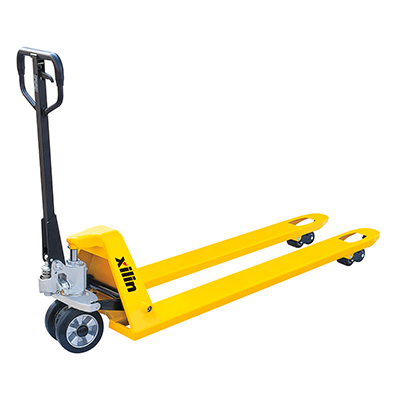 Hand Pallet Truck
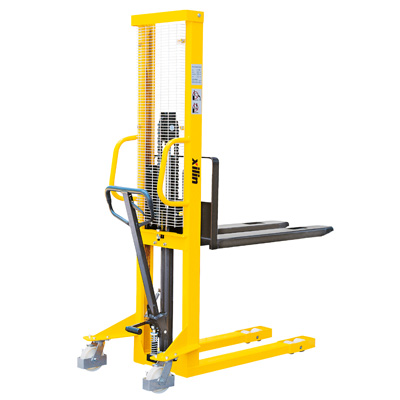 Manual Stacker
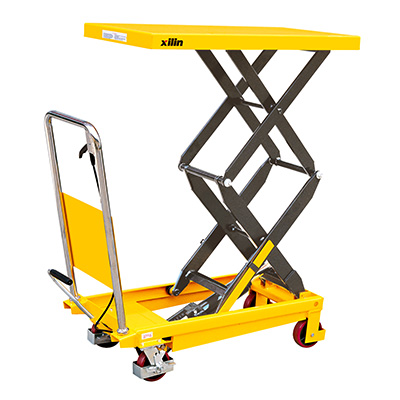 Lift Table
Content
- 1 Why Standard Indoor Electric Pallet Trucks Struggle Outdoors
- 2 Key Features That Make an Electric Pallet Truck Outdoor-Capable
- 3 Surface Types and Their Suitability for Outdoor Electric Pallet Trucks
- 4 Weather Conditions and Operating Limits
- 5 Battery Management Considerations for Outdoor Use
- 6 Safety Requirements for Outdoor Electric Pallet Truck Operation
- 7 Comparing Indoor vs. Outdoor Electric Pallet Truck Specifications
- 8 Maintenance Considerations for Outdoor-Used Electric Pallet Trucks
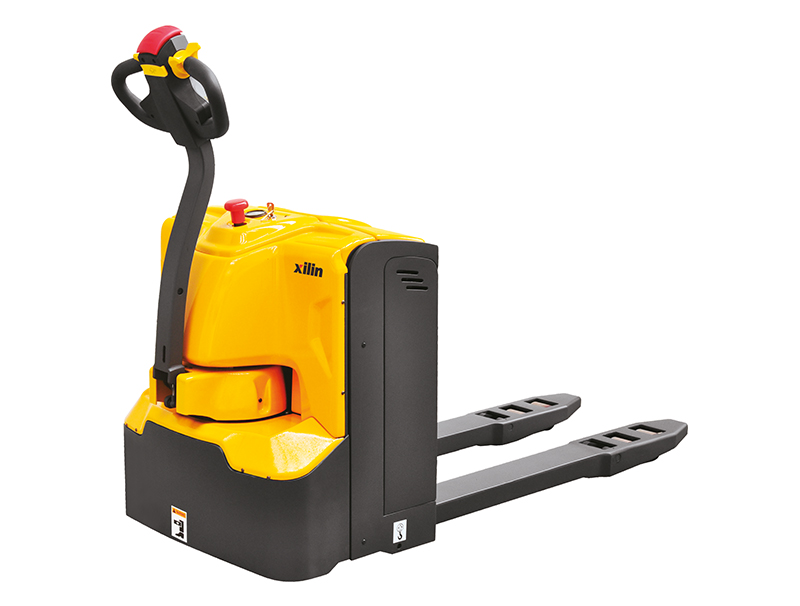
Yes, electric pallet trucks can be used outdoors — but only when the machine is specifically designed or rated for outdoor use, and only under appropriate surface and weather conditions. Standard indoor electric pallet trucks are engineered for smooth, level warehouse floors and are not suitable for outdoor environments. Outdoor-capable electric pallet trucks are distinguished by features including all-terrain or polyurethane foam-filled tyres, higher ground clearance, sealed electrical systems with IP54 or higher ingress protection ratings, and reinforced drive units that handle uneven surfaces, ramps, and variable weather conditions. Deploying the wrong machine outdoors is a leading cause of premature equipment failure, operator injury, and load loss.
Why Standard Indoor Electric Pallet Trucks Struggle Outdoors
The majority of electric pallet trucks sold globally are designed and optimised for indoor use on smooth concrete or tiled warehouse floors. Using these machines outdoors creates risks that compound quickly in operational settings.
Tyre Limitations
Indoor electric pallet trucks typically run on solid polyurethane (PU) tyres, which are optimised for low rolling resistance and minimal floor marking on smooth surfaces. On outdoor surfaces — asphalt, compacted gravel, or concrete with expansion joints — PU tyres provide inadequate traction and absorb almost no vibration. This translates to reduced control, increased risk of load shifting, and accelerated wear on the tyre, wheel bearing, and drive unit. On wet or contaminated outdoor surfaces, the risk of the drive wheel losing traction under a loaded condition increases substantially.
Electrical System Vulnerability
Standard indoor pallet trucks are built to IP (Ingress Protection) ratings of IP44 or lower — sufficient to withstand occasional splashing during indoor washdown but not prolonged exposure to rain, standing water, or high-pressure cleaning typical of outdoor loading bays. Water ingress into the controller, motor, or battery management system causes short circuits, corrosion of connectors, and premature battery failure — failures that may not manifest immediately but progressively degrade performance and create safety hazards.
Ground Clearance and Surface Tolerance
Indoor electric pallet trucks are typically designed with minimal ground clearance — often as little as 15–25 mm beneath the fork tips when lowered — because warehouse floors are flat and free of debris. Outdoor surfaces commonly feature kerb edges, drain covers, surface irregularities, and accumulated debris that can catch fork tips or the truck chassis, causing sudden stops, load instability, or structural damage to the truck.
Key Features That Make an Electric Pallet Truck Outdoor-Capable
Outdoor-rated electric pallet trucks are specifically engineered to address the limitations described above. When evaluating a machine for outdoor use, the following features are non-negotiable:
Outdoor or All-Terrain Tyres
Purpose-built outdoor electric pallet trucks use one of three tyre types depending on the surface conditions:
- Pneumatic tyres: Air-filled rubber tyres with tread patterns that grip uneven, wet, or loose surfaces. Provide excellent vibration absorption and traction on compacted gravel, asphalt, and paved yards. Susceptible to puncture on surfaces with sharp debris.
- Foam-filled (puncture-proof) tyres: The benefits of a pneumatic profile without puncture risk. Recommended for environments with nail, glass, or sharp metal debris. Slightly stiffer ride than air-filled, but eliminate downtime from flat tyres.
- Solid rubber outdoor tyres: Durable and maintenance-free, with tread compounds softer than standard PU to improve grip on rougher surfaces. Suitable for use on well-maintained paved yards with modest surface variation.
High IP Rating for Electrical Enclosures
For outdoor use, the controller, motor, and battery compartment should carry a minimum rating of IP54 (dust-protected, splash-resistant from any direction) or preferably IP55 or IP65 for regular exposure to rain and washdown. IP65-rated systems are fully dust-tight and resistant to low-pressure water jets — appropriate for use in loading bays, refrigerated distribution centres with condensation, and covered outdoor storage areas.
Increased Ground Clearance
Outdoor-capable electric pallet trucks typically offer fork ground clearance of 35–60 mm when lowered, compared to 15–25 mm on indoor models. This additional clearance allows the truck to cross drain covers, surface joints, and minor surface irregularities without grounding — a critical safety factor when carrying loads across uneven outdoor terrain.
Reinforced Chassis and Corrosion Protection
Exposure to rain, road salt, cleaning chemicals, and UV radiation degrades unprotected steel components rapidly. Outdoor models feature powder-coated or hot-dip galvanized chassis components, stainless steel fasteners in exposed locations, and sealed bearing assemblies that resist water and dirt ingress. These treatments can extend the service life of the chassis and running gear by 3–5 years compared to an indoor machine operated in the same outdoor environment.
Enhanced Drive Power and Gradient Capability
Outdoor surfaces — loading dock ramps, yard gradients, and threshold transitions — demand more drive power than flat warehouse floors. Outdoor electric pallet trucks are typically equipped with higher-torque drive motors capable of sustaining loaded operation on gradients of 5–12%, compared to the 2–5% maximum gradient rated for most indoor models. Some heavy-duty outdoor models include regenerative braking that recovers energy when descending ramps, extending battery range in gradient-intensive applications.
Surface Types and Their Suitability for Outdoor Electric Pallet Trucks
Not all outdoor surfaces are equally suitable for electric pallet truck operation. Understanding the limitations by surface type prevents equipment damage and operator injury.
| Surface Type | Suitability (Outdoor Model) | Key Consideration | Recommended Tyre |
|---|---|---|---|
| Smooth asphalt (dry) | Excellent | Ideal outdoor surface | Any outdoor tyre |
| Smooth asphalt (wet) | Good | Reduce speed; increase stopping distance | Pneumatic or foam-filled |
| Compacted gravel | Moderate | Loose surface reduces traction; vibration increases | Pneumatic or foam-filled |
| Concrete yard (minor joints) | Good | Joint gaps must be below fork clearance height | Solid rubber or pneumatic |
| Loading dock ramp (up to 8%) | Good | Always keep load on uphill side when descending | Foam-filled or pneumatic |
| Loose soil or grass | Not suitable | Drive wheel sinks; risk of stranding under load | Not applicable |
| Ice or snow-covered surface | Not suitable | Unacceptable traction loss under all tyre types | Not applicable |
Weather Conditions and Operating Limits
Even outdoor-rated electric pallet trucks have defined weather operating limits that must be respected to maintain safety and equipment integrity.
Rain and Moisture
Outdoor-rated machines with IP54 or IP55 ratings can operate safely in moderate rainfall. However, extended operation in heavy rain or submersion of any part of the electrical system is outside the design envelope of all electric pallet trucks. If the machine must cross pooled water, the water depth should not exceed 50 mm on machines without specific wading clearance specifications — deep water can enter motor and controller enclosures even on IP65-rated units if they are fully submerged.
Temperature Extremes
Most electric pallet trucks are rated for operation between -10°C and +40°C. Below -10°C, lithium-ion battery capacity drops significantly — a battery that delivers 100% capacity at 20°C may deliver only 60–70% capacity at -10°C — reducing operating range between charges. Lead-acid batteries are even more sensitive to cold, losing capacity faster and requiring more frequent recharging in cold conditions.
At temperatures above 35–40°C, battery management systems may enter thermal protection modes that limit power output to prevent overheating. Direct sun exposure can further raise battery and controller temperatures beyond ambient air temperature. If outdoor operation in extreme heat is required, machines should be stored and charged in shaded areas between operational periods.
Wind and Unstable Load Conditions
Wind is a hazard specific to outdoor pallet truck use that has no indoor equivalent. High or uneven loads on forks act as sails in wind above 5–7 m/s (18–25 km/h), creating lateral forces that can destabilise the truck and load. In exposed outdoor environments — loading yards, rooftop delivery areas, and open-sided storage facilities — operators should avoid transporting tall, flat-sided loads in high winds and secure loads with stretch wrap or strapping before outdoor transit.
Battery Management Considerations for Outdoor Use
Battery performance and longevity are directly affected by outdoor operating conditions. Operators and fleet managers should account for the following in outdoor deployment planning:
- Increased energy consumption outdoors: Operating on non-smooth surfaces, gradients, and in cold temperatures all increase the energy demand per tonne-metre moved compared to indoor use. Outdoor duty cycles may deliver 20–40% less range per charge than indoor operation on the same machine.
- Charge indoors: Batteries should always be charged in covered, dry environments. Charging outdoor-used machines in the open during rain risks water ingress at the charging socket — a common cause of charger and battery damage not covered under warranty.
- Cold weather pre-warming: In sub-zero conditions, allowing lithium-ion batteries to warm to above 0°C before commencing operation improves capacity recovery. Some advanced battery management systems include self-heating circuits for cold-climate applications.
- Avoid overnight outdoor storage when charged: Leaving a fully charged machine exposed to overnight freezing temperatures accelerates lithium-ion cell degradation. Where outdoor overnight storage is unavoidable, storing batteries at 50–80% charge state reduces thermal stress in cold conditions.
Safety Requirements for Outdoor Electric Pallet Truck Operation
Outdoor environments introduce hazards absent in controlled indoor settings. A formal risk assessment and operator training program specific to outdoor use should address the following:
- Pre-use surface inspection: Before each outdoor operating session, the operator should inspect the travel route for potholes, loose material, standing water, oil spills, and any changes in surface condition since the last use.
- Speed reduction on outdoor surfaces: Maximum travel speed should be reduced to 4–6 km/h on outdoor surfaces (compared to 6 km/h indoor limit), and further reduced to walking pace on ramps, junctions, and areas with pedestrian traffic.
- Load orientation on ramps: When traversing loading dock ramps or yard gradients, the load must always face uphill — whether ascending or descending — so the pallet truck is between the operator and the gradient at all times, preventing a runaway load event.
- Pedestrian separation: Outdoor areas — particularly loading bays, delivery yards, and cross-dock areas — typically have mixed vehicle and pedestrian traffic. Defined pedestrian walkways, barrier systems, and high-visibility PPE for operators are required under most national workplace safety regulations.
- Weather-related stop criteria: Establish clear operational rules specifying conditions under which outdoor electric pallet truck use must cease — typically including ice or snow on travel surfaces, sustained wind speed above 7 m/s with tall loads, and visibility below a defined threshold.
- Machine inspection after wet use: After operating in rain or through water, visually inspect electrical connection points, the charging socket cover, and any drainage holes in the battery compartment for signs of water ingress before the next use or charging cycle.
Comparing Indoor vs. Outdoor Electric Pallet Truck Specifications
| Specification | Standard Indoor Model | Outdoor-Rated Model |
|---|---|---|
| Tyre type | Solid polyurethane | Pneumatic, foam-filled, or solid rubber outdoor |
| IP rating (electrics) | IP44 | IP54–IP65 |
| Fork ground clearance (lowered) | 15–25 mm | 35–60 mm |
| Max gradient (loaded) | 2–5% | 5–12% |
| Chassis protection | Standard paint or coating | Powder coat, galvanizing, or epoxy primer |
| Operating temperature range | 0°C to +40°C | -10°C to +40°C (some models to -20°C) |
| Suitable surfaces | Smooth concrete, tile only | Asphalt, compacted gravel, paved yards, ramps |
| Regenerative braking | Rarely included | Often included for gradient use |
Maintenance Considerations for Outdoor-Used Electric Pallet Trucks
Outdoor use accelerates wear on several components compared to identical machines in indoor service. A maintenance programme for outdoor-deployed electric pallet trucks should include increased frequency checks on the following:
- Tyre condition and inflation pressure (pneumatic tyres): Check tyre pressure weekly on pneumatic-tyred machines — outdoor debris punctures are the leading cause of outdoor pallet truck downtime. Maintain inflation to the manufacturer-specified pressure, typically 4–6 bar for load-rated pallet truck pneumatics.
- Fork and chassis corrosion inspection: Monthly visual inspection for rust formation at weld points, paint chips, and bare metal exposure. Touch up corrosion spots immediately to prevent progression — outdoor corrosion on unprotected mild steel can perforate 2 mm plate within 12–24 months in coastal or high-humidity environments.
- Electrical connector seals and cable gland condition: Inspect IP-rated connector seals and cable entries quarterly for cracking, compression set, or debris accumulation that could compromise the ingress protection rating.
- Drive wheel bearing and motor seals: Outdoor-operated drive units are exposed to grit, water, and contamination that accelerates bearing wear. Half-yearly bearing inspection and relubrication — or annual replacement on heavily used outdoor machines — prevents catastrophic drive failure in service.
- Battery state of health monitoring: Cold-temperature cycling and vibration from outdoor surfaces both accelerate battery degradation compared to indoor use. Monitor battery capacity on a quarterly basis using the machine's onboard battery management system data, and plan battery replacement proactively when capacity falls below 70–75% of original rated capacity.