 英语
英语 西班牙语
西班牙语 德语
德语 法语
法语 俄语
俄语
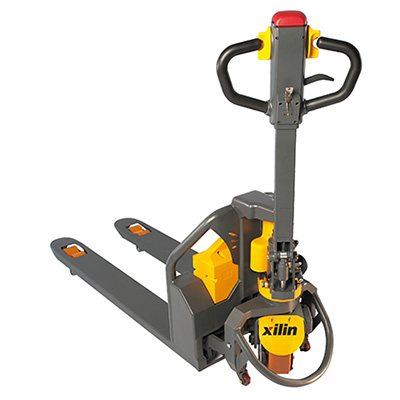 Electric Pallet Truck
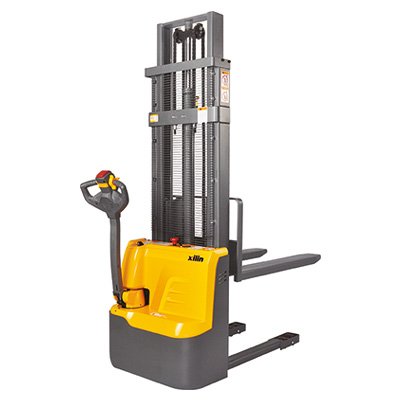 Electric Stacker
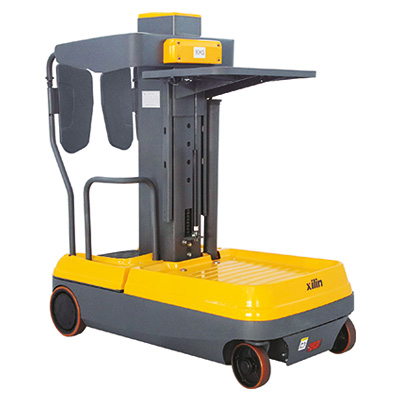 Order Picker
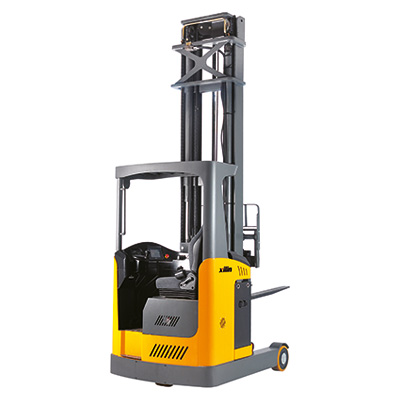 Narrow Aisle Truck
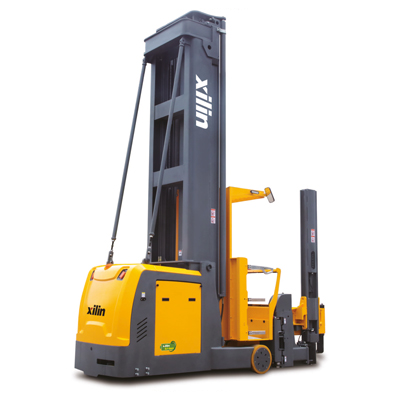 VNA Tri-Lateral Stacker
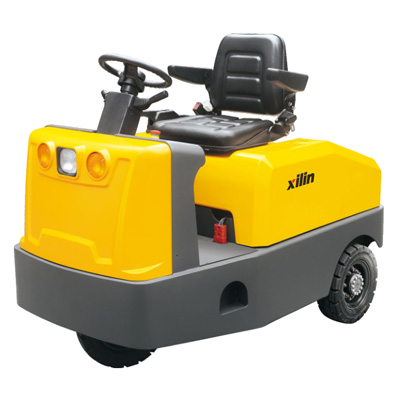 Tow Tractor
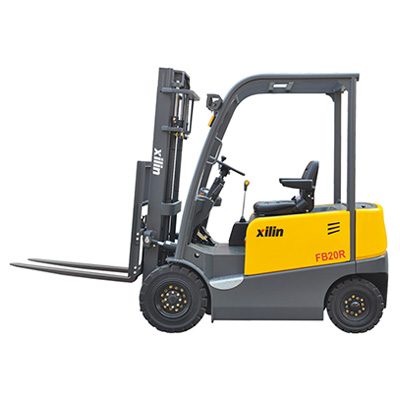 Electric Forklift
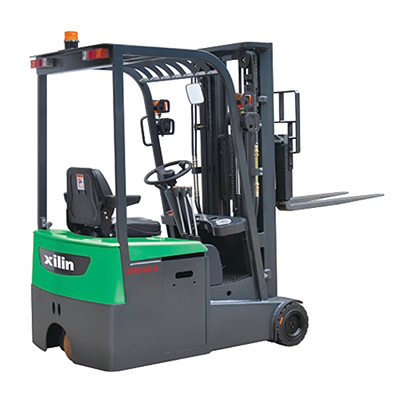 Lithium-ion Truck
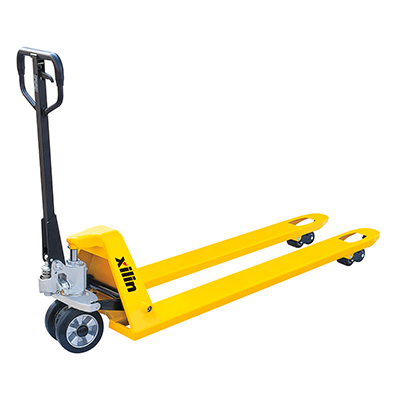 Hand Pallet Truck
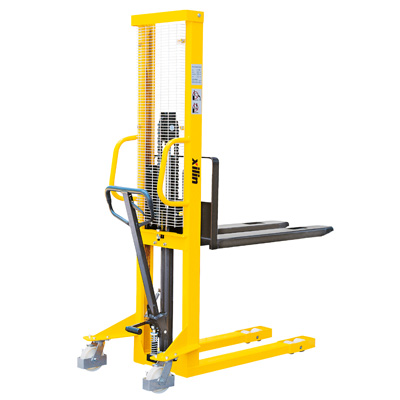 Manual Stacker
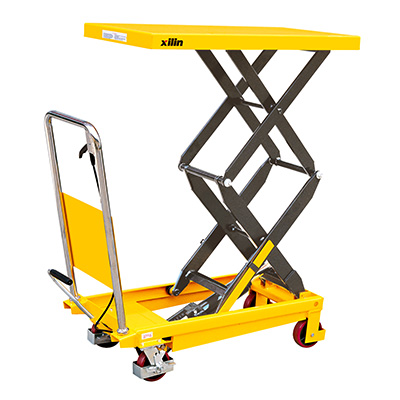 Lift Table
Content
- 1 Understanding the Parts of a Manual Pallet Jack
- 2 Pre-Operation Inspection Checklist
- 3 Step-by-Step: How to Operate a Manual Pallet Jack
- 4 Handle Position and Its Effect on Operation
- 5 Safe Load Capacity and Weight Limits
- 6 Common Mistakes to Avoid
- 7 Using a Manual Pallet Jack on Ramps and Dock Plates
- 8 Personal Protective Equipment (PPE) for Pallet Jack Operation
- 9 Routine Maintenance to Keep the Jack Operational
To use a manual pallet jack, slide the forks into the pallet, pump the handle to raise the load, steer it to the destination, and release the lowering valve to set the load down. The entire process relies on correct posture, controlled movements, and a pre-use inspection — all of which take under five minutes to learn but are essential for safe, efficient operation.
Understanding the Parts of a Manual Pallet Jack
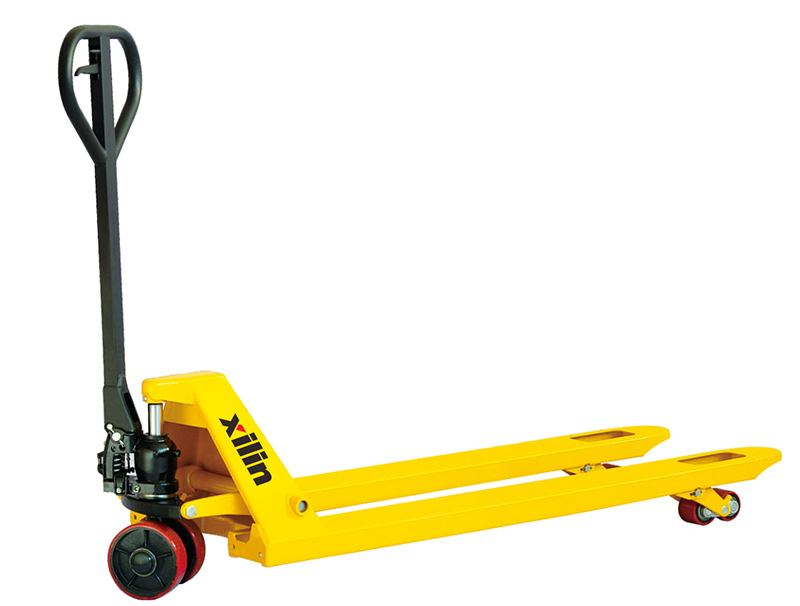
Before operating a manual pallet jack, familiarize yourself with its key components. Knowing what each part does prevents misuse and speeds up troubleshooting.
- Forks (tines): The two long steel arms that slide under the pallet. Standard forks are 1,150 mm long and 160 mm wide, fitting most GMA-standard pallets.
- Handle (tiller): The upright lever used for steering, pumping to raise, and triggering the lowering valve.
- Hydraulic pump: Built into the handle mechanism; pressurizes fluid to raise the forks when you pump up and down.
- Load wheels: Small wheels at the fork tips that support the front of the load.
- Drive wheel: The single rear wheel (or tandem wheels on heavy-duty models) that steers and propels the jack.
- Lowering valve / release lever: A trigger or twist mechanism on the handle that slowly releases hydraulic pressure to lower the forks.
Pre-Operation Inspection Checklist
A quick inspection before each shift prevents accidents and equipment damage. Most workplace safety standards recommend this check take no more than 2–3 minutes.
- Check the forks for visible cracks, bends, or corrosion that could compromise structural integrity.
- Inspect the wheels — drive wheel and load wheels — for flat spots, debris buildup, or looseness.
- Test the hydraulic function: pump the handle several times and confirm the forks rise smoothly and hold position.
- Verify the lowering valve operates gradually — forks should descend slowly, not drop suddenly.
- Check for hydraulic fluid leaks under the pump housing.
- Confirm the handle moves freely through its full range of steering motion.
If any issue is found, do not use the jack — tag it out of service and report it for maintenance.
Step-by-Step: How to Operate a Manual Pallet Jack
Step 1 — Position the Jack at the Pallet
Approach the pallet straight-on, keeping the forks aligned with the pallet entry openings. Make sure the path ahead is clear of obstacles, spills, or uneven flooring. The forks should be in the fully lowered position before entry.
Step 2 — Insert the Forks Fully
Push the jack forward until the forks are fully inserted under the pallet — ideally until the fork tips are near or touching the far interior edge. Partial insertion is one of the most common causes of load tipping. Ensure the load is centered between both forks.
Step 3 — Raise the Load by Pumping the Handle
Set the handle's control lever to the "raise" or "neutral" position (varies by model). Pump the handle in an up-and-down motion — typically 5 to 10 pumps are sufficient to lift the forks 7–8 inches off the ground, which is all that is needed for transport. Avoid raising the load higher than necessary, as increased height reduces stability.
Step 4 — Check Load Stability Before Moving
Once elevated, briefly check that the pallet is stable and the load is not shifting or overhanging dangerously. If the load extends beyond the pallet edges by more than a few centimeters, reposition before moving.
Step 5 — Move the Load to the Destination
Pull the pallet jack toward you rather than pushing it — this gives you better visibility and control. Use the handle to steer: swinging the handle left turns the drive wheel right, and vice versa. Keep to designated traffic lanes and maintain a walking pace of no more than 5 km/h (3 mph) on level ground.
When navigating turns, slow down and widen the arc — forks can swing out and strike racking or personnel if turns are taken too tightly.
Step 6 — Lower the Load
Once positioned at the destination, engage the lowering valve — typically a trigger or twist on the handle — and allow the forks to descend slowly and evenly. Never release the valve fully in one motion, as this causes a sudden drop that can damage the load, the floor, or the jack itself.
Step 7 — Withdraw the Forks
With the pallet resting on the floor and the forks fully lowered, pull the jack straight back to disengage the forks cleanly. Avoid angling the jack during withdrawal, which can catch on the pallet boards and tip the load.
Handle Position and Its Effect on Operation
Most manual pallet jacks have a three-position handle that controls the hydraulic valve. Understanding each position is critical:
| Handle Position | Function | When to Use |
|---|---|---|
| Raise (Up) | Activates hydraulic pump when handle is pumped | Lifting the load off the ground |
| Neutral (Middle) | Locks forks at current height | Transporting the load |
| Lower (Down) | Opens release valve to lower forks | Setting the load down |
Safe Load Capacity and Weight Limits
Standard manual pallet jacks are rated for loads of 2,500 kg (5,500 lbs), with heavy-duty models supporting up to 5,000 kg. However, the operator's ability to move the load safely depends on floor conditions, slope, and physical capability — not just the jack's rated capacity.
General guidelines for safe load management:
- Never exceed the jack's rated load capacity — this is stamped on the data plate on the frame.
- On inclines greater than 5 degrees, avoid using a manual pallet jack — use powered equipment instead.
- Distribute weight evenly across both forks to prevent tipping.
- For loads above 1,000 kg on level ground, use team spotting or powered alternatives where available.
Common Mistakes to Avoid
Most pallet jack incidents stem from a small set of recurring errors. Being aware of them significantly reduces risk.
- Partial fork insertion: Forks not fully under the pallet create an unstable pivot point that can tip the load forward.
- Raising too high: Lifting beyond transport height (more than 8 inches) raises the center of gravity unnecessarily and increases tip-over risk.
- Pushing instead of pulling: Pushing limits visibility and reduces steering control, especially in narrow aisles.
- Moving on wet or uneven floors: Wheels lose traction rapidly on wet concrete; uneven surfaces can cause sudden jolts that shift unstable loads.
- Riding the jack: Standing on the jack frame while moving is prohibited by most safety standards and can result in falls or crush injuries.
- Leaving a loaded jack unattended: A loaded jack on even a slight incline can drift and cause injuries — always lower the load before leaving the equipment.
Using a Manual Pallet Jack on Ramps and Dock Plates
Ramps and loading dock plates are among the most hazardous areas for pallet jack use. Follow these specific practices:
- Confirm the dock plate or bridge plate is rated for the combined weight of the load and the jack — most dock plates support 4,500–9,000 kg, but always verify.
- When descending a ramp, keep the load on the uphill side (between you and the top of the ramp) so the load does not run away from you.
- Descend slowly and maintain a firm grip on the handle at all times.
- Never travel across a dock plate diagonally — always cross straight on to prevent wheel drop-off at the edges.
- Have a spotter present when crossing narrow or unfamiliar dock equipment.
Personal Protective Equipment (PPE) for Pallet Jack Operation
Even though a manual pallet jack is a non-powered tool, appropriate PPE is still required in most warehouse and industrial environments:
- Steel-toed safety footwear: Protects feet from dropped loads or forks rolling over toes — a leading cause of pallet jack injuries.
- High-visibility vest: Ensures other workers can see the operator in busy warehouse traffic zones.
- Gloves: Improve grip on the handle, particularly in cold storage environments or when handling rough pallets.
- Back support belt: Recommended for operators who pump and steer heavy loads frequently throughout a shift.
Routine Maintenance to Keep the Jack Operational
A well-maintained manual pallet jack can last 10 years or more with minimal downtime. Basic maintenance tasks include:
- Hydraulic fluid top-up: Check fluid level every 3–6 months; use only hydraulic jack oil of the grade specified in the manual.
- Wheel lubrication: Apply grease to wheel axles every 1–3 months depending on usage intensity.
- Fork inspection: Measure fork deflection annually — forks deflecting more than 3% of rated load under test are typically due for replacement.
- Fastener check: Tighten any loose bolts or pins on the linkage system during monthly walkarounds.
- Seal replacement: If the jack fails to hold pressure or leaks fluid, hydraulic seals typically need replacing — this is a technician-level repair.