 英语
英语 西班牙语
西班牙语 德语
德语 法语
法语 俄语
俄语
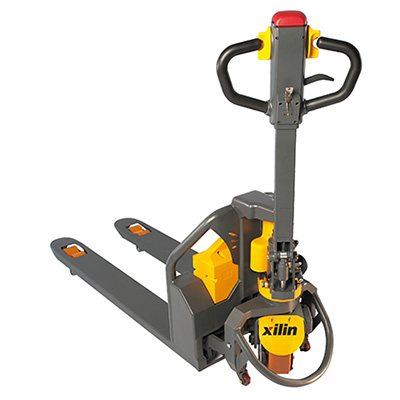 Electric Pallet Truck
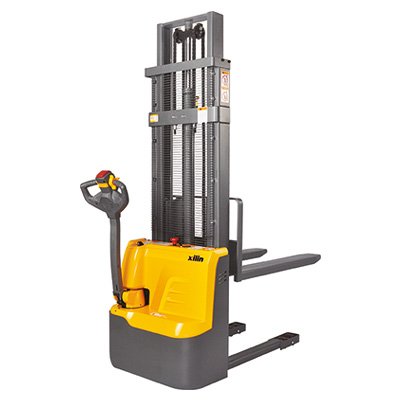 Electric Stacker
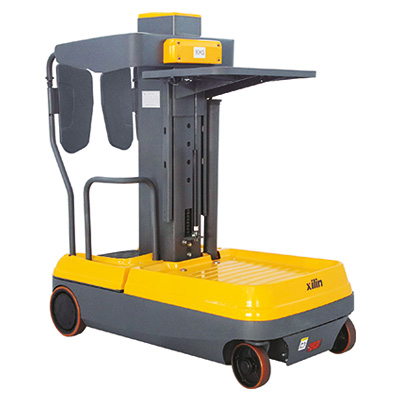 Order Picker
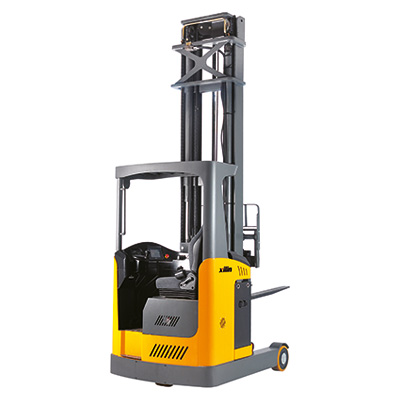 Narrow Aisle Truck
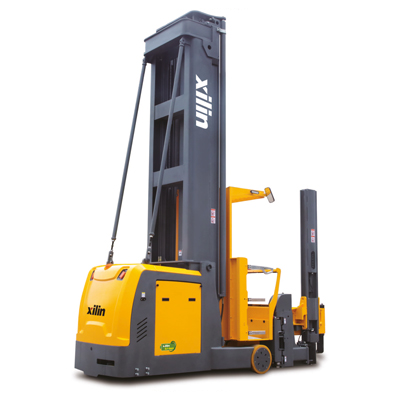 VNA Tri-Lateral Stacker
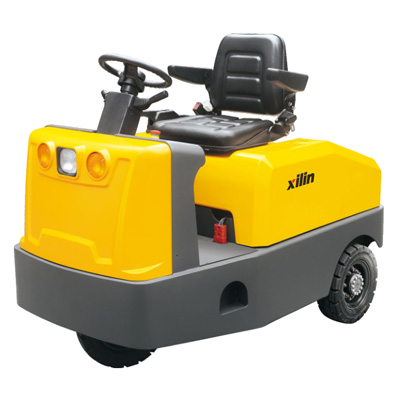 Tow Tractor
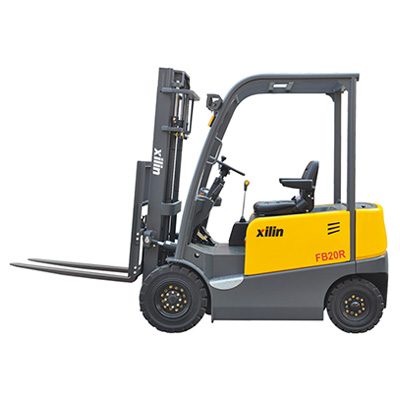 Electric Forklift
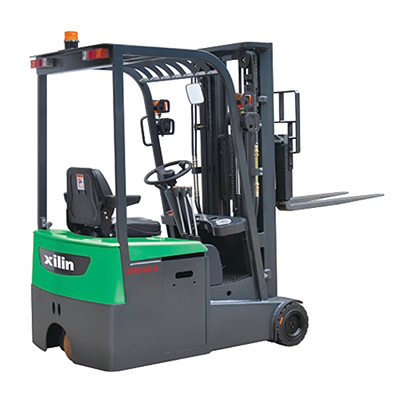 Lithium-ion Truck
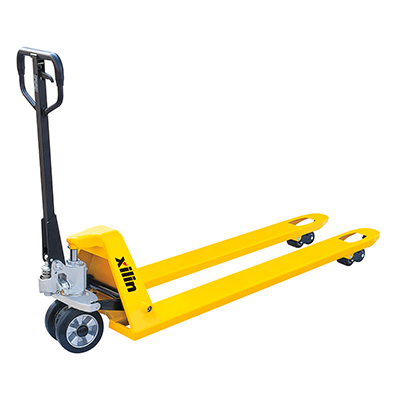 Hand Pallet Truck
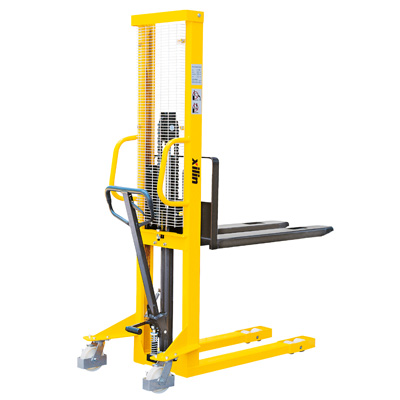 Manual Stacker
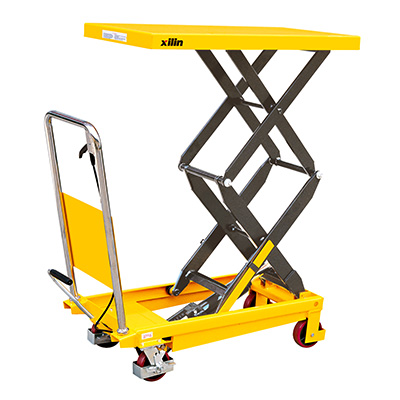 Lift Table
Content
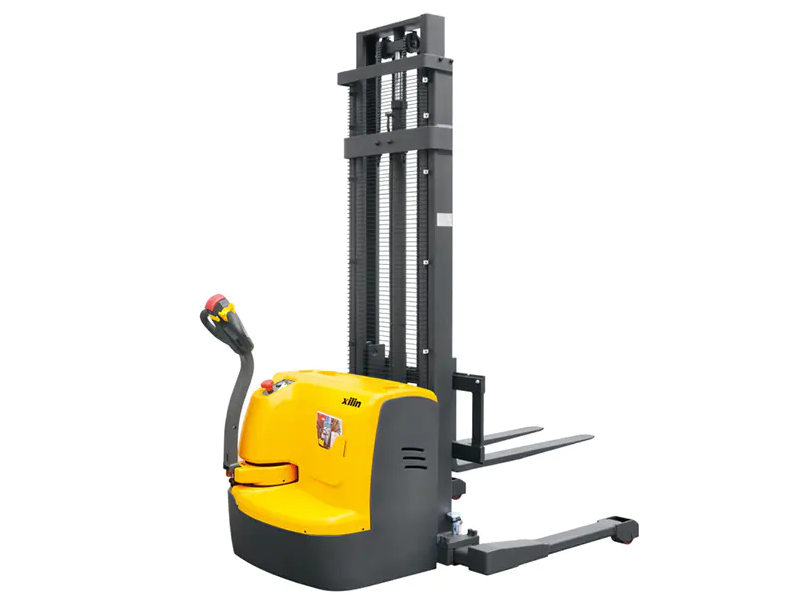
Daily maintenance of Electric Stackers should focus on the wheel system (drive wheels and load-bearing wheels), hydraulic seals, contactor contacts, and mast chains. These components are the most easily worn consumables due to high-frequency ground friction, pressure loads, and current surges. By establishing a scientific maintenance plan for Electric Stackers, companies can not only reduce the risk of unexpected downtime but also effectively extend the service life of the equipment by 3-5 years.
I. In-depth Analysis of Core Wear-Prone Parts of Electric Stackers
To ensure smooth warehouse operations, it's crucial to understand which parts of the Electric Stackers are most susceptible to wear and tear during long-term operation:
1. Polyurethane Wheels (Drive Wheels and Load-Bearing Wheels)
As the only part of the electric stacker that comes into contact with the ground, the wear rate of the wheels depends on the quality of the warehouse floor.
Wear symptoms: Peeling, cracking, out-of-roundness, or uneven wear.
Maintenance strategy: Regularly clean any debris (such as packing tape, ropes) wrapped around the wheel axles, ensure the ground is level, and avoid overloading.
2. Hydraulic System Seals
The hydraulic cylinder is the core component for lifting, and the seals are its "weak point."
Wear symptoms: Oil leakage from the cylinder, or the forks naturally lowering after lifting.
Maintenance strategy: Keep the hydraulic oil clean, regularly check the oil level, and replace aging seals immediately to prevent the electric stacker's lifting system from failing.
3. Electrical Contactors and Carbon Brushes
During frequent starting and stopping, current surges can cause electrical erosion of the contactors.
Wear symptoms: Burned contactor contacts, unusual noises, or worn carbon brushes in the drive motor leading to unstable power output.
Maintenance strategy: Dust removal monthly, check for loose wiring connections, and measure the carbon brush length to ensure it is within the safe range.
4. Mast Chains and Bearings
The chains responsible for vertical load are under high tension for extended periods and are critical safety components.
Wear symptoms: Chain stretching and deformation, or dry lubricant causing a sharp grinding sound during mast lifting and lowering.
Maintenance strategy: Regularly apply specialized chain lubricant and check the chain pins for cracks.
II. 2026 Standardization: Daily Maintenance Checklist for Electric Stackers
To facilitate execution by warehouse managers, we recommend dividing the maintenance of Electric Stackers into "daily checks" and "monthly maintenance":
III. Why Timely Maintenance Saves You Money?
Many companies believe that electric stackers only need maintenance when they stop working or lifting. This "operating with defects" often leads to expensive chain reactions. For example, a worn-out seal worth only a few dollars, if not replaced, can cause the hydraulic pump to start frequently until it burns out, or even lead to safety accidents such as goods falling from a height.
Modern intelligent Electric Stackers are often equipped with fault code display functions. When the dashboard indicates an abnormality, consulting the manual or contacting the manufacturer's technical support is the most cost-effective maintenance solution.
Understanding the wear patterns of electric stacker components is key to effective equipment management. As a professional Electric Stackers manufacturer, we not only provide high-quality hardware but also offer full lifecycle after-sales support.