 英语
 西班牙语
 德语
 法语
 俄语

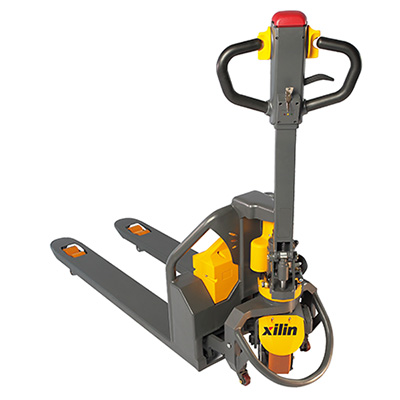 Electric Pallet Truck
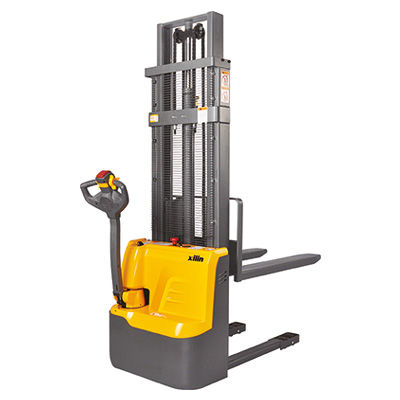 Electric Stacker
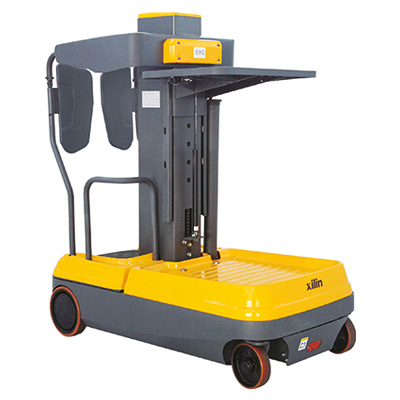 Order Picker
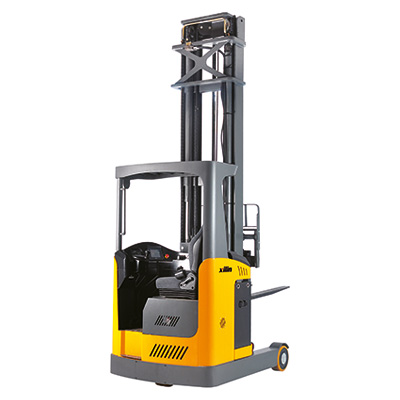 Narrow Aisle Truck
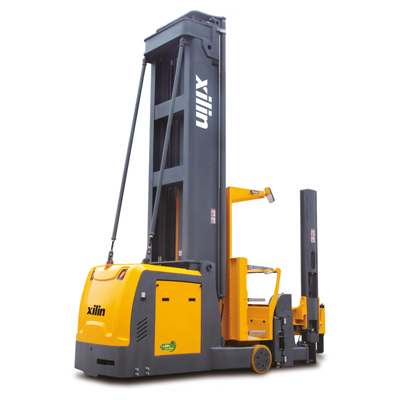 VNA Tri-Lateral Stacker
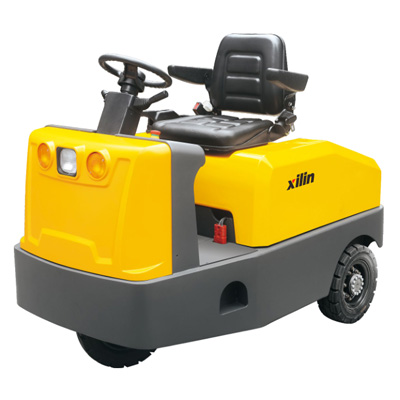 Tow Tractor
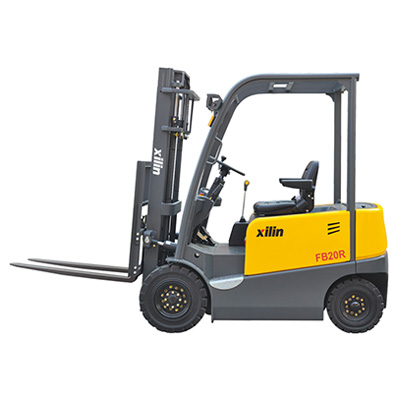 Electric Forklift
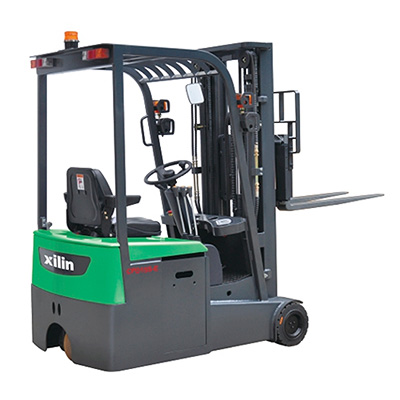 Lithium-ion Truck
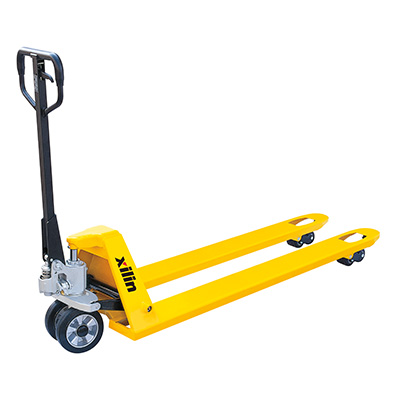 Hand Pallet Truck
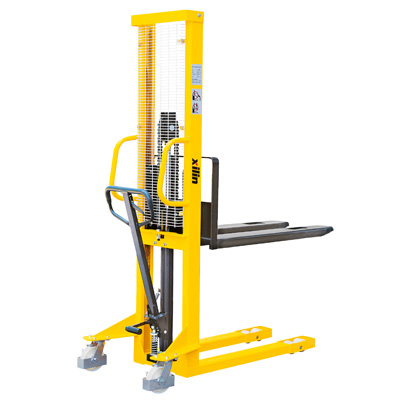 Manual Stacker
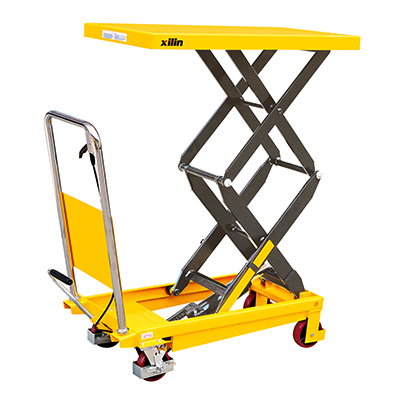 Lift Table

Content
At a bakery receiving dock, a 1,000 kg pallet of flour is too heavy for a manual pump truck and too tall for a standard low-lift pallet truck to move through a crowded intake lane. The team needs a stainless steel lift table at the packing line, a walkie pallet truck for ambient storage, and a cold-room stacker that starts reliably at minus 25 C. That mix is common in food plants, and it explains why food industry lifting equipment is specified around hygiene, temperature, and cleaning routines as much as around load capacity.
The short answer: buy for the cleaning regime first, then for the load. Equipment that cannot be washed down or that traps flour dust will cost more in audit findings and downtime than it saves at purchase.
What Makes Lifting Equipment Suitable for Food Production?
Food production exposes trucks and tables to three stresses that general warehouse equipment rarely sees: wet cleaning chemicals, fine powders, and temperature swings. Stainless steel is the starting point, but grade and finish matter. Type 304 handles most dry and ambient food areas. Type 316 is specified where chlorides, brine, or aggressive washdown chemicals are present. A surface roughness of Ra 0.8 micrometre or smoother is often requested for food-contact or splash zones, and crevices around welds, fasteners, and control handles are the first places auditors look.
Lubricants and bearings also change the specification. Food-grade lubricants registered as H1 are used where incidental contact is possible. Sealed bearings and IP65 control housings reduce water ingress during hose-down. Battery compartments need drainage and a latch that does not collect debris. On lift tables, a scissor mechanism with covered pivot points and a removable drip tray is easier to clean than an open frame.
| Specification area | Standard warehouse equipment | Food-grade specification | Why it matters in a food plant |
|---|---|---|---|
| Frame material | Painted carbon steel | Type 304 or 316 stainless steel | Resists corrosion from washdown and food acids |
| Surface finish | Standard mill finish | Ra 0.8 micrometre or smoother in splash zones | Reduces residue build-up and makes cleaning verifiable |
| Lubricants | General-purpose grease | H1 food-grade lubricant | Limits contamination risk if incidental contact occurs |
| Control housing | IP54 or open housing | IP65 sealed housing | Survives hose-down and condensation in cold rooms |
| Cleanability | Exposed threads and open frames | Capped fasteners and drainable frames | Removes flour, fat, and cleaning chemical pools |
| Corrosion risk | Touch-up painting needed | Passivated stainless surfaces | Lower repair cost and fewer audit findings |
Matching Equipment to Food Plant Zones
A single specification does not fit every zone. Walk the plant and split the route into four areas: receiving and dry storage, wet processing, cold storage, and packaging. Each area imposes a different mix of cleaning, temperature, and load handling.
Receiving and Dry Storage
In dry storage, flour dust and cardboard debris are the main enemies. A walkie electric pallet truck with a sealed drive motor and smooth fork tips keeps dust out of the battery compartment and reduces the chance of tearing pallet wrap. Capacity should be checked at the actual load centre, not just at the rated fork position. If pallets are double-stacked, the lower pallet carries the combined load. A 1,500 kg rated truck may be marginal when the load centre moves forward.
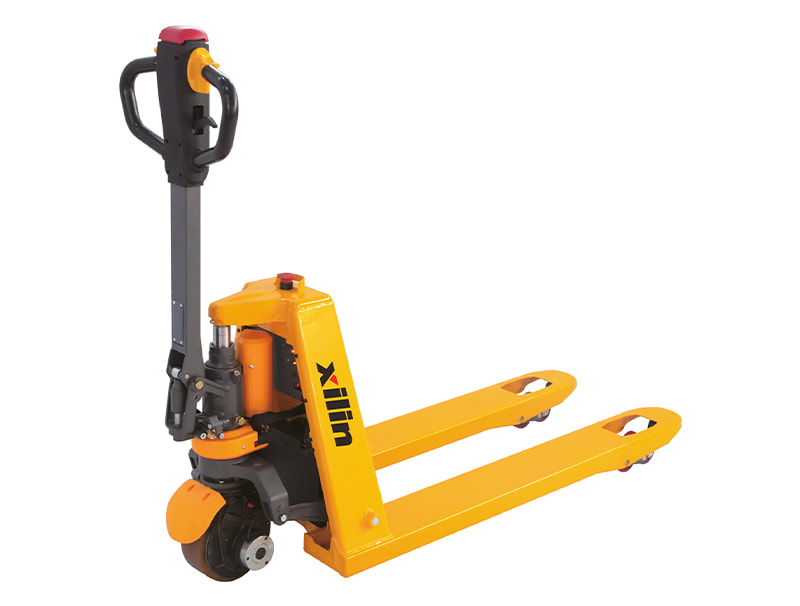
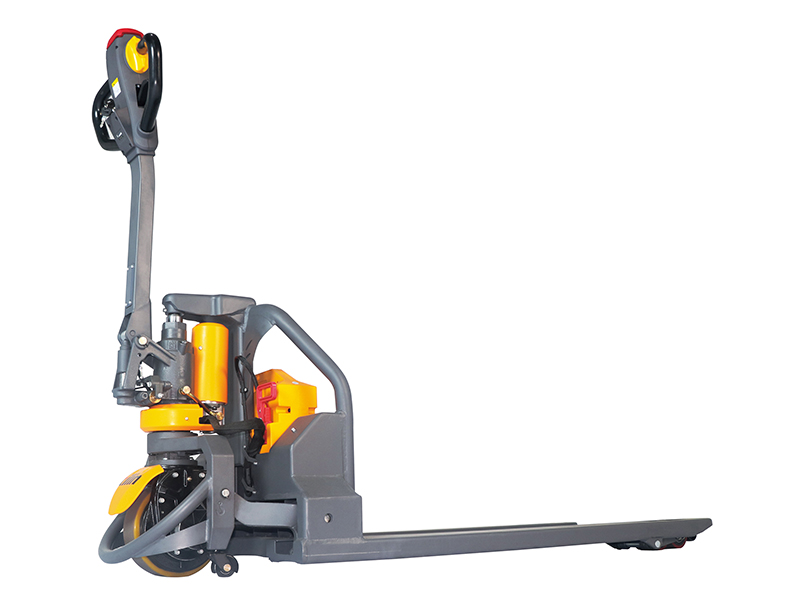
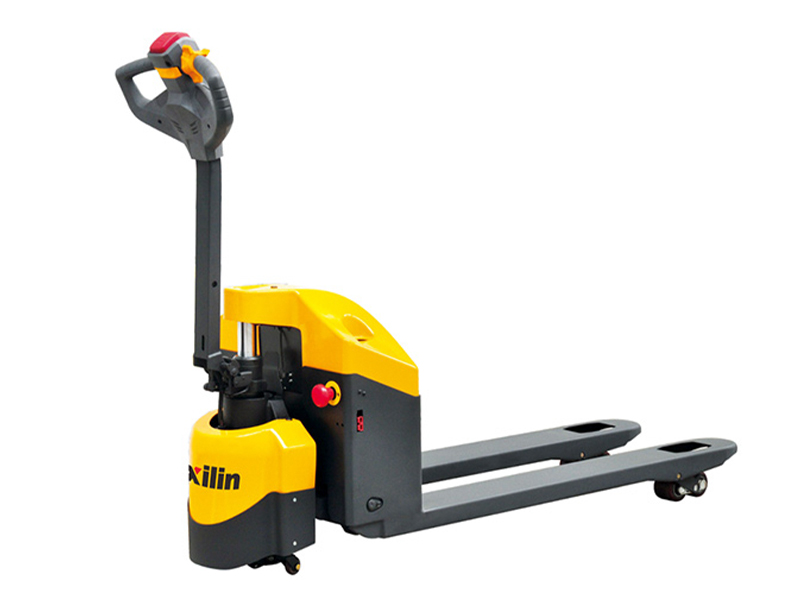
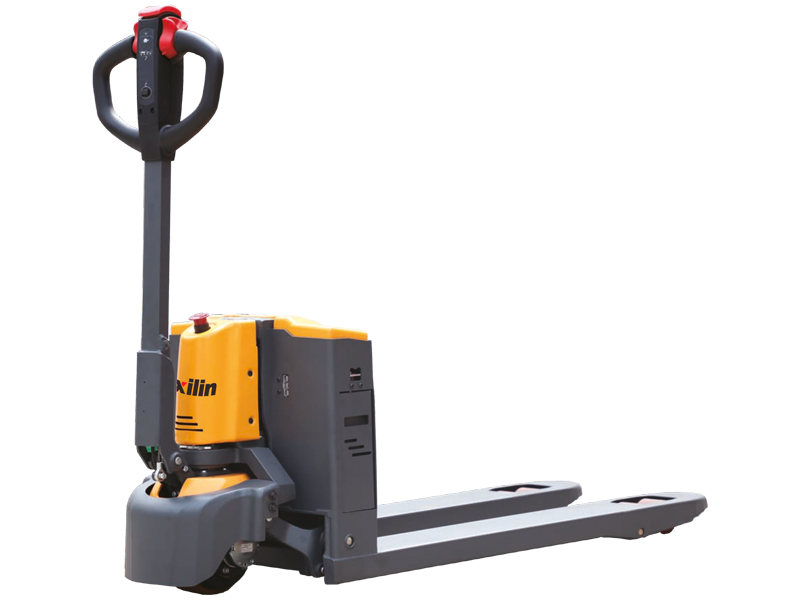
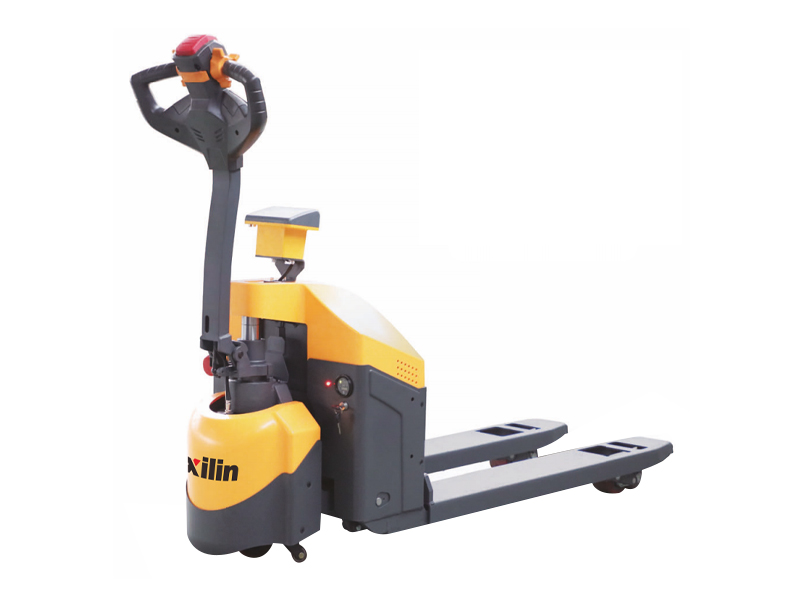
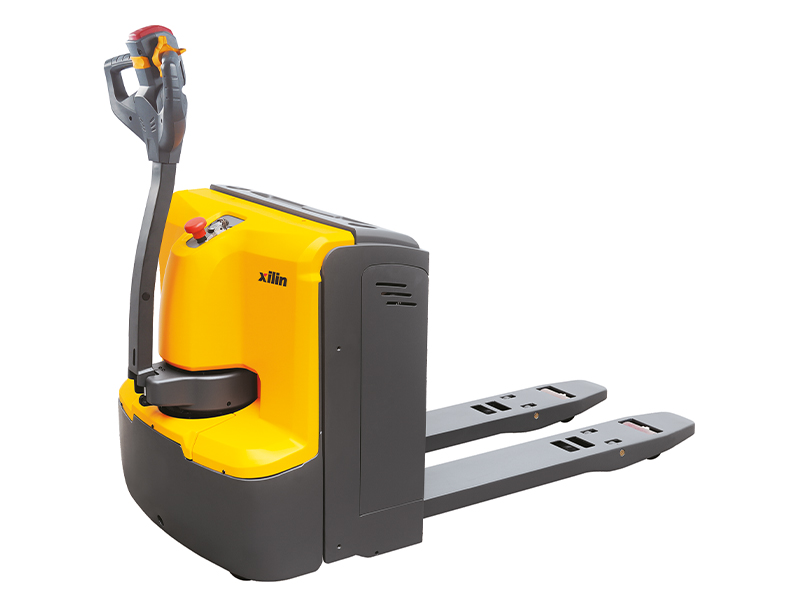
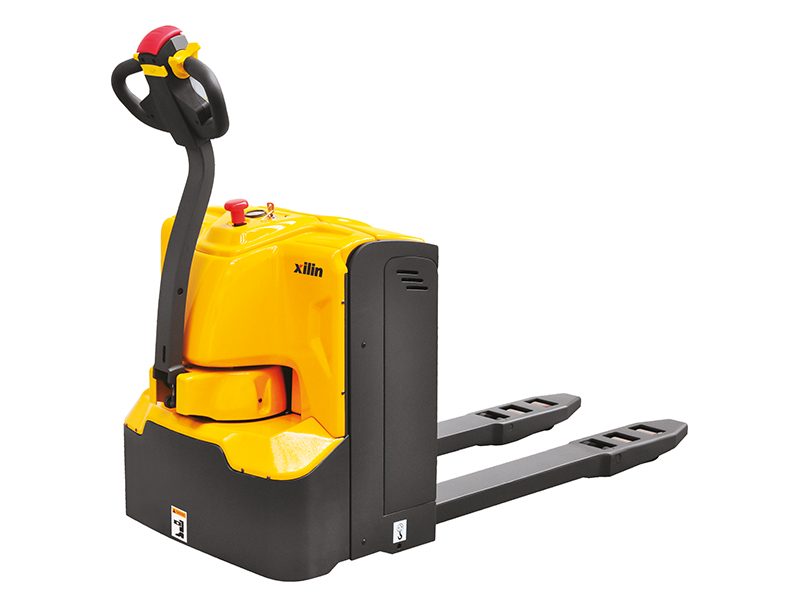
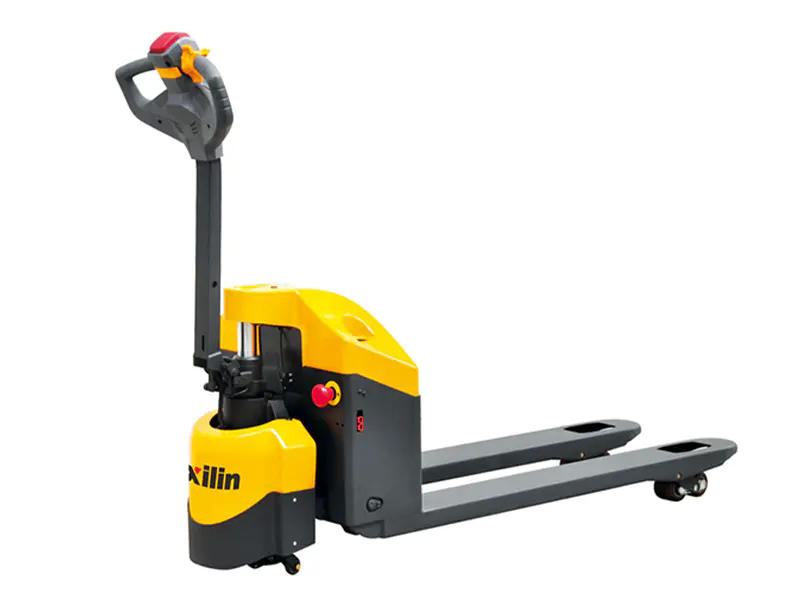 CBD15W-E/CBD20W-E Electric Walkie Pallet TruckPedestrian battery-electric pallet truck with 1,500/2,000 kg capacities, 600 mm load centre and raised drive motor for dusty dry-storage aisles.View Product →
Keep charging areas outside dry ingredient zones. Dust around a charger is a fire risk, and a cable lying across a traffic lane is a trip hazard. A dedicated charging bay with floor markings and a fixed cable management arm solves both problems.
Wet Processing and Washdown Areas
Wet rooms and raw-material preparation areas are where stainless steel lift tables earn their cost. A fixed-height packing bench forces operators to bend or lift. A scissor lift table brings the work to waist height and can be hosed down between shifts. Look for a minimum platform height low enough to take a pallet from a pallet truck, a maximum height that matches the line, and a lip or stop that prevents boxes from sliding off during raising. The frame should be open enough to drain, but not so open that it traps product.
 Stainless Steel Lift Table SP150Stainless steel 150 kg lift table with 225–740 mm height range, foot-pedal operation and safety back guard for washdown prep areas.View Product →
Check the hydraulic unit location. A pump mounted under the platform is protected from splashes but harder to inspect. A side-mounted pump with a removable cover is easier to service, provided the cover seals correctly after maintenance.
Cold Storage and Freezers
Cold rooms change hydraulic behaviour and battery performance. Standard hydraulic oil thickens at low temperature, slowing descent and increasing pump load. Equipment specified for cold storage uses low-temperature oil, heated battery compartments or lithium batteries with built-in heating, and sealed connectors that resist condensation. Test the emergency lowering function at the lowest operating temperature before acceptance. A stacker that works at 0 C may creep or refuse to lift at minus 25 C.
Forklift and pallet truck batteries lose capacity in freezers. If a truck works a full shift at minus 18 C, specify a battery with a cold-weather rating and a charger that can be placed outside the freezer. Charging a frozen lead-acid battery damages the plates and shortens service life.
Packaging and Palletizing
At the end of the line, repetitive lifting from floor level to a conveyor is a musculoskeletal risk. A double scissor lift table provides a stable platform at two stages: low enough to receive a pallet, high enough to build a layer at conveyor height. The double-scissor design reduces the extended height of the frame when lowered, which helps where floor space is tight. Check the platform size against the largest pallet and the load chart at the full raised height, because capacity falls as the platform rises.
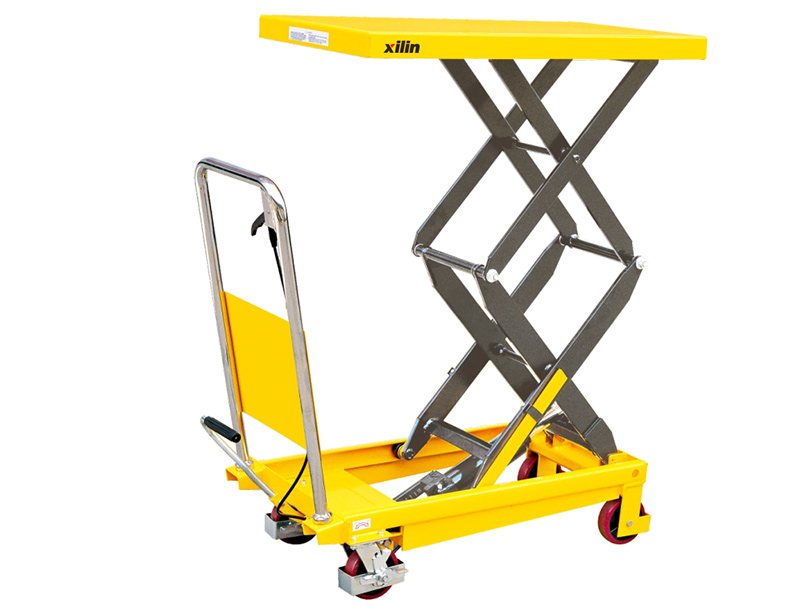 Double Scissor Lift Table SPS150/SPS350Double-scissor lift tables with 150 kg and 350 kg capacities, 1,100/1,300 mm lift heights and foot-pedal operation for conveyor-height handling.View Product →
Add a turntable if operators need to reach all four sides of the pallet without walking around it. A turntable increases the platform footprint, so confirm clearances with the line layout before ordering.
Hygiene Details Buyers Often Miss
Small design choices decide whether equipment passes a cleaning verification swab. Ask for these details before placing an order:
- Fasteners: exposed threads and cup heads trap food residue. Specify capped or flush fasteners.
- Weld finish: continuous welds in splash zones, ground smooth where product can collect.
- Caster and wheel materials: polyurethane resists water but can mark floors. Nylon is harder and noisier. Match the compound to the floor finish and cleaning chemicals.
- Control handles: sealed push buttons with a smooth cover, not a recessed membrane that collects flour.
- Battery compartment: drain holes, a removable tray, and a latch that does not create a debris ledge.
- Documentation: material certificates, lubricant safety data sheets, and a cleaning method statement should be requested before purchase, not after the first audit.
Safety and Load Handling in Food Environments
Wet floors reduce traction. Polyurethane wheels are common in food plants because they resist water and do not mark floors, but they can be slippery on smooth wet concrete. Specify a tread pattern or a wheel compound matched to the floor, and keep dock plates and ramps within the manufacturer's slope limit. A 2 percent slope is often the practical limit for loaded pallet trucks. Steeper ramps require a different truck or a fixed ramp.
Load stability matters as much as capacity. Food loads often shift: bagged flour settles, rigid containers slide, and pallets may be non-standard. A load centre of 600 mm is common for Euro pallets, but a 1,200 mm load centre can cut capacity by half. Always use the load chart for the actual load centre and lift height.
Cold-room operators wear gloves and bulky clothing, which affects control ergonomics. Test the tiller or steering effort with gloves on. Emergency stop buttons should be reachable without removing a glove. For lift tables, check the safety features to look for in lift tables, including anti-crush edges, pressure relief valves, and mechanical locks for maintenance.
Pedestrian traffic is another risk. In a food plant, forklifts and pallet trucks share aisles with workers carrying ingredients. Use floor markings, mirrors at blind corners, and speed limits. Equipment with automatic braking or proximity warnings can help, but it does not replace traffic separation.
Procurement Checklist for Food Industry Lifting Equipment
Use these questions to narrow the specification before comparing prices:
- What cleaning chemicals and water temperature will touch the equipment during a normal shift?
- What is the coldest and hottest operating temperature, including defrost cycles?
- What pallet types, load centres, and maximum lift heights will be used?
- What floor finish, slope, and drainage exist along the route?
- Will the equipment enter a washdown zone, a dry ingredient zone, or both?
- What documentation does the HACCP plan require for new equipment?
- Which wear parts are on the shelf locally, and what is the lead time for seals, hoses, and wheels?
- Can the supplier provide a cleaning method statement and a spare-parts list?
- Does the charger location meet ventilation and fire separation requirements?
- Are operator training and maintenance training included in the handover?
Why Equipment Lifecycle Support Matters
A stainless steel lift table can last a decade, but only if the pump, seals, and platform hinges are serviceable. Ask for a parts list with lead times for wear items: wheels, seals, hoses, battery connectors, and control handles. In a food plant, a two-week wait for a seal kit can stop a packing line.
Battery choice affects uptime and cleaning. Lead-acid batteries need watering and ventilation. Lithium batteries reduce maintenance and can be opportunity-charged during breaks. In cold rooms, lithium batteries with internal heating are often preferred because they accept charge at low temperature and do not require acid handling. The lithium truck battery advantages include lower maintenance and faster charging, but the charger and battery management system must be rated for the ambient temperature.
Training and documentation should be part of the purchase. Operators need to know how to clean the equipment without damaging seals, and maintenance staff need torque values and lubrication points. A supplier that provides a cleaning method statement and a spare-parts list is easier to audit than one that only supplies a manual.
Food industry lifting equipment is not a commodity purchase. The right lift table, pallet truck, or stacker is the one that survives the plant's cleaning chemicals, fits the coldest room on site, and keeps the load chart honest at the height and load centre where it will actually work. Start with a walk-through of each zone, write down the cleaning and temperature conditions, and ask for material certificates and service lead times before comparing prices. That sequence prevents the most expensive outcome: equipment that is installed, audited, and then rejected.