 英语
 西班牙语
 德语
 法语
 俄语

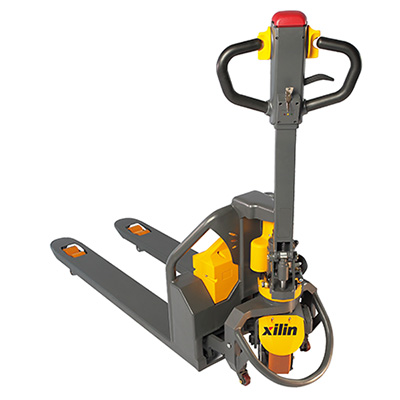 Electric Pallet Truck
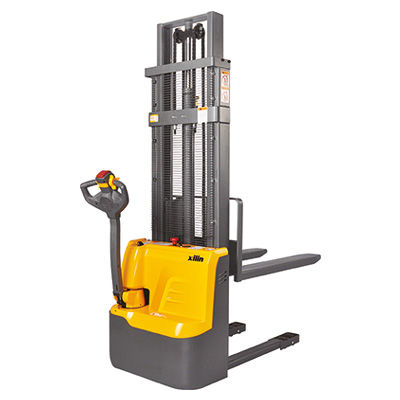 Electric Stacker
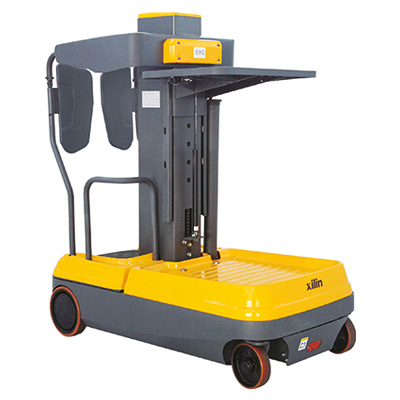 Order Picker
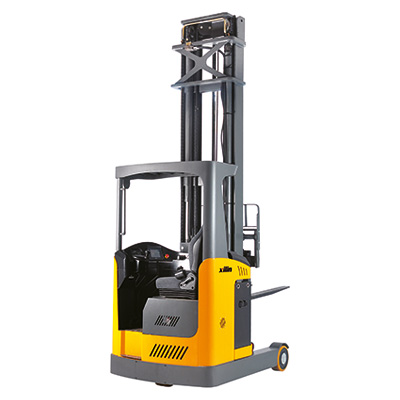 Narrow Aisle Truck
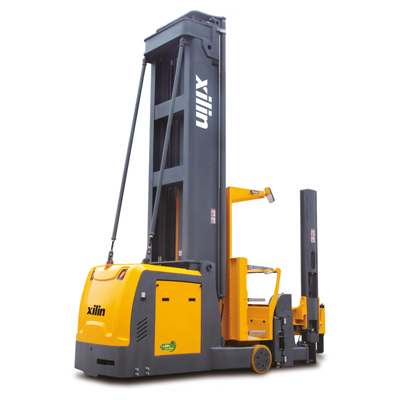 VNA Tri-Lateral Stacker
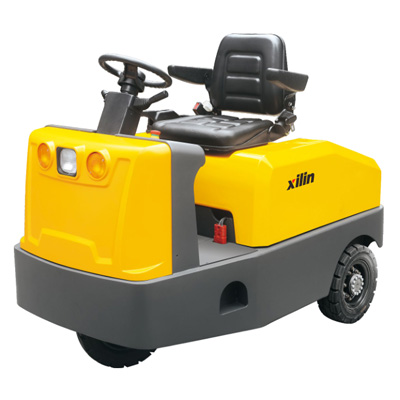 Tow Tractor
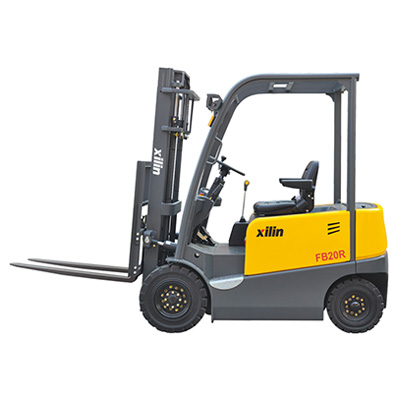 Electric Forklift
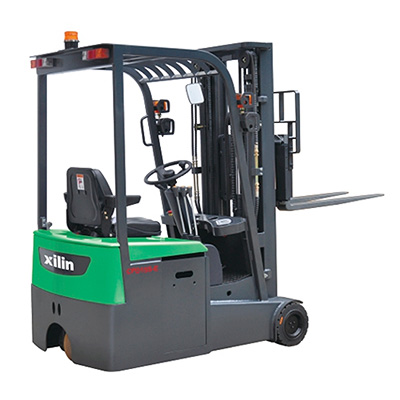 Lithium-ion Truck
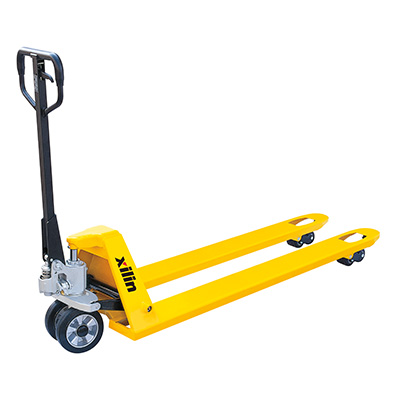 Hand Pallet Truck
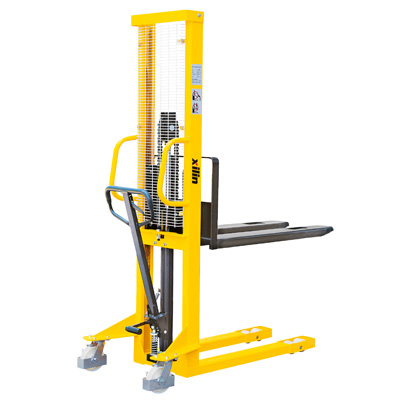 Manual Stacker
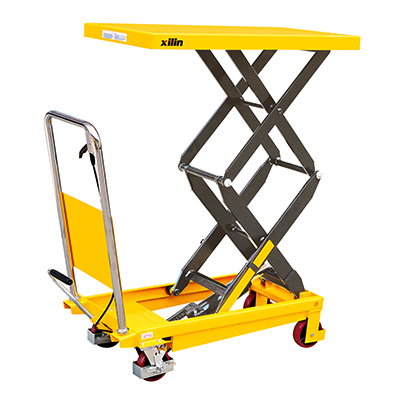 Lift Table

Content
- 1 Why kWh Per Hour Beats Motor Rating as a Comparison
- 2 Where the Energy Actually Goes During a Shift
- 3 Matching Truck Type to the Duty Cycle
- 4 Battery Chemistry and Charging Strategy Decide Half the Bill
- 5 Operating Practices That Cut Consumption Without New Equipment
- 6 How to Write Efficiency Into the Purchase Specification
Energy is the one forklift cost that keeps arriving every month, long after the invoice has been paid. A two-tonne electric counterbalance truck working two shifts can draw anywhere between 8,000 and 14,000 kWh a year depending on duty cycle, floor surface, and how the battery is charged. At an industrial tariff of around 0.15 USD per kWh, that is a running cost worth engineering rather than accepting.
The short answer is that the most energy efficient forklifts are not simply the ones with the smallest motors. Efficiency comes from matching the truck class to the real duty cycle, choosing a battery chemistry that fits the charging window, and running the fleet so that wasted kilowatt hours stay visible. Handle those three points and a 15 to 25 percent reduction in energy per pallet moved is a realistic planning figure, not a brochure claim.
Why kWh Per Hour Beats Motor Rating as a Comparison
Nameplate motor power tells you about peak capability, not average consumption. Two trucks rated at the same drive power can differ by 20 percent in real draw once you account for controller tuning, hydraulic pump design, rolling resistance, and how much time the unit spends idling between moves. The number that matters is energy drawn at the wall socket per operating hour, measured over a representative shift.
That distinction has a practical consequence at the charger. Energy delivered to the battery is not energy purchased from the grid. A modern high frequency charger typically converts at around 90 percent or better, while older transformer based units can sit closer to 80 percent. On 9,000 kWh delivered to a battery, the difference between 90 and 80 percent charger efficiency is roughly 1,250 kWh of purchased electricity that never reaches the truck.
Power factor belongs in the same conversation. A charger with a power factor below 0.9 can attract penalties or force additional infrastructure on larger fleets, and standby draw from chargers left energized overnight adds up across dozens of units.
Where the Energy Actually Goes During a Shift
Before specifying anything, it helps to know which parts of an operation consume the electricity. In most warehouses the split looks roughly like this:
- Drive and traction: frequent starts, stops, and acceleration on concrete floors.
- Hydraulics: lifting, holding, and lowering loads, which often dominates in high lift applications.
- Charging losses: conversion heat, equalizing charges, and cooling in the battery room.
- Idle and accessory draw: lights, displays, horns, and trucks left running between tasks.
- Environmental factors: cold ambient temperature reducing usable battery capacity, underinflated tires raising rolling resistance, rough floors and ramps.
Regenerative braking is the clearest efficiency lever in the first category. Trucks that recover energy during deceleration and, in some designs, during load lowering, return a measurable share of the energy used in a stop start cycle. That recovery is worth nothing if the specification never asks for it.
Matching Truck Type to the Duty Cycle
Truck class has more influence on energy use than any single component, because each class is built around a different balance of travel and lift. The table below sets out how the main categories behave, using typical warehouse patterns rather than specific model data.
| Truck class | Typical duty | Dominant energy use | Main efficiency lever |
|---|---|---|---|
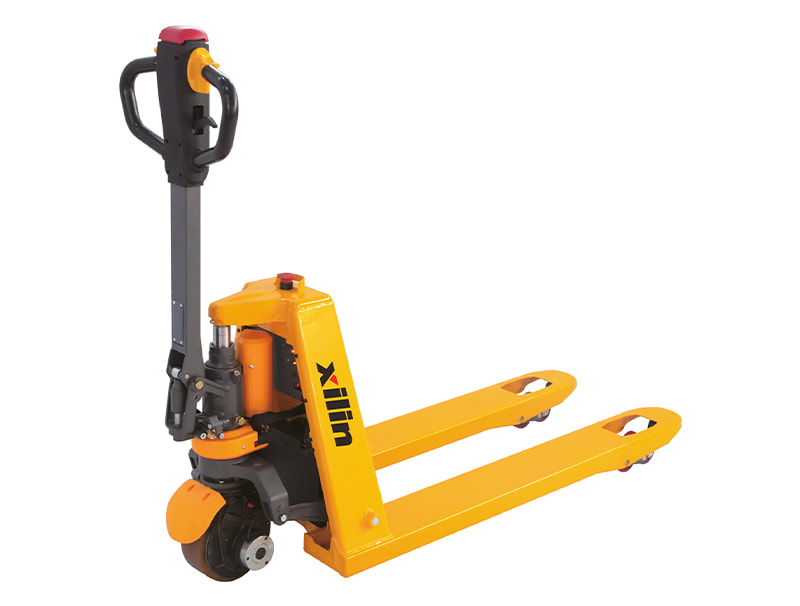
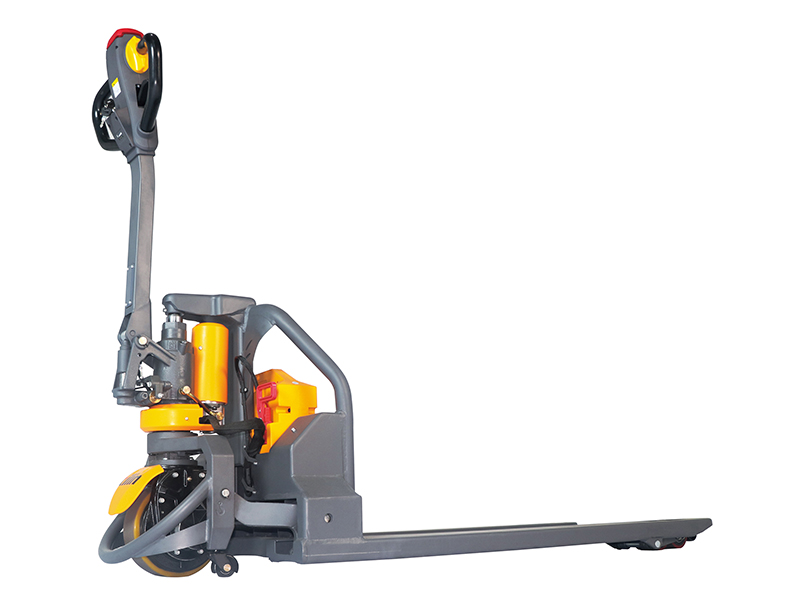
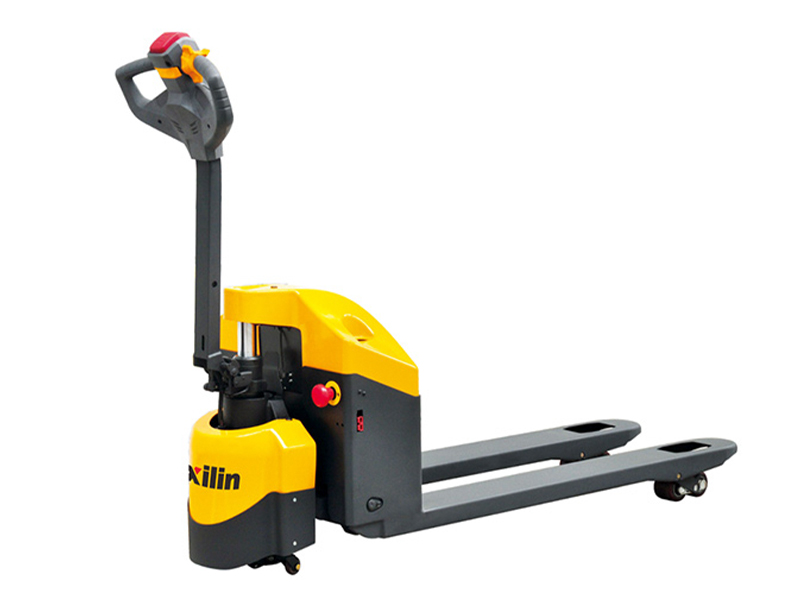
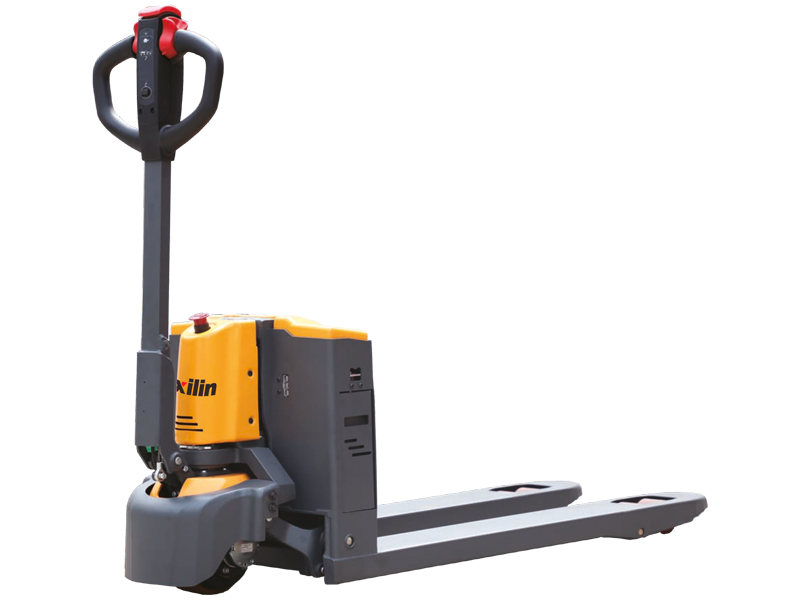
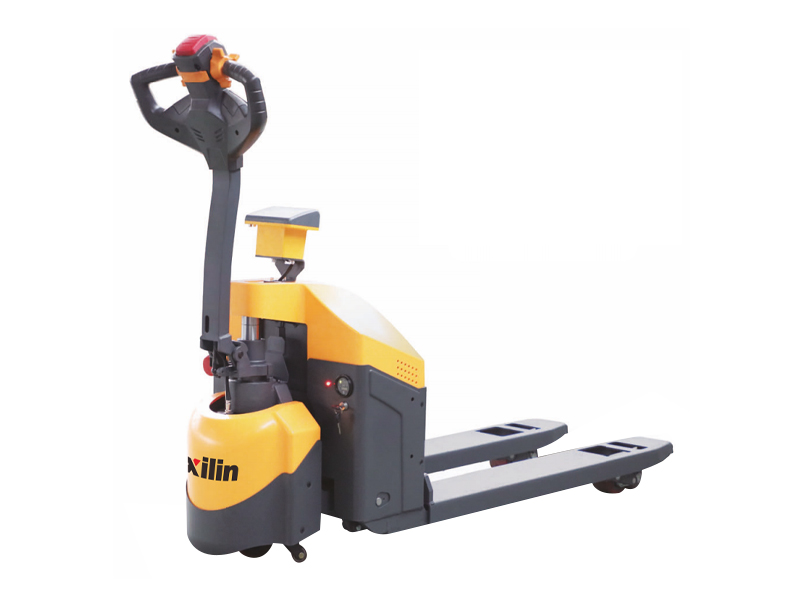
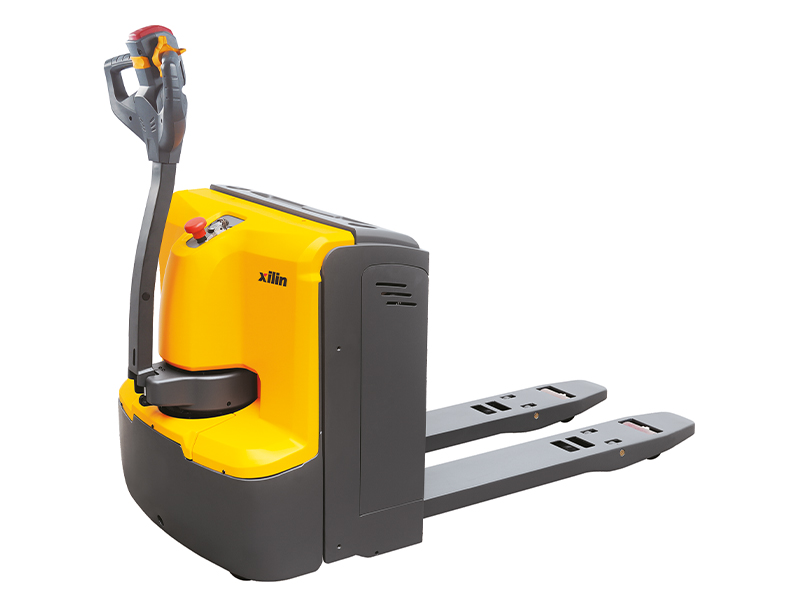
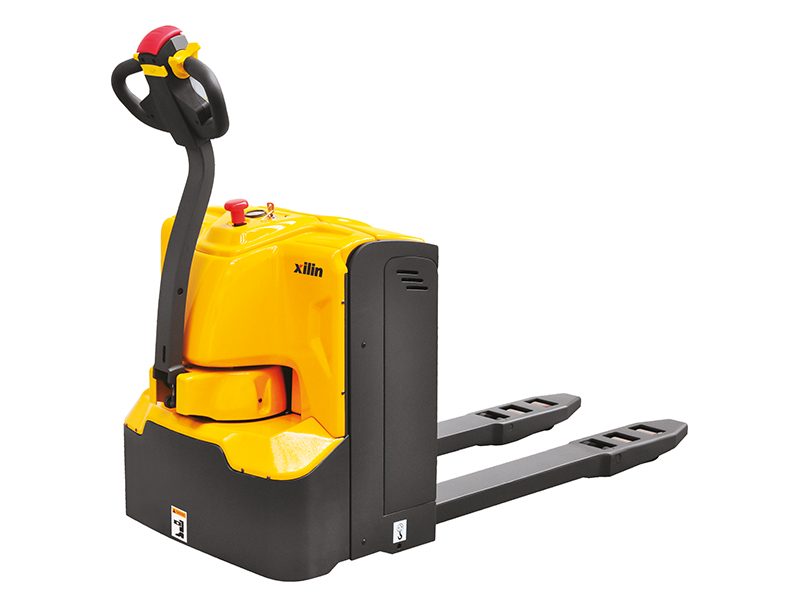
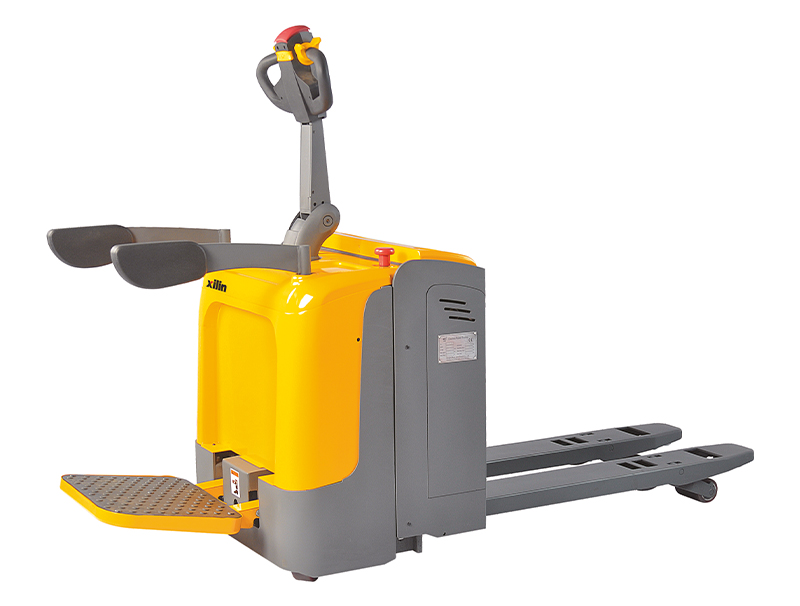
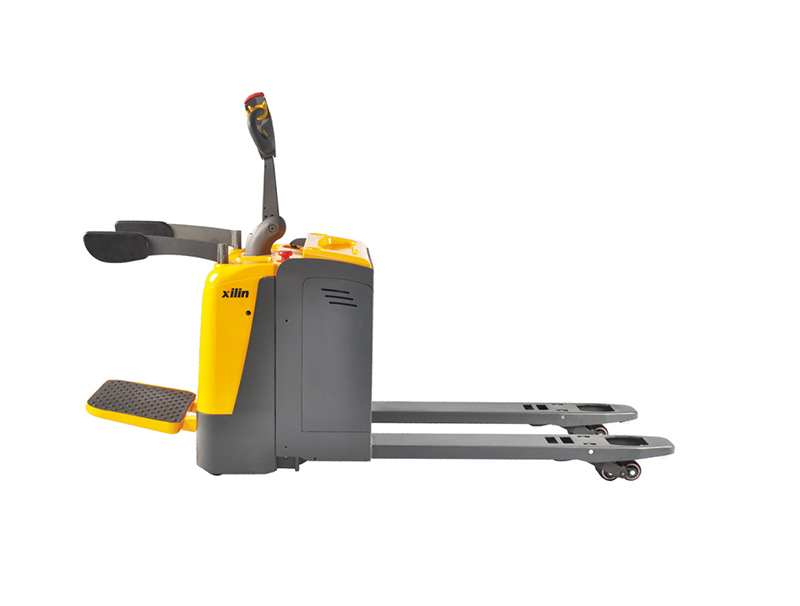
| Electric pallet truck | Horizontal transport of pallets over 50 to 300 m | Frequent acceleration and braking | Regenerative braking, correct tire condition, rider or walkie choice matched to distance |
| Electric stacker | Stacking to roughly 2 to 5 m in storage areas | Hydraulic lifting and holding | Avoid holding loads at height, lower smoothly, size lift capacity to the load |
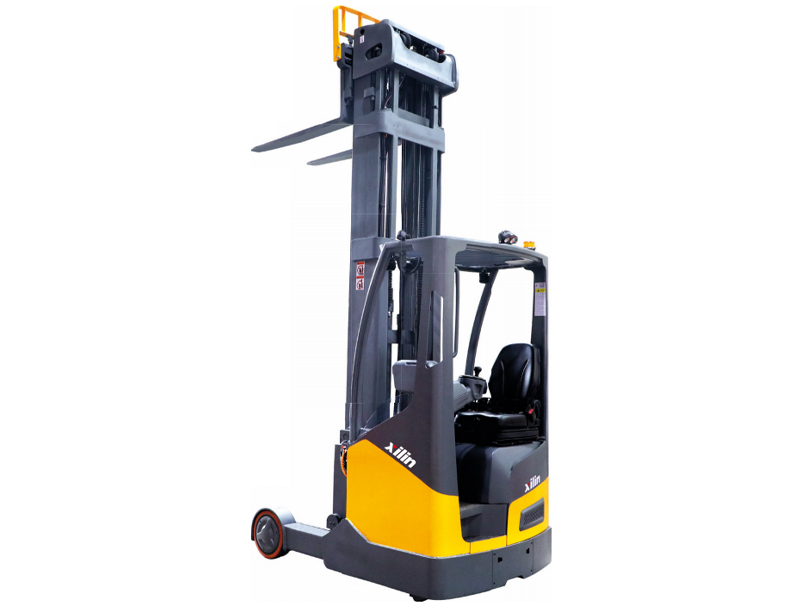
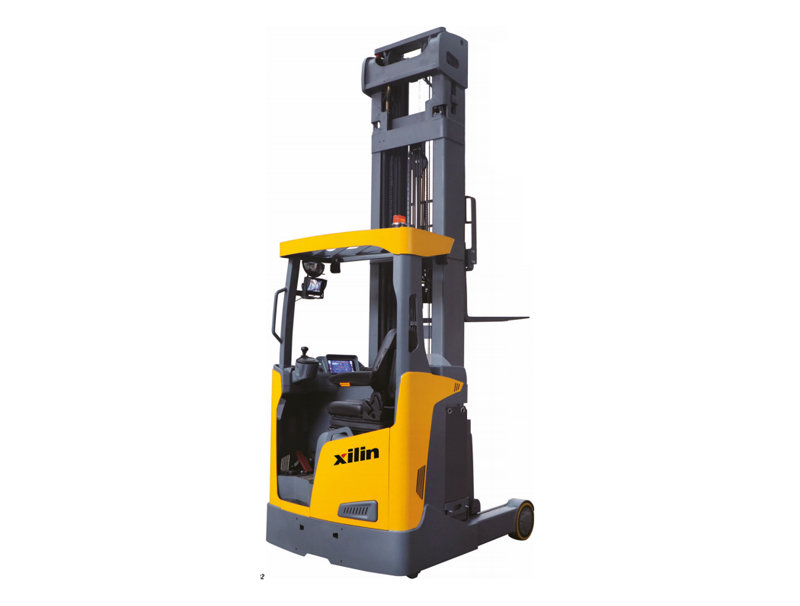
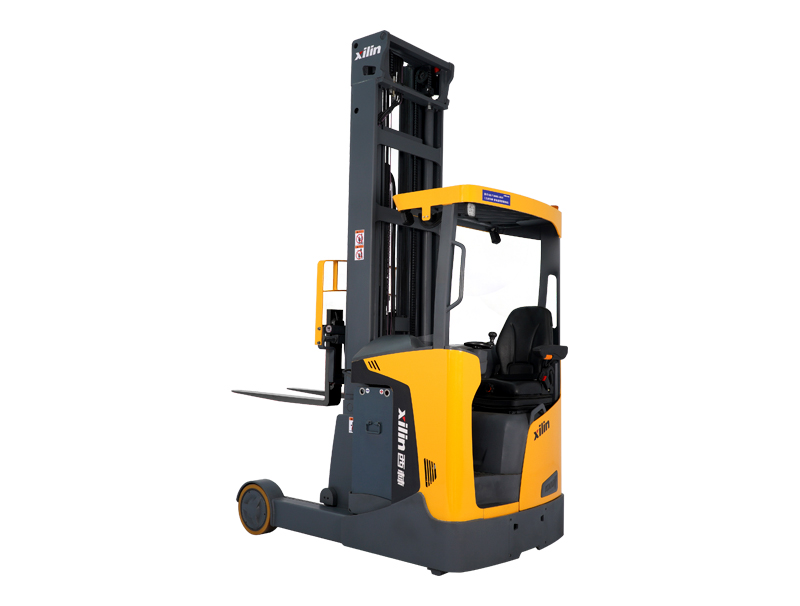
| Reach truck and narrow aisle | High bay put away in aisles under 2.5 m | Mast and hydraulic work combined with long cycles | Aisle layout, regen lowering, avoiding oversized capacity |
| Counterbalance electric forklift | Mixed indoor and yard work, loading docks | Traction plus lift in variable conditions | Match capacity to real loads, manage outdoor temperature effects |
| Order picker | Repeated lift and lower cycles during picking | Hydraulic cycles and operator platform movement | Batch picking routes, high level deceleration functions, reduced empty travel |
| Tow tractor | Long horizontal hauls with trailers | Continuous traction load | Trailer wheel maintenance, route smoothing, avoiding unnecessary loads |
A common procurement mistake is buying a single truck class for every task. Using a counterbalance forklift for horizontal transport that an electric pallet truck could handle usually adds both capital cost and energy cost, because the heavier machine moves its own mass around all day.
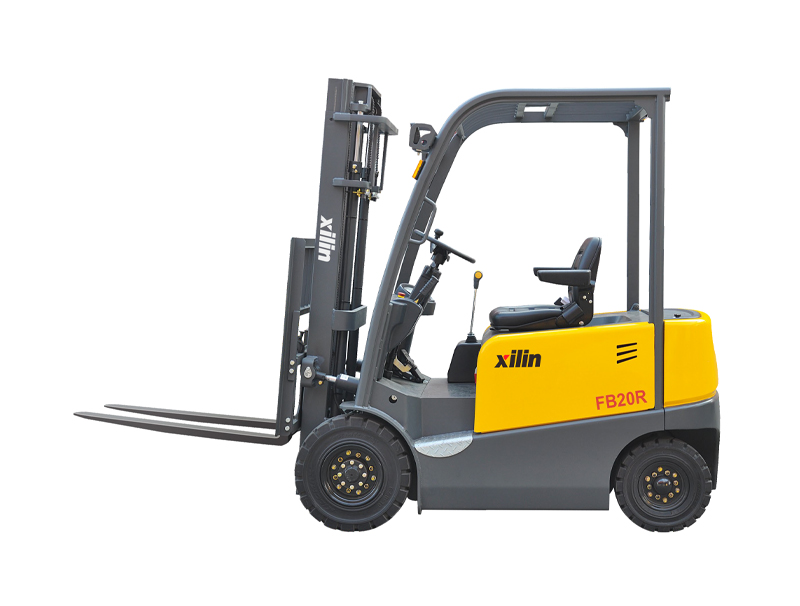 FB16R–FB35R Electric Counterbalance Forklift SeriesSeated battery-electric counterbalance series from 1,600 to 3,500 kg; useful where tasks need counterbalance capacity rather than pallet-truck transport.View Product →
For operations constrained by aisle width, the calculation changes. A reach truck working in a 2.5 m aisle may complete more pallet moves per hour than a counterbalance machine, which means fewer operating hours for the same throughput and lower total energy per pallet, even if the instantaneous draw looks higher.
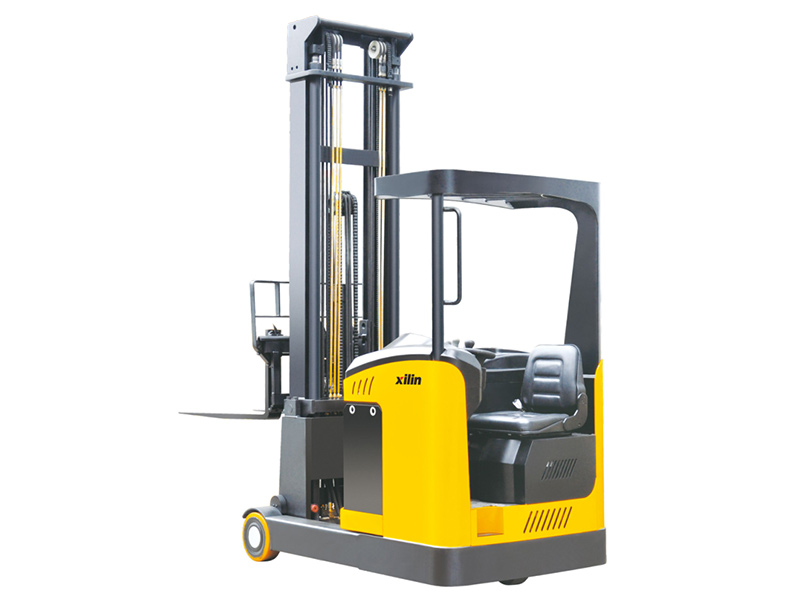 CQD15 Electric Reach Truck for Narrow AislesSeated 1,500 kg reach truck with lift heights to 8,000 mm; 2,880 mm aisle width suits 1,000 x 1,200 pallets.View Product →
Battery Chemistry and Charging Strategy Decide Half the Bill
Chemistry affects efficiency well before the truck moves. Lead acid batteries typically return somewhere between 70 and 80 percent of the energy put in, with losses in gassing, heat, and the equalizing charge cycle. Lithium iron phosphate packs generally sit in the 90 to 95 percent range for round trip efficiency, hold voltage better under load, and accept opportunity charging without the same risk of damage.
The operating implications are concrete. A lead acid fleet needs spare batteries, a change schedule, watering routines, ventilation for hydrogen, and a battery room. A lithium fleet can often run one battery per truck with short charges during breaks, which removes the change operation entirely and reduces the energy lost in repeated full cycles. The trade off is higher upfront cost per pack and different charger hardware.
Whichever chemistry is chosen, the charging window should be designed rather than inherited. Charging during a low tariff period, avoiding full chargers sitting energized overnight, and sizing chargers to the actual shift pattern all reduce purchased kilowatt hours without touching the trucks. Where the tariff structure includes demand charges, spreading charging across the site is often worth more than any hardware upgrade.
 Lithium-Ion Material Handling Truck RangeXILIN LiFePO4 battery trucks with 5-year or 10,000-hour warranty, covering pallet trucks, stackers, order pickers, tow tractors and counterbalance forklifts.View Product →
There is a wider operational consideration too. Battery handling and charging practice affects how long packs last, and replacement is the largest single cost after the truck itself, so it pays to read up on how lithium truck batteries behave in daily use before committing a fleet.
Operating Practices That Cut Consumption Without New Equipment
Some of the cheapest savings sit entirely with the operator and the maintenance team. In fleets we see, a handful of habits tend to produce the fastest results:
- Check tire and wheel condition monthly. A soft tire or a flat spotted wheel raises rolling resistance on every metre travelled.
- Shut trucks down during breaks instead of leaving them idling with accessories running.
- Lower forks to travel height and avoid carrying loads at lift height between locations.
- Keep hydraulic oil, filters, and cooling surfaces clean so the pump is not working against unnecessary restriction.
- Fix dragging brakes and misaligned forks during planned service, before they quietly consume power.
- Plan slotting so that fast moving items sit closer to pick faces, reducing empty travel distance.
- Train drivers on smooth acceleration and early release of the accelerator, which lets regenerative systems recover more energy.
Cold stores deserve separate attention. Usable battery capacity drops in low temperatures, and heated battery compartments or warm charging areas consume energy themselves. Planning charging inside the tempered zone usually beats accepting reduced runtime and extra battery changes.
How to Write Efficiency Into the Purchase Specification
Efficiency claims are easy to make and hard to compare. The practical fix is to make the request for quotation demand measurable values at a defined duty cycle, then verify them in the first quarter of operation.
- Energy consumption in kWh per operating hour, stated at an agreed duty cycle with load weight, lift height, and travel distance defined.
- Charger efficiency and power factor at full and partial load, plus standby draw.
- Regenerative braking and regenerative lowering capability, with the conditions under which it operates.
- Battery capacity, usable depth of discharge, and expected capacity retention after a stated number of cycles.
- Telemetry or onboard data logging, so actual consumption can be reviewed rather than estimated.
- Service access to hydraulic, drive, and battery components, since a truck that is difficult to maintain drifts out of adjustment and out of efficiency.
Where a supplier provides test data, ask for the measurement method. A figure quoted at a favourable ambient temperature and a flat floor is not comparable with one taken on a ramp in a cold store. Building in a tolerance clause, for example that measured consumption may not exceed the quoted figure by more than five percent in the first 90 days, keeps the discussion factual.
Manufacturing depth matters here as well. XILIN, the brand behind Ningbo Ruyi Joint Stock Co., Ltd., has been building material handling equipment since 1985 and reports 423 patents, 288 engineers, and more than 800 sets of automated production equipment across a line that runs from hand pallet trucks to lithium powered reach trucks. That breadth is useful when a project needs several truck classes specified against one energy target rather than pieced together from different suppliers. You can review the full range on the XILIN product overview.
Energy efficiency in a forklift fleet is rarely decided by one specification line. It comes from putting the right truck class on each task, choosing a battery and charging pattern that fits the shift, and then measuring consumption so that idle time, tire condition, and driver technique stop being invisible. Start with a two week energy log on your busiest truck, compare it against the duty cycle you actually run, and use that baseline when you next go to tender. The numbers will be more persuasive than any efficiency label on a datasheet.