 英语
 西班牙语
 德语
 法语
 俄语

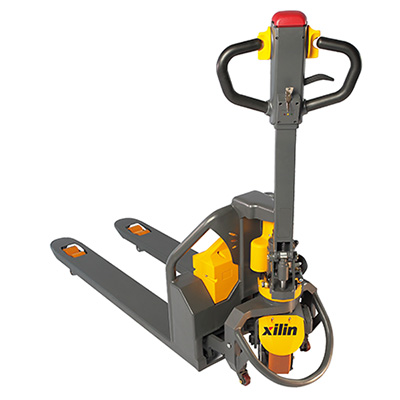 Electric Pallet Truck
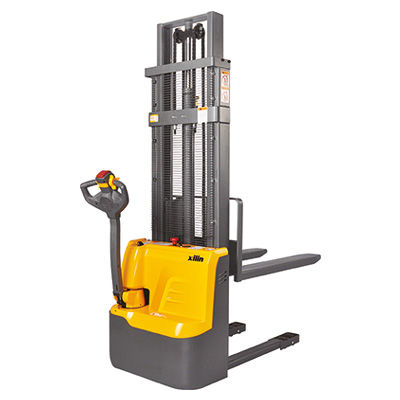 Electric Stacker
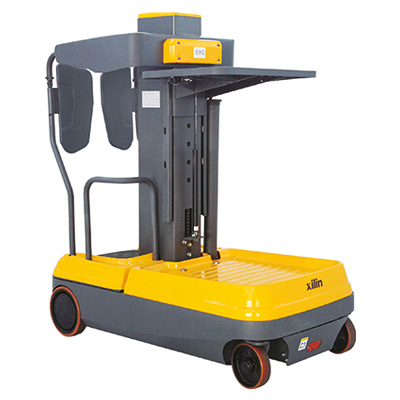 Order Picker
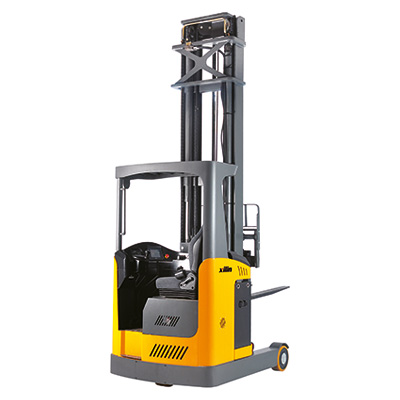 Narrow Aisle Truck
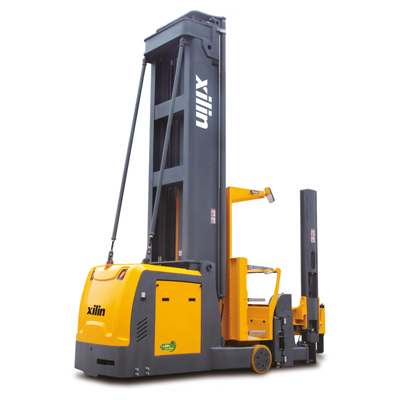 VNA Tri-Lateral Stacker
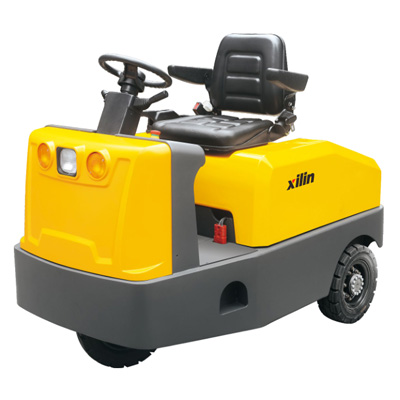 Tow Tractor
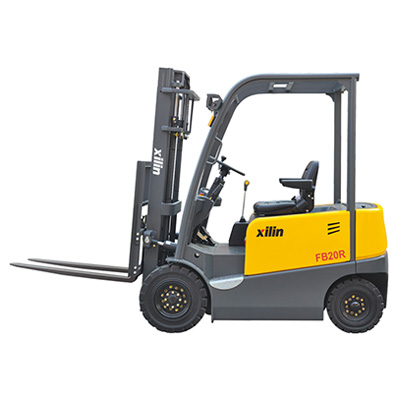 Electric Forklift
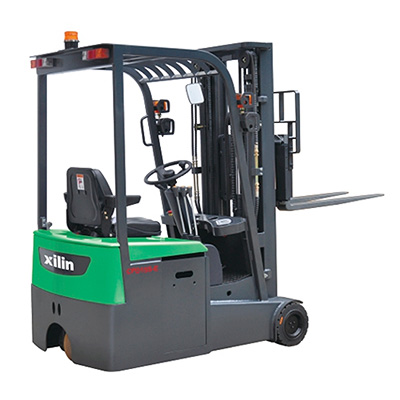 Lithium-ion Truck
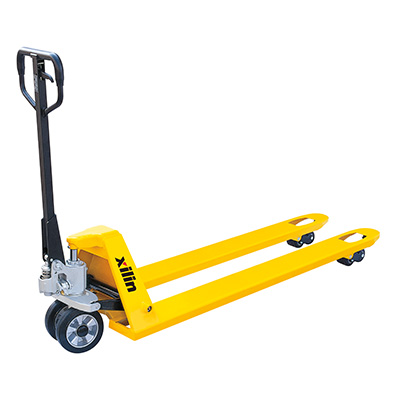 Hand Pallet Truck
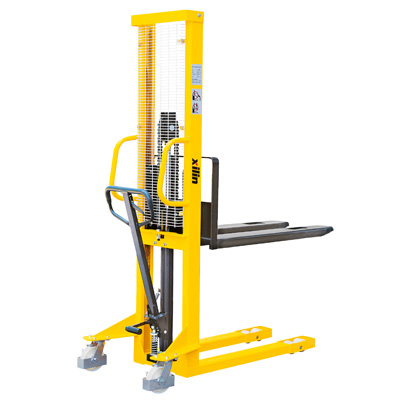 Manual Stacker
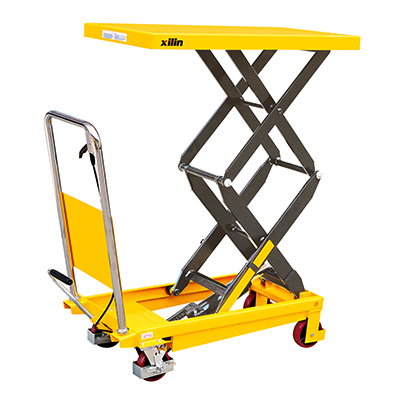 Lift Table

Content
- 1 Why Ergonomics Belongs in the Purchase Decision
- 2 The Four Interfaces That Decide Operator Strain
- 3 Stand-Up or Sit-Down: Match the Posture to the Task
- 4 Matching Truck Types to Ergonomic Priorities
- 5 Order Picking: Where Repetition Beats Weight
- 6 A Procurement Checklist You Can Run in a Demo
- 7 Ergonomics After Delivery
Two hours into a night shift, an operator on a reach truck starts steering with her fingertips and stops turning her head to check the trailing edge of the pallet. That is not a discipline problem. It is what happens when a truck asks for the same reach, the same twist and the same grip force on every one of several hundred cycles.
The short version: an ergonomic forklift is not a truck with a softer seat. It is a truck whose reach distances, sight lines, working posture and control effort have been matched to the job the operator actually performs, shift after shift.
Why Ergonomics Belongs in the Purchase Decision
Strain rarely announces itself. It shows up as slower fork placement, more rack and rack-leg strikes, extra shuffling to line up a pallet, and eventually as absence or turnover among the operators who are hardest to replace. Where pick and put-away targets are tight, the truck is seldom the bottleneck; the operator is, and fatigue is what quietly erodes accuracy in the second half of a shift. Managers who review damage reports usually find the incidents cluster in the last hours of long shifts and in the aisles that demand the most head movement.
Ergonomic problems are also cheapest to solve before the purchase order, because most of them are specification choices: control layout, cowl height, seat adjustment range, step height, camera position. Once the truck is on the floor, those same issues turn into maintenance tickets and informal workarounds that nobody documents.
The Four Interfaces That Decide Operator Strain
- The reach envelope. Where the hydraulic levers, horn and direction switch sit relative to the shoulder. Fingertip control built into an armrest keeps the elbow bent and the upper arm supported; a lever bank that requires a forward lean does the opposite, hundreds of times an hour.
- Lines of sight. Mast channels, hose routing, load backrest slats and front cowl height all decide how far an operator leans to see the fork tips. Cameras and mirrors reduce the need to twist, but only when the screen sits where the eyes already go.
- The posture interface. Seat height, weight and backrest angle on sit-down trucks; floor mat, hip support and steering column angle on stand-on models. A seat that fits one operator is a compromise for the next one unless the adjustment range is genuinely wide.
- Entry and exit. Step height, grab handles and footwell shape set how much risk an operator absorbs across a shift that involves thirty or forty dismounts, often in a hurry.
Stand-Up or Sit-Down: Match the Posture to the Task
Posture should follow the task profile rather than personal preference alone. A truck spec that suits a two-hundred-metre transport run is often poor for a bay-to-bay cycle with a dozen dismounts per hour.
| Configuration | Typical task | Ergonomic strength | Trade-off to manage |
|---|---|---|---|
| Sit-down counterbalance | Long transport runs, docks, outdoor yards | Supports the lower back over distance | Repeated twisting to look behind; check mirrors and seat adjustment |
| Stand-up counterbalance | Short frequent cycles with many dismounts | Fast entry and exit; operator stays close to the load | Static standing load on hips and knees; floor mat and hip rest matter |
| Stand-on reach truck | Narrow aisle put-away and retrieval at height | Compact footprint; controls close to the body | Neck strain looking up; overhead guard and camera design help |
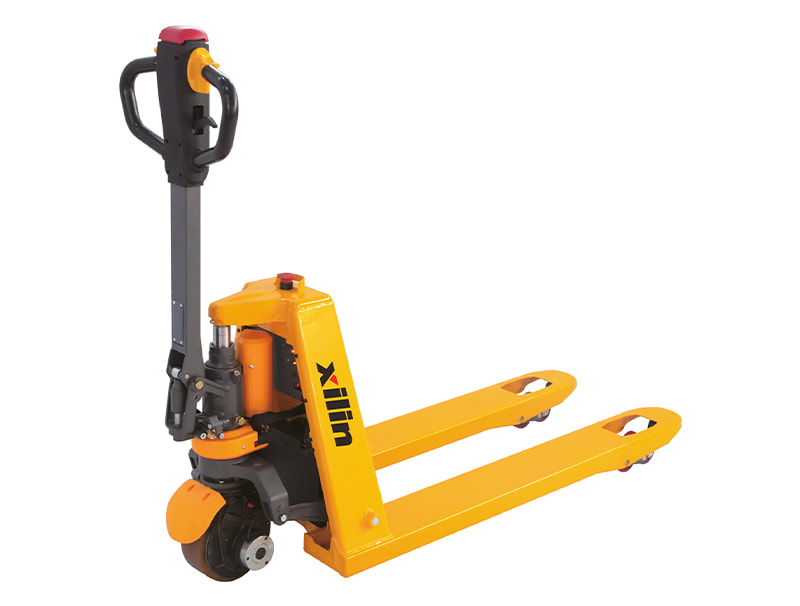
| Walkie pallet truck | Horizontal moves in tight areas | No fixed posture; operator moves freely | Distance covered on foot; step up to a ride-on model on long runs |
| Order picker | Case and item picking from low or high racks | Platform keeps the picker level with the pick face | Repetitive reaching and stepping; guard arms and lift limits matter |
| Very narrow aisle man-up | Dense storage in narrow aisles | Operator rises with the load and works level with the racking | Confined cab space; harness fit and platform layout are critical |
Matching Truck Types to Ergonomic Priorities
Ningbo Ruyi Joint Stock Co., Ltd., whose equipment is sold under the XILIN name, has been manufacturing material handling equipment since 1985, and its range covers the configurations that matter most for operator strain: counterbalance electric forklifts, reach trucks, order pickers, pallet trucks and tow tractors, with a lithium-powered series running across most of those families.
For work with many short cycles and frequent dismounts, a stand-up counterbalance truck keeps the operator close to the load and cuts entry and exit to seconds. The trade-off is static standing load, which is why the floor mat, hip rest and steering column angle deserve more scrutiny during the demo than the paint finish.
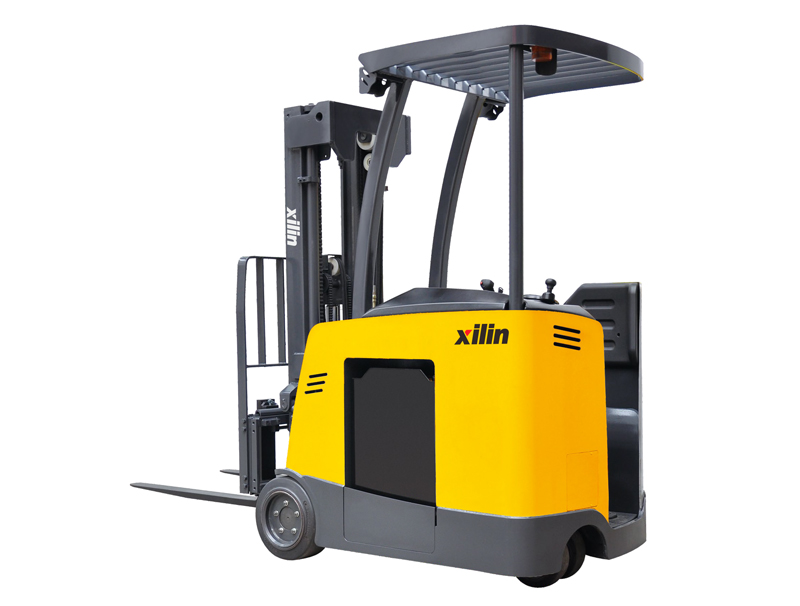 CPD20SR Stand-Up Counterbalance Forklift for Narrow AislesElectric stand-up truck with 1,600/1,800 kg capacities, compact turning radius and adjustable operator support for frequent entry, exit and tight container work.View Product →
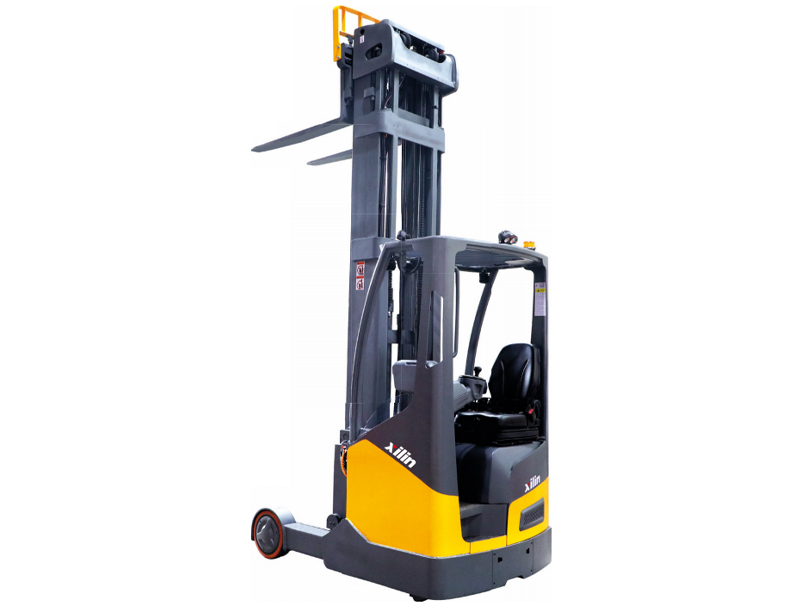
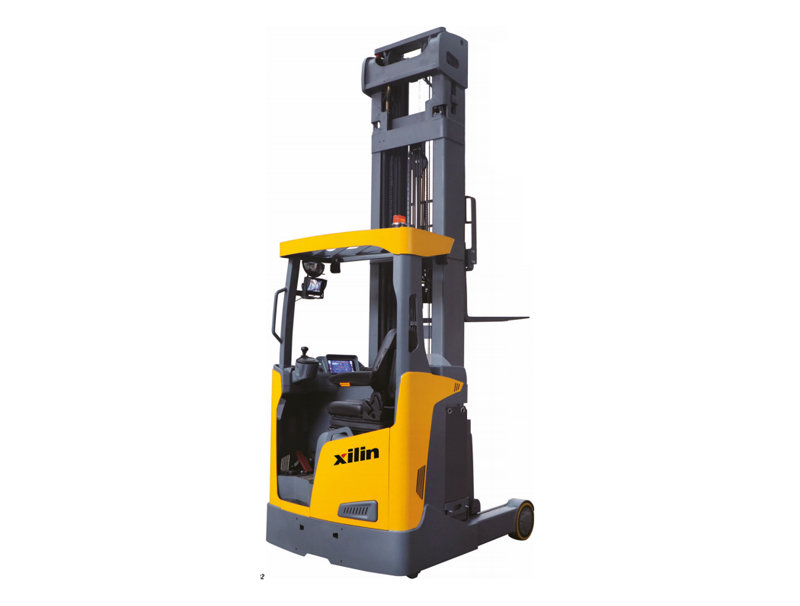
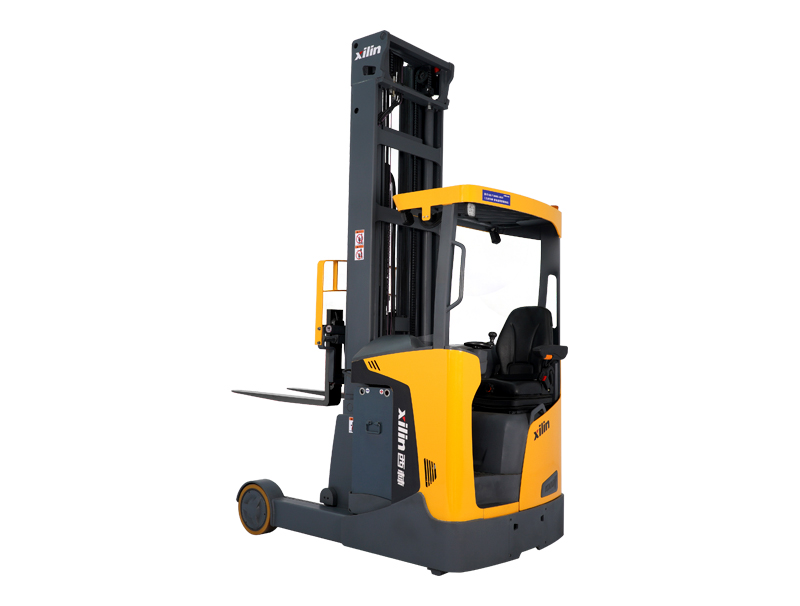
In narrow aisles the question changes, because the operator now spends the shift looking up and reaching forward. A stand-on reach truck with controls close to the body, a low front cowl and a camera or mirror arrangement that removes the need to lean out of the compartment will do more for sustained output than a larger battery.
 CQD15L Electric Stand-On Reach Truck for Narrow AislesStanding reach truck with 1,500 kg capacity, 1,700 mm turning radius and multiple mast heights for narrow-aisle handling and sustained forward reaching.View Product →
Order Picking: Where Repetition Beats Weight
Picking is the operation where repetition outweighs load as a risk factor. Someone lifting two kilograms four hundred times a shift accumulates more shoulder and wrist load than someone moving a heavy pallet twice an hour. Platform height, guard arm position and step depth decide whether that repetition stays tolerable, and a high level picker that lifts the operator to the pick face removes the ladder-like reaching that causes most complaints in multi-level racking.
 OPS15 Electric High Level Order Picker for High-Rack PickingOrder picker with up to 11,000 mm lift height, 1,500 kg capacity and joystick control, suited to repeated picking at multi-level rack faces.View Product →
A Procurement Checklist You Can Run in a Demo
- Time the reach. Sit or stand in the compartment and notice where the hand falls on the hydraulic levers without leaning. Any forward shoulder movement will be paid for several hundred times a shift.
- Check the sight line under load. Ask for a demonstration with a loaded pallet at mid-mast, not an empty fork at floor level.
- Measure the aisle against the published right-angle stacking figure, then add margin for load overhang and for the space an operator needs to see the fork tip.
- Read the capacity plate at the height you actually work at. Rated capacity is quoted at a stated load centre, commonly 600 mm; longer loads, attachments and higher lifts reduce it, and a truck run at its limit is a truck handled roughly.
- Run the shift, not the lap. Book a half-day trial across the two busiest hours with the operators who will use the truck, and log complaints about neck, lower back, knees and wrists.
- Confirm the service and parts route, because a truck waiting three weeks for a hydraulic hose is a truck whose ergonomics nobody is enjoying.
Buyers comparing power source, battery strategy and charging logistics alongside posture can start with these factors to consider before choosing an electric forklift, then confirm the posture details on the truck itself. Stability ratings and capacity plates reflect standards such as ISO 3691-1, and the operator's own seating position is the last item on the list that a standard cannot measure for you.
Ergonomics After Delivery
Good design decays. Flat-spotted casters, worn polyurethane wheels, loose seat mounts and tired bushings reintroduce the vibration and noise the original layout removed, and a damaged floor joint does the same for every truck that crosses it. A quarterly check of wheels, seat hardware and hydraulic response costs far less than the shoulder complaints that follow a worn set of casters.
Power choice plays a part as well. Lithium-powered trucks hold steadier voltage through the shift, so hydraulic response and travel speed do not fade in the final hour, and the truck behaves the way the operator learned to expect at the start of the day. None of this replaces training: seat belts, aisle speed limits and pre-shift checks remain the first line of defence, and no control layout compensates for a habit of cornering too fast with a raised load.
Judge an ergonomic forklift by what the operator does at hour seven: where the hands fall, where the eyes go, and whether the body still wants to turn and check the load. Get those three answers right at specification stage, with a loaded demo and the real operators in the seat, and throughput, damage and turnover figures tend to improve without a separate programme to chase them.