 英语
 西班牙语
 德语
 法语
 俄语

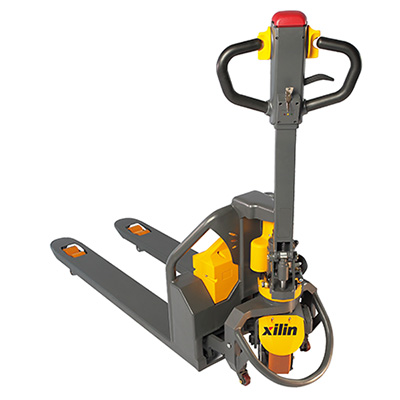 Electric Pallet Truck
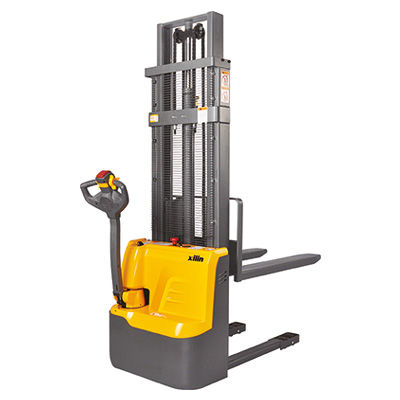 Electric Stacker
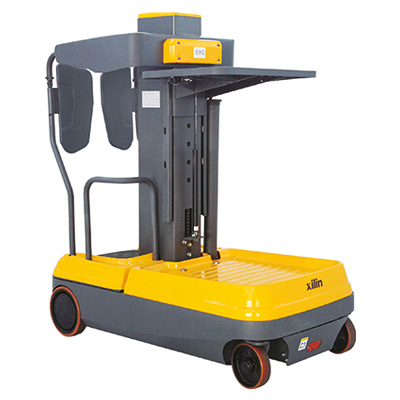 Order Picker
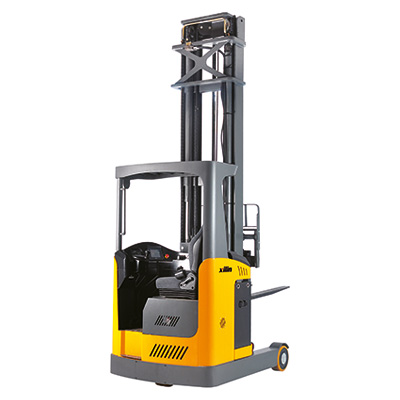 Narrow Aisle Truck
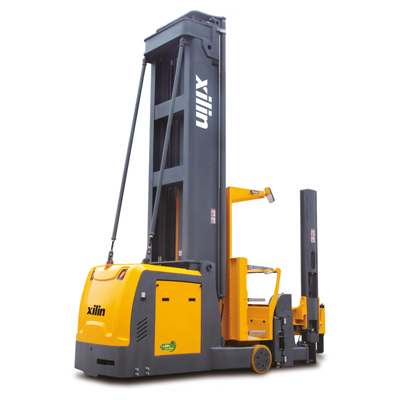 VNA Tri-Lateral Stacker
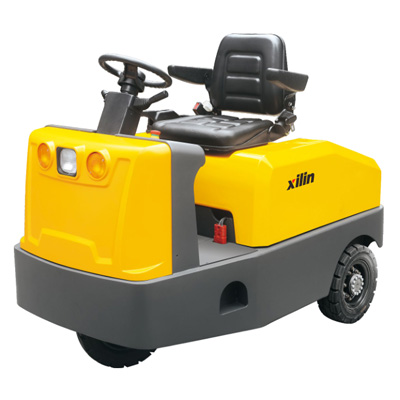 Tow Tractor
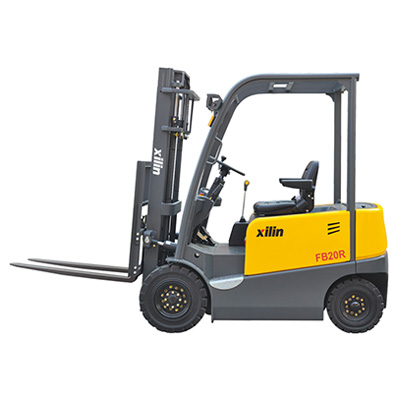 Electric Forklift
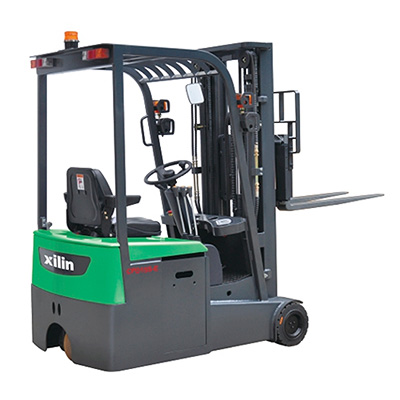 Lithium-ion Truck
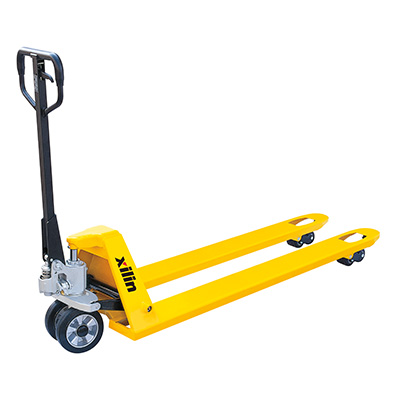 Hand Pallet Truck
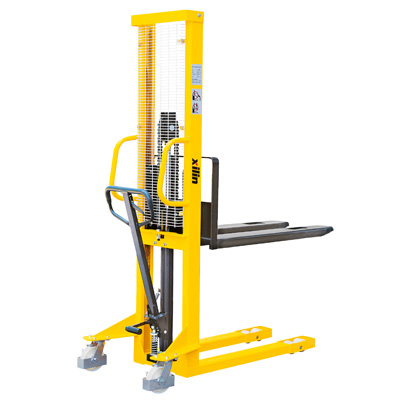 Manual Stacker
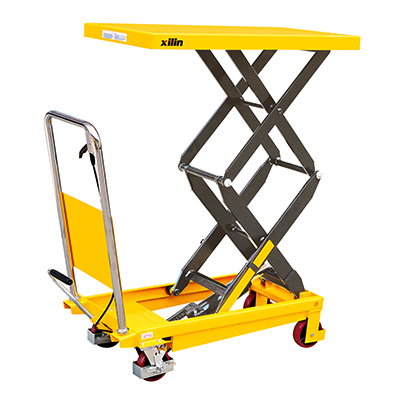 Lift Table

Content
A distribution centre moving 40 pallets an hour rarely fails because its trucks are slow. It fails because a walkie pallet truck is doing a reach truck's job, or because a machine rated at 1,500 kg is being asked to lift a 1,600 kg stillage to 4 metres. Electric material handlers are chosen by the movement they perform, not by the label on the brochure.
The practical rule is simple. Define the load, the lift height, the aisle width and the duty cycle first, then pick the machine category, and only then compare power sources and suppliers. Reversing that order is how warehouses end up with equipment that is either over-specified and idle, or under-specified and unsafe.
What the Category Actually Covers
Electric material handlers is a broad umbrella term. In practice it covers four families of work, and most warehouses need two or three of them rather than one.
- Horizontal transport: pallet trucks that move loads on the floor over short and medium distances.
- Stacking and lifting: stackers and reach trucks that place loads into racking at height.
- Picking: order pickers that lift an operator, not just a pallet.
- Towing and positioning: tow tractors, platform trucks and lift tables that feed lines or bridge height differences.
Within each family, the variations matter more than the family name. A stand-on pallet truck and a walkie pallet truck share a chassis concept but differ in how much operator fatigue builds over a shift. A full-electric stacker and a semi-electric stacker differ in who supplies the lifting force, which changes both cycle time and physical effort. The full range of electric warehouse equipment is organised along these lines, which makes like-for-like comparison easier.
Match the Machine to the Movement
Horizontal transport on the floor
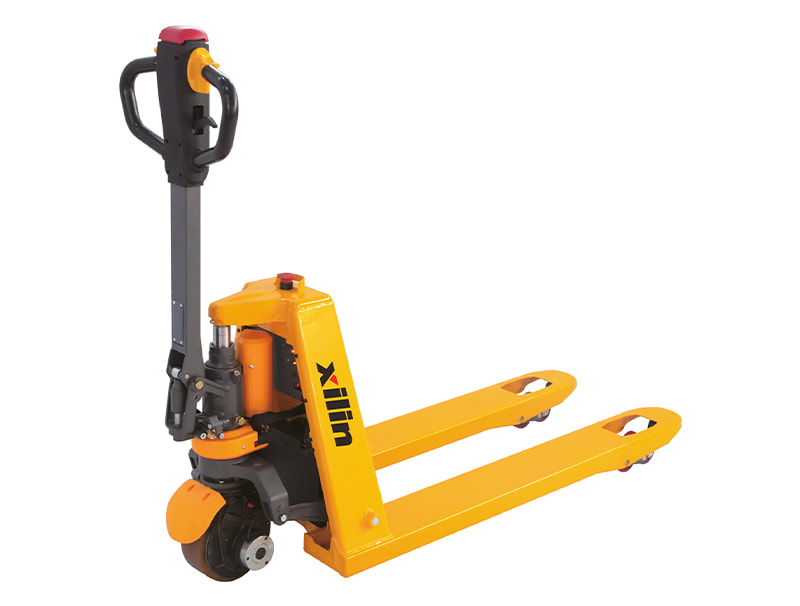
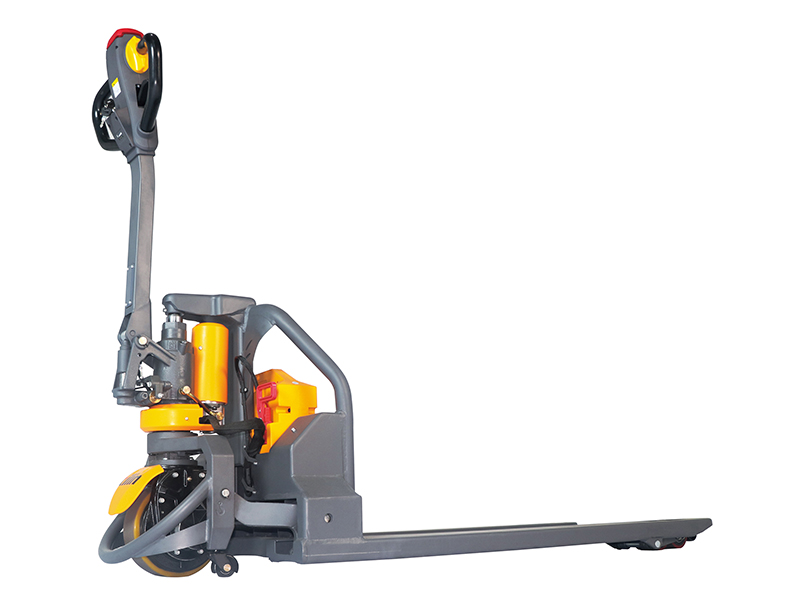
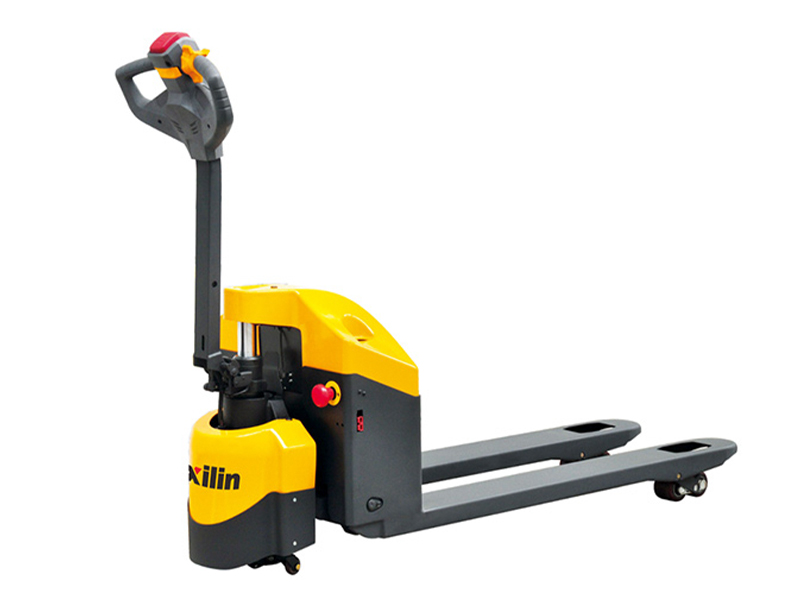
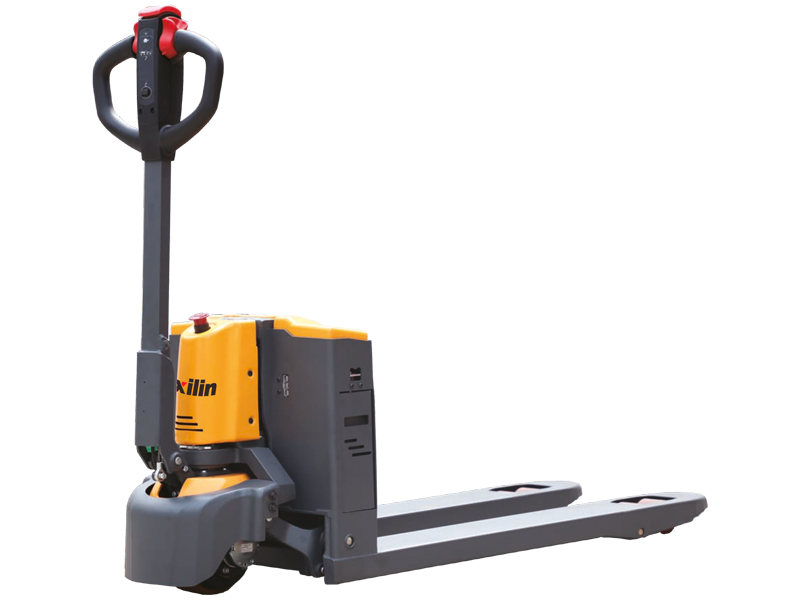
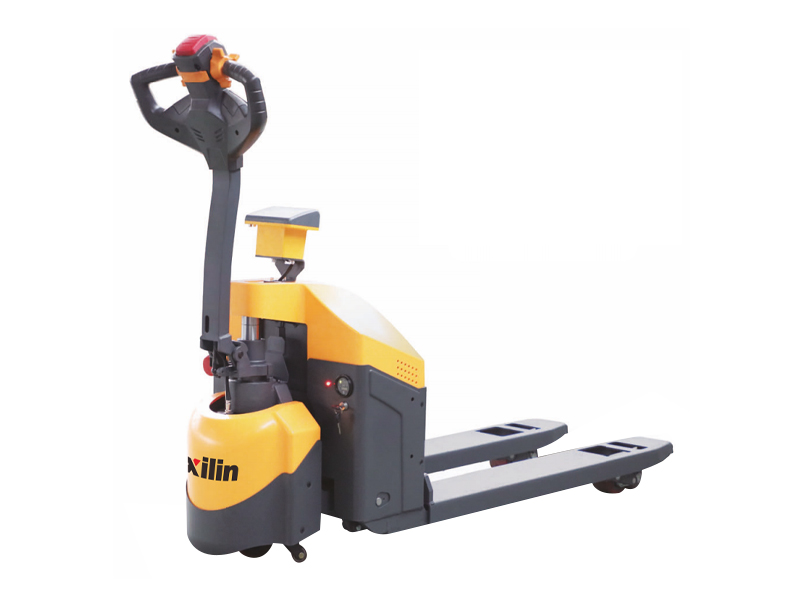
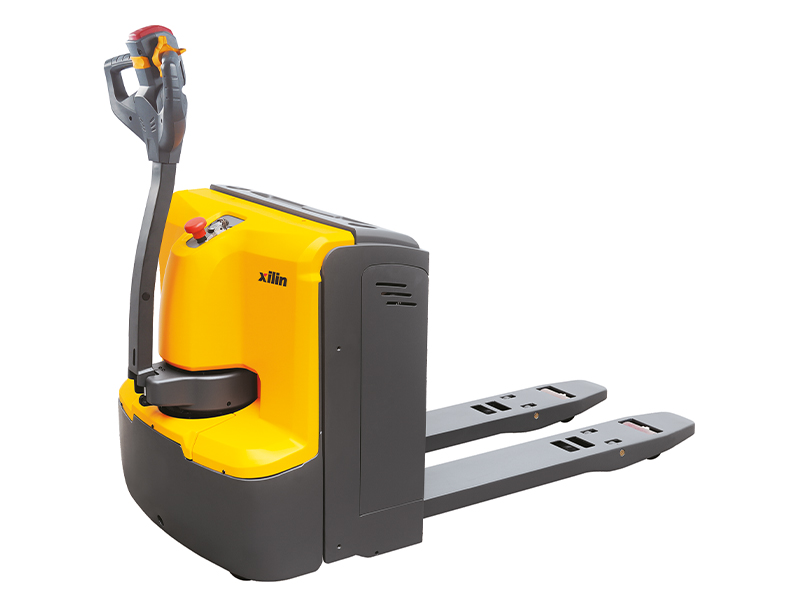
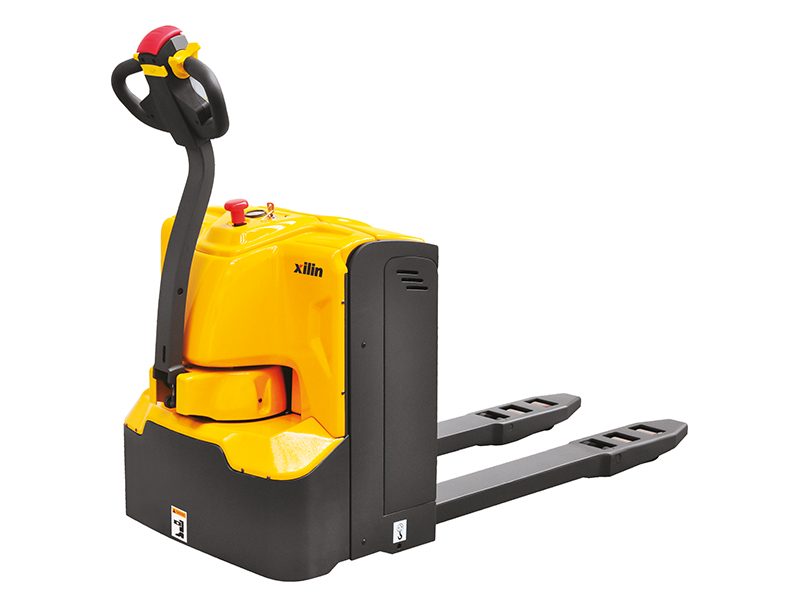
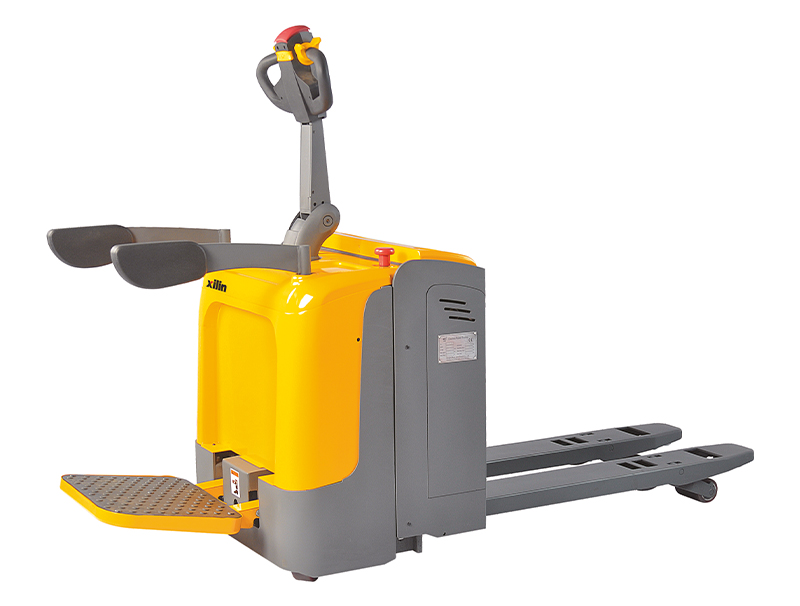
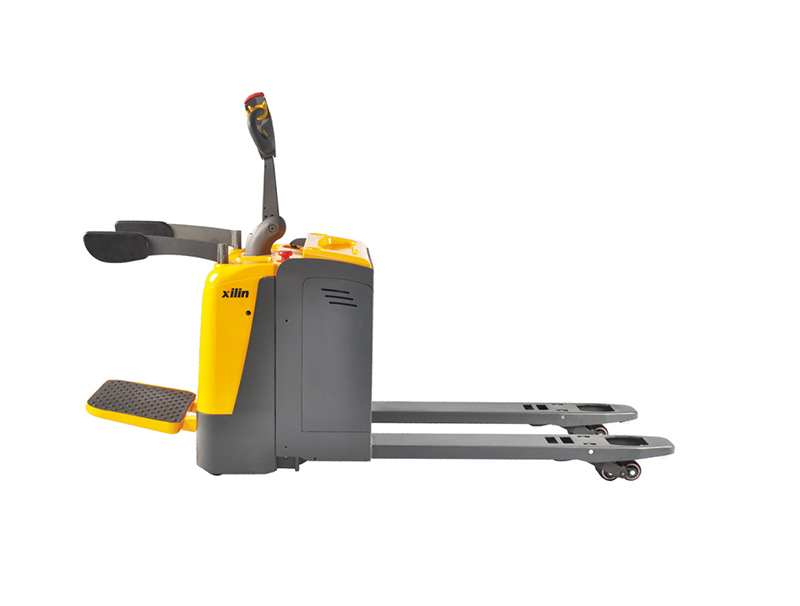
For loads up to roughly 2,000 kg moved on level floors over distances of 20 to 150 metres, an electric pallet truck is usually the lowest-cost option per pallet moved. The decision point is the operator's travel pattern. Walkie units suit short, intermittent moves where the operator steps off frequently. Stand-on and ride-on units suit longer runs, where walking eight to ten kilometres a shift becomes a safety issue as well as a productivity one.
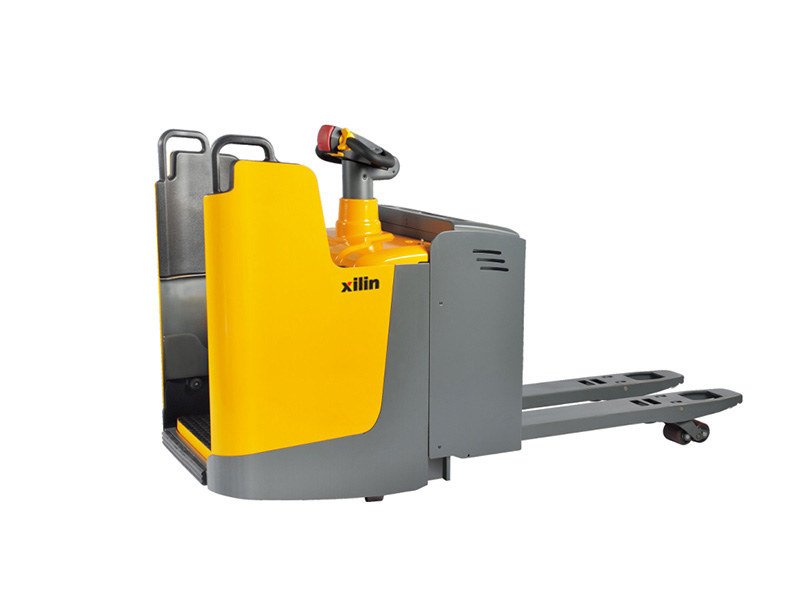 Electric Stand-on Pallet Truck for Long-Distance TransportA 2,000 kg stand-on electric truck with fixed platform and safety power switch, suited to longer runs where walking becomes a safety and productivity issue.View Product →
Check fork length against the actual pallet, not the nominal one. A 1,150 mm fork under a 1,200 mm pallet is a handling risk on every turn, and it shows up as damaged goods rather than as a specification error.
Stacking and lifting to height
Once a load must enter racking, the questions change to lift height, residual capacity and stability. It is common for a stacker rated at 1,600 kg to carry only 800 kg at 4,500 mm, and that derating is where most overloading incidents begin. Semi-electric stackers cover occasional lifting where volume does not justify a full-electric unit. Full-electric walkie and rider stackers cover repetitive cycles, while straddle-leg and initial-lift designs handle closed pallets and low-clearance loads.
Picking and towing
Order picking adds a second variable: the operator is part of the payload. Low-level pickers keep the operator near the ground for fast, high-line-count picking. High-level units lift the platform so a picker can work the third and fourth racking levels without a ladder. For towing, the limit is rarely the tractor's rated pull. It is the total train weight, braking on ramps and the number of trailers the route allows.
Category Comparison at a Glance
| Handler type | Typical capacity | Typical lift height | Best suited to |
|---|---|---|---|
| Electric pallet truck | 1,200 to 3,000 kg | Up to 0.2 m | Floor-level transport, docks, trailer loading |
| Electric stacker | 1,000 to 2,000 kg | 1.6 to 5.5 m | Single-deep racking, low to medium throughput |
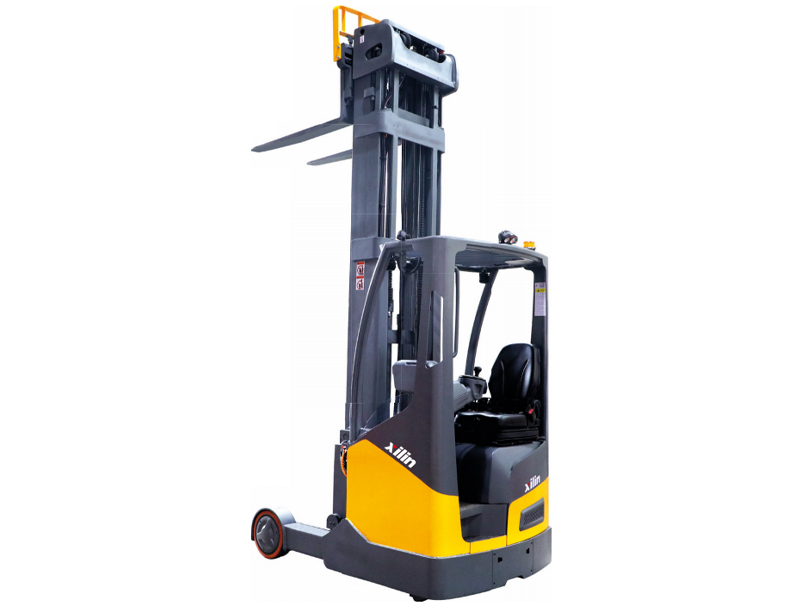
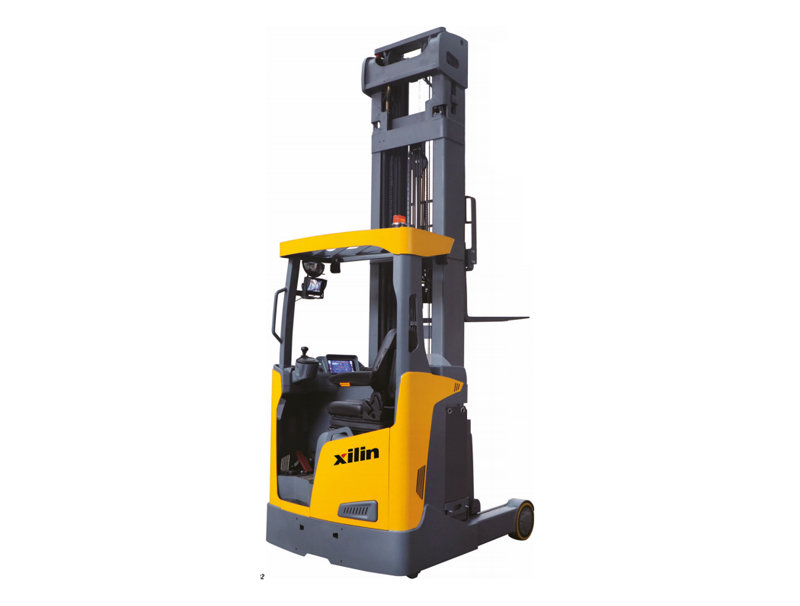
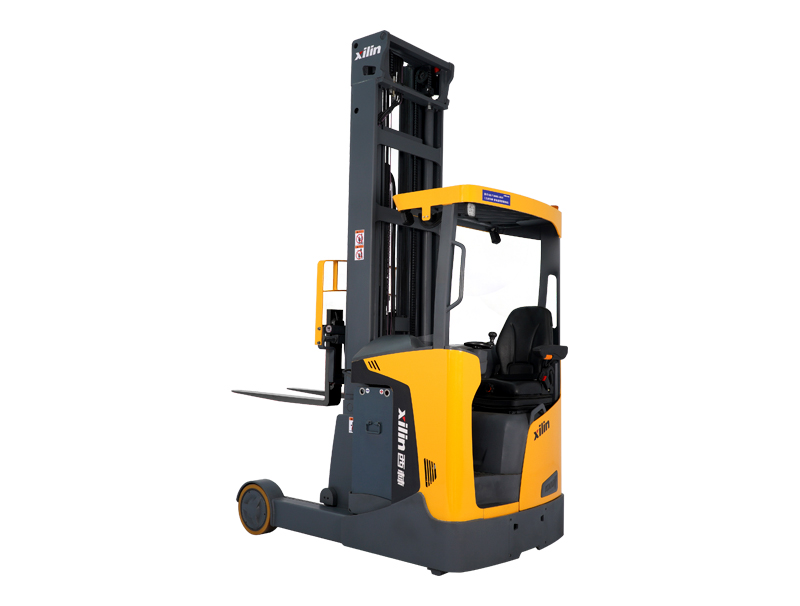
| Reach truck | 1,000 to 2,500 kg | Up to 12 m | Aisles from about 2.7 m, high racking |
| Very narrow aisle truck | 1,000 to 1,500 kg | Up to 15 m | Aisles under 2 m, high-density storage |
| Order picker | 200 to 1,000 kg | Up to 12 m | Case and item picking at height |
| Tow tractor | 2,000 to 8,000 kg pull | Not applicable | Line feeding, trailer trains, cross-docking |
The table is a filter, not a specification. Two warehouses with identical racking can need different trucks because one runs six hours a day and the other runs twenty.
Power Source: Where Lithium Changes the Maths
Lead-acid remains cost-effective for single-shift operations with a dedicated charging room, ventilation and a battery-change routine. Lithium-ion becomes the better financial choice when the truck runs more than one shift, when the facility cannot spare space for a charging room, when opportunity charging during breaks is needed, or when watering and equalising batteries is a real labour constraint.
Two numbers usually decide it: energy cost per operating hour, and total cost of ownership over five years including battery replacement, ventilation and pack swapping. Lithium packs cost more up front and generally need less of that supporting spend. Either way, the charger must match the battery, and the truck must be specified for the pack it will actually run, because a heavier pack changes weight distribution and therefore stability.
Narrow Aisles and Dense Storage
Aisle width is fixed by the building long before the truck is ordered. Reach trucks work in aisles from roughly 2.7 m and lift to around 12 m, which covers most single-deep and double-deep racking. Below that, very narrow aisle trucks take over, with man-down units for ground-level work and man-up units where the operator rides the platform to the pick face.
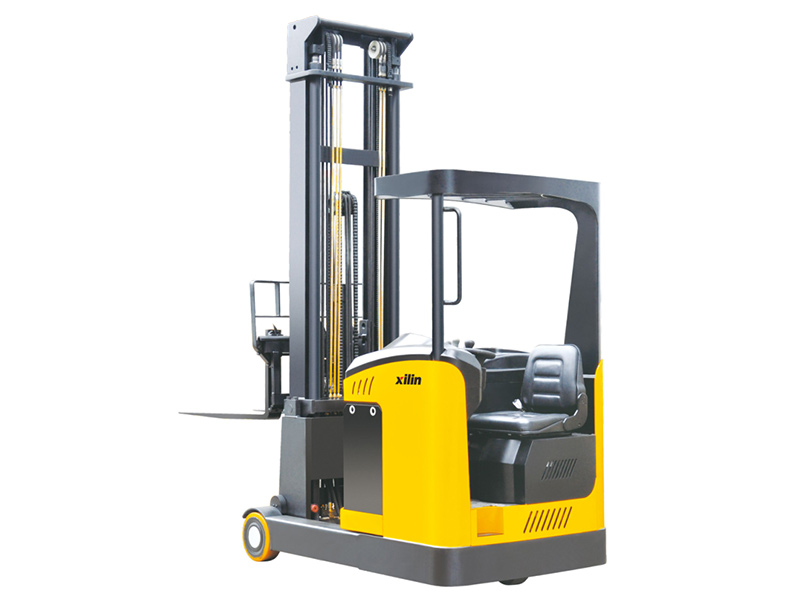 Electric Reach Truck for High-Reach Narrow-Aisle HandlingA 1,500 kg seated reach truck with up to 8,000 mm lift and compact cabin, suited to high-reach racking in aisles around 2.9 m.View Product →
The trade-off is throughput. Narrower aisles mean more storage positions per square metre but slower travel, so the aisle decision should be made against the order profile, not just the rent. Operations with high lines per hour often cannot afford the tightest aisle a building could technically support.
Procurement Checks That Prevent Costly Mistakes
- Load and load centre: weigh a representative pallet, not the nominal one, and record the load centre. A 1,200 mm load centre reduces capacity sharply on most trucks.
- Residual capacity at height: ask for the capacity chart, not the headline rating.
- Aisle, door and lift dimensions: measure the tightest point on the route, including door frames, ramps and turning circles.
- Floor condition and gradient: ramps above roughly 5 percent change braking, traction and battery drain.
- Duty cycle: hours per shift, lifts per hour and travel distance determine battery size and whether one truck is enough.
- Safety and compliance: check emergency braking, anti-rollover protection, speed limiting in pedestrian areas and any local standard that applies to the site.
- Service and spares: confirm parts lead time and local technician availability, because a two-week wait for a controller is a two-week wait for throughput.
Keeping the Fleet Productive
Most electric handlers fail from small causes rather than major ones, and a short daily check catches the majority of them.
- Inspect forks, wheels and load backrest for cracks or deformation before the first shift.
- Check hydraulic oil level and look for leaks around the pump and cylinder seals.
- Test the emergency stop, horn and brake on every machine, every shift.
- Record every fault, even minor ones, so patterns appear before a breakdown does.
Operator training belongs to maintenance, not to a separate budget line. A driver who understands residual capacity and load centre will avoid the overload that shortens mast and chain life. For more background on where the technology is heading, this article on electric pallet trucks and sustainable intralogistics is a useful starting point.
Specifying electric material handlers well is mostly a discipline of sequencing: movement first, then capacity and height, then aisle and duty cycle, then power source, then supplier. Warehouses that follow that order get machines that are working every hour of the shift. Warehouses that start with a brand or a price usually discover the mismatch in the first month of operation, when the pallets are already in the racking and the aisle cannot be widened.
A useful next step is to write down the five heaviest and five most frequent moves on your site, with distances and lift heights, and compare them against the capacity charts of the categories above. That single page will tell you more than any general recommendation.