 英语
 西班牙语
 德语
 法语
 俄语

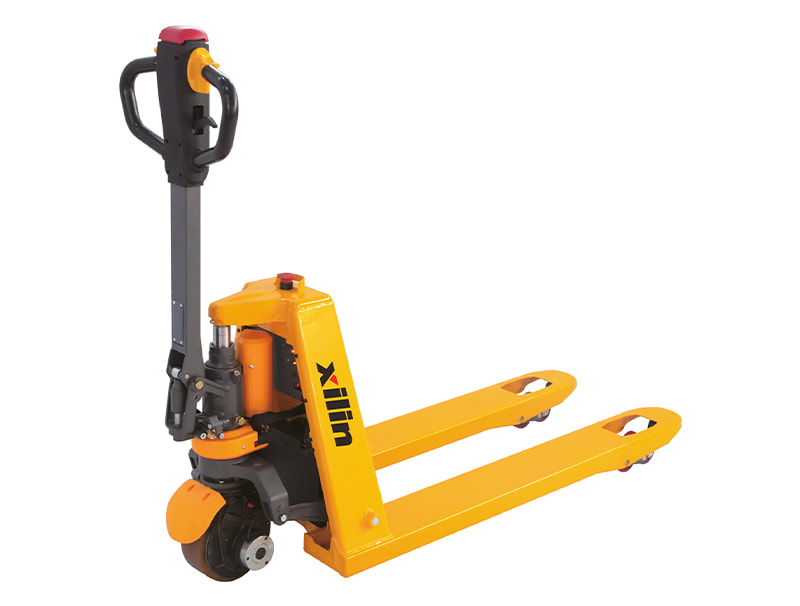
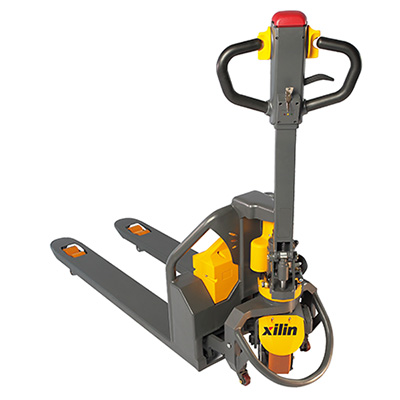 Electric Pallet Truck
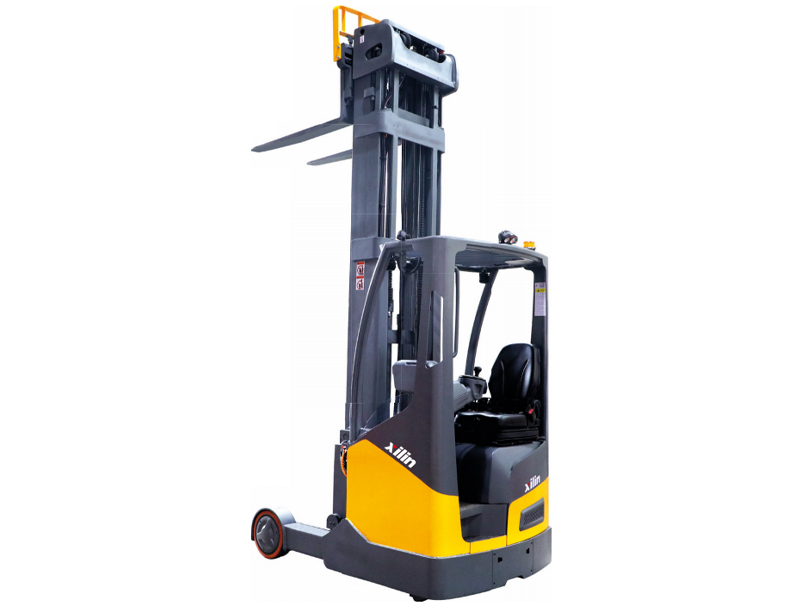
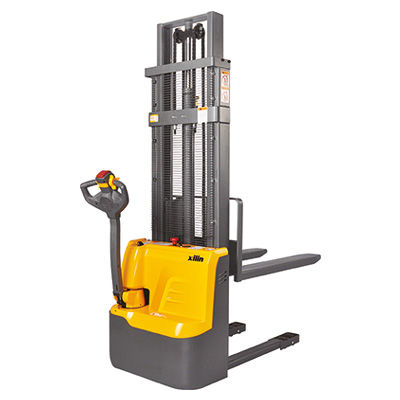 Electric Stacker
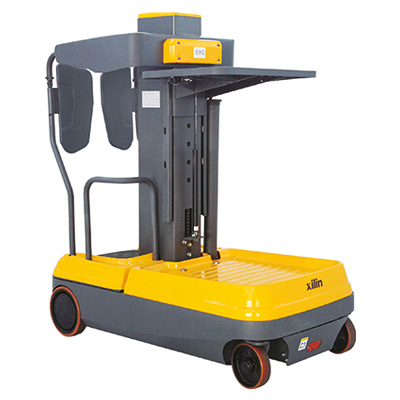 Order Picker
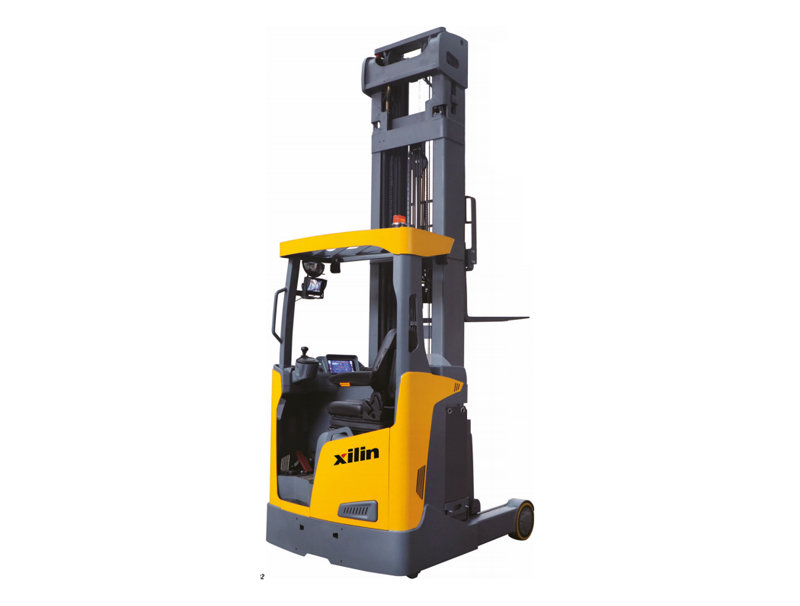
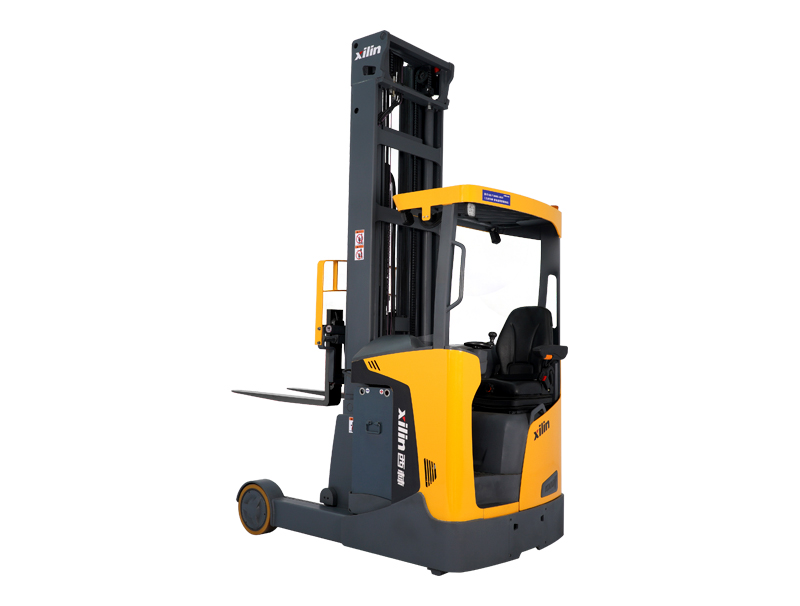
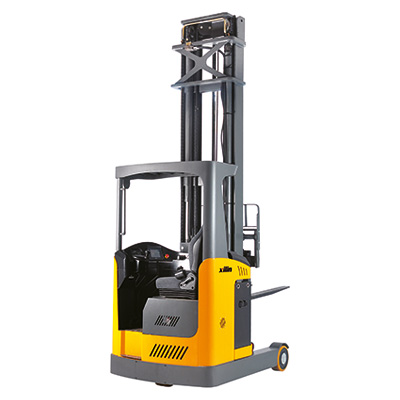 Narrow Aisle Truck
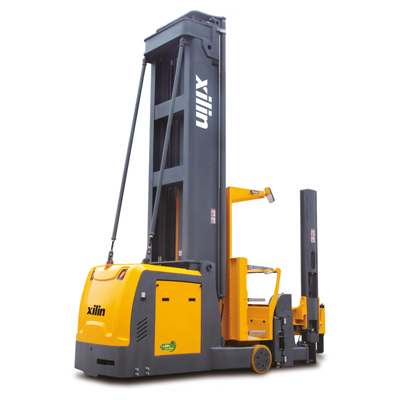 VNA Tri-Lateral Stacker
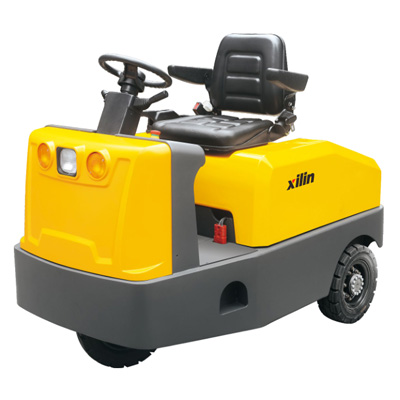 Tow Tractor
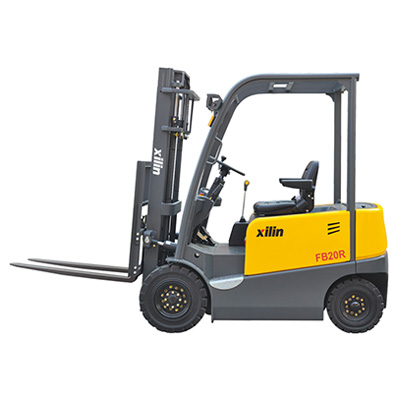 Electric Forklift
 Lithium-ion Truck
 Hand Pallet Truck
 Manual Stacker
 Lift Table

Content
- 1 Start With the Duty Cycle, Not the Fuel Type
- 2 Power and Torque: Where Diesel Still Has an Edge
- 3 Purchase Price and Total Cost of Ownership
- 4 Indoor Air Quality, Noise and Compliance
- 5 Refuelling, Charging and Uptime
- 6 Maintenance Reality Over a Five-Year Cycle
- 7 When Diesel Is the Right Call
- 8 When Electric Is the Right Call
- 9 A Practical Selection Checklist
A 3,000 square metre distribution centre, a paved loading dock on one side, a gravel storage yard on the other. The warehouse manager has budget for two counterbalance trucks and needs both areas covered. The question on the table is familiar: electric forklift or diesel forklift?
The conclusion first. If the truck works on concrete, indoors, moving pallets in a repeating pattern, electric is the better investment on running cost, air quality and noise. If it works outdoors on uneven ground, climbs ramps with heavy loads, runs several shifts with no window for charging and needs maximum capacity at a long load centre, diesel is still the right tool. Everything else is a matter of degree, and the degree is set by duty cycle rather than fuel preference.
Start With the Duty Cycle, Not the Fuel Type
Fuel type is an outcome, not a starting point. Five variables decide it: where the truck operates, how heavy the loads are, how high it lifts, how long each shift runs, and whether the site has the electrical capacity and space to charge.
Answer those honestly and the choice usually makes itself. The table below summarises how the two types typically compare.
| Factor | Electric | Diesel |
|---|---|---|
| Purchase price | Higher up front, especially with lithium-ion | Lower up front for comparable capacity |
| Energy cost per hour | Usually lower, often 40 to 60 percent below diesel | Higher and exposed to fuel price swings |
| Emissions at point of use | Zero tailpipe emissions | Carbon monoxide, nitrogen oxides, particulates |
| Noise at the operator ear | Typically 60 to 70 dB(A) | Typically 80 to 90 dB(A) |
| Indoor suitability | Excellent | Generally restricted without strong ventilation |
| Outdoor and rough terrain | Limited by ground clearance and tyre type | Designed for it |
| Typical capacity range | Up to around 3.5 t in counterbalance format | Commonly 3 t to 10 t and above |
| Refuelling or charging | Battery change or opportunity charging | Refuel in minutes |
| Scheduled maintenance | Fewer wear items | Engine, filters, belts, coolant, aftertreatment |
| Best fit | Warehouses, food, pharma, cold stores, multi-shift with lithium-ion | Yards, ports, timber, concrete, heavy outdoor work |
Two caveats. The word typical hides a wide spread, because a 2 t truck in a food plant is a different animal from a 2 t truck in a timber yard. And the comparison covers counterbalance trucks; warehouse equipment such as reach trucks and powered pallet trucks is almost exclusively electric for reasons that have nothing to do with fuel.
Power and Torque: Where Diesel Still Has an Edge
Diesel engines deliver torque from low engine speed and hold it as the load builds. On a dock ramp with a 2.5 t load, that shows up as steady pulling force and no loss of pace at the top. Diesel trucks also carry heavier counterweights and longer wheelbases, which is why the high-capacity end of the market above 5 t remains dominated by diesel and LPG.
Electric trucks produce full torque from zero rpm, giving smoother inching and more precise placement at racking level. Performance softens as the battery discharges, and the fixed weight of the battery pack constrains the counterbalance design. A well specified electric truck matches diesel for most indoor work up to around 3.5 t; it does not match it on a muddy yard with a long load centre.
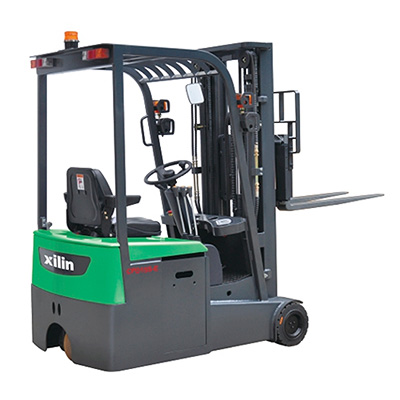
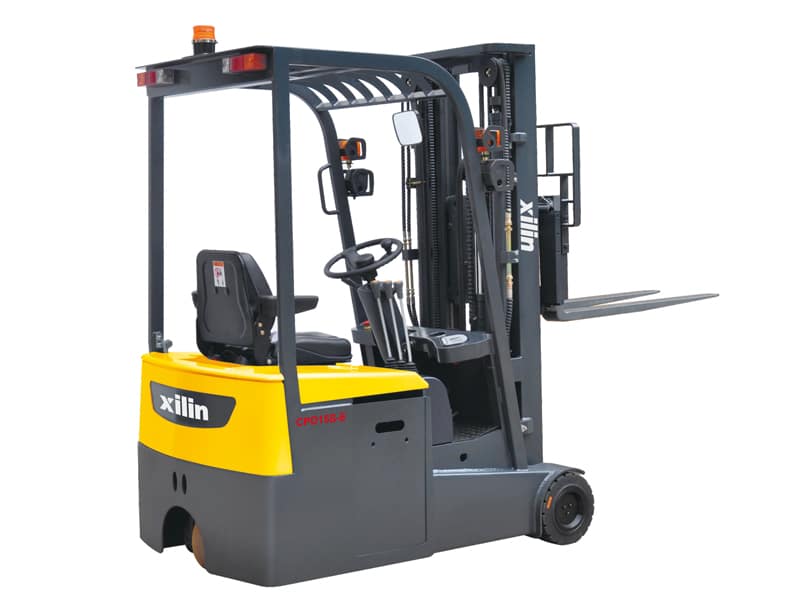 Ningbo Ruyi CPD10S-E/CPD15S-E Three-Wheel Electric ForkliftsA compact three-wheel electric counterbalance series with 1,000–1,500 kg capacities and a tight turning radius, suited to aisle and chilled-store work.View Product →
Three-wheel electric counterbalance trucks are a good illustration of where electric takes over. Their tight turning circle suits aisle work, and the absence of an exhaust means they can be used in chilled and frozen areas with the right specification.
Purchase Price and Total Cost of Ownership
The sticker price favours diesel. For comparable capacity, a diesel counterbalance truck typically costs 15 to 30 percent less than an electric equivalent, and the gap widens once a spare battery and charger are added to a lead-acid specification.
Running cost reverses the picture. Electricity per kilowatt hour is usually cheaper than diesel per litre for the same work, and operators commonly report energy costs 40 to 60 percent lower, depending on local tariffs. Add lower scheduled maintenance and the payback period on an electric truck often falls between two and four years in single-shift operation. The reasoning behind that figure is set out in this look at the advantages of electric forklifts.
The battery is the line item people miss. A lead-acid pack lasts roughly five to seven years and costs a significant share of the truck price to replace, plus watering, equalising charges and a ventilated charging room. Lithium-ion costs more up front, tolerates opportunity charging without damage and generally lasts longer, which changes the arithmetic on multi-shift sites.
Indoor Air Quality, Noise and Compliance
Diesel exhaust contains carbon monoxide, nitrogen oxides and particulate matter. That is why internal combustion trucks are restricted or banned indoors in many jurisdictions and effectively excluded from food, pharmaceutical and cold chain operations. Ventilation can make diesel work indoors, but it is an engineering project rather than a purchase decision.
Noise is the second constraint. Diesel trucks commonly run at 80 to 90 dB(A) at the operator ear, while electric trucks sit closer to 60 to 70 dB(A). Where staff work alongside trucks all day, that difference affects communication, fatigue and the hearing protection regime you have to enforce.
Refuelling, Charging and Uptime
Diesel wins the five-minute comparison. One refuel covers a full shift, and a spare can covers an emergency. Electric uptime depends entirely on how the battery is managed.
Lead-acid needs roughly eight hours of charging plus a cooling period before the next shift, which usually means a spare battery and a change bay for two-shift operations. Lithium-ion changes the model: a full charge takes one to two hours, and the battery can be topped up during breaks without shortening its life. That is the main reason lithium-ion has moved from niche to default on high-throughput sites.
 CPD15S-E Lithium-Ion Counterbalanced Electric ForkliftA 1,500 kg lithium-ion counterbalance truck with a 2.5–5.6 m lift range, relevant where charging between shifts is being assessed.View Product →
For operations running two or three shifts, the practical question is whether the truck can be charged during natural breaks. If it can, a lithium-ion truck stays in service almost continuously. If it cannot, either a battery change system or a diesel truck is required.
Maintenance Reality Over a Five-Year Cycle
An electric truck has fewer wear parts: no engine oil, oil filter, fuel filter, belts, coolant, exhaust aftertreatment or particulate filter regeneration. Scheduled service concentrates on hydraulics, brakes, tyres, contactors and battery care.
A diesel truck needs all of those engine items plus their consumables. Sites report electric scheduled maintenance running roughly 30 to 50 percent below diesel for comparable hours. Unscheduled downtime is less predictable: diesel trucks tend to fail on fuel and cooling components, electric trucks on battery, controller and motor issues. Neither is free, but electric failures are usually less frequent and more expensive per event.
When Diesel Is the Right Call
- Outdoor yards with gravel, mud or uneven surfaces.
- Ramps and gradients where sustained pulling force matters.
- Capacities above roughly 5 t and long load centres.
- Attachment-heavy work such as bale clamps and coil rams.
- Sites with no practical electrical supply for charging.
- Continuous multi-shift operation with no charging window.
When Electric Is the Right Call
- Indoor warehouses on sealed floors.
- Food, beverage and pharmaceutical sites with hygiene rules.
- Cold stores and freezers, with a cold specification battery and hydraulics.
- Noise-sensitive areas such as retail back-of-house or night operations.
- High-throughput sites where lithium-ion opportunity charging keeps trucks in service.
- Operations with carbon reporting obligations or local emissions targets.
The range of electric counterbalance and warehouse trucks available today covers capacities and lift heights that would have required diesel a decade ago. Reviewing the electric forklift range against your duty cycle is a sensible first step before ruling electric out on capacity grounds.
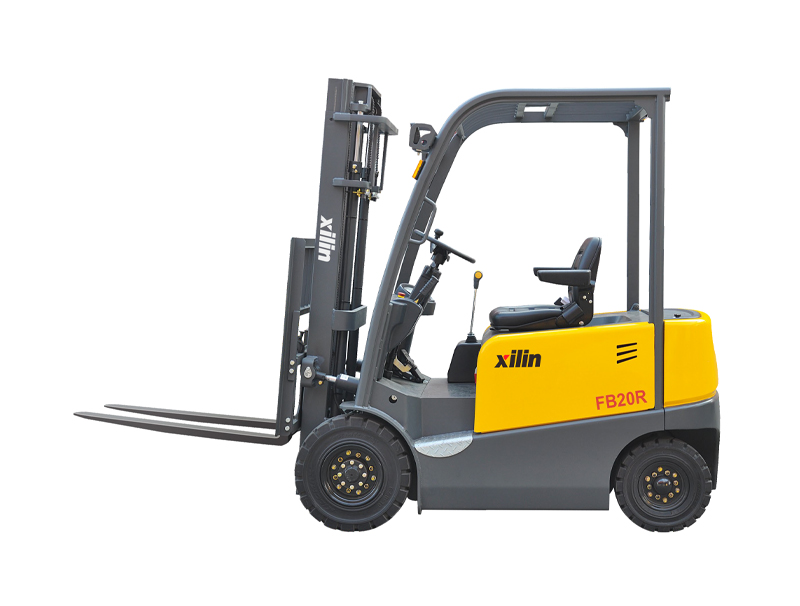 FB16R–FB35R Electric Counterbalance Forklift RangeA 1,600–3,500 kg electric counterbalance series with lift heights up to 6,500 mm, useful for reviewing electric capacity against indoor duty cycles.View Product →
A Practical Selection Checklist
- Measure the real loads, including attachments and load centre.
- Walk the routes and note floor condition, gradients and aisle widths.
- Log shift length, number of shifts and any available charging window.
- Check the electrical supply and where a charger or battery bay could go.
- Confirm local emissions and ventilation rules for indoor operation.
- Model total cost of ownership over five years, including battery replacement.
- Ask for a demonstration on your own site with your own loads.
Neither truck is universally better, and anyone who says otherwise is selling something specific. The decision hinges on where the truck works, how heavy the loads are, how many hours it runs and whether the site can charge it. Put those four answers on paper and the comparison becomes straightforward. For most indoor operations up to around 3.5 t, electric now wins on cost of ownership. For outdoor, heavy and continuous work, diesel remains the practical choice.