 英语
 西班牙语
 德语
 法语
 俄语

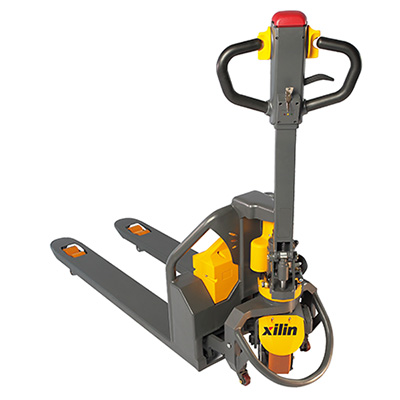 Electric Pallet Truck
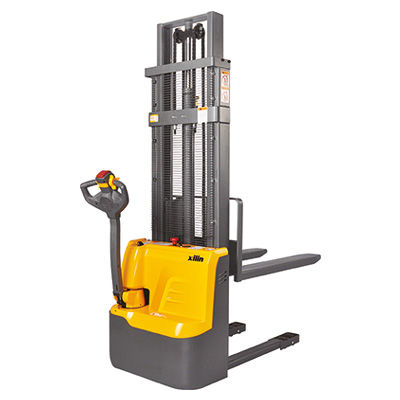 Electric Stacker
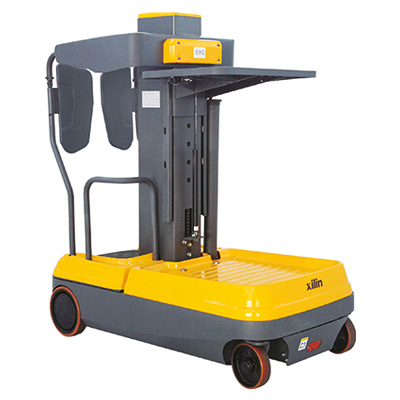 Order Picker
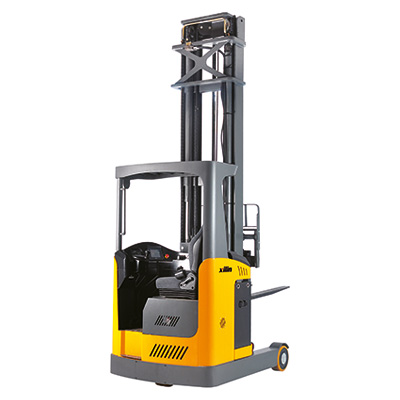 Narrow Aisle Truck
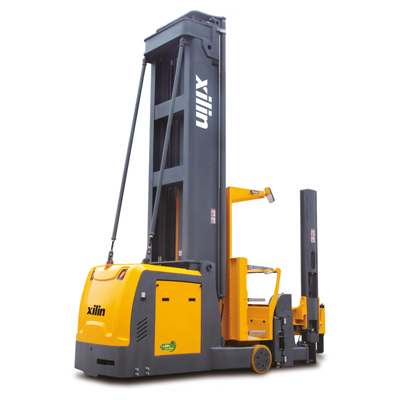 VNA Tri-Lateral Stacker
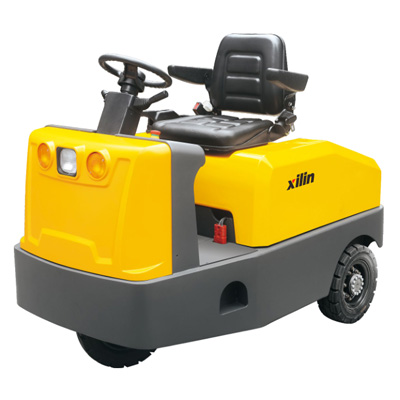 Tow Tractor
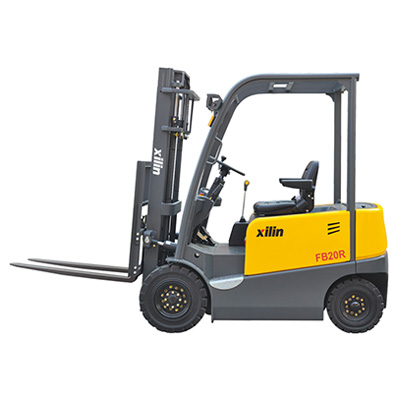 Electric Forklift
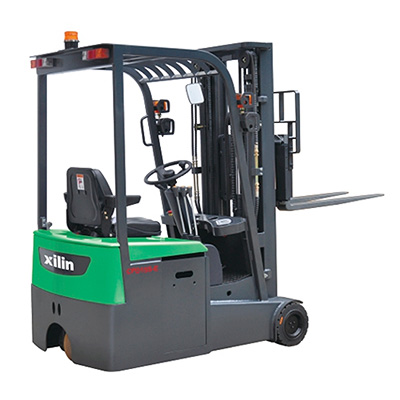 Lithium-ion Truck
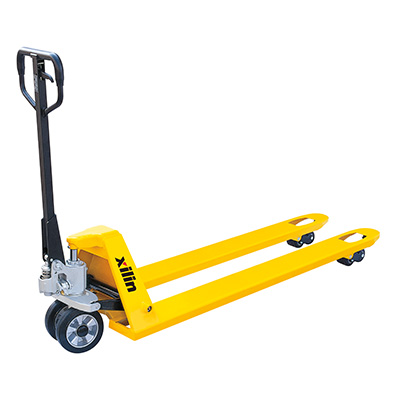 Hand Pallet Truck
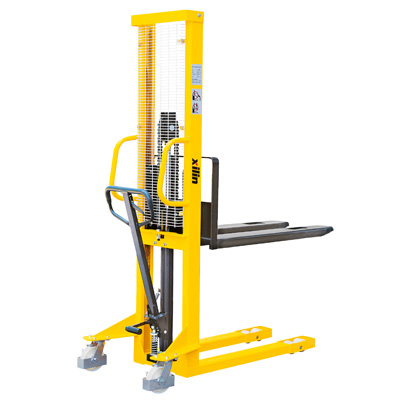 Manual Stacker
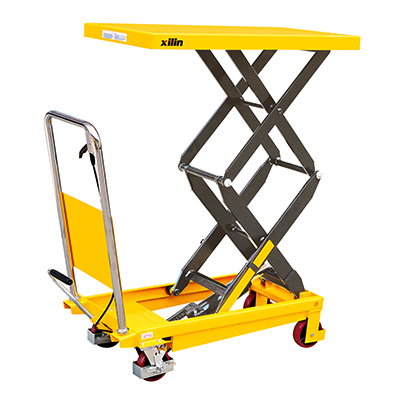 Lift Table

Content
- 1 The Two Variables That Create All Seven Classes
- 2 Forklift Classes 1 to 7 at a Glance
- 3 Class I to III: The Electric Warehouse Fleet
- 4 Class IV and V: Internal Combustion Trucks
- 5 Class VI and VII: Tractors and Rough Terrain
- 6 Turning the Classes Into a Buying Decision
- 7 Training and Daily Checks Stay Class Specific
Two trucks can look almost identical on a warehouse floor and still belong to different forklift classes, which means different operator training, different ventilation rules and different places where each machine is allowed to work. The seven-class system answers that question quickly: what powers the truck, and how is it built? Every other decision, from aisle width to load center, follows from that answer.
The numbering comes from the ANSI/ITSDF B56.1 safety standard and the design families tracked by the Industrial Truck Association, while OSHA's powered industrial truck rule at 29 CFR 1910.178 applies to all of them. OSHA does not invent the numbers itself, but those numbers are what trainers, insurers and safety officers use when they decide who may operate which machine.
The Two Variables That Create All Seven Classes
Each class is a combination of power source and chassis design, and nothing more complicated than that.
- Power source: battery-electric, or internal combustion running on LPG, gasoline or diesel.
- Design: rider or hand truck, counterbalanced or narrow aisle, cushion tire or pneumatic, standard or rough terrain.
Those two variables drive the consequences buyers actually feel in daily operation: whether the truck can run indoors, how wide the aisle has to be, whether the floor slab can take the point load, and which training record the operator needs to hold. A machine that is right for a dock door is often wrong for a 2.7 metre racking aisle, even when both carry the same rated capacity on paper.
Forklift Classes 1 to 7 at a Glance
The table below is the short version. Capacity, lift height and attachment compatibility are set per model and shown on the data plate, not by the class itself.
| Class | Official name | Power source | Typical equipment | Usual working environment |
|---|---|---|---|---|
| I | Electric motor rider trucks | Battery | Counterbalanced sit-down and stand-up riders, cushion or pneumatic tires | Docks, trailers, mixed indoor and covered outdoor work |
| II | Electric motor narrow aisle trucks | Battery | Reach trucks, order pickers, turret and very narrow aisle trucks | High racking and aisles below roughly 3 metres |
| III | Electric motor hand trucks | Battery | Walkie pallet trucks, walkie stackers, small tow tractors | Horizontal transport, low-level picking, short lifts |
| IV | Internal combustion trucks, cushion tires | LPG, gasoline, diesel | Counterbalanced trucks on smooth cushion tires | Production halls with ventilation, tight turning circles |
| V | Internal combustion trucks, pneumatic tires | LPG, gasoline, diesel | Counterbalanced trucks on pneumatic tires | Yards, ramps, uneven ground, higher capacity work |
| VI | Electric and internal combustion tractors | Battery or combustion | Tow tractors and platform trucks pulling cart trains | Line feed, depots, long horizontal runs |
| VII | Rough terrain trucks | Usually diesel | High-clearance trucks with large pneumatic tires | Construction, lumber yards, agriculture, unpaved ground |
Class I to III: The Electric Warehouse Fleet
Most indoor warehouses in Europe, Asia and North America run on these three classes, and the split between them is about aisle geometry and how much of the shift the operator spends on the truck.
Class I: counterbalanced electric riders
These are the familiar four-wheel and three-wheel counterbalance trucks used at dock doors and inside trailers. Because the battery sits low and heavy, they stay stable with a raised load, and cushion-tire versions turn tightly enough for production halls. The trade-off is footprint: a counterbalanced truck needs a wider aisle than a reach truck of the same capacity, because it has to turn the load rather than reach for it.
Class II: narrow aisle trucks
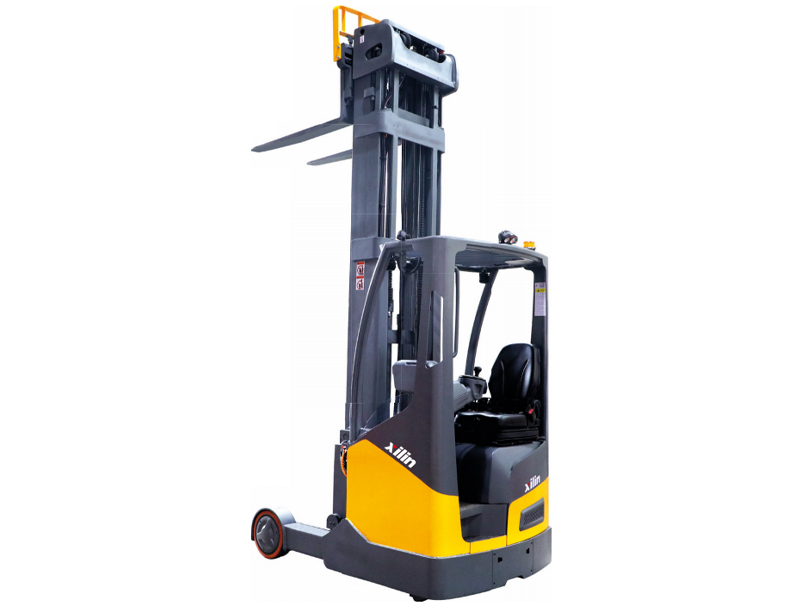
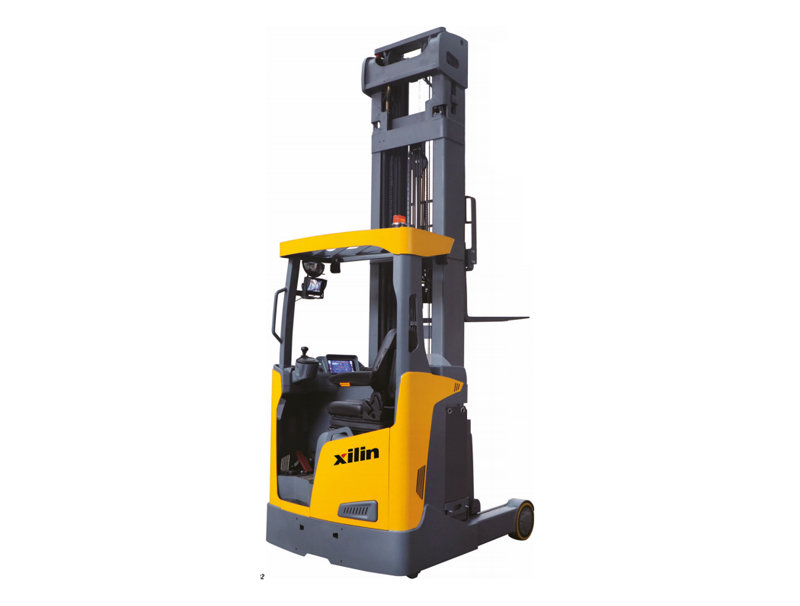
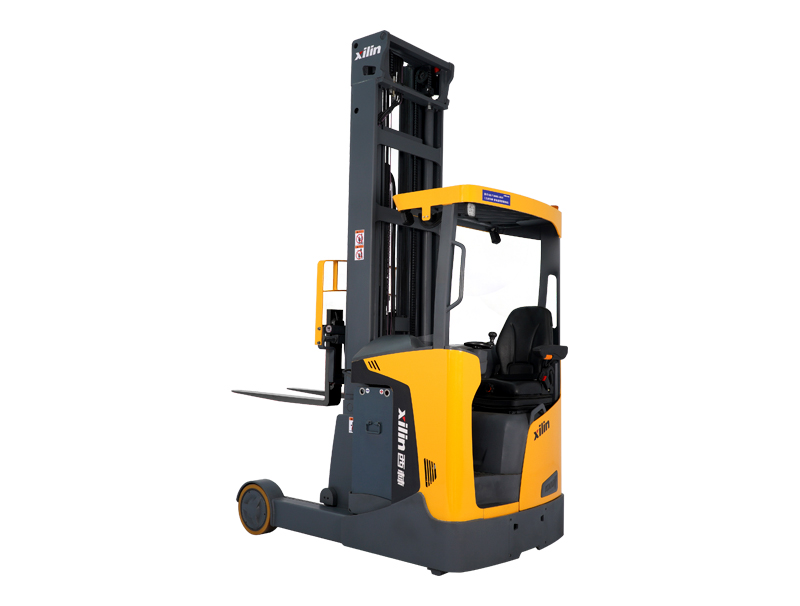
Reach trucks, order pickers and turret trucks earn their cost in racking areas where every 200 millimetres of aisle width converts into pallet positions. A reach truck handles a standard pallet in an aisle around 2.8 to 3.2 metres wide, while a very narrow aisle turret truck can work in aisles near 1.8 metres because the fork carriage rotates instead of the chassis. Aisle planning is where this class pays for itself, and a practical look at narrow aisle layout and storage capacity shows how the width savings translate into revenue per square metre.
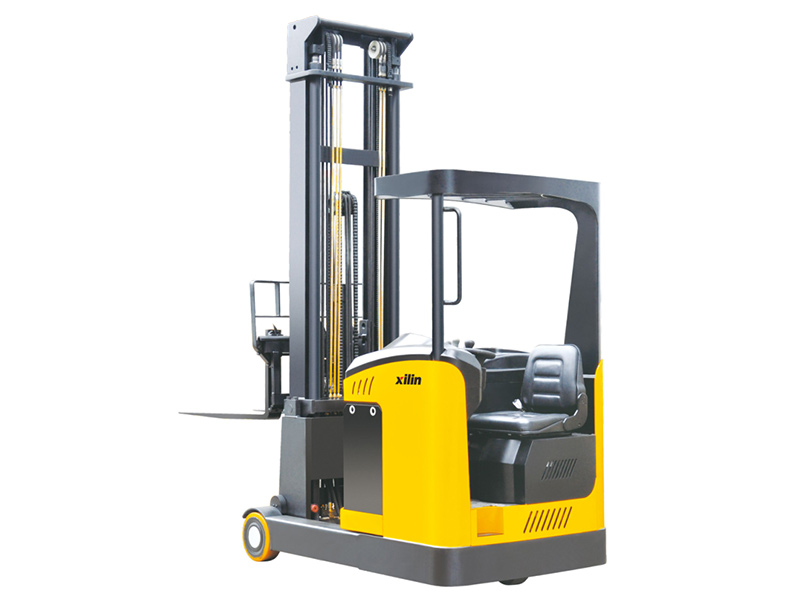 Electric Reach Truck CQD15 for Narrow-Aisle RackingA 1,500 kg seated reach truck with up to 8,000 mm lift and 2,880/2,930 mm aisle widths, suited to racking and high-reach loads.View Product →
Class III: electric hand trucks
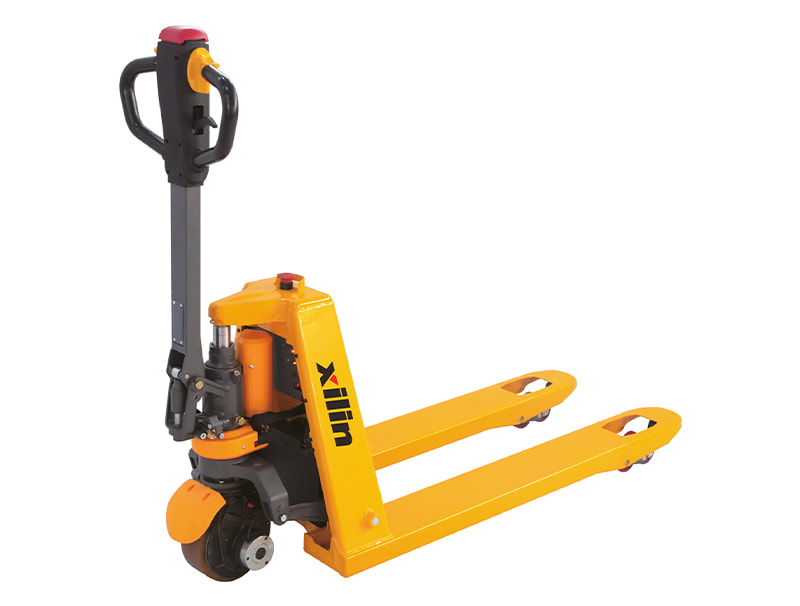
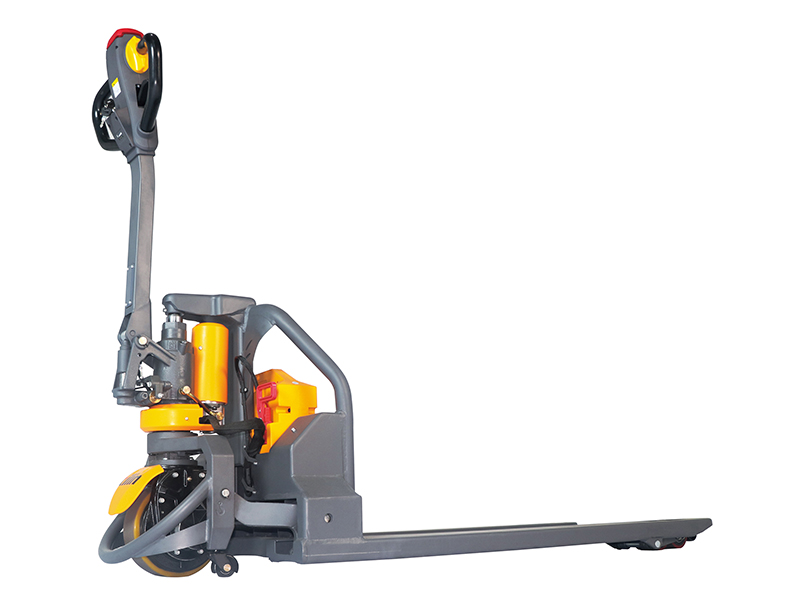
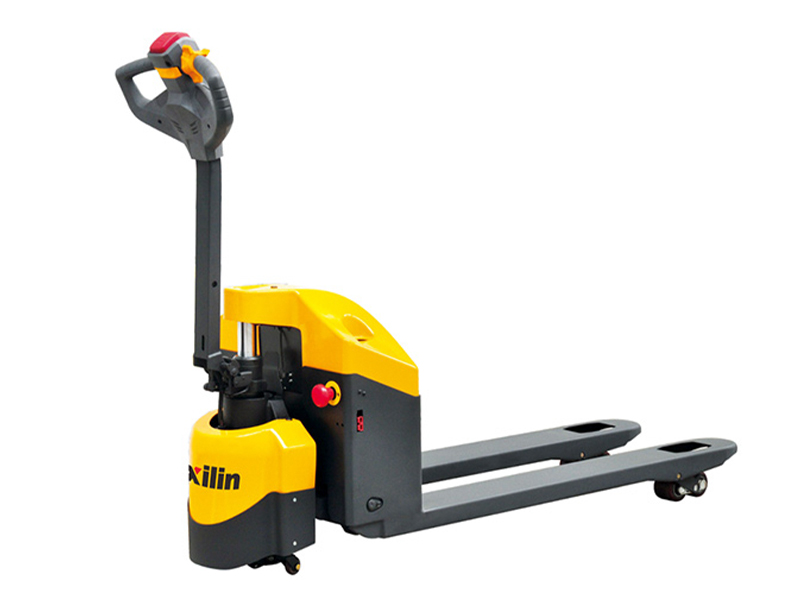
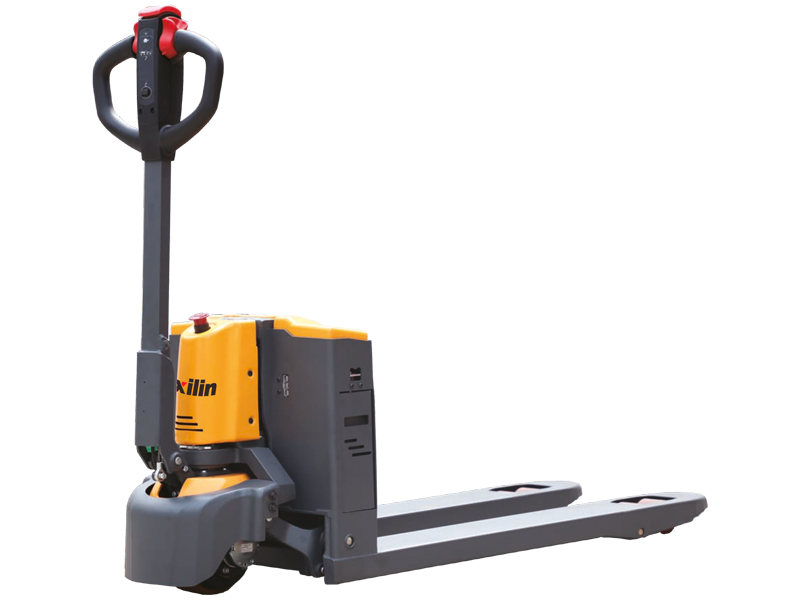
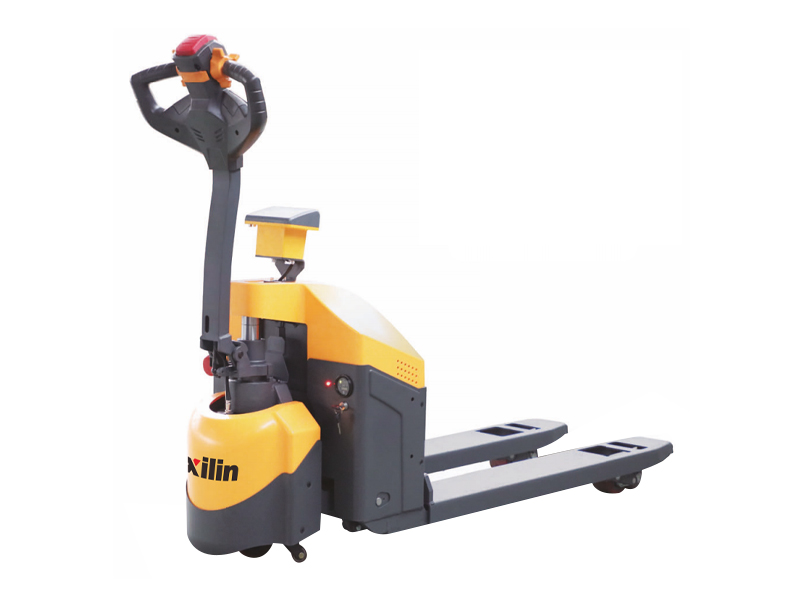
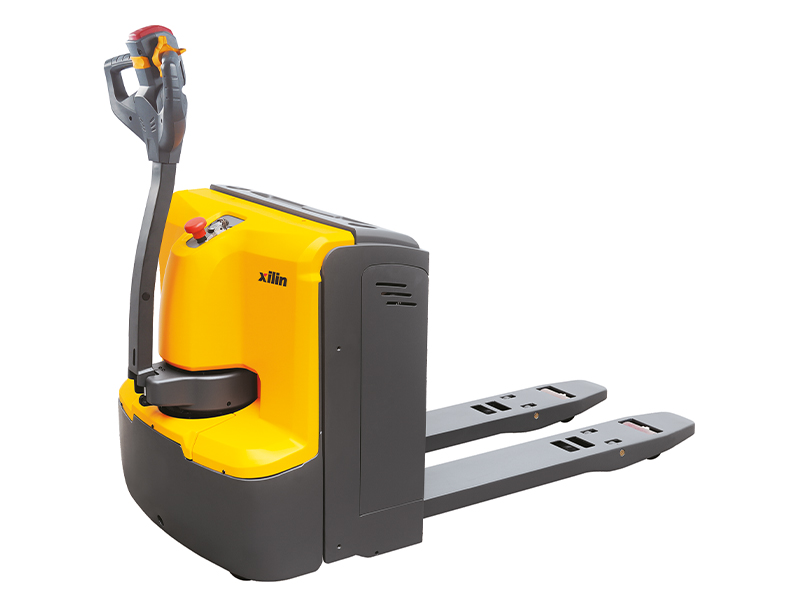
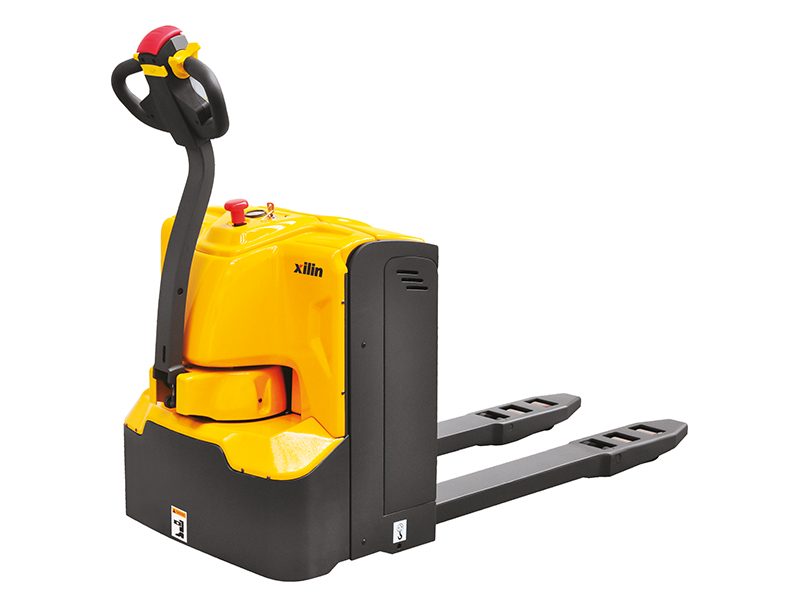
Walkie pallet trucks and walkie stackers are the workhorses of unloading and short horizontal moves. They are cheap to run, need very little aisle space, and are often the first electric truck a growing operation buys. Their limits are equally clear: lift heights are modest, and the operator walks the whole route, so they suit trips measured in tens of metres rather than hundreds.
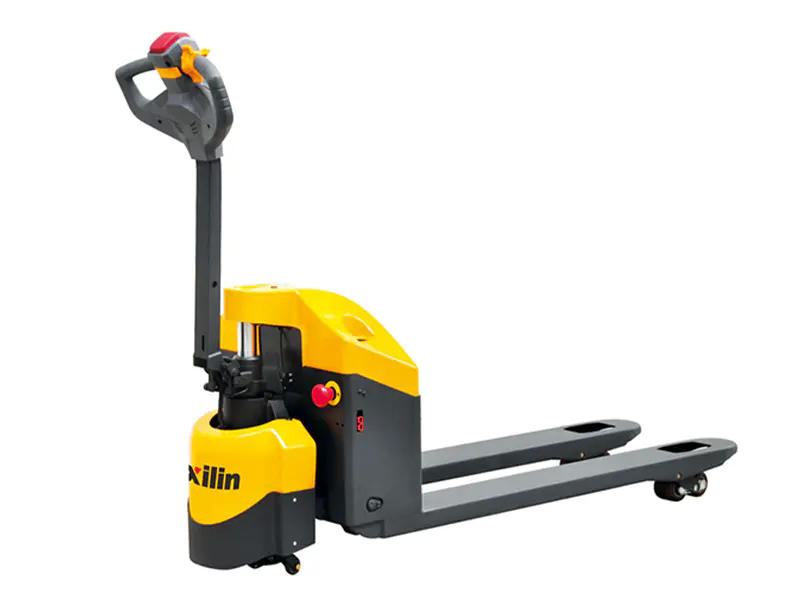 Electric Walkie Pallet Truck CBD15W-E/CBD20W-EA 1,500/2,000 kg pedestrian pallet truck sized like a hand truck for narrow aisles, workshops, supermarkets and containers, with lithium option.View Product →
Class IV and V: Internal Combustion Trucks
Classes IV and V are mechanically similar and differ mainly in tire type and the surface they are built for. Cushion tires are smooth and solid, which gives a short wheelbase and a tight turning radius, but the hard compound transmits every floor joint to the operator and the chassis sits low. Pneumatic tires add ground clearance, ride comfort and traction on gravel, mud and ramps.
The purchasing decision usually comes down to three checks. First, air quality: combustion trucks produce carbon monoxide, so indoor use needs real ventilation and, in many jurisdictions, specific written risk assessment. Second, fuel handling: LPG cylinder exchange and diesel storage add procedures that electric fleets avoid entirely. Third, capacity: when loads exceed roughly 5 tonnes or the truck must work outdoors in the rain, combustion still holds an advantage over most battery trucks. Where those three pressures are absent, electric usually wins on running cost and maintenance hours.
Class VI and VII: Tractors and Rough Terrain
Class VI covers tow tractors and platform trucks that move cart trains rather than lift loads. They matter in line feed operations, parcel depots and airports, where one driver pulling six carts replaces six separate trips. The numbers to check are drawbar pull, trailer train weight, and the gradient on the route, because a tractor rated for 4 tonnes on the flat behaves very differently on a loading ramp.
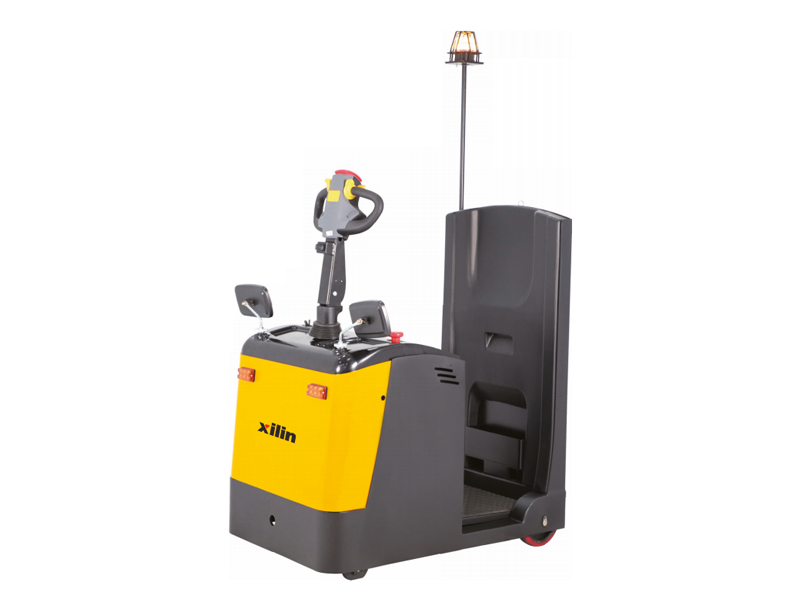 Electric Tow Tractor QDD20H/QDD30H for Cart TrainsA 2,000/3,000 kg standing-operator tow tractor with 500/750 N drawbar pull, built for line-feed and depot cart-train work.View Product →
Class VII is a different world. These trucks have high ground clearance, large pneumatic tires and masts built to survive dust and uneven surfaces. They appear on construction sites, in lumber yards and in agriculture, where a warehouse truck would ground out within a week. Rated capacity on rough terrain drops fast as the load center moves forward, and stability on side slopes is a genuine engineering limit rather than a paperwork detail.
Turning the Classes Into a Buying Decision
Once the class is fixed, the specification work becomes manageable. Work through these points in order, because each one changes the answer to the next.
- Measure the narrowest aisle at its tightest point, including rack uprights, pallet overhang and any columns, then subtract a safety margin rather than assuming the drawing is accurate.
- Confirm the real load weight and load center, not the nominal pallet size, since a 1.2 metre load center can cut rated capacity by a third.
- Set the lift height plus the free lift needed inside trailers and containers, then check residual capacity at that height.
- Estimate duty cycle per shift and match battery capacity or LPG exchange intervals to it, because a truck that runs out of charge at hour six is a planning failure, not a product fault.
- Check the floor: slab load rating, joints, ramps and drainage all affect tire choice and truck type.
- Review attachments last, because a clamp, rotator or double-decker handler changes the centre of gravity and requires a new capacity plate.
The catalogue matters less than the data plate and the duty cycle. A manufacturer with a broad electric forklift range can usually move a buyer between classes without changing supplier, which shortens the comparison stage considerably.
Training and Daily Checks Stay Class Specific
Operator authorisation is tied to the truck type, not the person. A driver competent on a Class III walkie pallet truck is not automatically cleared for a Class II reach truck, and the training record should name the class and the model family. Under the OSHA framework, evaluation is required at least once every three years, and sooner after an incident, a near miss or a change in the workplace layout.
Rental equipment deserves the same discipline. A short-term truck arriving on site still needs a pre-shift inspection, a matching training record and confirmation that its capacity plate matches the actual load. Most incidents that reach an insurance file involve a truck the operator had used for years, on a task that had quietly changed.
Forklift classes 1 to 7 are not a marketing taxonomy; they are a shortcut for matching power source and chassis to the aisle, the air, the floor and the load. Get the class right and the rest of the specification, from battery capacity to tire compound, becomes a set of normal engineering choices rather than a series of expensive guesses.