 英语
英语 西班牙语
西班牙语 德语
德语 法语
法语 俄语
俄语
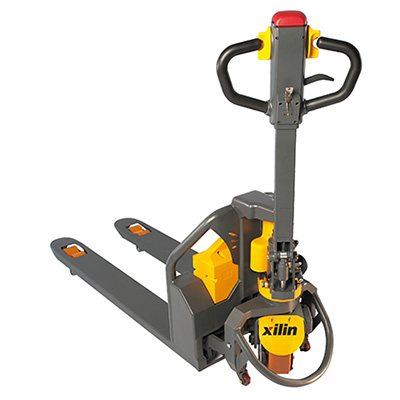 Electric Pallet Truck
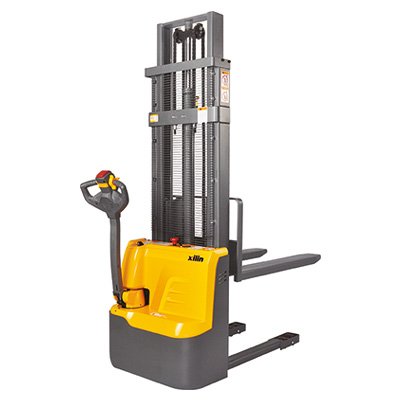 Electric Stacker
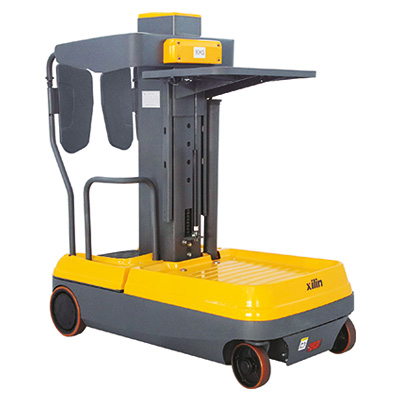 Order Picker
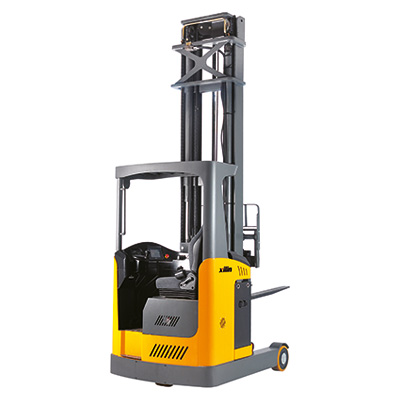 Narrow Aisle Truck
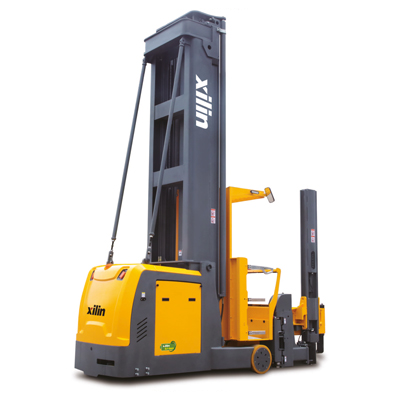 VNA Tri-Lateral Stacker
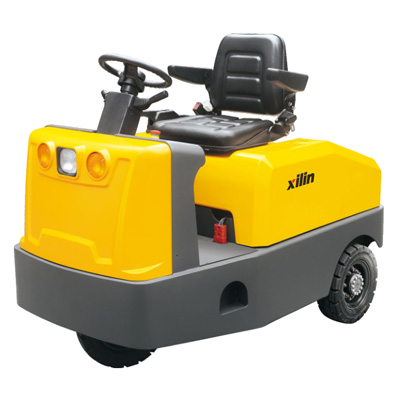 Tow Tractor
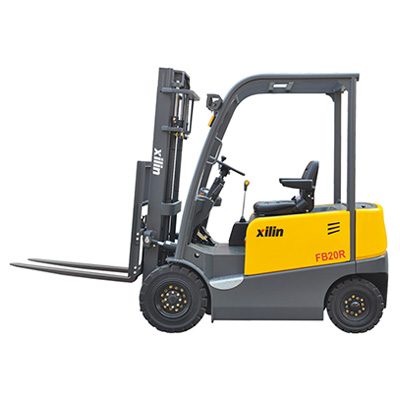 Electric Forklift
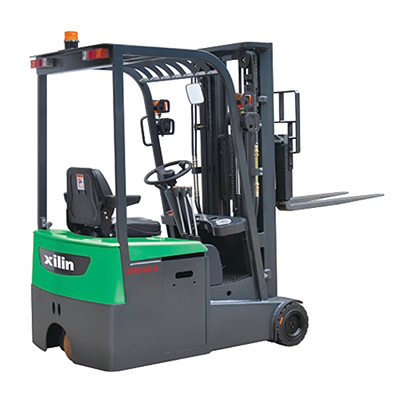 Lithium-ion Truck
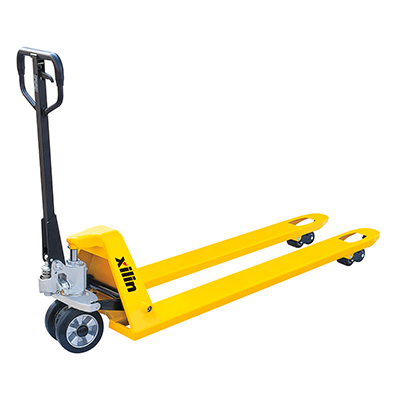 Hand Pallet Truck
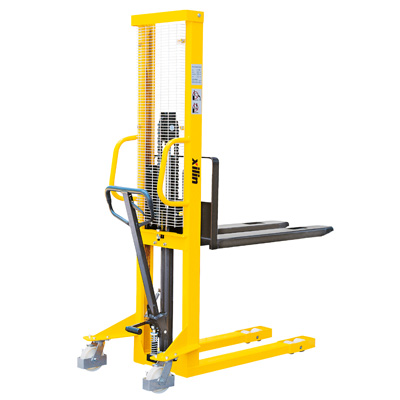 Manual Stacker
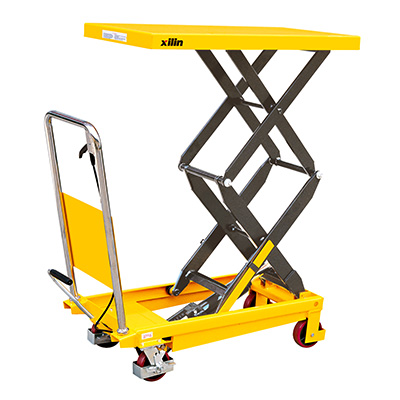 Lift Table
Content
- 1 Operating Hours vs. Calendar Years: Which Measure to Use
- 2 Component Lifespan Benchmarks Within the Forklift
- 3 How Battery Choice Affects the Forklift's Usable Life
- 4 Environmental Factors That Reduce Electric Forklift Life
- 5 Maintenance Practices That Maximize Service Life
- 6 Signs That an Electric Forklift Is Nearing the End of Its Usable Life
- 7 Electric vs. Internal Combustion Forklift: Which Lasts Longer?
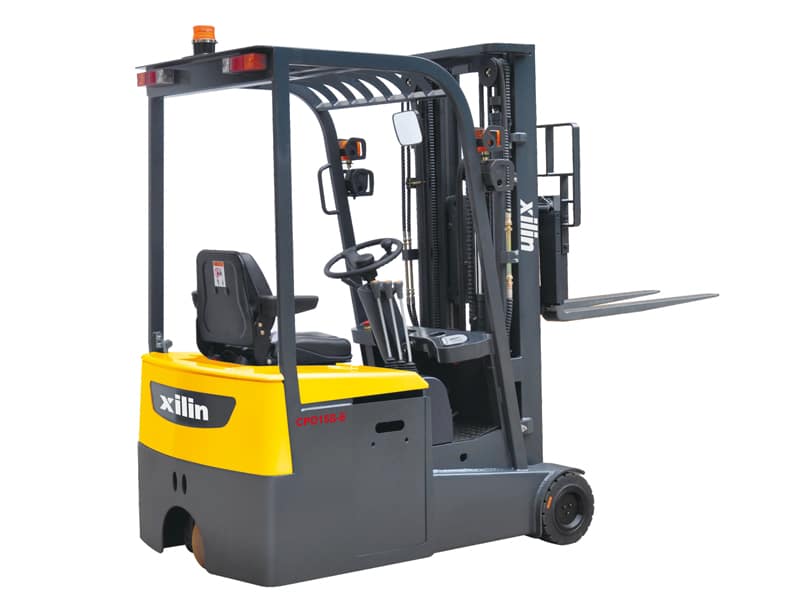
An electric forklift can typically be used for 10,000 to 20,000 operating hours before major components require replacement or the machine becomes uneconomical to maintain. In calendar terms, this translates to approximately 7 to 12 years under standard single-shift warehouse operation (around 2,000 hours per year). Well-maintained units operating in favorable conditions have been documented in active service beyond 15,000 hours.
This range is wide because the actual usable life depends on maintenance quality, battery type, operating intensity, environment, and how the machine is handled day-to-day. Each factor can shift the expected lifespan by several years in either direction.
Operating Hours vs. Calendar Years: Which Measure to Use
For fleet management purposes, operating hours is the more accurate and reliable measure of a forklift's service life than calendar age. Two forklifts of the same age can have dramatically different usage levels:
- A single-shift retail warehouse forklift may log 1,500–2,000 hours per year
- A two-shift manufacturing operation may accumulate 3,500–4,000 hours per year
- A three-shift distribution center can clock 5,500–6,000 hours per year
At three-shift intensity, a forklift rated for 15,000 hours of useful life may reach that threshold in just 2.5–3 years. This is why fleet managers in high-intensity operations typically replace forklifts on a 3–5 year cycle despite the machines being relatively new in calendar terms.
Component Lifespan Benchmarks Within the Forklift
Different components age at different rates. Understanding these benchmarks helps prioritize maintenance spending:
| Component | Typical Service Life | Primary Wear Cause |
|---|---|---|
| Lead-acid traction battery | 1,200–1,500 cycles (3–5 years) | Sulfation, incorrect charging, heat |
| Lithium-ion traction battery | 2,500–4,000 cycles (7–12 years) | Cell degradation, thermal stress |
| Drive motor | 15,000–20,000 hours | Bearing wear, overloading, moisture |
| Hydraulic pump and cylinders | 10,000–18,000 hours | Seal degradation, fluid contamination |
| Mast and lift chains | 5,000–10,000 hours (chains); mast longer | Fatigue, lack of lubrication, overloading |
| Drive and load wheels | 2,000–5,000 hours | Floor surface abrasion, overloading |
| Motor controller | 8,000–15,000 hours | Heat, moisture, electrical surges |
How Battery Choice Affects the Forklift's Usable Life
The traction battery is the component most likely to determine when an electric forklift is retired or replaced, because its replacement cost is so significant. A replacement lead-acid battery for a 3-tonne electric forklift typically costs €3,000–€8,000, representing 15–30% of the machine's original purchase price.
Lithium-ion batteries cost more upfront — typically 1.5–2.5× the price of a lead-acid equivalent — but deliver significantly more charge cycles and require no maintenance watering or equalization charges. For operations running two or more shifts, a lithium-ion battery may outlast two complete lead-acid battery replacement cycles, making the total cost of ownership lower despite the higher initial price.
A forklift with a lithium-ion battery replaced at the end of battery life can continue mechanical operation for the full 15,000–20,000 hour mechanical lifespan of the chassis. This is not always practical with lead-acid — by the time the second or third battery is due for replacement, the overall machine may already be approaching the end of its economic life.
Environmental Factors That Reduce Electric Forklift Life
The working environment has a measurable impact on how long an electric forklift remains serviceable:
- Cold storage (below −10°C): Reduces lead-acid battery capacity by up to 40% per charge; accelerates seal and gasket aging. Lithium-ion batteries are more resilient but still deliver reduced range at low temperatures. Cold-store forklifts typically require more frequent hydraulic seal replacement.
- Corrosive environments (food processing, chemical plants): Moisture and acidic or alkaline cleaning chemicals attack electrical connectors and unpainted metal surfaces. IP54 or higher electrical protection ratings are essential in such environments.
- Rough or uneven floors: Vibration stress accelerates fatigue in lift chains, mast rollers, and electrical connectors. Operations on rough surfaces should plan for a 15–25% reduction in expected component life.
- High-temperature environments (foundries, steel plants): Heat is the primary enemy of electric motors and electronic controllers; ambient temperatures above 40°C can halve the rated life of certain electronic components.
Maintenance Practices That Maximize Service Life
Structured preventive maintenance is the most reliable way to maximize how long an electric forklift can be used. The most impactful practices are:
- Daily pre-shift inspection: Check for hydraulic leaks, wheel condition, horn and warning systems, battery charge level, and fork arm condition. Catching issues early prevents minor wear from becoming major failure.
- Lift chain lubrication every 250–500 hours: Dry chains stretch and fail rapidly; proper lubrication extends chain life by 2–3× compared to unlubricated operation.
- Hydraulic fluid change every 2,000 hours: Degraded fluid causes seal damage and pump wear that can lead to complete hydraulic failure.
- Wheel replacement before full wear: Operating on excessively worn drive wheels transfers vibration to the motor bearings and chassis — replacing wheels at 70–80% wear avoids secondary damage.
- Battery management: For lead-acid, equalization charges every 5–10 cycles; for lithium-ion, maintaining charge between 20% and 80% under normal use extends cycle life.
Research across large fleet operators consistently shows that structured maintenance programs extend forklift service life by 25–35% compared to reactive-only repair approaches.
Signs That an Electric Forklift Is Nearing the End of Its Usable Life
Knowing when to replace rather than repair requires recognizing specific indicators that the machine has reached its economic end-of-life:
- Annual repair and maintenance costs exceed 20–25% of the current replacement cost for two or more consecutive years
- Battery capacity has fallen below 60% of original and battery replacement cost is disproportionate relative to machine value
- Motor or controller replacement is required — high-cost repairs that often indicate broader electrical system fatigue
- Frequent unplanned downtime disrupts operations — even if repair costs are moderate, productivity losses from downtime often exceed the visible repair bill
- Mast or frame cracking — a structural safety concern that is rarely economical to repair in older units
Electric vs. Internal Combustion Forklift: Which Lasts Longer?
Electric forklifts generally have a longer service life than equivalent internal combustion (IC) models when operated indoors under typical warehouse conditions. The absence of an engine with its associated exhaust, cooling, and fuel system components removes several major failure modes. Electric drivetrains have fewer moving parts overall, which translates to lower maintenance frequency and reduced cumulative wear.
IC forklifts typically have a practical service life of 8,000–12,000 hours before engine overhaul becomes necessary — shorter than well-maintained electric equivalents. The advantage shifts in outdoor, high-intensity, or extreme environment applications where battery limitations and electrical sensitivity matter more than the mechanical simplicity of an electric drivetrain.