 英语
英语 西班牙语
西班牙语 德语
德语 法语
法语 俄语
俄语
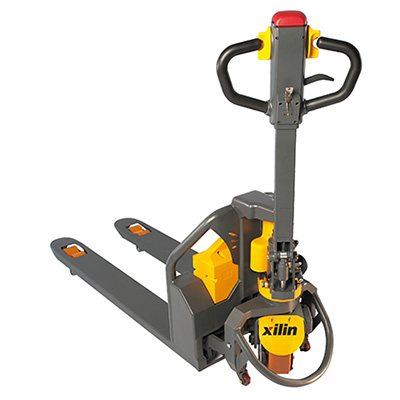 Electric Pallet Truck
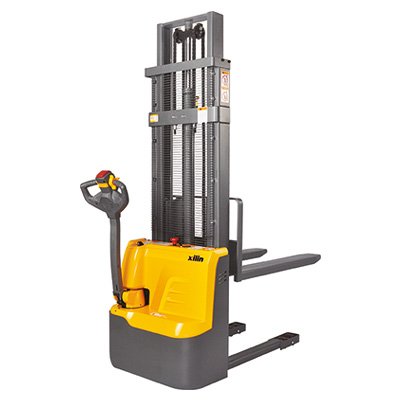 Electric Stacker
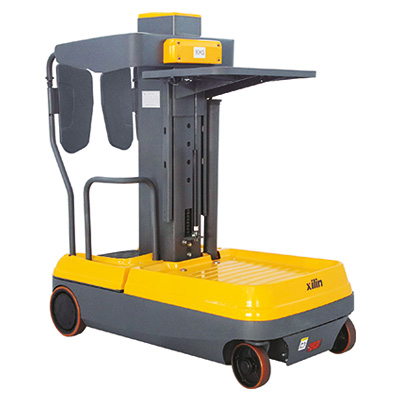 Order Picker
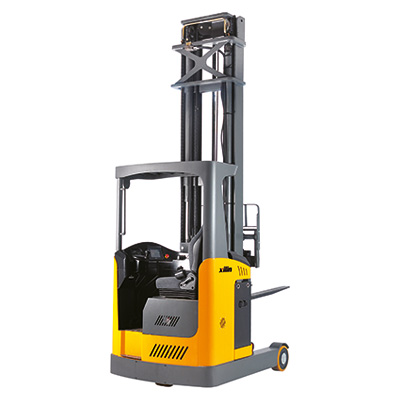 Narrow Aisle Truck
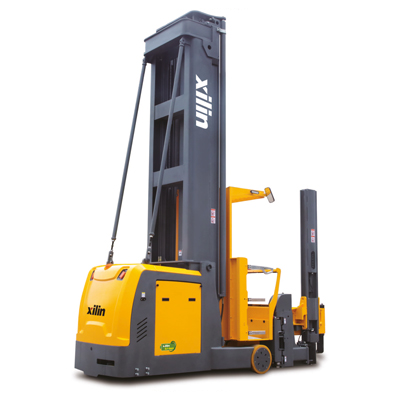 VNA Tri-Lateral Stacker
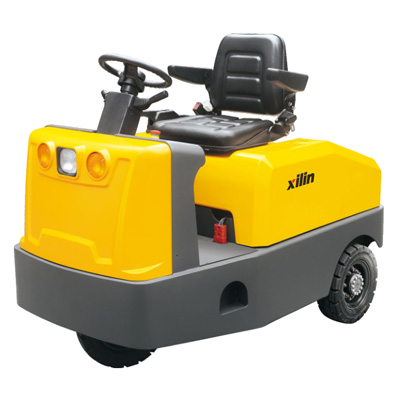 Tow Tractor
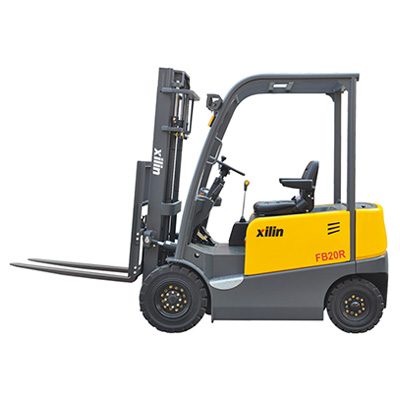 Electric Forklift
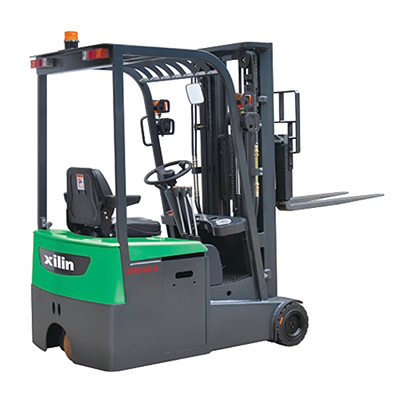 Lithium-ion Truck
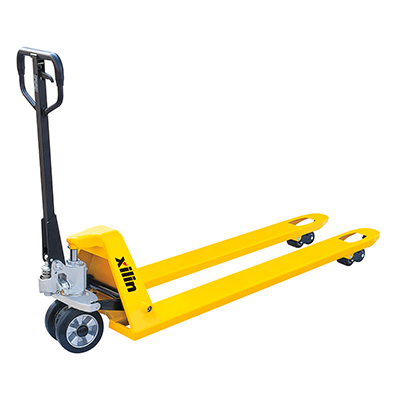 Hand Pallet Truck
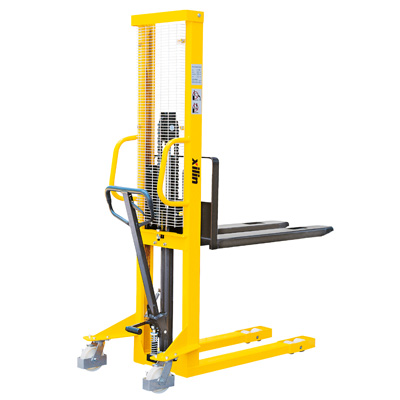 Manual Stacker
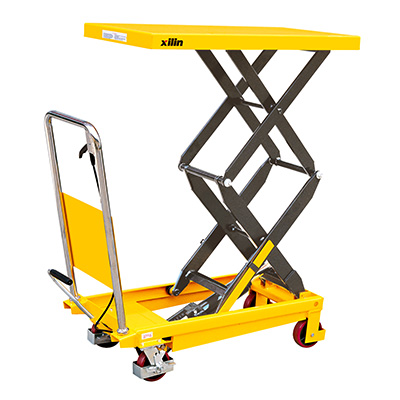 Lift Table
Content
The maximum weight a tow tractor can tow ranges from 1,000 kg for compact pedestrian-controlled models to over 100,000 kg for heavy industrial and airport tow tractors. The figure varies widely because "tow tractor" covers a broad category of vehicles — from small warehouse tuggers to massive aircraft pushback tractors. For standard warehouse and factory applications, most electric tow tractors are rated in the range of 3,000–25,000 kg total train weight.
It is essential to distinguish between the tow tractor's rated towing capacity and the total train weight — the sum of all loaded trolleys or carts being towed. These are different figures, and both must be checked against the machine's specification before operation.
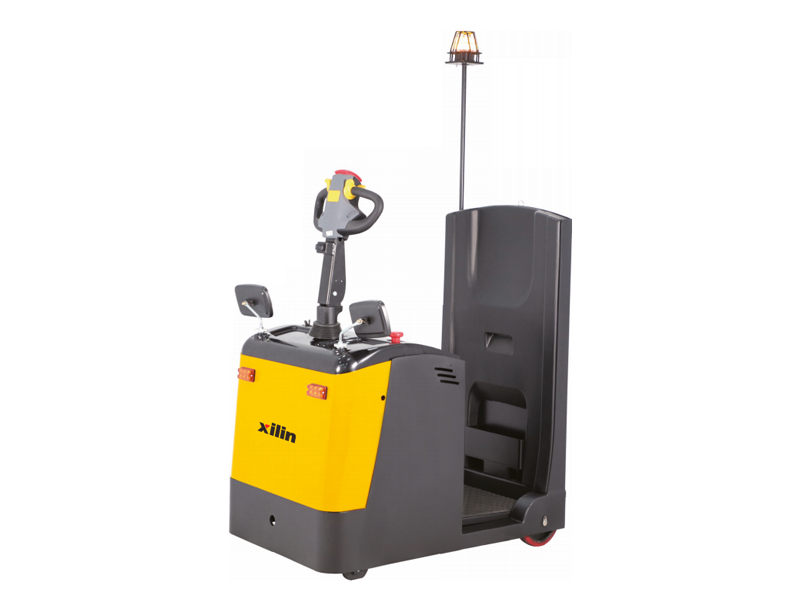
Towing Capacity by Tow Tractor Category
| Tow Tractor Type | Typical Towing Capacity | Common Application |
|---|---|---|
| Pedestrian walkie tow tractor | 1,000–3,000 kg | Retail distribution, small factory trains |
| Seated electric tow tractor (light) | 3,000–8,000 kg | Warehouse milk runs, parts delivery |
| Seated electric tow tractor (heavy) | 8,000–25,000 kg | Automotive assembly lines, large factories |
| LPG / diesel industrial tow tractor | 20,000–60,000 kg | Shipyard, port logistics, heavy manufacturing |
| Airport aircraft tow tractor | Up to 100,000+ kg | Aircraft pushback and repositioning |
For reference, a wide-body commercial aircraft such as a Boeing 777 has a maximum take-off weight exceeding 300,000 kg — but the force required to tow an aircraft on flat apron at taxi speed is far lower than its total mass, which is why specialized airport tractors with towing ratings of 60,000–100,000 kg can manage such aircraft.
What Determines Maximum Towing Capacity
Towing capacity is not a single fixed number — it is the result of several interacting factors that the tractor's design must accommodate simultaneously:
Drawbar Pull (DBP)
Drawbar pull is the maximum horizontal force a tow tractor can exert through its hitch. This is the primary rated figure from manufacturers, measured in kilonewtons (kN) or kilograms-force. A tow tractor with a drawbar pull of 5 kN (approximately 510 kgf) can overcome the rolling resistance of a loaded train on flat ground — typically 1–2% of the total train weight for wheeled carts on smooth floors. This means 5 kN of drawbar pull can theoretically move a 25,000–50,000 kg train on a perfectly flat, smooth surface.
Floor Surface and Gradient
Towing capacity ratings assume flat, smooth floors. On a 1% gradient (a 1 cm rise per 1 m of travel), the force required to tow a load increases by approximately 10 kg per 1,000 kg of total train weight. At a 5% ramp — common at loading docks — a 10,000 kg train requires an additional 500 kg of drawbar pull compared to flat-floor operation. Always check the manufacturer's gradient rating separately from the flat-floor towing capacity.
Motor and Battery Power
Electric tow tractors are limited by their drive motor output and battery current capacity. High drawbar pull at low speed is achievable with relatively modest motors; maintaining high towing capacity at operational travel speeds (8–12 km/h) requires more powerful motors. Most warehouse electric tow tractors use motors in the 3–15 kW range; heavy industrial models may use 30–50 kW drivetrains.
Tractor Weight and Tyre Traction
A tow tractor can only exert as much force as its drive wheels can transmit to the floor without slipping. Traction is a function of the tractor's own weight multiplied by the coefficient of friction between the drive tyre and floor surface. This is why heavy-capacity tow tractors are deliberately built heavier — the extra weight is a functional requirement, not a design inefficiency.
The Difference Between Towing Capacity and Total Train Weight
A common point of confusion is conflating towing capacity (the maximum load the tractor can pull) with the total train weight (the combined weight of all carts plus their loads). These are related but distinct:
- Towing capacity is the manufacturer-rated maximum payload the machine can tow under specified conditions
- Total train weight includes the unladen weight of each cart or trolley plus the weight of all goods loaded onto them
- Cart weights can be substantial — a heavy steel cart may weigh 300–600 kg unladen, which must be added to the payload weight when calculating whether the towing capacity is sufficient
Example: A tow tractor rated for 8,000 kg towing capacity pulling a train of 6 carts, each weighing 400 kg unladen and loaded with 800 kg of goods, produces a total train weight of 6 × (400 + 800) = 7,200 kg — within the rated capacity, but with minimal margin for any gradient or floor condition variations.
How Many Carts Can a Tow Tractor Pull?
The number of trolleys or carts in a tow train is limited by both the towing capacity and practical considerations around train length and maneuverability. Typical train configurations in warehouse and factory settings are:
- Light warehouse milk run: 3–5 carts, total train weight 2,000–5,000 kg, train length 8–15 m
- Automotive assembly line supply: 5–8 carts, total train weight 5,000–15,000 kg, train length 15–25 m
- Heavy industrial tow train: Up to 12+ carts, total train weight 20,000–50,000 kg, train length 30–50 m
Train length beyond 25 m begins to create significant challenges in turning radius and aisle navigation, even when the tractor has sufficient power to pull the load in a straight line.
Safety and Regulatory Limits on Tow Train Operation
Operating a tow tractor at or near its maximum rated capacity requires adherence to safety requirements that go beyond the machine specification:
- All carts must be fitted with functioning coupling hooks rated for the load being applied; a single failed coupling at 10,000 kg can cause a runaway cart incident
- Braking distance increases significantly with train weight — at 10 km/h, a 15,000 kg train may require 3–5 times the stopping distance of an unladen tractor
- Many facilities set internal operating limits below the machine's rated maximum — for example, limiting trains to 80% of rated capacity to ensure a safety margin for unexpected gradient variations or emergency stops
- In the EU, tow tractor operation in shared pedestrian areas is subject to site-specific risk assessments under the Machinery Directive and national workplace safety regulations