 英语
英语 西班牙语
西班牙语 德语
德语 法语
法语 俄语
俄语
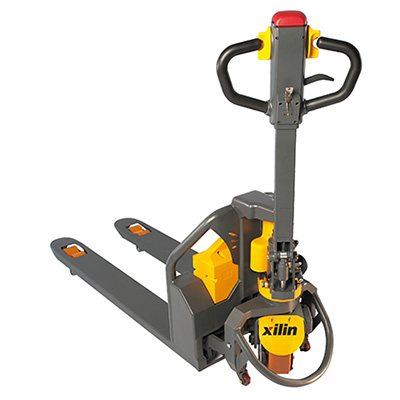 Electric Pallet Truck
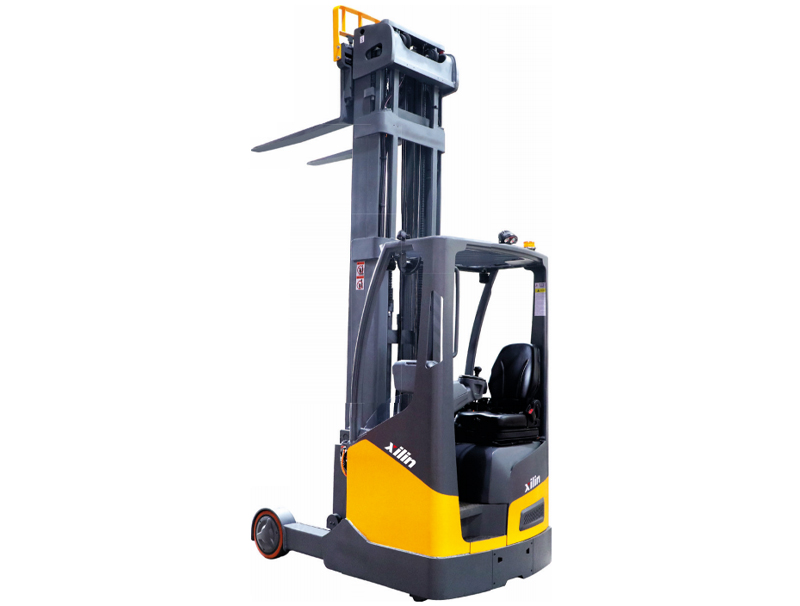
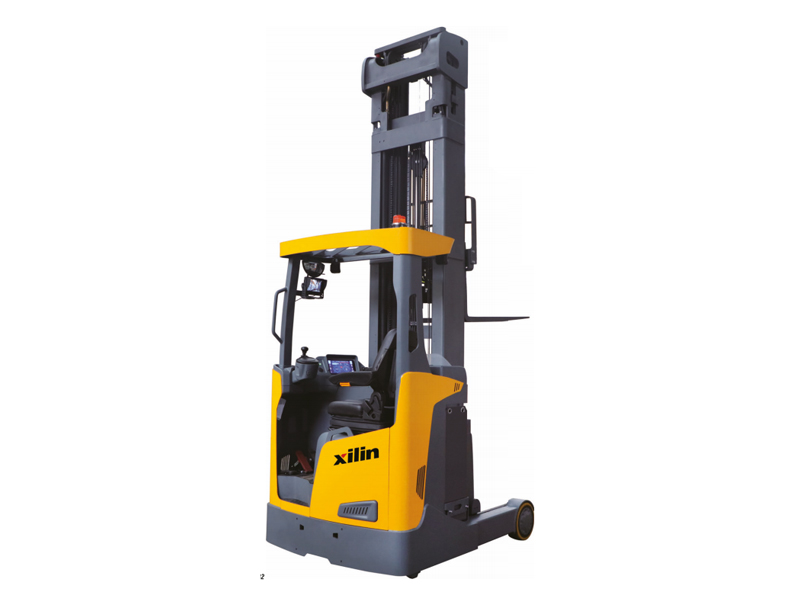
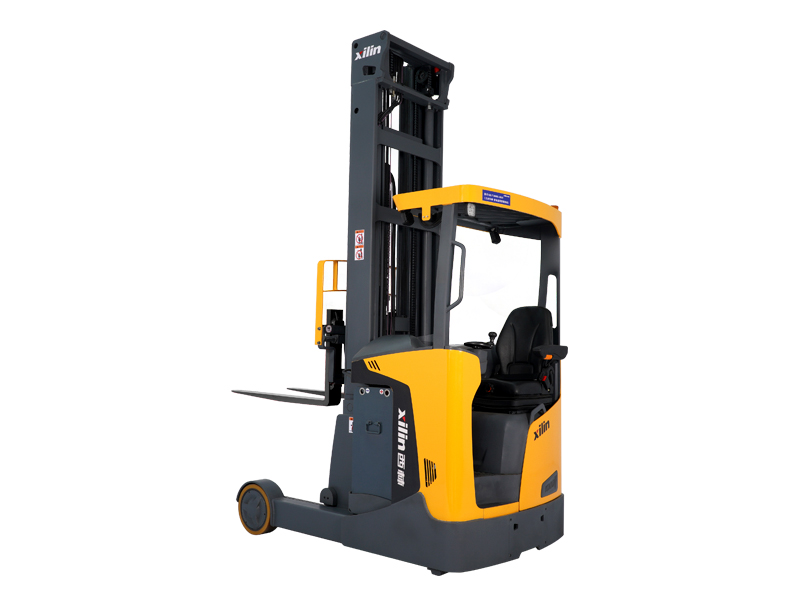
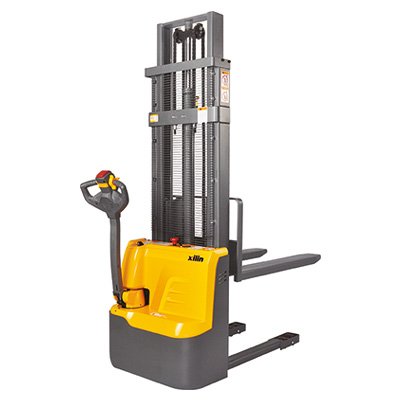 Electric Stacker
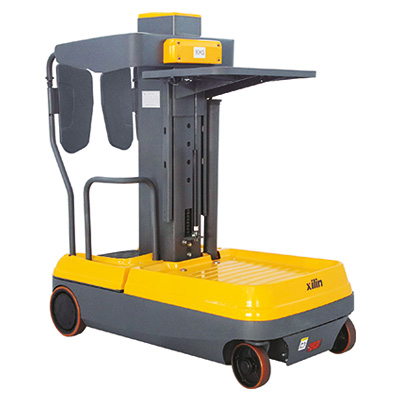 Order Picker
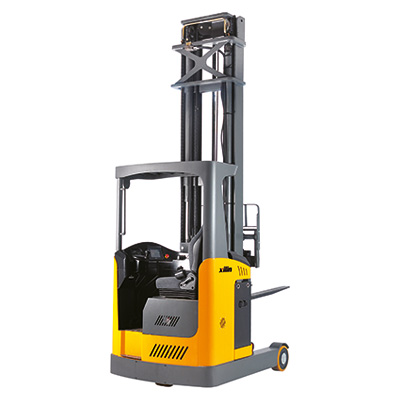 Narrow Aisle Truck
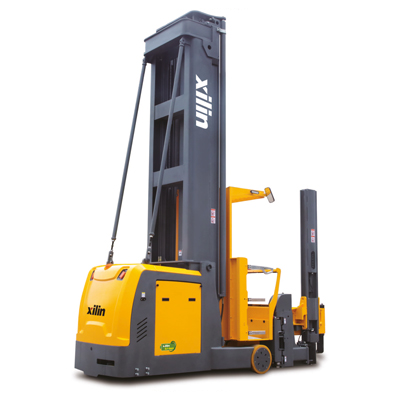 VNA Tri-Lateral Stacker
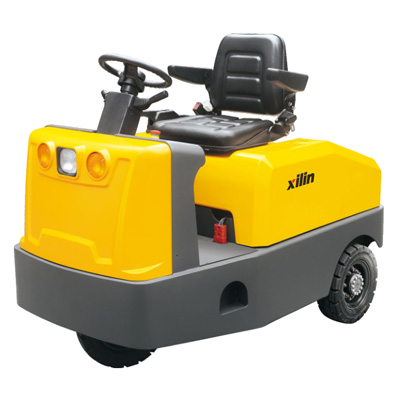 Tow Tractor
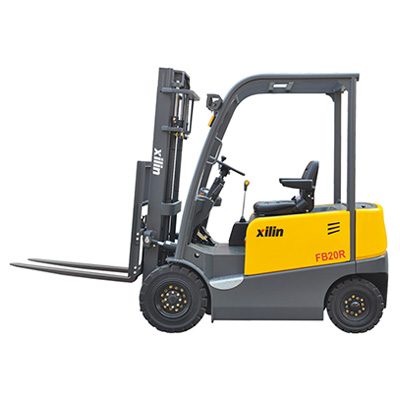 Electric Forklift
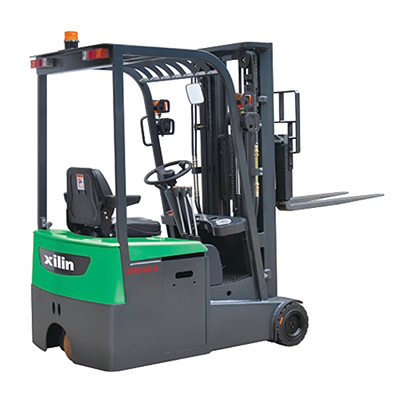 Lithium-ion Truck
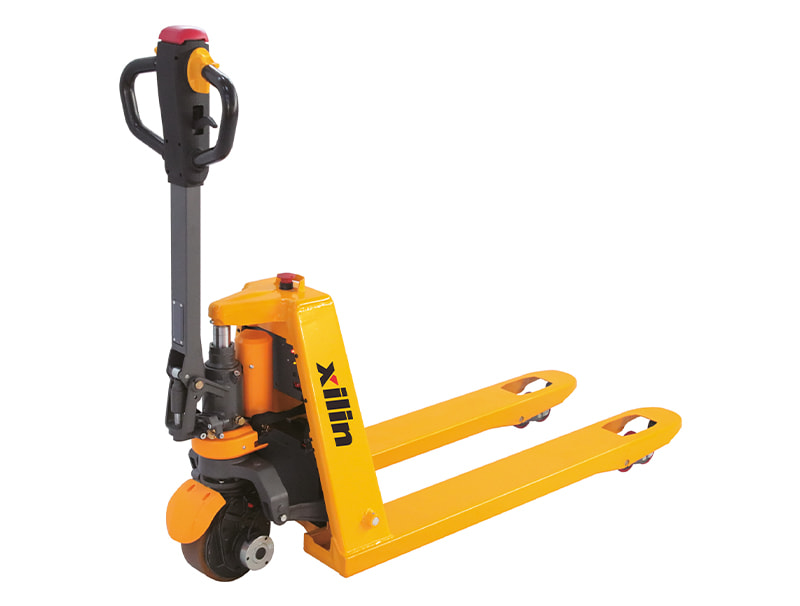
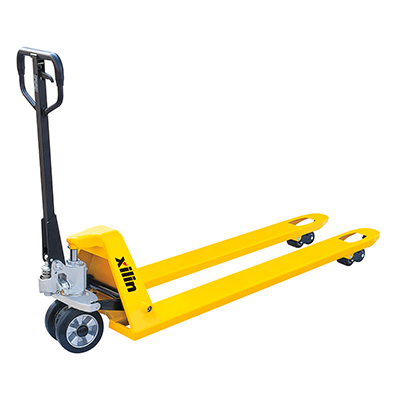 Hand Pallet Truck
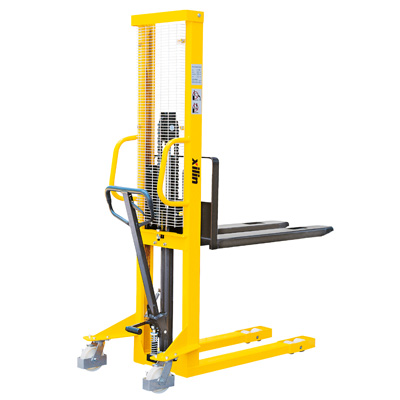 Manual Stacker
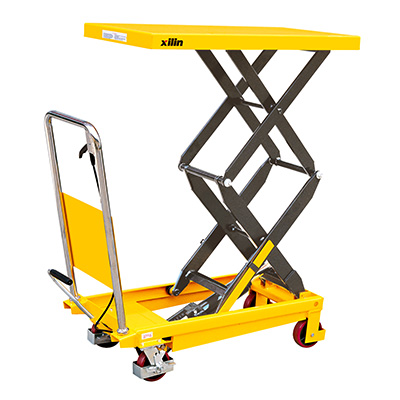 Lift Table
Content
In modern logistics and warehouse management, improving operational efficiency and space utilization are core requirements for businesses. Faced with heavy cargo handling needs, many companies often struggle when purchasing equipment: should they choose an Electric Stacker or a traditional counterbalance forklift?
While both can perform lifting and handling tasks, they differ significantly in functional positioning, operating environment, and cost control.
1. Space Utilization: The Core Advantage of Electric Stackers
If your warehouse space is limited and you use high-bay racking, an Electric Stacker is usually a better choice.
Aisle Width Requirements: Traditional counterbalance forklifts, due to their longer body, typically require an operating aisle width of 3.5 meters or even wider. Electric Stackers, with their compact design and small turning radius, can operate freely in narrow aisles of approximately 2.2 to 2.8 meters.
Rack Height: Electric Stackers are specifically designed for longitudinal stacking, enabling precise lifting of palletized goods to a designated height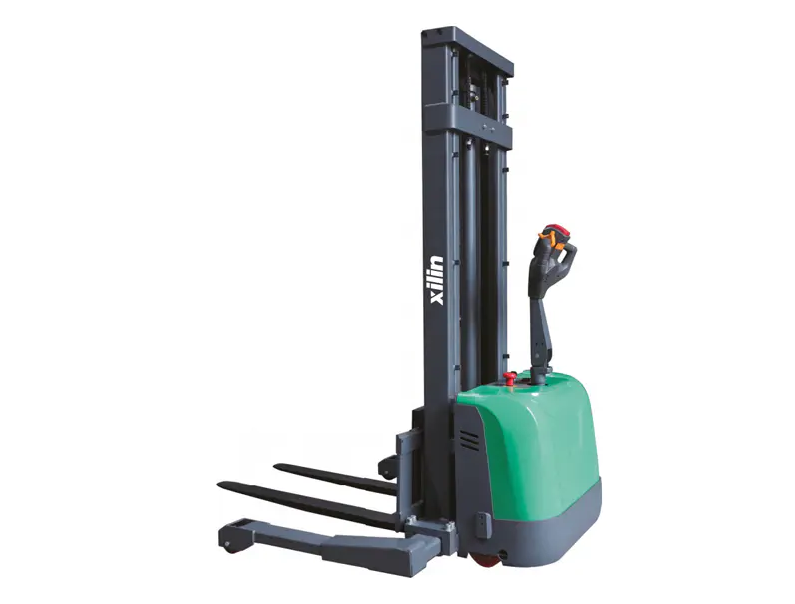
2. Operating Environment and Ground Conditions
When selecting equipment, the "geographical" factor of the operating site must be considered:
Indoor and Flat Ground: Electric Stacker models are better suited for working on flat concrete floors in indoor warehouses. Their polyurethane wheels offer good ground protection, but they perform poorly on outdoor gravel roads or uneven ground.
Indoor/Outdoor Versatility: If you need to frequently move between indoor warehouses and outdoor storage areas, or if you need to navigate steep inclines, forklifts equipped with large-diameter pneumatic tires are more advantageous.
3. Operational Difficulty and Safety
Driving Requirements: Operating large forklifts usually requires a specialized forklift driver's license, placing higher demands on personnel skills.
Ease of Use: In comparison, walk-behind or stand-on Electric Stacker units are simpler and more intuitive to operate. Warehouse managers can learn to operate them after a short training session. Furthermore, due to their lighter weight and relatively controllable speed, they offer higher safety in human-machine mixed operation environments.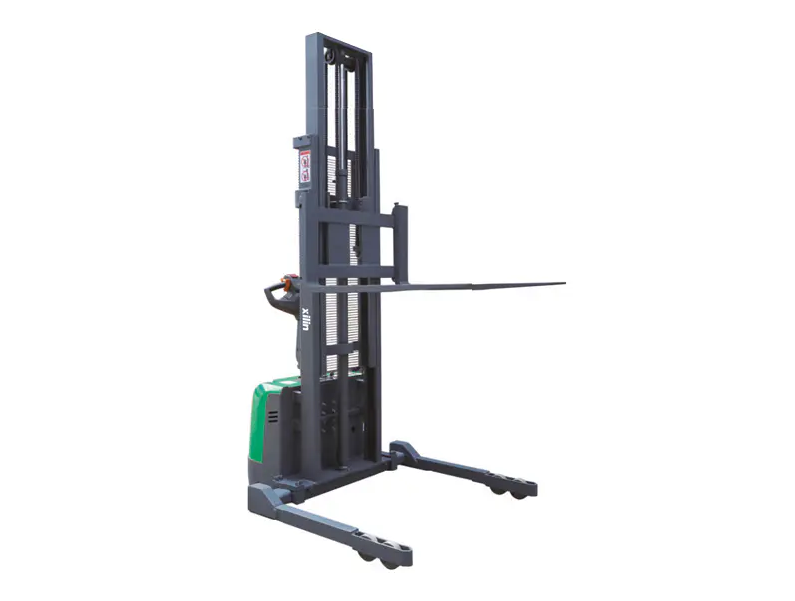
Summary: How Should You Choose?
Electric Stackers are recommended for the following situations:
- Warehouse aisles are narrow, operating under a narrow aisle (VNA) warehousing model.
- Handling capacity is typically between 1.0 and 2.0 tons.
- Limited budget, and primarily indoor operations on flat ground.
Counterbalance forklifts are recommended for the following situations:
- Large, overweight goods weighing over 3 tons need to be handled.
- Operating environments involve outdoor surfaces, container loading/unloading, or frequent inclines.
- High demands are placed on travel speed and long-distance handling efficiency.
Whether choosing a highly efficient and flexible Electric Stacker or a powerful forklift, the key is to "tailor the choice to the specific needs." Only by selecting a model based on the specific warehouse layout and business processes can logistics efficiency be maximized.