 英语
英语 西班牙语
西班牙语 德语
德语 法语
法语 俄语
俄语
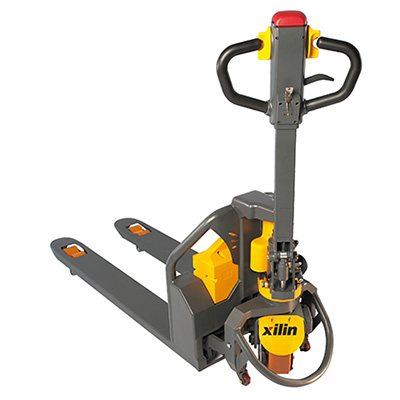 Electric Pallet Truck
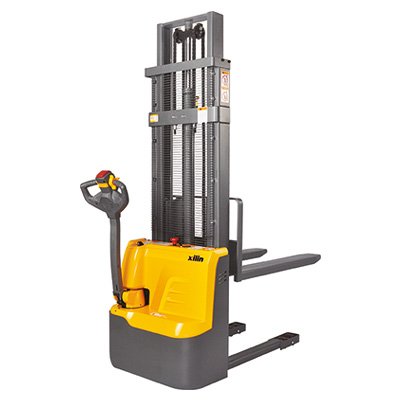 Electric Stacker
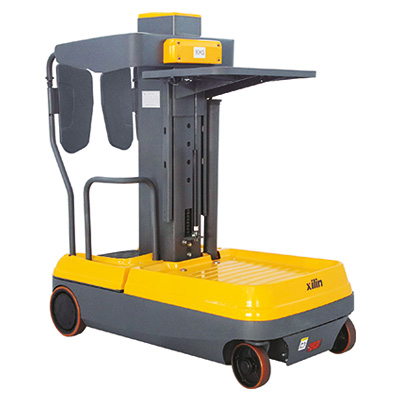 Order Picker
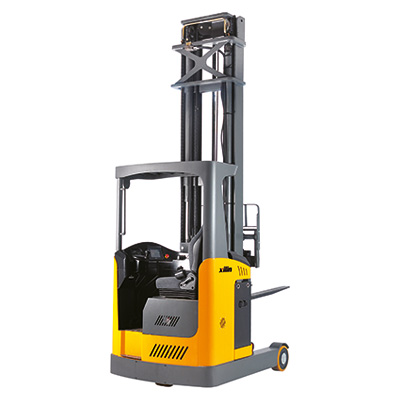 Narrow Aisle Truck
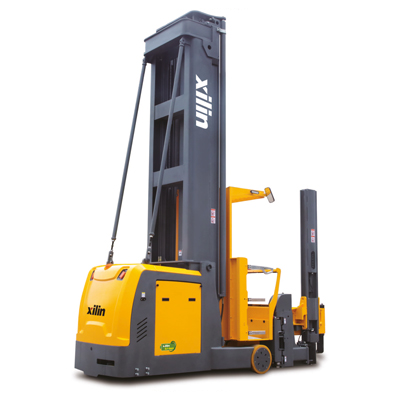 VNA Tri-Lateral Stacker
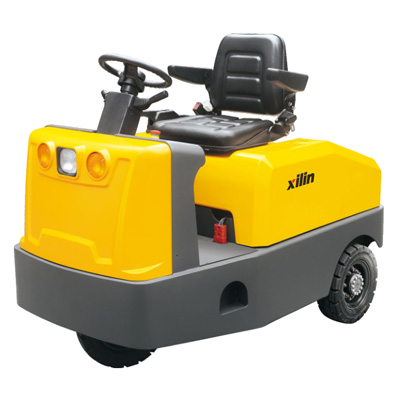 Tow Tractor
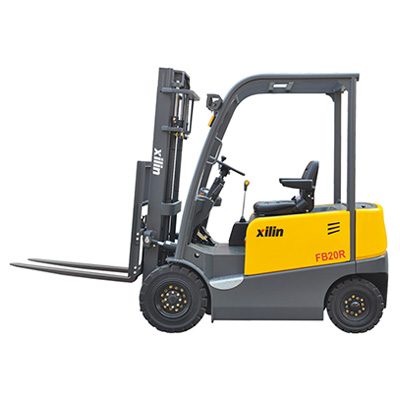 Electric Forklift
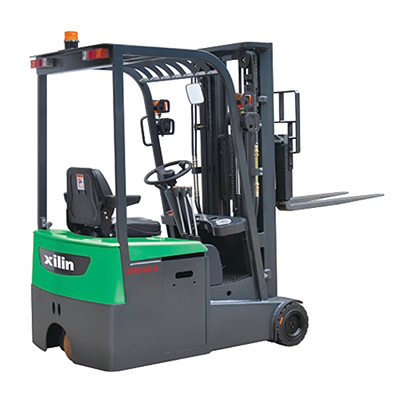 Lithium-ion Truck
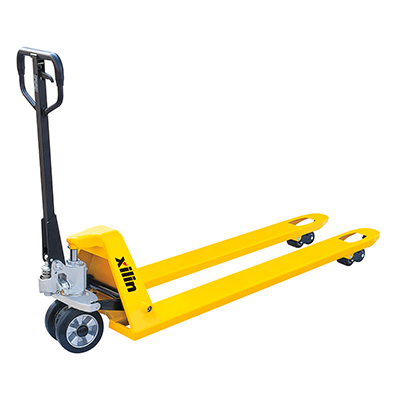 Hand Pallet Truck
 Manual Stacker
 Lift Table
Content
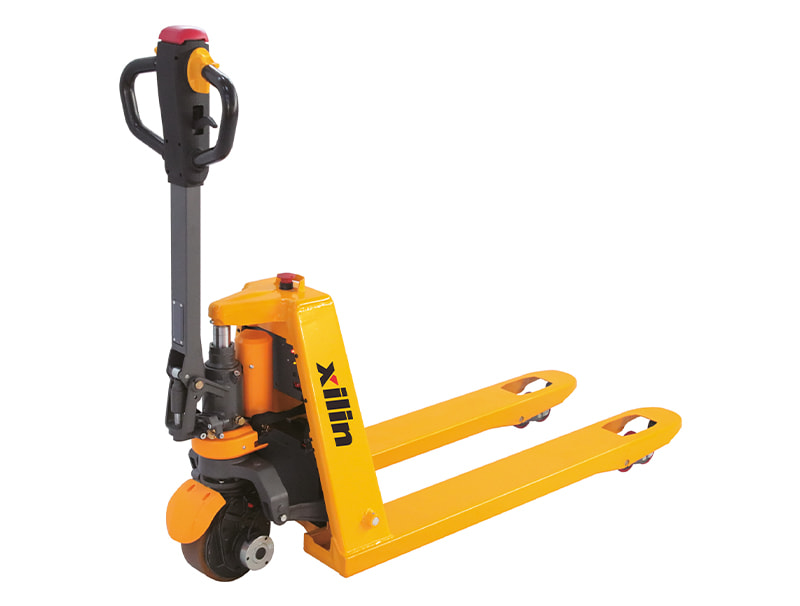
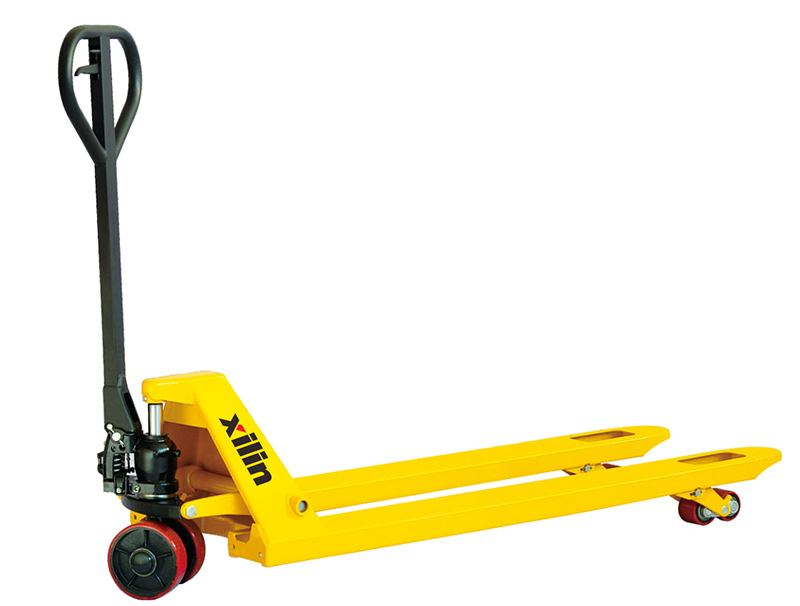
To use a Hand Pallet Truck correctly, lower the forks fully, align them straight into the pallet openings, insert them completely until the fork tips reach the far side of the pallet, pump the handle to raise the load slightly off the ground, and then steer using the handle while pushing rather than pulling whenever possible. Most standard hand pallet trucks are rated to lift between 2000 and 2500 kilograms, and staying within this rated capacity is essential to avoid hydraulic strain or tipping. Proper technique, correct load positioning, and routine inspection of the wheels and hydraulic pump together make up the core of safe and efficient operation.
Step by Step Operating Instructions
Following a consistent process each time reduces the risk of misaligned loads, wasted effort, or equipment strain.
- Check that the forks are fully lowered before approaching the pallet
- Align the truck squarely with the pallet entry points to avoid catching the fork tips
- Push the forks in slowly until they reach the far end of the pallet
- Move the control handle to the raise position and pump until the load lifts slightly off the ground
- Switch the handle to neutral before moving to prevent unintended lowering
- Push the load from the handle end, keeping it in a controlled walking pace
- Lower the forks gently by releasing the lowering valve once the load reaches its destination
Correct Load Positioning
Even weight distribution across the forks has a direct effect on stability and steering control while the truck is in motion.
Centering the Load
The load should sit as close to the center of the forks as possible. An unevenly balanced pallet can cause the truck to pull to one side, making it harder to steer and increasing strain on the wheel assembly.
Fork Insertion Depth
Forks should be inserted to their full length whenever the pallet allows it. Partial insertion concentrates weight closer to the fork tips, which increases the chance of the load tipping forward during transport.
Push Versus Pull Technique
Ergonomic research published by the Health and Safety Executive (HSE) in the United Kingdom has consistently found that pushing a load places less strain on the lower back than pulling, since pushing allows the operator to use body weight and leg strength rather than relying on the arms and spine.
| Technique | When to Use |
| Pushing | Preferred method for most transport, reduces back strain |
| Pulling | Only when visibility ahead is blocked or navigating tight turns |
Whenever pulling is necessary due to limited forward visibility, moving at a slower pace and checking surroundings frequently is recommended to compensate for reduced control.
Weight Limits and Load Capacity
Operating within the rated capacity of the equipment protects both the hydraulic system and the operator. Exceeding the stated limit can cause the pump mechanism to fail to lift properly or place excess strain on the chassis over time.
- Standard hand pallet trucks are commonly rated between 2000 and 2500 kilograms
- Heavy duty models can be rated up to 3000 kilograms or more for industrial use
- Always check the capacity plate on the unit rather than assuming a standard rating applies
Surface and Environment Considerations
The type of flooring and surrounding environment affects both maneuverability and wheel wear over time.
Floor Surface
Smooth, level concrete or epoxy coated floors allow for the easiest operation. Uneven surfaces, cracks, or debris can cause the wheels to catch, increasing the physical effort required to move the load and raising the risk of tipping.
Ramps and Inclines
When moving a hand pallet truck up or down a ramp, the load should always be positioned on the uphill side of the operator so that gravity does not pull the load away from control. Most manufacturers recommend limiting ramp use to gentle inclines of around 5 degrees or less for manual pallet trucks.
Common Mistakes to Avoid
- Overloading beyond the rated capacity listed on the equipment plate
- Inserting forks at an angle instead of straight into the pallet openings
- Pulling the load for long distances when pushing is possible
- Turning sharply while the load is raised, which can cause tipping on uneven surfaces
- Ignoring squeaking or stiff pump action, which often signals the need for hydraulic maintenance
Routine Maintenance for Safe Operation
A well maintained hand pallet truck operates more smoothly and lasts significantly longer. Basic maintenance steps include:
- Check wheels regularly for debris buildup or uneven wear
- Inspect the hydraulic pump for smooth lifting action and listen for unusual noise
- Keep pivot points and axles lightly lubricated according to manufacturer guidance
- Confirm the lowering valve releases smoothly without sudden drops
Facilities that follow a consistent inspection schedule, often weekly in high use warehouse settings, tend to report fewer equipment failures and longer service life from their manual material handling tools.
Final Thoughts
Operating a hand pallet truck safely comes down to a few consistent habits, including proper fork alignment, centered load placement, staying within rated capacity, and favoring pushing over pulling whenever possible. Combined with routine wheel and hydraulic checks, these practices help maintain both operator safety and equipment longevity in daily warehouse use. For businesses looking for a reliable manual handling solution, a well built Hand Pallet Truck offers straightforward operation and dependable performance across a wide range of load and floor conditions.