 英语
英语 西班牙语
西班牙语 德语
德语 法语
法语 俄语
俄语
 Electric Pallet Truck
 Electric Stacker
 Order Picker
 Narrow Aisle Truck
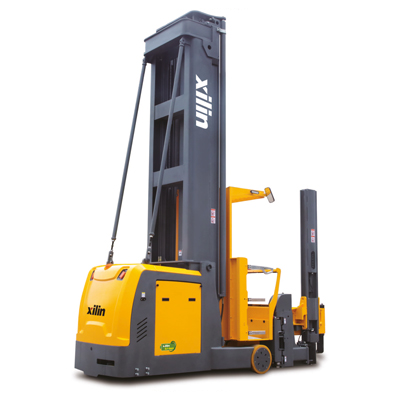 VNA Tri-Lateral Stacker
 Tow Tractor
 Electric Forklift
 Lithium-ion Truck
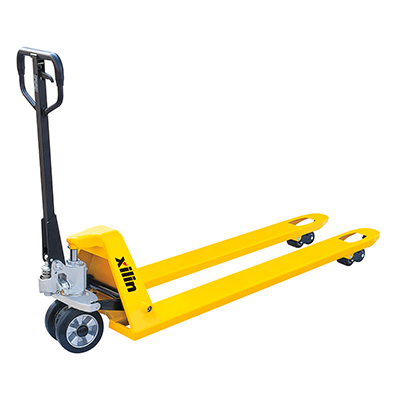 Hand Pallet Truck
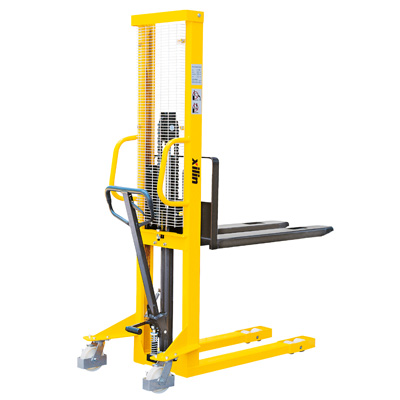 Manual Stacker
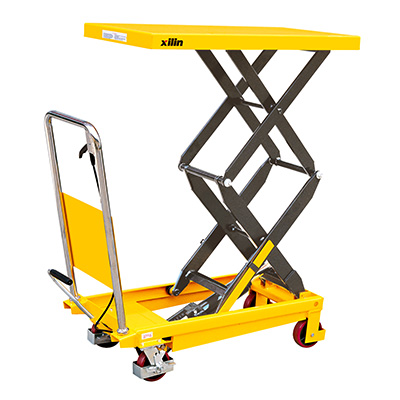 Lift Table
Content
- 1 Fall Protection Systems
- 2 Operator Presence and Interlock Systems
- 3 Speed and Height Limiting Controls
- 4 Emergency Controls and Backup Systems
- 5 Visibility and Warning Systems
- 6 Why These Features Matter in Real Warehouse Operations
- 7 Choosing an Order Picker With the Right Safety Standards
- 8 Final Thoughts
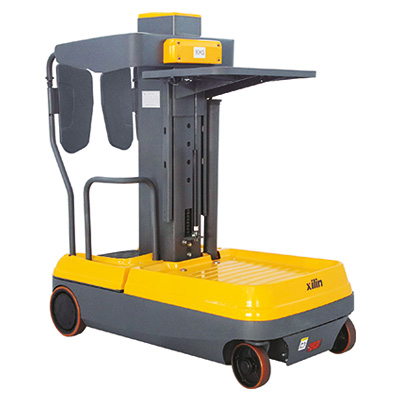
The key safety features of an Order Picker include a fall protection harness anchor point, a fully enclosed operator platform with guardrails, an interlock system that prevents movement unless the operator is properly positioned, emergency lowering controls, and slow travel speed limits when the platform is elevated. These features exist because order pickers lift workers to significant heights while they select items from upper racking, which introduces fall and collision risks that ground level forklifts do not face. According to data published by the Occupational Safety and Health Administration (OSHA), falls remain one of the leading causes of injury involving elevated warehouse equipment, which is why modern order pickers are engineered with multiple layered safety systems rather than relying on a single protective measure.
Fall Protection Systems
Because operators are lifted along with the load platform, fall protection is the most critical safety category for any order picker.
Harness Anchor Points
Every certified order picker includes a designated anchor point for a full body harness and lanyard. OSHA standard 1910.178 requires operators of order picker style lift trucks to use fall protection whenever the platform is elevated, making this one of the most heavily enforced safety requirements in warehouse operations.
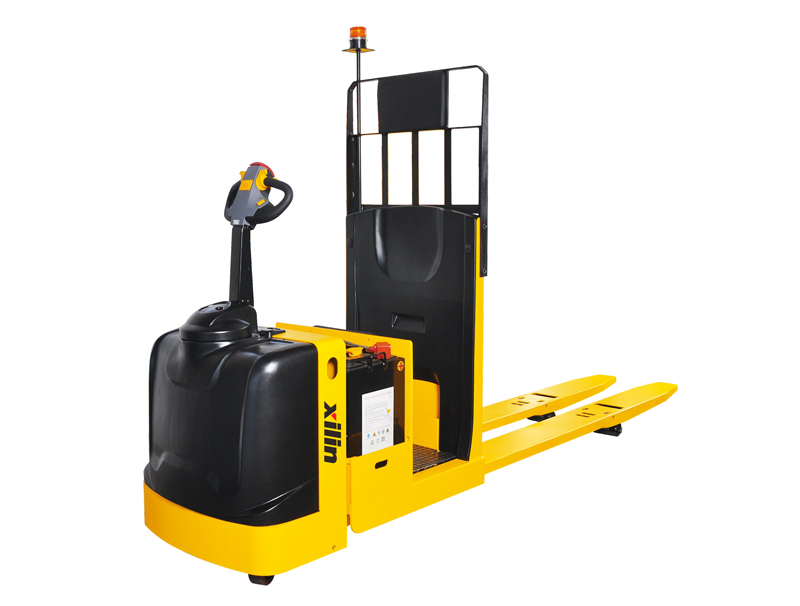
Enclosed Platform Guardrails
The operator platform is surrounded by guardrails on all sides, typically reaching a minimum height of around 1.1 meters, to prevent accidental stepping off the platform while reaching for stock at height.
Operator Presence and Interlock Systems
Modern order pickers include electronic interlock systems that monitor whether the operator is correctly positioned on the platform before allowing the machine to lift or travel.
- Presence sensing floor mats or pressure plates that detect operator position
- Automatic lockout of lift and drive functions if the operator steps outside the designated zone
- Gate or door interlocks that prevent elevation if the platform entry is not fully closed
These systems reduce the chance of the machine moving unexpectedly while a worker is off balance or reaching outside the platform boundary, which is one of the more common causes of incidents reported in confined aisle warehouse environments.
Speed and Height Limiting Controls
An order picker automatically adjusts its performance based on how high the platform is raised, which is a core safety design shared across the industry.
| Safety Control | Function |
| Elevated travel speed limiter | Reduces maximum drive speed once the platform rises above a set height |
| Mast tilt restriction | Prevents excessive tilt at height to maintain load stability |
| Load moment sensing | Monitors weight distribution to prevent tipping from an unbalanced load |
| Maximum lift height cutoff | Stops elevation at the rated height limit of the specific model |
Emergency Controls and Backup Systems
Reliable emergency response features are essential in case of a malfunction or operator emergency while the platform is elevated.
Emergency Lowering
In the event of a hydraulic or electrical fault, an emergency lowering function allows the platform to be brought down safely, either by the operator or by a ground level rescue control, without relying on the primary lift system.
Ground Level Controls
Most order pickers include a secondary control panel accessible from the ground floor, allowing a second worker to lower the platform manually if the operator becomes unresponsive.
Battery and Power Monitoring
Onboard diagnostics alert operators to low battery charge or system faults before they become safety issues, helping avoid the platform stalling at height during a pick run.
Visibility and Warning Systems
Since order pickers frequently operate in narrow warehouse aisles, visibility features play a significant role in preventing collisions with racking, pedestrians, or other equipment.
- Flashing warning lights that activate automatically when the platform is elevated
- Audible travel alarms that sound during movement in aisles
- Rear and side view mirrors or cameras for improved aisle navigation
- Reflective platform markings to increase visibility to nearby foot traffic
Why These Features Matter in Real Warehouse Operations
Warehouse safety data compiled by the National Institute for Occupational Safety and Health (NIOSH) has consistently identified elevated work platforms and order picking equipment as a category requiring focused fall prevention training, given the frequency of repetitive high level picking tasks performed daily in distribution centers. Facilities that pair well engineered safety features with consistent daily pre operation inspections report meaningfully fewer incidents than those relying on equipment safeguards alone. Regular checks of harness anchor points, interlock function, and emergency lowering systems are typically recommended before every shift.
Choosing an Order Picker With the Right Safety Standards
When evaluating equipment for a warehouse or distribution center, safety certifications and built in protective systems should be a primary consideration alongside lift height and load capacity. Look for models that meet recognized industry standards, include a full suite of interlocks and fall protection points, and provide clear operator training documentation. An Order Picker built with layered safety systems, from harness anchoring to automatic speed limiting, helps warehouse teams maintain productivity without compromising operator protection during high level picking tasks.
Final Thoughts
The safety of an order picker depends on multiple systems working together rather than any single feature, including fall protection anchoring, operator presence interlocks, height based speed control, and reliable emergency lowering options. Combined with routine inspections and proper operator training, these built in protections significantly reduce the risks associated with elevated picking work. For warehouses prioritizing operator safety without sacrificing efficiency, choosing equipment engineered around these core safety principles is a critical first step.