 英语
英语 西班牙语
西班牙语 德语
德语 法语
法语 俄语
俄语
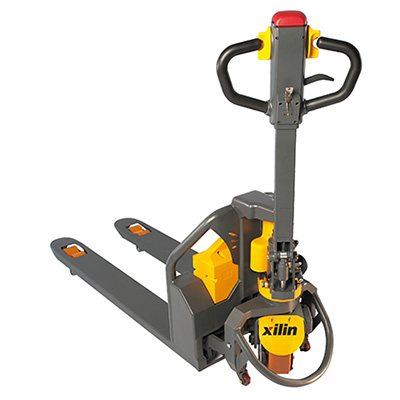 Electric Pallet Truck
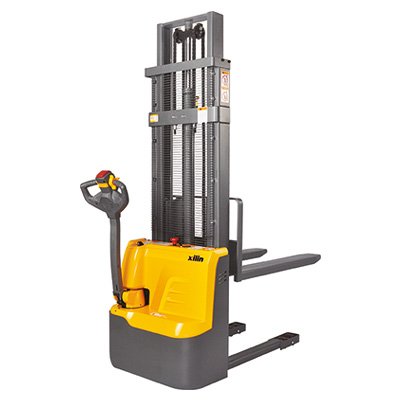 Electric Stacker
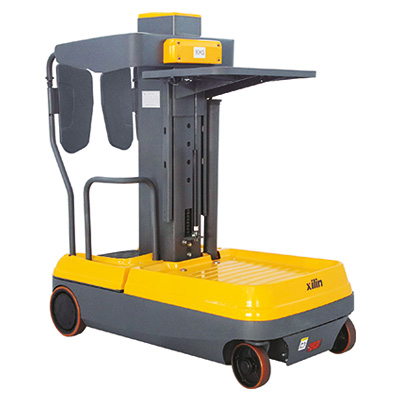 Order Picker
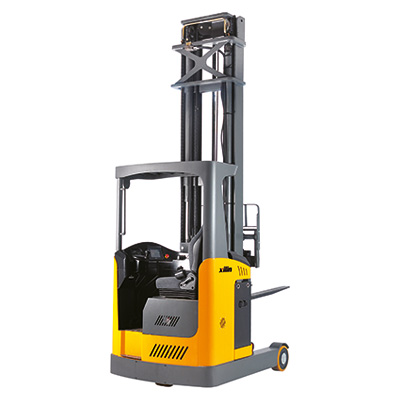 Narrow Aisle Truck
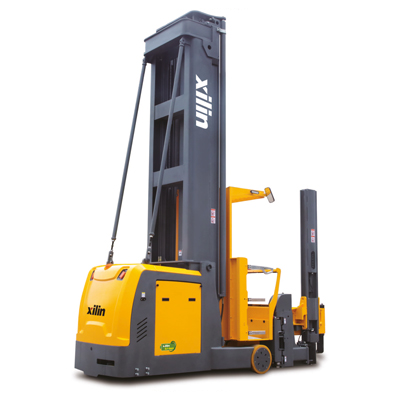 VNA Tri-Lateral Stacker
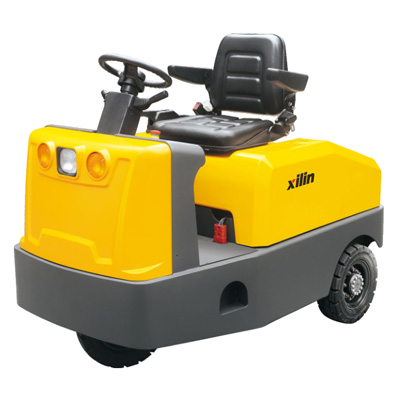 Tow Tractor
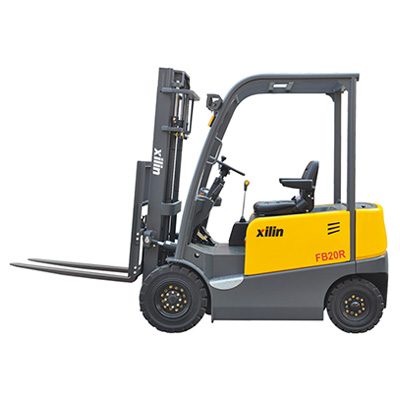 Electric Forklift
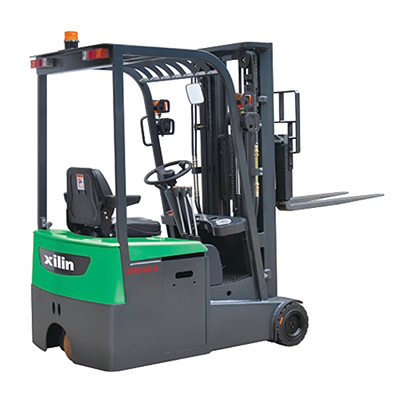 Lithium-ion Truck
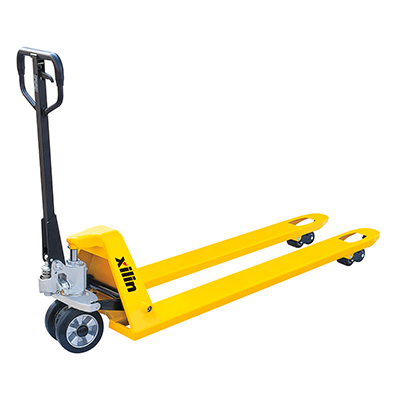 Hand Pallet Truck
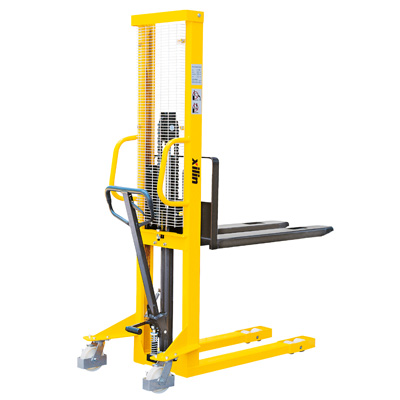 Manual Stacker
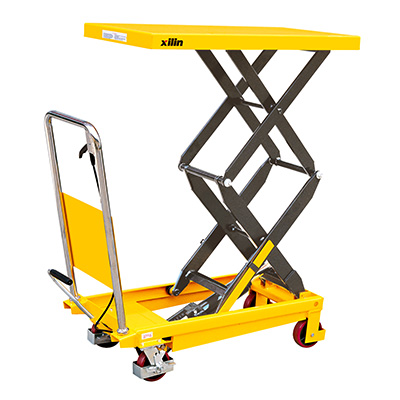 Lift Table
Content
- 1 How a Tow Tractor Works
- 2 Types of Tow Tractors
- 3 Key Applications of Tow Tractors
- 4 Tow Tractor vs. Forklift: Key Differences
- 5 Towing Capacity and Specifications to Know
- 6 Safety Considerations for Tow Tractor Operation
- 7 Electric vs. IC Tow Tractors: Which Should You Choose?
- 8 The Rise of Autonomous Tow Tractors
- 9 Maintenance and Total Cost of Ownership
- 10 How to Select the Right Tow Tractor for Your Operation
A tow tractor is a specialized industrial vehicle designed to pull or push heavy loads — such as trailers, carts, baggage dollies, and equipment — across flat surfaces in warehouses, airports, factories, and distribution centers. Unlike forklifts that lift loads, tow tractors move loads horizontally by coupling to wheeled trailers or carts via a hitch or drawbar. They are also commonly referred to as tugger tractors, baggage tractors, or personnel carriers depending on the application.
Tow tractors are a critical component of modern material handling and ground support operations. A single tow tractor can pull multiple trailers in a train formation, moving thousands of pounds of cargo in one trip — dramatically reducing labor costs and improving throughput compared to manual handling or individual cart movements.
How a Tow Tractor Works
A tow tractor operates by connecting to one or more wheeled trailers or carts using a tow hitch, drawbar, or coupling pin. The operator drives the tractor while the connected load follows behind (or is pushed in front, for some models). The tractor's drivetrain provides the pulling force, while the attached trailers carry the actual cargo.
Most tow tractors feature a compact, low-profile design to navigate narrow aisles and tight corners. Key operational features include:
- A rear or front hitch for attaching trailers or carts
- An electric or internal combustion engine providing consistent torque for heavy pulls
- Low-speed, high-torque operation — most units travel between 5 and 15 mph depending on load and setting
- Regenerative braking (on electric models) to extend battery life
- Ergonomic operator platforms, either sit-down or stand-up configurations
In train-pulling configurations, a single tow tractor can haul a string of 4–10 carts in a "milk run" route through a facility, picking up and dropping off materials at multiple stations in a single pass.
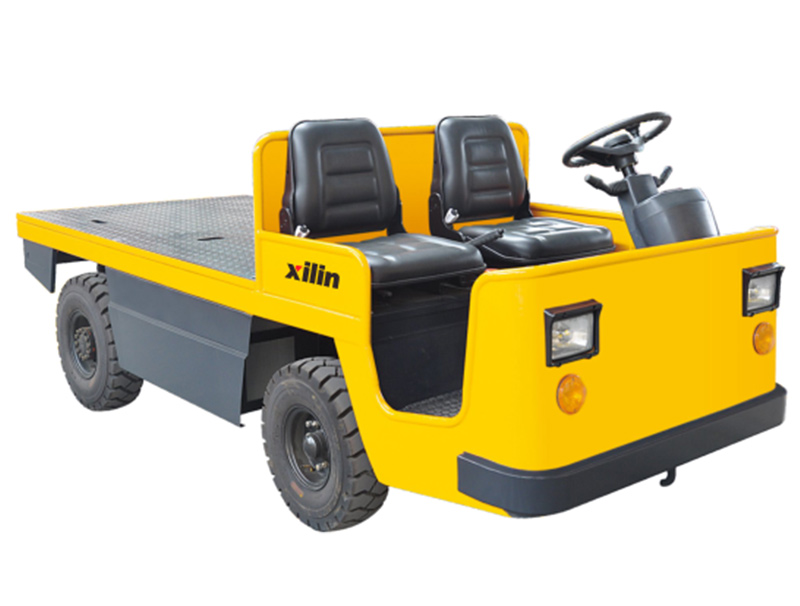
Types of Tow Tractors
Tow tractors come in several configurations, each suited to specific environments and load requirements. Choosing the right type depends on towing capacity, operating surface, indoor vs. outdoor use, and duty cycle.
Electric Tow Tractors
Electric tow tractors are the most widely used type in indoor environments such as warehouses, manufacturing plants, and hospitals. They run on rechargeable lead-acid or lithium-ion batteries, produce zero emissions, and operate quietly — making them ideal for enclosed spaces. Battery-powered units typically offer towing capacities ranging from 2,000 to 50,000 lbs, with some heavy-duty models exceeding that range.
Internal Combustion (IC) Tow Tractors
Powered by gasoline, diesel, or liquid propane (LP) engines, IC tow tractors are better suited for outdoor use where battery charging infrastructure is unavailable. They deliver higher continuous power for longer shifts but generate exhaust emissions that limit their use indoors. These are common in airport ramp operations and outdoor freight yards.
Pedestrian (Walkie) Tow Tractors
Smaller, walk-behind tow tractors are operated by a pedestrian who walks alongside the unit. These are suitable for lighter loads — typically up to 3,000–5,000 lbs — and are used in retail stockrooms, small warehouses, and tight spaces where a full rider tractor would be impractical.
Automated Guided Tow Tractors (AGT)
A growing category, automated guided tow tractors follow pre-programmed routes using laser navigation, magnetic tape, or vision-based systems. They are increasingly deployed in automotive manufacturing and large e-commerce fulfillment centers, where they can operate autonomously around the clock with minimal human intervention.
| Type | Power Source | Typical Tow Capacity | Best Use Case | Emissions |
|---|---|---|---|---|
| Electric Rider | Battery | 2,000 – 50,000 lbs | Indoor warehouse, manufacturing | Zero |
| IC (Diesel/LP) | Fuel | 5,000 – 80,000+ lbs | Outdoor ramps, freight yards | Yes |
| Pedestrian Walkie | Battery | Up to 5,000 lbs | Small warehouses, retail | Zero |
| Automated (AGT) | Battery | 2,000 – 20,000 lbs | Automotive plants, e-commerce | Zero |
Key Applications of Tow Tractors
Tow tractors serve a wide range of industries. Their ability to move large volumes of material efficiently without lifting makes them uniquely versatile across environments where horizontal transport is the primary need.
Airport Ground Support
One of the most visible applications is at airports, where tow tractors (often called baggage tractors) pull strings of baggage carts between aircraft and terminals. A single airport tow tractor may haul 6–10 baggage carts at a time, each loaded with checked luggage. Specialized aircraft tow tractors — known as pushback tractors — also move entire aircraft to and from gates, with some capable of handling aircraft weighing over 1 million lbs.
Warehouse and Distribution Centers
In large distribution facilities, tow tractors are central to "tugger" or "water spider" material handling systems. Rather than relying on forklifts for every move, facilities use tow tractors on fixed milk-run routes to deliver components or picked goods to assembly lines or packing stations on a scheduled loop. This approach can reduce material handling labor by 30–50% compared to point-to-point forklift moves.
Automotive Manufacturing
Automotive plants rely heavily on tow tractors to supply parts to assembly lines. Just-in-time (JIT) manufacturing requires precise, scheduled delivery of components — tow tractors operating on set routes keep lines running without excess inventory. Automated guided tow tractors are increasingly used in this sector to remove human error from repetitive route-based transport tasks.
Hospitals and Healthcare Facilities
Large hospital campuses use electric tow tractors to transport linens, medical supplies, food carts, and waste between departments and floors (via freight elevators). Their quiet operation and zero emissions make them particularly suitable for sensitive healthcare environments.
Military and Government Facilities
Military bases use heavy-duty tow tractors for moving munitions carts, aircraft ordnance, and support equipment. These units are built to strict durability standards and often operate in demanding outdoor environments across all weather conditions.
Tow Tractor vs. Forklift: Key Differences
Tow tractors and forklifts are both common in material handling, but they serve fundamentally different purposes. Understanding the distinction helps operations choose the right tool for the job.
| Factor | Tow Tractor | Forklift |
|---|---|---|
| Primary Function | Horizontal towing/pulling | Vertical lifting and stacking |
| Load Type | Wheeled carts/trailers | Palletized or boxed goods |
| Throughput | High (multiple carts per trip) | Lower (one pallet at a time) |
| Operator Certification | Required (lower complexity) | Required (higher complexity) |
| Overhead Clearance Needed | Low (no mast) | High (mast raises load) |
In practice, many facilities use both — forklifts for loading/unloading racks and trailers, and tow tractors for internal transport across the facility floor.
Towing Capacity and Specifications to Know
When evaluating a tow tractor, several specifications determine whether the unit is appropriate for your application. Towing capacity is the most cited figure, but it's far from the only one that matters.
- Drawbar Pull (DBP): The actual pulling force a tractor exerts, measured in pounds or kilonewtons. This differs from gross tow capacity and is a more accurate indicator of real-world performance on grades or rough surfaces.
- Gross Tow Capacity: The maximum combined weight of all trailers and cargo the unit can safely pull on a level surface. Ranges from 2,000 lbs for small electric walkies to over 100,000 lbs for heavy-duty outdoor tractors.
- Battery Capacity (for electric models): Measured in amp-hours (Ah) or kilowatt-hours (kWh), this determines how long the tractor can operate per charge. Lithium-ion batteries typically offer opportunity charging during breaks, unlike lead-acid which requires full charge cycles.
- Turning Radius: Critical for tight warehouse aisles. Compact tow tractors can have turning radii as small as 60–80 inches, while larger outdoor units may require much more space.
- Grade Capability: The maximum incline the tractor can handle while loaded, typically expressed as a percentage. Most indoor units are rated for 5–10% grades; outdoor models may handle 15–25%.
- Operator Configuration: Sit-down rider, stand-on platform, or pedestrian walk-behind — each affects ergonomics, visibility, and suitability for the task length and distance.
Safety Considerations for Tow Tractor Operation
Tow tractors, while less dangerous than forklifts in terms of tipping loads, present their own safety risks — particularly related to pedestrian interaction, trailer swing, and coupling failures. OSHA's powered industrial truck standards (29 CFR 1910.178) apply to tow tractor operations in the United States.
Pedestrian Safety
A tow tractor pulling a train of carts creates a long, sweeping obstacle. Operators must watch for pedestrians stepping into the path of trailing carts — which may not be visible in mirrors. Facilities should designate separate pedestrian and vehicle lanes, use floor markings, and install warning lights or audible alarms on tractors operating in shared spaces.
Coupling and Load Security
Improperly secured hitches can cause trailers to detach at speed. Operators should inspect coupling pins, safety clips, and drawbars before every shift. Overloading beyond rated tow capacity strains the drivetrain and braking system, increasing stopping distance and risk of runaway loads.
Operator Training and Certification
All tow tractor operators must complete formal training covering pre-use inspection, safe travel speeds, load limits, emergency procedures, and right-of-way rules. Refresher training is required every 3 years under OSHA guidelines, or sooner following an observed unsafe operation or accident.
Speed Management
Loaded tow trains have significantly longer stopping distances than the tractor alone. Indoor operations typically limit speeds to 5 mph in pedestrian areas and up to 10 mph in vehicle-only zones. Some modern tow tractors include speed limiters and geofencing that automatically reduce speed in designated areas.
Electric vs. IC Tow Tractors: Which Should You Choose?
The choice between electric and internal combustion tow tractors depends on your operating environment, shift structure, and total cost of ownership priorities. Here is a practical breakdown:
- Choose electric if you operate primarily indoors, have access to charging infrastructure, run one or two shifts per day, or are targeting zero-emission facility goals. Electric models have lower per-hour operating costs — typically $0.02–0.05/kWh for electricity vs. significantly more for fuel — and fewer moving parts means lower maintenance over time.
- Choose IC (diesel or LP) if you operate outdoors in variable terrain, require continuous three-shift operation without downtime for charging, or work in environments where battery performance would be degraded by extreme temperatures.
- Consider lithium-ion electric as a premium alternative to lead-acid for multi-shift operations — lithium-ion batteries support opportunity charging (partial charges during breaks) without memory degradation, and have a lifespan of 2,000–3,000 cycles compared to 1,000–1,500 for lead-acid.
From a total cost of ownership (TCO) perspective, electric tow tractors typically break even with IC units within 3–5 years when accounting for fuel and maintenance savings, making them the economically superior choice for most indoor operations.
The Rise of Autonomous Tow Tractors
Automated guided tow tractors represent one of the fastest-growing segments in industrial automation. Unlike traditional AGVs (automated guided vehicles) that follow fixed magnetic tracks, modern autonomous tow tractors use LiDAR, cameras, and AI-based navigation to move freely through dynamic environments, rerouting in real time around obstacles and human workers.
The business case is compelling. A single autonomous tow tractor can operate 24 hours a day, 7 days a week without breaks, vacation, or overtime — with estimated labor cost savings of $40,000–$80,000 per year per unit compared to manned operation. Automotive manufacturers were early adopters, but adoption is now accelerating in e-commerce, food and beverage, and aerospace sectors.
Key considerations when evaluating autonomous tow tractors include:
- Fleet management software integration — autonomous units need to communicate with WMS (Warehouse Management Systems) and ERP platforms
- Safety certification — look for compliance with ISO 3691-4 (industrial trucks) and local regulations governing autonomous vehicles
- Mixed-environment performance — the ability to operate safely alongside human workers and manned vehicles without dedicated lanes
- ROI timeline — most deployments achieve payback in 18–36 months depending on shift intensity and labor market conditions
Maintenance and Total Cost of Ownership
Proper maintenance of a tow tractor extends its operational lifespan — which averages 7–12 years for quality units — and prevents costly unplanned downtime. A well-maintained electric tow tractor has significantly fewer maintenance touchpoints than a comparable IC model.
Routine Maintenance Tasks
- Daily: Pre-shift inspection of tires, brakes, hitch, lights, battery charge level or fuel level, and fluid checks
- Monthly: Battery water level check (lead-acid), terminal cleaning, brake adjustment inspection, tire pressure
- Annually: Full drivetrain inspection, hydraulic system check, motor brushes (if applicable), contactor and cable inspection, load test of battery capacity
Annual maintenance costs for electric tow tractors typically run $500–$2,000 per unit depending on usage intensity, compared to $1,500–$4,000+ for IC models that require oil changes, filter replacements, fuel system service, and emissions compliance checks.
How to Select the Right Tow Tractor for Your Operation
Selecting the correct tow tractor requires a structured evaluation of your specific operational needs. Buying undersized creates bottlenecks and accelerates wear; buying oversized wastes capital and increases operating space requirements.
Follow this decision framework:
- Define your maximum tow load — calculate the combined weight of the heaviest train you'll ever move, including trailers and cargo, and add a 20% safety margin to your minimum required tow capacity
- Assess your environment — indoor smooth concrete, outdoor asphalt, mixed terrain, or temperature-controlled cold storage each call for different configurations
- Calculate daily operating hours — single-shift operations (8 hours/day) are easily served by lead-acid electric; two- or three-shift operations benefit from lithium-ion or IC alternatives
- Measure your aisle widths and turning requirements — a tractor with too wide a turning radius will create traffic jams in tight facilities
- Evaluate operator ergonomics — for routes longer than a few hundred feet, a sit-down or stand-on rider unit reduces operator fatigue compared to walk-behind models
- Request a demo with your actual loads — always test under real conditions before committing to a fleet purchase