 英语
英语 西班牙语
西班牙语 德语
德语 法语
法语 俄语
俄语
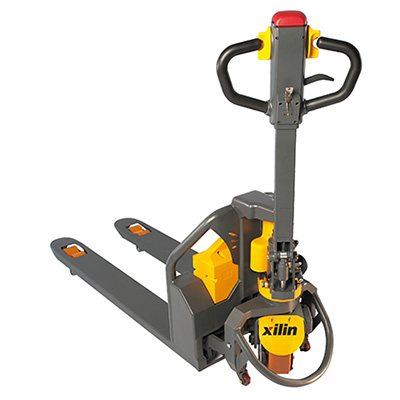 Electric Pallet Truck
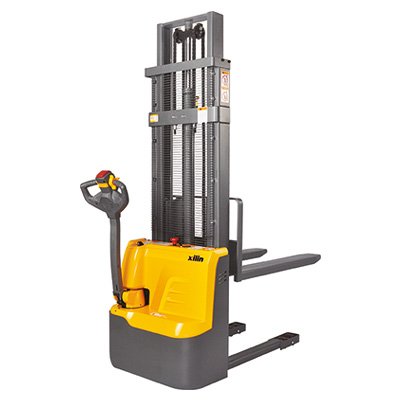 Electric Stacker
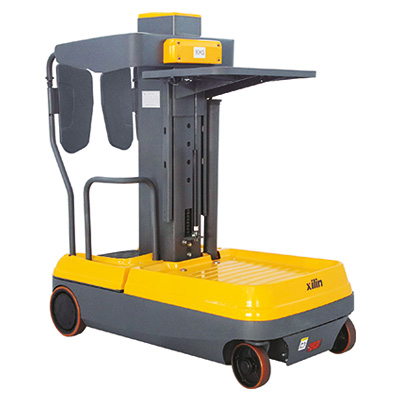 Order Picker
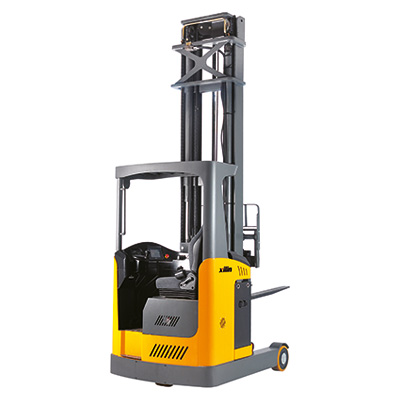 Narrow Aisle Truck
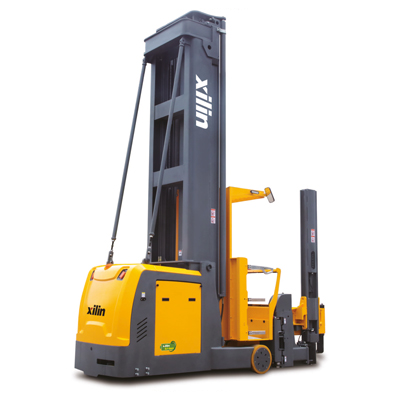 VNA Tri-Lateral Stacker
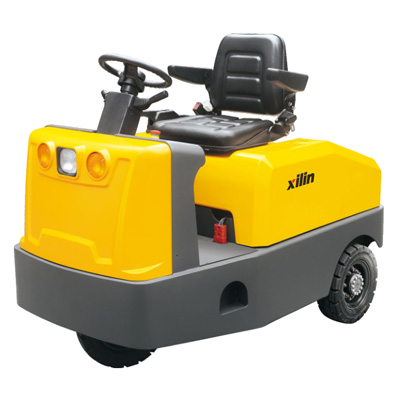 Tow Tractor
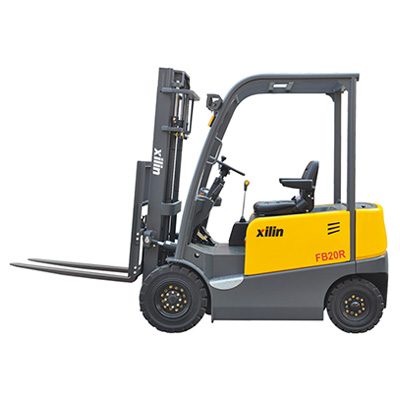 Electric Forklift
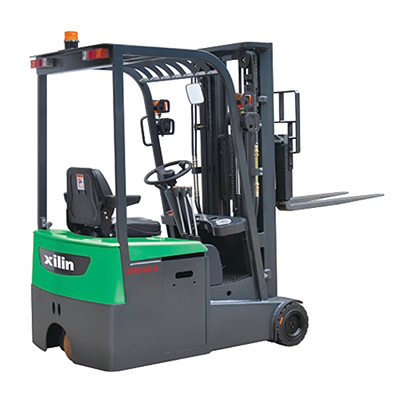 Lithium-ion Truck
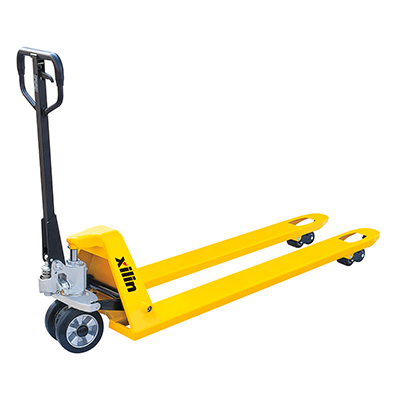 Hand Pallet Truck
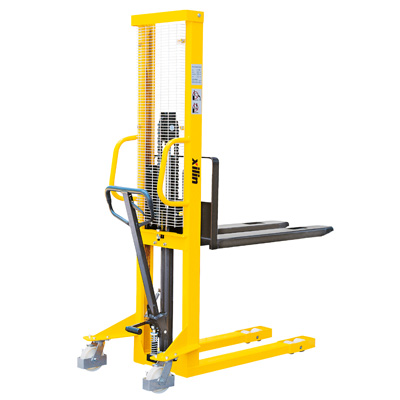 Manual Stacker
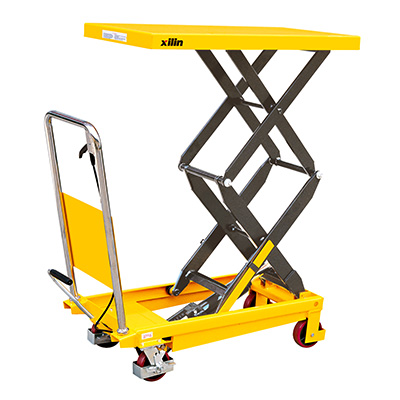 Lift Table
Content
- 1 Electric vs. Manual Pallet Truck: The Core Differences
- 2 Reason 1: Significantly Higher Productivity Per Operator
- 3 Reason 2: Dramatic Reduction in Operator Fatigue and Injury Risk
- 4 Reason 3: Improved Safety in the Working Environment
- 5 Reason 4: Lower Total Cost of Ownership Over Time
- 6 Reason 5: Suitability for a Wide Range of Load Weights and Applications
- 7 Reason 6: Zero Exhaust Emissions for Clean Indoor Air Quality
- 8 Reason 7: Low Noise Operation for Better Working Conditions
- 9 Reason 8: Modern Battery Technology Delivers All-Day Reliability
- 10 Reason 9: Easy Operation and Short Operator Learning Curve
- 11 Industries and Operations That Benefit Most from Electric Pallet Trucks
- 12 When a Manual Pallet Truck Is Still the Right Choice
- 13 What to Look for When Choosing an Electric Pallet Truck
- 14 Summary: The Core Reasons to Choose an Electric Pallet Truck
An electric pallet truck is the right choice when your operation involves frequent, heavy, or long-distance pallet movement — delivering dramatically higher productivity, reduced operator fatigue, better safety outcomes, and lower total operating costs than manual alternatives. For any warehouse, distribution center, or production facility handling more than a moderate volume of pallet moves per day, the investment in an electric pallet truck pays back rapidly through labor efficiency alone.
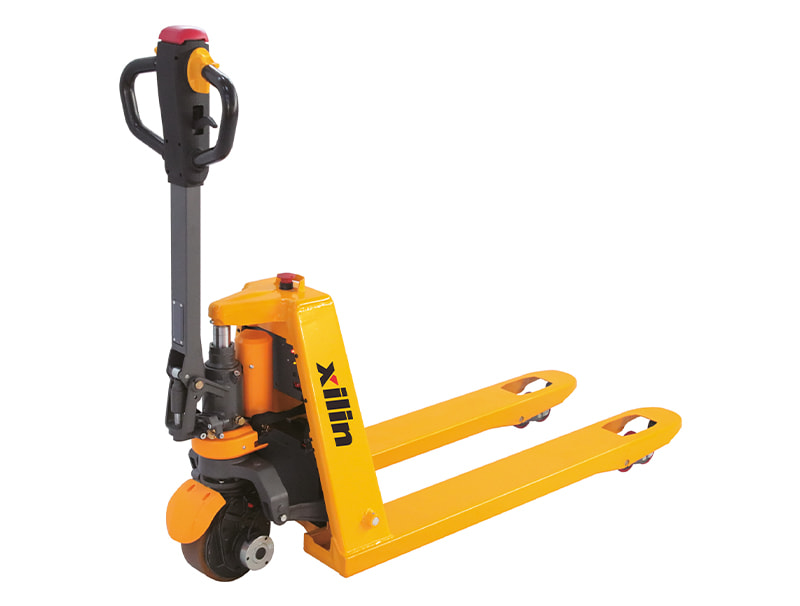
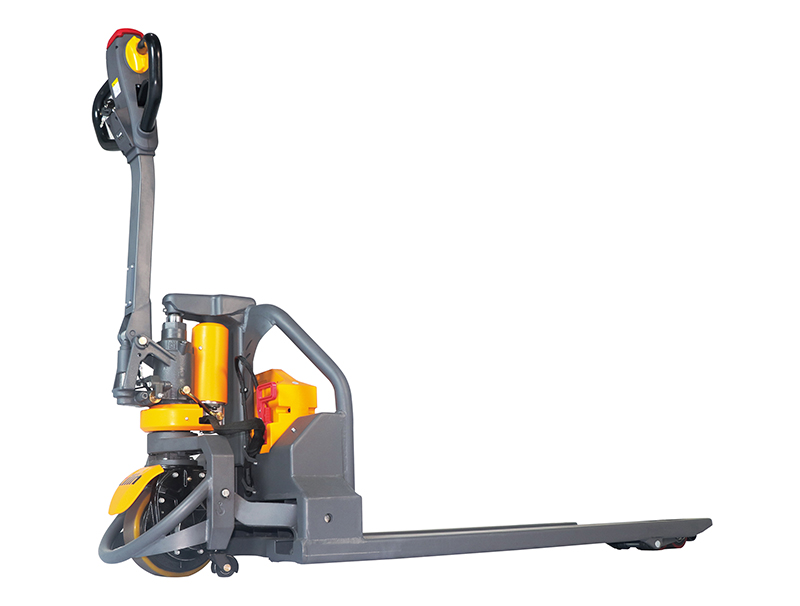
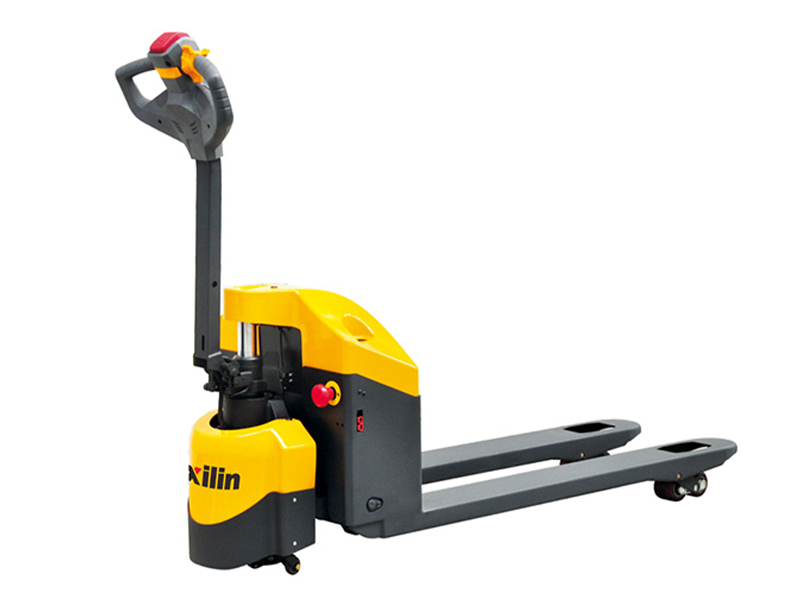
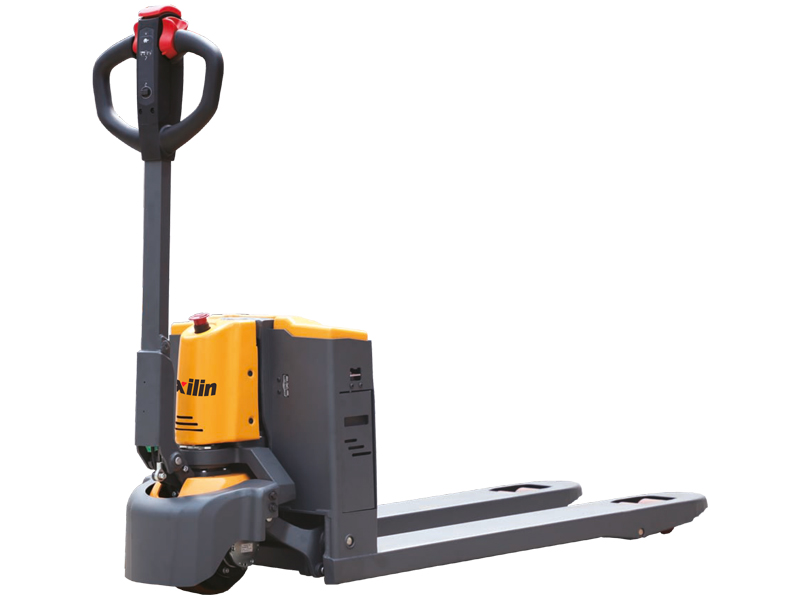
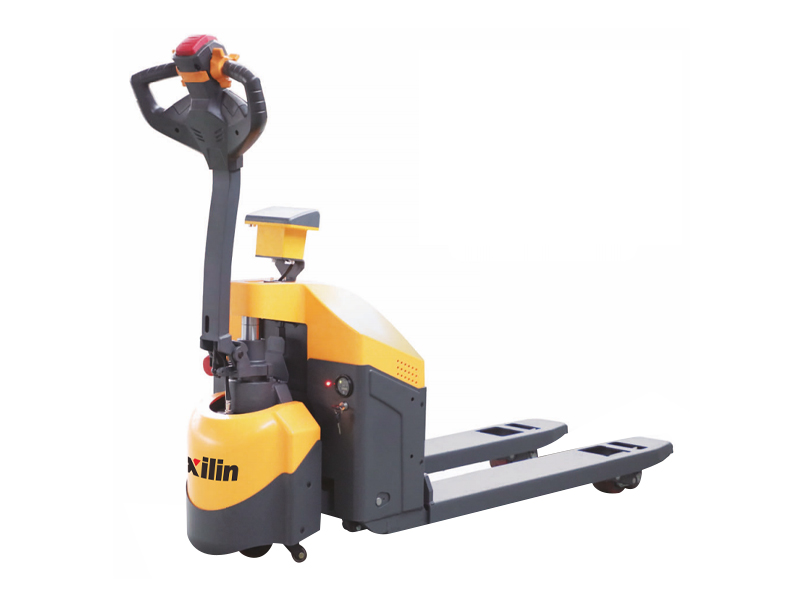
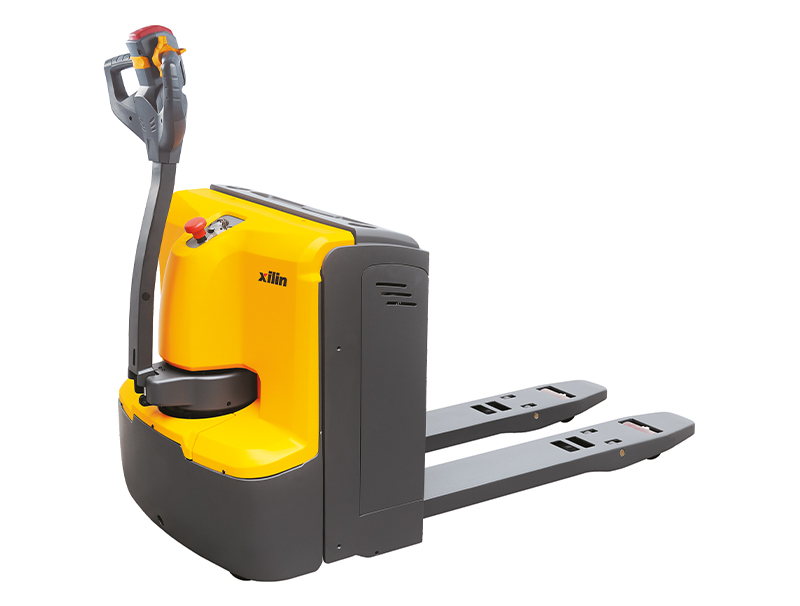
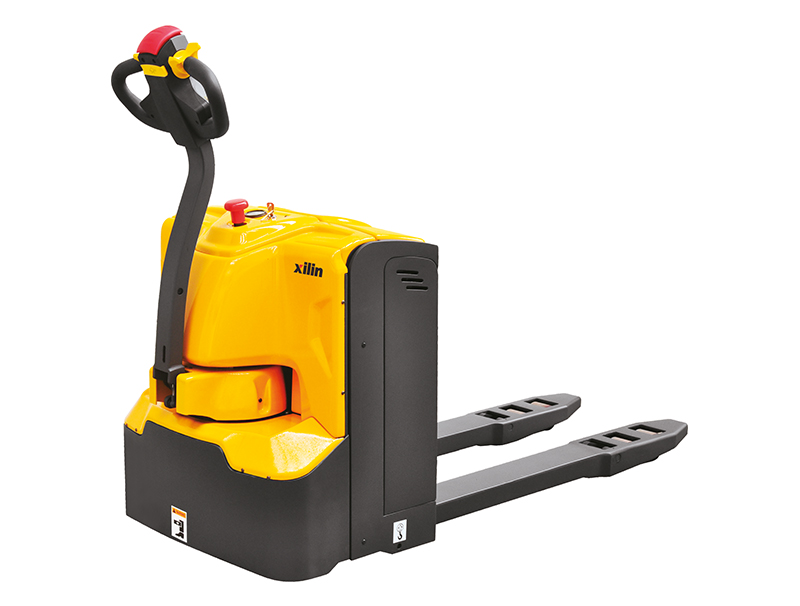
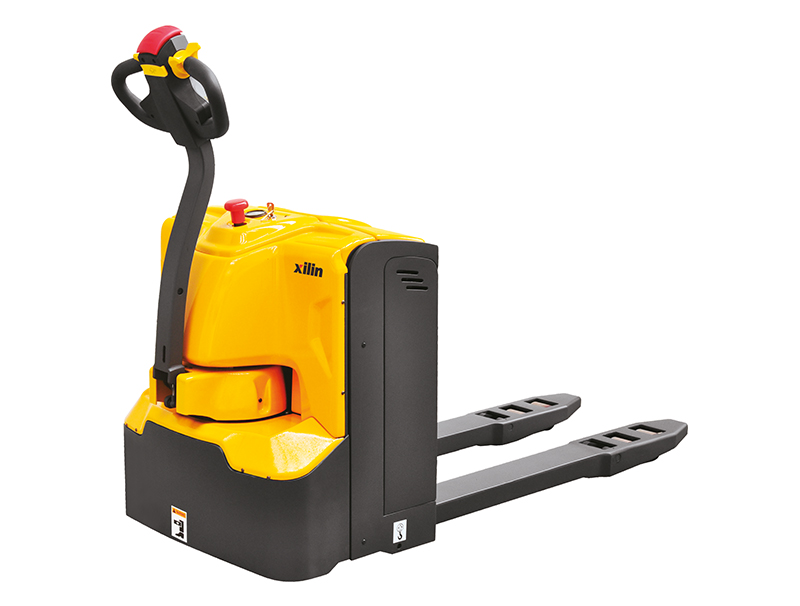
Electric pallet trucks — also called powered pallet trucks, electric pallet jacks, or walkie pallet trucks — use a battery-powered motor to drive both the travel of the machine and the hydraulic lifting of the forks. The operator walks behind or rides on the machine, steering via a tiller arm, while the electric drivetrain eliminates the physical effort of pushing and the manual pumping required with hand pallet trucks. The result is a machine that transforms pallet handling from a physically demanding, speed-limited task into a fast, controlled, and sustainable workflow.
This article explains the specific, practical reasons why operations of all sizes choose electric pallet trucks — backed by real operational data, cost comparisons, and application guidance.
Electric vs. Manual Pallet Truck: The Core Differences
Before exploring the reasons to choose electric, it is useful to understand exactly what separates an electric pallet truck from a standard manual (hand) pallet truck.
| Factor | Electric Pallet Truck | Manual Pallet Truck |
|---|---|---|
| Drive System | Electric motor (battery-powered) | Human push/pull effort |
| Lifting Mechanism | Electric hydraulic pump | Manual pump handle |
| Typical Load Capacity | 1,500 kg – 3,000 kg | 1,500 kg – 2,500 kg |
| Travel Speed (loaded) | 4 – 6 km/h | 1.5 – 3 km/h (walking pace) |
| Operator Physical Effort | Minimal | High (pushing and pumping) |
| Shift Endurance | Full shift (6–8 hours per charge) | Limited by operator fatigue |
| Zero Emissions | Yes | Yes |
| Maintenance Complexity | Moderate (battery, motor, electronics) | Low (hydraulic seals only) |
| Best Suited For | High-frequency, long-distance moves | Low-frequency, short-distance moves |
Reason 1: Significantly Higher Productivity Per Operator
The most immediate and measurable advantage of an electric pallet truck is the volume of work a single operator can accomplish per shift. The speed differential alone is substantial: a loaded electric pallet truck travels at 4 to 6 km/h, while a manual pallet truck operator pushing a heavy load moves at a realistic 1.5 to 2.5 km/h — roughly two to three times slower.
In a distribution center where an operator travels an average of 8 to 12 kilometers per shift handling pallets, this speed difference translates directly into the number of pallet cycles completed per hour. Time-motion studies in warehouse environments consistently show that electric pallet truck operators complete 2.5 to 4 times more pallet moves per shift than operators using manual equipment for equivalent task distances.
For operations running two or three shifts per day, this productivity multiplier compounds significantly. An operation that requires three manual pallet truck operators to meet throughput requirements may need only one or two electric pallet truck operators to achieve the same or greater output — a direct, permanent reduction in labor cost per unit handled.
The electric lifting mechanism also contributes to cycle time savings. Electric hydraulic lifting raises a fully loaded pallet to travel height in 2 to 4 seconds, compared to the 8 to 15 seconds of manual pumping required with a hand pallet truck under the same load — a small per-cycle saving that accumulates significantly over hundreds of lifts per shift.
Reason 2: Dramatic Reduction in Operator Fatigue and Injury Risk
Musculoskeletal disorders (MSDs) caused by manual material handling are the single largest category of workplace injury in warehouse and logistics environments. In the European Union, MSDs account for over 60% of work-related health problems in physically demanding industries. In the United States, manual material handling injuries represent approximately 33% of all workplace injury and illness cases annually, with associated costs running into billions of dollars.
Manual pallet trucks are a significant contributor to these statistics. Pushing a 1,500 kg loaded pallet across a concrete warehouse floor requires a starting force of 150 N to 350 N depending on floor surface and wheel condition — forces that impose substantial strain on the lower back, shoulders, and wrists when repeated dozens or hundreds of times per shift. Manual pumping to lift loads adds repetitive compressive loading to the lumbar spine with each stroke.
An electric pallet truck eliminates virtually all of this physical burden:
- No pushing effort: The electric drive motor propels the machine and load. The operator steers via the tiller arm with minimal directional force — typically under 20 N for steady-state direction control.
- No manual pumping: A button or horn activates the electric hydraulic system. Lifting a full pallet requires no physical effort from the operator beyond pressing a control.
- Reduced whole-body vibration: Electric pallet trucks with cushioned tiller handles and shock-absorbing platforms transmit significantly less vibration to the operator than manually pushed trucks on rough floor surfaces.
- Consistent performance throughout the shift: Unlike a fatigued operator whose manual pushing ability degrades as the shift progresses, an electric pallet truck delivers the same performance at hour eight as at hour one.
Companies that have switched from manual to electric pallet trucks in high-throughput environments consistently report reductions of 30% to 60% in musculoskeletal injury claims from affected worker groups. Beyond the human benefit, this directly reduces workers' compensation costs, absenteeism, and the operational disruption caused by injury-related staffing shortfalls.
Reason 3: Improved Safety in the Working Environment
Electric pallet trucks incorporate active safety systems that manual pallet trucks simply cannot provide. These features reduce the risk of load accidents, collisions, and runaway incidents — particularly important in busy warehouse environments where pedestrian and vehicle traffic share the same floor space.
Controlled Speed and Braking
Electric pallet trucks have a maximum governed speed — typically 6 km/h for walkie models — that cannot be exceeded regardless of the operator's intentions. This consistent speed limit prevents the dangerous runaway situations that can occur on inclines or when a manually pushed loaded pallet gains momentum. Regenerative or electromagnetic braking brings the machine to a controlled stop when the operator releases the drive control, preventing uncontrolled coasting.
Dead-Man Safety Features
Modern electric pallet trucks are equipped with a tiller-position safety switch (sometimes called a dead-man switch or belly button switch). If the tiller is moved to the fully vertical position — indicating the operator has been knocked down or has lost control — the machine automatically brakes and stops. This critical feature prevents a drifting loaded machine from injuring the operator or nearby workers.
Load Stability Under Power
The controlled acceleration and deceleration of an electric pallet truck reduces the risk of load shifting or tipping compared to manual handling where sudden starts and stops are harder to control. Smooth, consistent power delivery keeps the load stable throughout the move, reducing product damage and tip-over incidents.
Reduced Pedestrian Collision Risk
Electric pallet trucks can be fitted with proximity warning systems, audible travel alarms, and LED safety lights that alert pedestrians to the machine's presence and direction of travel — safety enhancements that are not practically available for manually pushed equipment.
Reason 4: Lower Total Cost of Ownership Over Time
The higher purchase price of an electric pallet truck — typically $2,500 to $8,000 versus $200 to $800 for a manual model — leads many buyers to default to manual equipment on cost grounds. However, for operations with meaningful pallet handling volumes, this comparison is fundamentally misleading because it ignores the dominant cost driver: labor.
Labor Cost Analysis
Consider a simple example. A warehouse operator earning $18 per hour (including benefits and overhead) works an 8-hour shift, 250 days per year — an annual labor cost of approximately $36,000. If an electric pallet truck enables one operator to do the work previously requiring two manual pallet truck operators, the annual labor saving is $36,000. At this rate, the additional purchase cost of an electric pallet truck ($4,000 to $6,000 above manual) is recovered in approximately 6 to 8 weeks of operation.
This example uses conservative productivity multipliers. In high-throughput operations with longer travel distances or higher labor rates, the payback period is even shorter.
Injury Cost Reduction
A single significant back injury from manual pallet handling — with workers' compensation, medical treatment, lost time, temporary replacement staffing, and administrative costs — can cost an employer $20,000 to $100,000 or more depending on severity and jurisdiction. Even a modest reduction in injury frequency from switching to electric equipment can generate savings that vastly exceed the equipment cost difference.
Product Damage Reduction
Controlled speed, smooth starts and stops, and precise load handling with an electric pallet truck reduce the frequency of product damage during handling. In food and beverage, retail, and fragile goods operations, product damage costs can be substantial — even a small reduction in damage incidents contributes meaningfully to total cost savings.
Energy Cost
The electricity cost to charge an electric pallet truck battery is remarkably low. A typical 24V / 210Ah battery pack consumes approximately 3 to 5 kWh per full charge cycle. At an average industrial electricity rate of $0.10 to $0.15 per kWh, this translates to an energy cost of $0.30 to $0.75 per full shift — an almost negligible running cost compared to the labor value being generated.
Reason 5: Suitability for a Wide Range of Load Weights and Applications
Electric pallet trucks are available in configurations covering an exceptionally wide range of load capacities and application types, making them adaptable to diverse operational requirements.
| Configuration | Load Capacity | Travel Speed | Best Application |
|---|---|---|---|
| Walkie Electric Pallet Truck | 1,500 – 2,500 kg | 4 – 6 km/h | General warehouse pallet movement, short to medium distances |
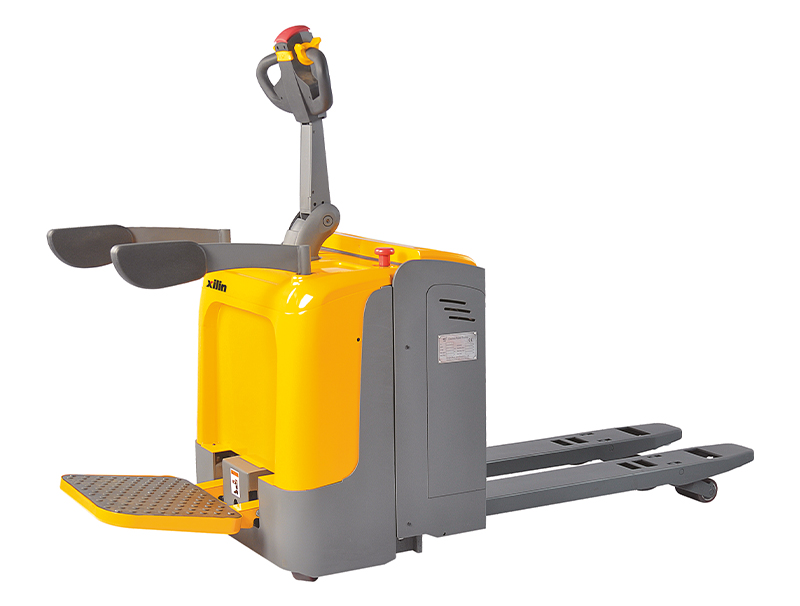
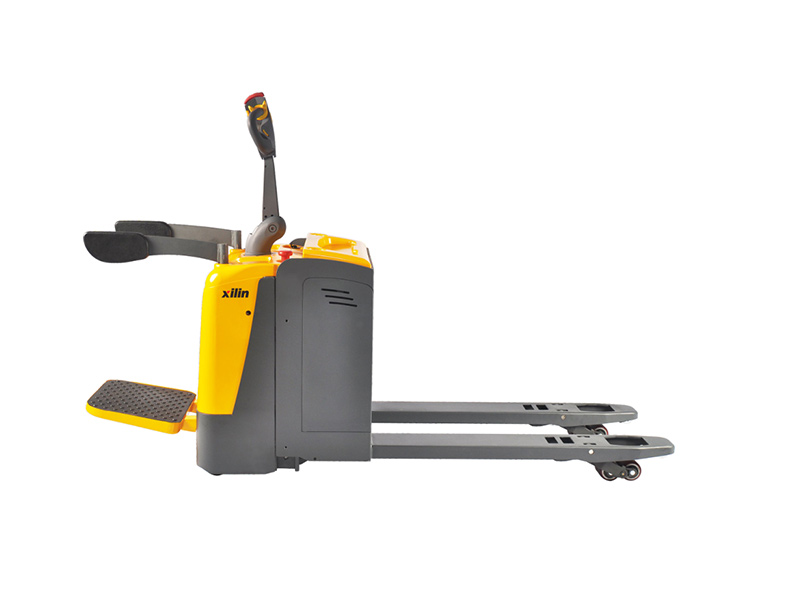
| Rider (Stand-On) Electric Pallet Truck | 2,000 – 3,000 kg | 8 – 12 km/h | Large distribution centers, long travel distances |
| High-Capacity Electric Pallet Truck | 3,000 – 5,000 kg | 4 – 6 km/h | Heavy manufacturing, steel, stone, printing industries |
| Narrow Aisle Electric Pallet Truck | 1,500 – 2,000 kg | 4 – 5 km/h | Compact warehouses, retail stockrooms, tight aisle layouts |
| Stainless Steel Electric Pallet Truck | 1,500 – 2,000 kg | 4 – 5 km/h | Food processing, pharma, washdown environments |
| Cold Storage Electric Pallet Truck | 1,500 – 2,500 kg | 4 – 6 km/h | Freezer and refrigerated warehouse operations |
This versatility means there is an electric pallet truck variant suited to virtually every pallet handling environment — from a small cold-store with tight aisles to a large-scale automotive parts distribution center moving loads in excess of 4,000 kg.
Reason 6: Zero Exhaust Emissions for Clean Indoor Air Quality
Unlike internal combustion forklifts powered by LPG, diesel, or gasoline, electric pallet trucks produce zero exhaust emissions at the point of use. This is a critical advantage in enclosed warehouse, cold storage, food processing, retail, and pharmaceutical environments where air quality directly affects both worker health and product integrity.
Carbon monoxide (CO) and nitrogen oxide (NOx) emissions from internal combustion forklifts operating in enclosed spaces are a well-documented occupational health hazard. In poorly ventilated warehouses, CO concentrations from IC forklifts can reach levels that exceed OSHA permissible exposure limits within minutes of operation. Electric pallet trucks eliminate this risk entirely.
Beyond worker health, zero-emission operation is increasingly important for:
- Food safety compliance: Contamination of food products by combustion exhaust is a serious food safety risk. Electric equipment is mandatory in most food-grade warehouse and production environments.
- Pharmaceutical and cleanroom environments: Strict contamination controls make any exhaust-generating equipment unsuitable. Electric pallet trucks are the standard solution.
- Corporate sustainability reporting: Organizations committed to reducing Scope 1 carbon emissions from their operations increasingly favor electric material handling equipment as part of their decarbonization strategy.
- Regulatory compliance: Many jurisdictions have tightened or are tightening indoor air quality regulations in industrial workplaces, making zero-emission equipment a future-proof choice.
Reason 7: Low Noise Operation for Better Working Conditions
Electric pallet trucks are significantly quieter than comparable internal combustion equipment and quieter than manual equipment when traveling at speed over hard floors. A typical electric pallet truck produces approximately 65 to 72 dB(A) of operating noise — well below the 85 dB(A) threshold at which hearing protection becomes mandatory under most occupational health standards.
Low operating noise matters in several specific contexts:
- Multi-shift operations: Night shift operations in facilities adjacent to residential areas are subject to noise restrictions. Electric pallet trucks allow overnight pallet handling without exceeding permitted noise levels.
- Retail environments: Supermarkets and retail centers often restock shelves while customers are present or in early morning hours. The quiet operation of electric pallet trucks minimizes customer disruption.
- Operator communication: Lower ambient noise levels allow operators to hear verbal instructions, safety warnings, and communication from colleagues without difficulty — an underappreciated safety benefit.
- Pharmaceutical and laboratory facilities: Vibration-sensitive or noise-sensitive research and production environments benefit from the quiet, smooth operation of electric equipment.
Reason 8: Modern Battery Technology Delivers All-Day Reliability
A common historical concern about electric pallet trucks — battery life and charging inconvenience — has been substantially resolved by advances in battery technology. Modern electric pallet trucks are available with both lead-acid and lithium-ion battery options, each with distinct operational profiles.
Lead-Acid Battery Performance
Standard lead-acid batteries fitted to electric pallet trucks provide 6 to 8 hours of operation on a single charge under normal use conditions. A full recharge requires 8 to 12 hours, making them best suited to single-shift operations where the truck charges overnight. Lead-acid batteries have a typical service life of 1,000 to 1,500 charge cycles (approximately 3 to 5 years in daily use) and are the lower-cost battery option.
Lithium-Ion Battery Advantages
Lithium-ion batteries have transformed multi-shift electric pallet truck operations. Key advantages over lead-acid include:
- Opportunity charging: Lithium-ion batteries can be partially charged during breaks (15–30 minutes) without damage to battery life — enabling continuous multi-shift operation without battery swapping.
- Faster full recharge: A complete charge takes 1.5 to 3 hours versus 8–12 hours for lead-acid, dramatically reducing downtime between shifts.
- Longer service life: Lithium-ion batteries typically deliver 2,000 to 3,000 charge cycles — roughly double the life of lead-acid, reducing long-term replacement costs.
- Cold storage suitability: Lithium-ion batteries maintain performance in cold environments much better than lead-acid batteries, which lose significant capacity below 5°C.
- No maintenance: Unlike lead-acid batteries that require regular electrolyte topping and equalization charges, lithium-ion batteries are maintenance-free throughout their service life.
While lithium-ion batteries carry a higher upfront premium — typically 1.5 to 2.5 times the cost of equivalent lead-acid units — the combination of longer service life, reduced maintenance, and operational flexibility makes them the preferred choice for high-utilization operations.
Reason 9: Easy Operation and Short Operator Learning Curve
Modern electric pallet trucks are designed for intuitive operation. The tiller arm combines drive speed control, lifting and lowering functions, and direction control into a single ergonomic handle — typically with thumb-operated drive buttons, horn, and lift/lower controls. New operators can be trained to basic competency in a matter of hours.
Key usability features of contemporary electric pallet trucks include:
- Proportional speed control: The drive speed increases proportionally with the degree of control input, giving operators smooth, predictable acceleration that new users master quickly.
- Automatic speed reduction in curves: Many models electronically limit travel speed when the tiller is turned, preventing tip-overs during cornering with heavy loads — a safety feature that also builds operator confidence.
- Battery state-of-charge display: A clear battery level indicator allows operators to manage charging proactively, avoiding unexpected mid-shift battery depletion.
- Hour meters and service indicators: Onboard diagnostics alert maintenance teams to scheduled service intervals, supporting proactive maintenance scheduling without requiring the operator to track service history manually.
In most jurisdictions, walkie electric pallet trucks with a maximum speed below a defined threshold (commonly 6 km/h) require only in-house operator familiarization training rather than formal certification — simplifying the workforce management and onboarding process compared to higher-speed powered industrial trucks.
Industries and Operations That Benefit Most from Electric Pallet Trucks
While electric pallet trucks deliver advantages across a broad range of applications, certain industries and operational contexts generate particularly strong returns from the investment.
E-Commerce and Retail Distribution
The rapid growth of e-commerce has driven enormous increases in pallet handling volumes at distribution and fulfillment centers. High throughput, long travel distances, and multiple daily shifts make electric pallet trucks the default choice. Rider models with speeds up to 12 km/h are standard in large-scale e-commerce distribution operations.
Food and Beverage
Zero emissions, washdown-compatible construction, and reliable cold storage performance make electric pallet trucks mandatory in most food and beverage production and distribution environments. Stainless steel models are specified for direct food production area use.
Manufacturing and Production Facilities
Moving raw materials, components, and finished goods between production stations, warehouses, and loading docks is a constant requirement in manufacturing. Electric pallet trucks handle these frequent, often heavy-load movements with the consistency and speed that lean manufacturing workflows require.
Supermarkets and Retail
Supermarkets and large retail stores use electric pallet trucks daily for receiving dock operations, back-of-store pallet staging, and shelf replenishment. The compact footprint of walkie models, combined with quiet operation, makes them suitable for use in customer-facing areas during trading hours.
Pharmaceutical and Healthcare Supply Chains
Pharmaceutical warehouses and hospital supply chains require zero-emission, low-noise, easily sanitized equipment. Electric pallet trucks — particularly stainless steel and cleanroom variants — meet these requirements while providing the throughput needed for high-frequency pallet movements.
Cold Chain Logistics
Frozen and chilled food warehouses present particularly demanding conditions for equipment and operators alike. Lithium-ion electric pallet trucks with cold-rated hydraulic fluids and condensation-resistant electrical systems are engineered to perform reliably at temperatures as low as -30°C, making them the only practical powered pallet handling solution in deep-freeze environments.
When a Manual Pallet Truck Is Still the Right Choice
An honest assessment of electric pallet trucks requires acknowledging the scenarios where a manual pallet truck remains the more practical tool. For operations meeting most of the following criteria, a manual pallet truck may be sufficient:
- Very low usage frequency: A pallet truck used only a few times per day for short-distance moves on flat floors may not generate enough productivity or ergonomic benefit to justify the electric premium.
- No reliable power access: Outdoor temporary sites, remote locations, or facilities without stable electrical infrastructure cannot practically support electric pallet truck charging.
- Very tight capital budget with minimal volume: For a micro-business handling a handful of pallets per week, the upfront savings on a manual truck are real and the productivity gap may not matter at such low volumes.
- Loads consistently under 500 kg over very short distances: At the lightest end of pallet handling, the physical effort of a manual truck is manageable and the electric advantage is least pronounced.
Outside these narrow conditions, the case for electric overwhelmingly outweighs the case for manual when the full cost picture — labor, health, productivity, and longevity — is considered.
What to Look for When Choosing an Electric Pallet Truck
Once the decision to invest in an electric pallet truck is made, the following specification checklist will help ensure the right model is selected for the intended application.
- Load capacity: Confirm the maximum pallet weight you will handle and select a truck rated for at least 20% above that figure to provide a safety margin and accommodate future load increases.
- Fork dimensions: Verify the fork length and width match your standard pallet dimensions. Standard Euro pallet forks are typically 1,150 mm long; longer forks are available for non-standard or oversized pallets.
- Travel distance per shift: If operators travel more than 2 to 3 km per shift, a walkie model is appropriate. For distances exceeding 5 km per shift, a rider (stand-on) model should be evaluated to reduce operator walking fatigue.
- Battery type and shift requirements: Single-shift operations can typically use lead-acid batteries charging overnight. Multi-shift or high-intensity single-shift operations should evaluate lithium-ion for opportunity charging capability.
- Environment: Identify whether the truck will operate in cold storage, washdown, food-grade, or standard dry warehouse conditions and specify the appropriate protection ratings and material construction.
- Aisle width: Measure the minimum aisle width in your facility and confirm the truck's turning radius is compatible. Standard walkie electric pallet trucks require an aisle width of approximately 2.0 to 2.5 m for comfortable operation.
- Gradient and floor surface: If the truck will operate on ramps or inclines, confirm the rated gradient capability of the model. Most standard walkie electric pallet trucks are rated for gradients of 5% to 10% maximum.
- Warranty and after-sales support: Confirm the warranty terms (typically 12 to 24 months for industrial equipment) and the availability of spare parts and local service technicians, which directly affect long-term ownership cost.
Summary: The Core Reasons to Choose an Electric Pallet Truck
The decision to choose an electric pallet truck over a manual alternative comes down to a clear and consistent set of advantages that compound across every shift the equipment is in use:
- 2.5 to 4× more pallet moves per shift compared to manual equipment, directly reducing labor cost per unit handled.
- 30 to 60% reduction in musculoskeletal injury rates in operations transitioning from manual to electric handling — protecting workers and reducing compensation costs.
- Active safety systems — governed speed, dead-man braking, regenerative stopping — that manual equipment cannot replicate.
- Zero exhaust emissions for clean indoor air quality, food safety compliance, and pharmaceutical suitability.
- Energy costs under $0.75 per shift — making electricity the most cost-effective power source available for pallet handling equipment.
- Rapid return on investment — in medium-to-high volume operations, the additional purchase cost over a manual truck is typically recovered in weeks through labor savings alone.
- Available in configurations covering virtually every application from compact retail stockrooms to heavy industrial manufacturing, cold stores, and large-scale logistics centers.
For any operation where pallet handling is a recurring daily activity, choosing an electric pallet truck is not merely a convenience upgrade — it is a fundamental operational improvement that delivers measurable, sustained returns across safety, productivity, cost, and working conditions throughout the equipment's service life.