 英语
英语 西班牙语
西班牙语 德语
德语 法语
法语 俄语
俄语
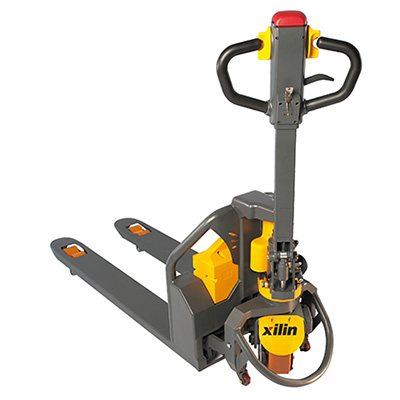 Electric Pallet Truck
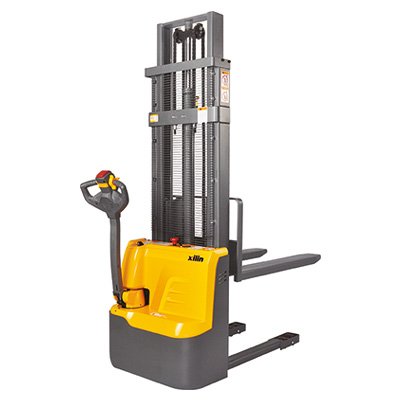 Electric Stacker
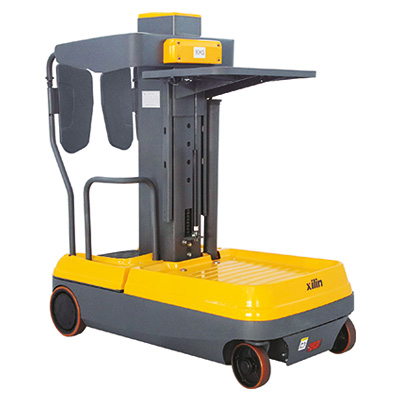 Order Picker
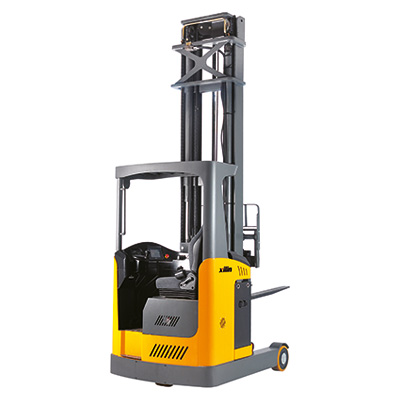 Narrow Aisle Truck
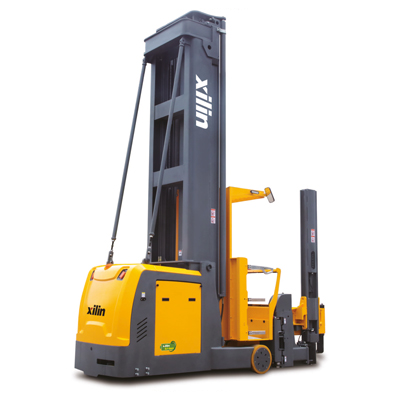 VNA Tri-Lateral Stacker
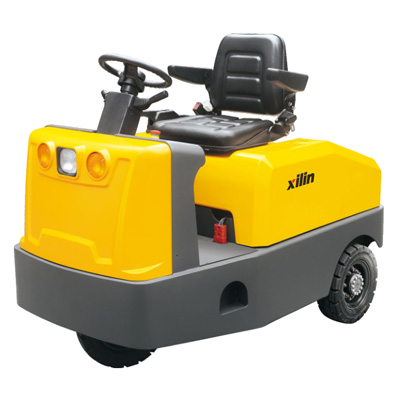 Tow Tractor
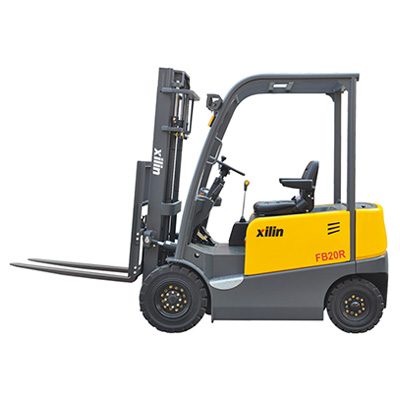 Electric Forklift
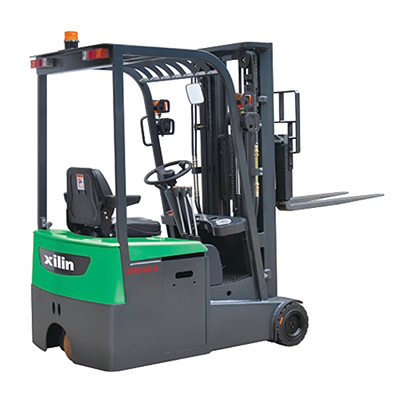 Lithium-ion Truck
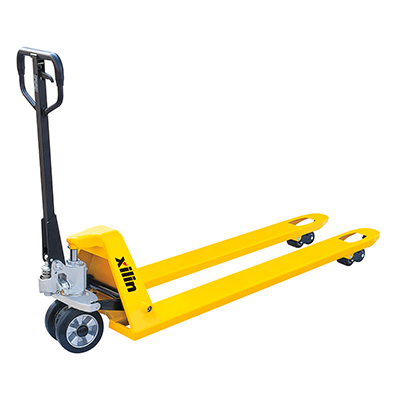 Hand Pallet Truck
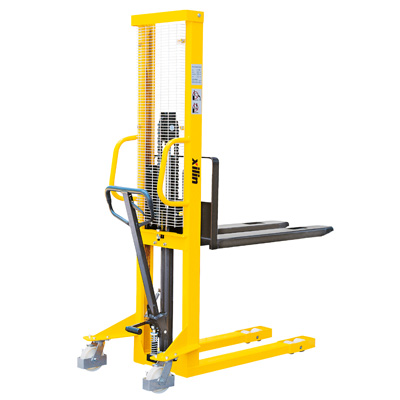 Manual Stacker
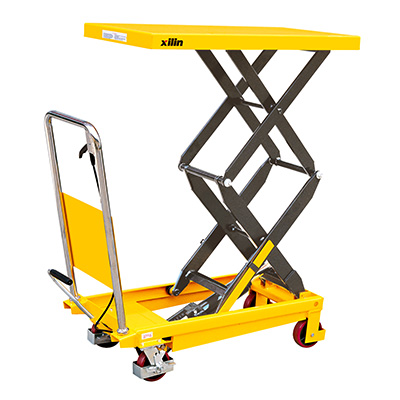 Lift Table
Content
- 1 How a Lift Table Works
- 2 Main Types of Lift Tables
- 3 Key Specifications to Understand When Selecting a Lift Table
- 4 Power Systems: Hydraulic, Electric, Pneumatic, and Manual
- 5 Common Applications of Lift Tables Across Industries
- 6 The Ergonomic Case for Lift Tables
- 7 Safety Features Found on Modern Lift Tables
- 8 Lift Table Standards and Certifications
- 9 Lift Table vs. Scissor Lift: Understanding the Difference
- 10 How to Choose the Right Lift Table for Your Application
- 11 Maintenance Best Practices for Lift Tables
- 12 Lift Tables Compared: A Summary by Type and Use Case
- 13 Frequently Asked Questions About Lift Tables
A lift table is a mechanical or powered platform device that raises, lowers, or positions loads at a desired working height. It uses a scissor-action linkage mechanism, hydraulic or pneumatic cylinder, or electromechanical actuator to move a flat platform vertically — allowing workers to load, unload, assemble, inspect, or transfer materials at an ergonomically optimal height. Lift tables are used across manufacturing, warehousing, logistics, healthcare, and countless other industries where repetitive vertical material handling is required.
Unlike forklifts or stackers, a lift table does not transport loads horizontally over distance. Its purpose is precise vertical positioning — either to bring heavy loads up to the worker, or to bring the worker's working surface up to the ideal height. This distinction makes lift tables an essential ergonomic and productivity tool wherever height adjustment is a recurring operational need.
How a Lift Table Works
The most common lift table design uses a scissor mechanism — a pair of crossed, interlocking metal arms arranged in a folding pattern beneath a flat platform. When a hydraulic cylinder, electric actuator, or pneumatic system extends, it pushes the scissor arms apart at the base, which causes the platform to rise vertically. When pressure is released or the actuator retracts, the platform descends under the weight of the load or via a controlled descent valve.
The operating principle can be broken down into three phases:
- Loading: The platform starts at its lowest position (often at floor level or slightly above), allowing a pallet, cart, or load to be placed on the surface with minimal effort.
- Lifting: The operator activates the lift via a foot pedal, push-button pendant, or remote control. The hydraulic or electric drive system extends the scissor arms, raising the platform to the desired height.
- Lowering: A controlled release valve or reverse actuator lowers the platform at a safe, steady rate. Safety features such as velocity fuses and mechanical locks prevent uncontrolled descent.
Most hydraulic scissor lift tables use an electric motor-driven hydraulic power unit that pressurizes a cylinder to lift the platform. The lowering speed is regulated by a flow-control valve, ensuring smooth, safe descent regardless of load weight. Mechanical safety legs or pins are commonly provided to lock the platform at a fixed height during maintenance or sustained work at elevation.
Main Types of Lift Tables
Lift tables are available in a wide range of configurations designed for different load types, environments, and operational requirements. Understanding the key types helps narrow down the right solution for a specific application.
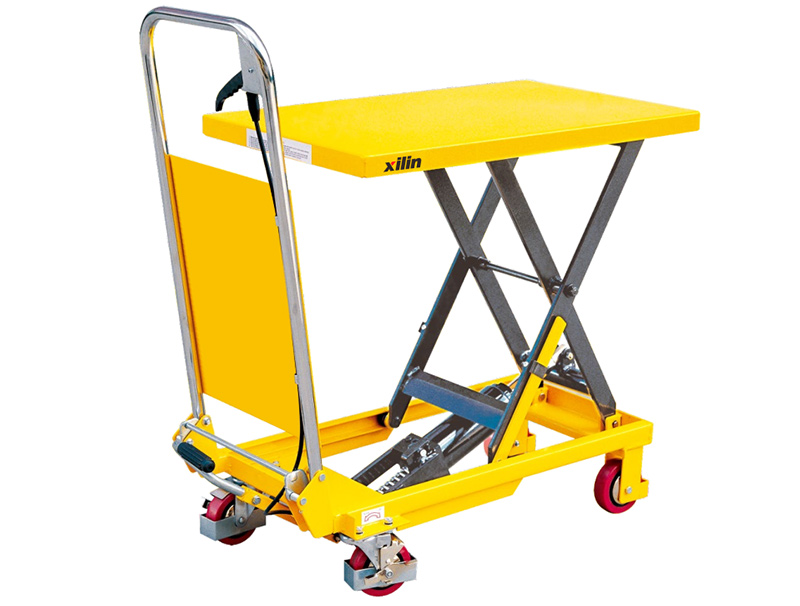
Scissor Lift Tables
The standard scissor lift table is the most widely used type. A single-scissor design can typically lift loads of 500 kg to 5,000 kg to heights of 800 mm to 1,500 mm from the lowered position. Double-scissor designs stack two scissor mechanisms vertically, allowing platforms to reach heights of 1,800 mm to 2,500 mm or more while maintaining a low collapsed height — useful when the table must sit in a pit or flush with the floor.
Pallet Lift Tables
Designed specifically to accept standard pallets, these tables feature a platform sized to match common pallet dimensions (typically 1,200 mm × 1,000 mm or 1,200 mm × 800 mm). They are used extensively in receiving docks, assembly lines, and production areas where palletized goods need to be positioned at working height for manual picking or inspection.
Tilting Lift Tables
Tilting lift tables combine vertical lifting with a platform tilt function, allowing the load to be angled toward the operator. This is particularly valuable in assembly operations where workers need to access the sides or underside of a product, or in dispensing applications where contents need to flow by gravity toward the operator. Tilt angles typically range from 0° to 45° depending on the model.
Rotating Lift Tables
These tables add a 360° or partial rotation function to the standard lift capability, allowing the operator to rotate the load for multi-sided access without repositioning. Common in manufacturing, welding, and assembly environments where access to all faces of a workpiece is needed without moving the operator.
Pit-Mounted Lift Tables
Installed into a recessed pit in the floor, pit-mounted lift tables allow the platform to sit flush with the surrounding floor surface when in the lowered position. This enables wheeled loads — such as carts, trolleys, and pallets with pallet trucks — to be rolled directly onto the platform with no lip or ramp. Pit-mounted designs are common in loading dock applications and vehicle service pits.
Mobile and Portable Lift Tables
Mounted on castors or wheels, mobile lift tables can be repositioned throughout a facility as needed. They are typically lighter-duty than fixed installations, handling loads of 200 kg to 1,000 kg, and are used for flexible workstation setups, maintenance tasks, and point-of-use material positioning in environments where a fixed installation is impractical.
Stainless Steel and Cleanroom Lift Tables
For food processing, pharmaceutical manufacturing, and cleanroom environments, lift tables are available in stainless steel construction with sealed hydraulic systems and smooth, easily sanitized surfaces. These designs meet hygiene standards such as FDA, GMP, and ISO cleanroom classifications, making them suitable for industries with strict contamination control requirements.
Key Specifications to Understand When Selecting a Lift Table
Selecting the right lift table requires understanding several critical technical specifications. Getting these wrong can result in a table that is undersized, unsafe, or poorly suited to the application.
| Specification | Description | Typical Range |
|---|---|---|
| Rated Load Capacity | Maximum weight the table can safely lift | 250 kg – 10,000 kg |
| Lowered Height | Platform height when fully collapsed | 150 mm – 400 mm |
| Maximum Lift Height | Platform height when fully extended | 800 mm – 2,500 mm |
| Platform Dimensions | Length × width of the working surface | 600×600 mm – 2,000×1,500 mm |
| Lifting Speed | Rate at which the platform rises under load | 30 mm/s – 100 mm/s |
| Power Supply | Electrical input for the hydraulic power unit | 110V / 220V / 380V, single or three phase |
| Duty Cycle | Frequency of lifts the unit is rated for | Light (occasional) to heavy (continuous) |
| Safety Factor | Structural overload margin above rated capacity | Typically 2:1 to 4:1 |
Two specifications deserve particular attention: lowered height and maximum lift height. The lowered height determines whether a pallet or cart can be rolled onto the table without a ramp — a lowered height of under 200 mm is often needed for floor-level loading. The maximum lift height must comfortably reach the working height or rack level the table is intended to serve.
Power Systems: Hydraulic, Electric, Pneumatic, and Manual
Lift tables are powered by one of four primary systems, each with distinct advantages and limitations depending on the application environment.
Hydraulic Lift Tables
The most common type in industrial settings. An electric motor drives a hydraulic pump that pressurizes oil in a cylinder to extend the scissor mechanism. Hydraulic systems provide smooth, powerful lifting with high load capacity and good controllability. They are robust and reliable but require hydraulic fluid maintenance and carry a small risk of fluid leaks, making them unsuitable for some food-grade or cleanroom environments unless specially sealed.
Electromechanical Lift Tables
These use an electric motor driving a mechanical screw or rack-and-pinion system to raise and lower the platform. Electromechanical designs eliminate hydraulic fluid entirely, making them ideal for cleanroom, food processing, and laboratory environments. They also offer more precise height positioning. However, they are typically slower and have lower load capacities than equivalent hydraulic designs.
Pneumatic Lift Tables
Powered by compressed air, pneumatic lift tables are suitable for ATEX-classified explosive or flammable environments where electrical equipment poses an ignition risk. They require a reliable compressed air supply (typically 6 to 8 bar) and are commonly used in chemical plants, paint booths, and fuel handling areas. Lifting speed is fast but height control is less precise unless supplementary control valves are fitted.
Manual Hydraulic Lift Tables
Operated by hand pumping, manual hydraulic lift tables require no electrical power source. They are suitable for low-frequency use, budget-sensitive applications, or locations without power access. Load capacities are limited — typically under 500 kg — and repeated heavy pumping causes operator fatigue, making them impractical for continuous industrial use.
Common Applications of Lift Tables Across Industries
Lift tables serve a remarkably broad range of functions across many different industries. Their core value — positioning loads at the right height — translates into meaningful productivity, safety, and ergonomic benefits in all of the following contexts.
Warehousing and Logistics
In warehouses and distribution centers, lift tables are used at receiving and dispatch docks to position palletized goods at a comfortable working height for manual picking, scanning, and sorting. Dock-level lift tables eliminate the need for workers to bend repeatedly to floor-level pallets — a task that can generate thousands of bending motions per shift. Studies show that ergonomic interventions such as lift tables can reduce back strain injuries by 40–60% in high-volume picking operations.
Manufacturing and Assembly Lines
Assembly line lift tables are used to present workpieces at the ideal height for each assembly station, reducing operator reach and awkward postures. In automotive manufacturing, engine and transmission assemblies weighing 200 kg to 800 kg are routinely positioned on lift tables so technicians can work at standing or seated height without overhead or floor-level reaching. Tilting lift tables are commonly used to rotate components for multi-face access during assembly or quality inspection.
Loading Docks and Vehicle Leveling
Lift tables installed at loading dock edges or integrated into dock levelers allow pallet trucks and forklifts to transition smoothly between dock floor height and truck bed height — which can vary by 200 mm to 600 mm depending on the vehicle. This eliminates the need for ramps and reduces the risk of load tipping during transfers.
Healthcare and Hospital Environments
In healthcare settings, specialized lift tables are used as patient examination tables, surgical positioning platforms, and medical supply positioning units. These versions prioritize precise height adjustment, smooth quiet operation, and easy sanitization. Patient handling lift tables reduce caregiver injury risk — musculoskeletal injuries from manual patient handling account for a significant proportion of healthcare worker injury claims globally.
Food and Beverage Processing
Stainless steel lift tables in food processing plants position raw material containers, mixing vessels, and packaging loads at the optimal height for filling, sealing, and quality checking operations. The washdown-resistant construction allows high-pressure cleaning without damage to hydraulic or electrical components. Hygienic lift tables used in these environments must meet strict food-contact material standards.
Retail and Commercial Settings
In retail stockrooms, lift tables are used to restock shelving at height and to handle delivery pallets in confined back-of-house areas. Smaller mobile lift tables with capacities of 300 kg to 600 kg are common in supermarkets and large-format retail stores where receiving teams handle dozens of pallets per shift.
Printing and Paper Industries
Paper roll and print stock lift tables are designed to handle extremely heavy rolls or reams — sometimes exceeding 2,000 kg — and position them precisely for loading into printing presses, cutting machines, or binding equipment. Custom platform designs with V-blocks or cradles are common to prevent cylindrical loads from rolling.
The Ergonomic Case for Lift Tables
The primary reason lift tables are specified in so many industries is ergonomics. Musculoskeletal disorders (MSDs) — including back pain, shoulder strain, and repetitive stress injuries — are the most common and costly category of workplace injuries in manufacturing, warehousing, and logistics globally. In the United States alone, work-related MSDs account for over 30% of all lost-time injury cases and billions of dollars in direct and indirect costs annually.
The root cause in material handling environments is frequently the same: workers repeatedly bending, reaching, or lifting from awkward positions to interact with loads at floor level or above shoulder height. A lift table directly addresses this by bringing the load to the worker's optimal working zone — typically between 750 mm and 1,100 mm from the floor for standing workers, depending on task type and body dimensions.
Key ergonomic benefits of lift tables include:
- Elimination of floor-level bending: Workers no longer need to repeatedly bend to the floor to pick items from the bottom of a pallet — the pallet rises to elbow height as items are removed from the top.
- Reduced reach distance: Positioning the load at optimal height minimizes the horizontal reach required to access items, which reduces spinal loading and shoulder stress.
- Accommodation of worker height variation: A single lift table can serve workers of different statures by being adjusted to each individual's optimal working height — something a fixed-height workbench cannot achieve.
- Seated-to-standing flexibility: Height-adjustable lift tables used as workbenches allow alternating between seated and standing postures throughout the shift, reducing static loading on the spine and lower limbs.
Safety Features Found on Modern Lift Tables
Modern lift tables incorporate multiple safety systems to protect operators, bystanders, and the loads being handled. These features are not optional extras — they are essential components of a properly specified lift table for industrial use.
- Velocity fuse / flow limiter: A hydraulic safety valve that automatically restricts oil flow if a hose ruptures or fails unexpectedly, preventing the platform from dropping suddenly under load.
- Mechanical safety legs: Physical locking props that can be engaged to hold the platform at a fixed height during maintenance or sustained elevated work, providing a fail-safe backup independent of the hydraulic system.
- Platform toe guards and skirt guards: Side panels that travel with the platform and cover the scissor mechanism, preventing hands, feet, or loose materials from being drawn into the moving scissor arms during operation.
- Overload protection: Pressure relief valves in the hydraulic circuit prevent the system from being operated beyond its rated load — the pump stalls before the structural safety limit is reached.
- Emergency stop: A dedicated emergency stop button (or mushroom-head switch) halts all motion immediately, required under most industrial safety standards including EN 1570 in Europe and ASME B20.1 in North America.
- Bellows or accordion guards: Flexible fabric or rubber surrounds that enclose the scissor mechanism at all heights, protecting against pinch points and keeping debris out of the hydraulic components.
- Controlled descent speed: Hydraulic flow control valves ensure the platform descends at a safe, consistent speed regardless of load weight — typically no faster than 50–80 mm/s under full load.
Lift Table Standards and Certifications
Lift tables used in professional and industrial settings must comply with applicable safety standards. Compliance demonstrates that the equipment has been designed, built, and tested to meet recognized safety thresholds, and is typically required for insurance coverage and regulatory compliance.
Relevant standards include:
- EN 1570-1 (Europe): Safety requirements for lifting tables — the primary European standard covering design, construction, testing, and safety devices for scissor lift tables with platforms up to 1,000 kg (EN 1570-1) and above (EN 1570-2).
- CE Marking (Europe): Lift tables sold in the European Economic Area must carry CE marking under the Machinery Directive (2006/42/EC), confirming conformity with EU safety, health, and environmental requirements.
- ASME B56.1 / ANSI standards (North America): American standards covering safety requirements for powered industrial lift tables and related equipment.
- ISO 9001 manufacturing quality: Many reputable lift table manufacturers hold ISO 9001 certification for their production quality management systems, providing assurance of consistent manufacturing standards.
When purchasing a lift table, always request documentation of applicable standard compliance and verify that the CE marking (if applicable) is supported by a Declaration of Conformity from the manufacturer.
Lift Table vs. Scissor Lift: Understanding the Difference
The terms "lift table" and "scissor lift" are sometimes used interchangeably, but they describe overlapping rather than identical categories of equipment. Understanding the distinction helps avoid specification errors.
A lift table refers specifically to a stationary or semi-mobile platform used to raise and position loads at working height — it is a material handling tool, not a personnel platform. The operator stands beside or works at the platform; they do not ride on the lifting surface as a primary function.
A scissor lift in the access equipment sense (also called a scissor work platform or aerial work platform) is designed to safely elevate workers to height for overhead maintenance, construction, or installation tasks. These are subject to different and more stringent safety standards, require work-at-height training for operators, and are typically mobile, self-propelled machines reaching heights of 6 m to 17 m or more.
The confusion arises because both use the same scissor mechanism. However, a lift table engineered for material handling should never be used as an impromptu personnel platform unless it is specifically rated and certified for that dual purpose. Doing so is a serious safety violation in most jurisdictions.
How to Choose the Right Lift Table for Your Application
Specifying a lift table correctly requires answering a structured set of questions about your load, environment, and operational needs. Working through these systematically prevents the common mistakes of undersizing the capacity or overlooking a critical dimension constraint.
- What is the maximum load weight? Include the weight of the heaviest pallet, container, or workpiece. Add a 20–30% safety margin above the maximum expected load when selecting rated capacity.
- What platform size do you need? The platform must fully support the load. For standard Euro pallets, specify a platform of at least 1,200 mm × 800 mm; for standard industrial pallets, at least 1,200 mm × 1,000 mm.
- What is your required lift height range? Determine both the loading height (how low must the table go for the load to be placed on it) and the working height (how high must it reach for the task to be performed comfortably).
- How frequently will it be used? A light-duty table is typically rated for 30–60 lift cycles per day. High-frequency production line applications may require a heavy-duty industrial table rated for several hundred cycles per shift.
- What power supply is available? Confirm the voltage and phase (single-phase 220V vs. three-phase 380V) available at the installation location, as this directly constrains the motor options.
- Does the environment require special construction? Food processing, pharmaceutical, cold storage, washdown, and explosive atmosphere environments each require specific material or protection class specifications.
- Is a pit installation possible or required? If loads must be rolled directly onto the platform from floor level, a pit-mounted design allows the platform to sit flush with the surrounding floor, eliminating the loading lip entirely.
- Are additional functions needed? Determine whether tilting, rotating, turntable, roller-top, or conveyor-integrated designs are required for the intended workflow before finalizing the specification.
Maintenance Best Practices for Lift Tables
A properly maintained lift table will provide 10 to 20 years or more of reliable service. Most premature failures result from neglected hydraulic maintenance, overloading, or operating the table with damaged or missing safety guards. Following a structured maintenance program protects both the equipment and the people working with it.
Daily Checks (Before Each Use)
- Inspect the platform surface for damage, loose bolts, or debris that could affect load stability.
- Check for visible hydraulic fluid leaks around the cylinder, hoses, and pump unit.
- Verify that all safety guards (toe guards, bellows, skirt panels) are in place and undamaged.
- Confirm the emergency stop is functional with a brief test activation.
- Test a full raise-and-lower cycle without load to confirm smooth, controlled operation.
Monthly Maintenance Tasks
- Check and top up hydraulic fluid level. Use only the fluid grade specified by the manufacturer.
- Lubricate all scissor arm pivot pins, rollers, and guide tracks with appropriate grease.
- Inspect electrical cables and the control pendant for wear, damage, or loose connections.
- Check all fasteners for tightness — vibration during repeated cycling can loosen bolted connections over time.
Annual Service Requirements
- Full hydraulic fluid change and system flush to remove contamination and moisture.
- Inspect hydraulic cylinder seals for wear or seeping — replace if any weeping is observed.
- Load test at rated capacity to verify structural integrity and safety valve calibration.
- Inspect scissor arms for cracks, deformation, or excessive wear at pivot points — these are structural components and must be replaced if compromised.
- Document all service actions and test results; retain records for regulatory inspections and insurance purposes.
Lift Tables Compared: A Summary by Type and Use Case
The following table summarizes the main lift table variants and their most appropriate applications, helping facility managers and procurement teams quickly identify the right product category for their needs.
| Lift Table Type | Typical Load Range | Key Feature | Best Application |
|---|---|---|---|
| Standard Scissor Lift Table | 500 – 5,000 kg | Simple, robust, widely available | General warehouse and production use |
| Double Scissor Lift Table | 500 – 3,000 kg | Greater lift height, low collapsed height | Pit installations, high-lift requirements |
| Tilting Lift Table | 300 – 2,000 kg | 0–45° tilt in addition to vertical lift | Assembly, dispensing, multi-face access |
| Rotating Lift Table | 300 – 2,000 kg | 360° rotation plus vertical lift | Welding, assembly, multi-side inspection |
| Pit-Mounted Lift Table | 1,000 – 10,000 kg | Platform flush with floor when lowered | Loading docks, vehicle service, heavy industry |
| Mobile Lift Table | 200 – 1,000 kg | Castors for repositioning | Flexible workstations, maintenance tasks |
| Stainless Steel Lift Table | 250 – 2,000 kg | Hygienic, corrosion-resistant construction | Food processing, pharma, cleanrooms |
Frequently Asked Questions About Lift Tables
Can a lift table be used outdoors?
Standard lift tables are designed for indoor, level-surface use. Outdoor use is possible with appropriate weatherproofing (sealed motor, weather-resistant controls, corrosion-protected structure), but the table must always be placed on a firm, level surface. Uneven or sloped surfaces risk instability under load and are not safe for lift table operation.
What is the typical service life of a lift table?
A well-maintained industrial lift table typically lasts 10 to 20 years in regular use. The most common wear items are hydraulic seals, cylinder seals, pivot pin bushings, and roller bearings in the scissor mechanism. These components are generally inexpensive and straightforward to replace, extending the useful life of the equipment well beyond a decade.
Do I need a permit or inspection to install a lift table?
Requirements vary by jurisdiction. In many European countries, pit-mounted lift tables and heavy-duty industrial tables must be registered, inspected, and periodically recertified by a notified body or approved inspection authority. In the UK, lift tables that carry loads above certain thresholds fall under the Lifting Operations and Lifting Equipment Regulations (LOLER 1998), which require thorough examination by a competent person at least every 12 months. Always check local regulations before installation.
Can a lift table be custom-built to non-standard dimensions?
Yes. Most industrial lift table manufacturers offer custom fabrication services for non-standard platform dimensions, unusual load shapes, special surface treatments, or integrated conveyor and turntable functions. Custom tables typically require 4 to 12 weeks lead time depending on complexity. Providing full specifications — including load weight, center of gravity, required travel range, duty cycle, and environmental conditions — at the quoting stage ensures an accurate and safe custom design.
What is the difference between a lift table and a pallet jack?
A pallet jack (or pallet truck) is designed primarily for horizontal transportation of palletized loads — it lifts just enough to clear the floor and move the load from point to point. A lift table is a stationary or semi-mobile platform designed for significant vertical height adjustment, typically used to bring loads to a working height rather than to transport them across a facility. They serve complementary rather than competing roles in most material handling operations.