 英语
英语 西班牙语
西班牙语 德语
德语 法语
法语 俄语
俄语
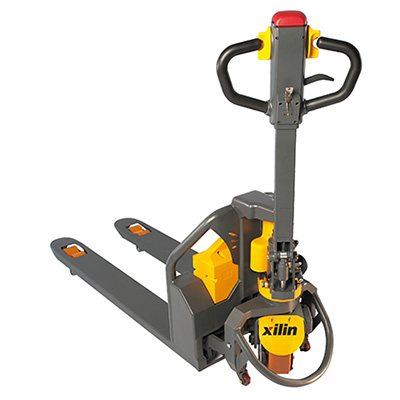 Electric Pallet Truck
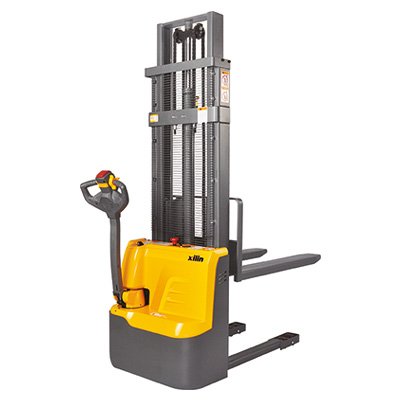 Electric Stacker
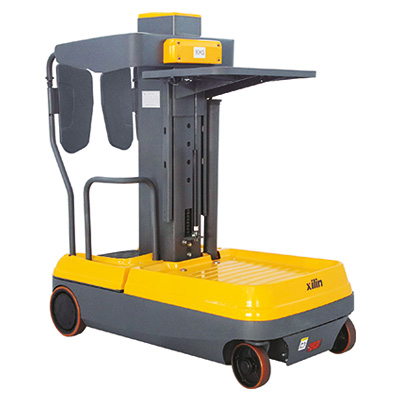 Order Picker
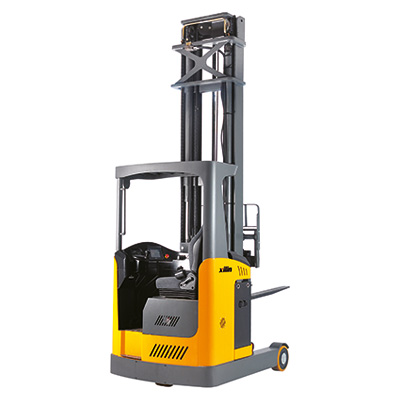 Narrow Aisle Truck
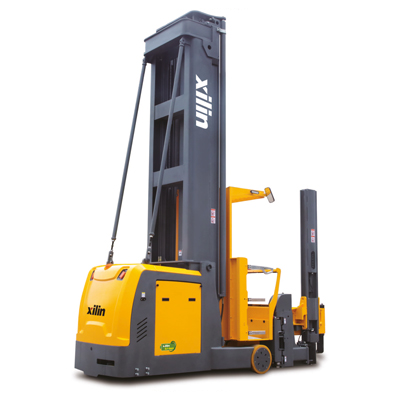 VNA Tri-Lateral Stacker
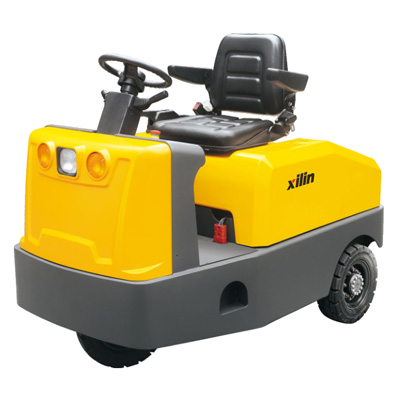 Tow Tractor
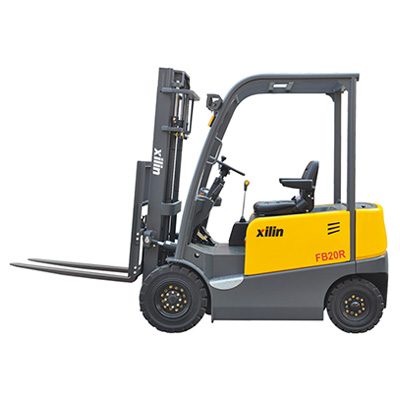 Electric Forklift
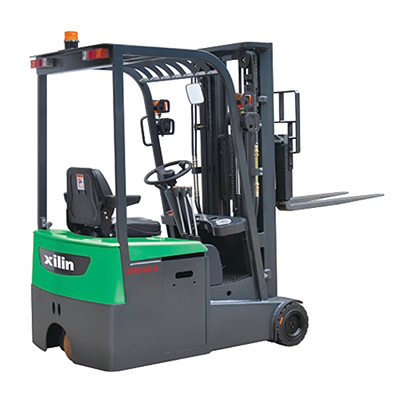 Lithium-ion Truck
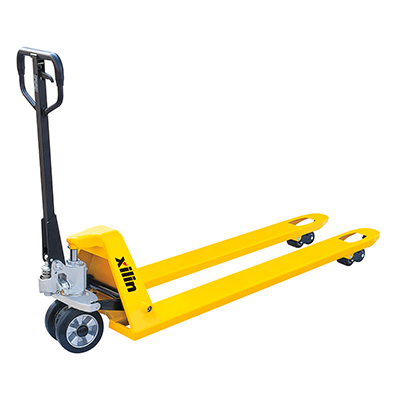 Hand Pallet Truck
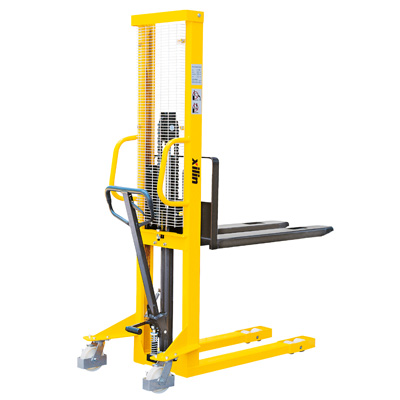 Manual Stacker
 Lift Table
Content
- 1 What Is an Electric Stacker?
- 2 What Is a Manual Stacker?
- 3 Head-to-Head Comparison: Electric vs. Manual Stacker
- 4 Load Capacity and Lift Height: Where Electric Stackers Pull Ahead
- 5 Operator Efficiency and Physical Fatigue
- 6 Cost Analysis: Upfront Price vs. Total Cost of Ownership
- 7 Space Requirements and Maneuverability
- 8 Safety Considerations for Each Type
- 9 Maintenance Requirements: What Each Type Demands
- 10 Which Industries and Settings Favor Each Type?
- 11 Decision Framework: How to Choose Between Electric and Manual
- 12 Battery Technology: How It Shapes Electric Stacker Performance
- 13 Environmental Conditions: When Each Stacker Type Is More Appropriate
- 14 Operator Training and Certification Requirements
- 15 Summary: The Bottom Line on Electric vs. Manual Stackers
The answer depends on your specific application: electric stackers are better for high-frequency, heavy-duty operations, while manual stackers are better suited for light loads, infrequent use, and budget-constrained environments. There is no single universal winner — the right choice comes down to load weight, lift height, usage frequency, available floor space, power infrastructure, and total budget. This guide breaks down every meaningful difference so you can make a confident, informed decision.
Both electric and manual stackers are used to lift, transport, and stack palletized loads in warehouses, factories, retail stockrooms, and logistics centers. However, they operate on fundamentally different principles and are optimized for very different working conditions. Understanding where each excels — and where each falls short — is the key to selecting the right equipment for your operation.
What Is an Electric Stacker?
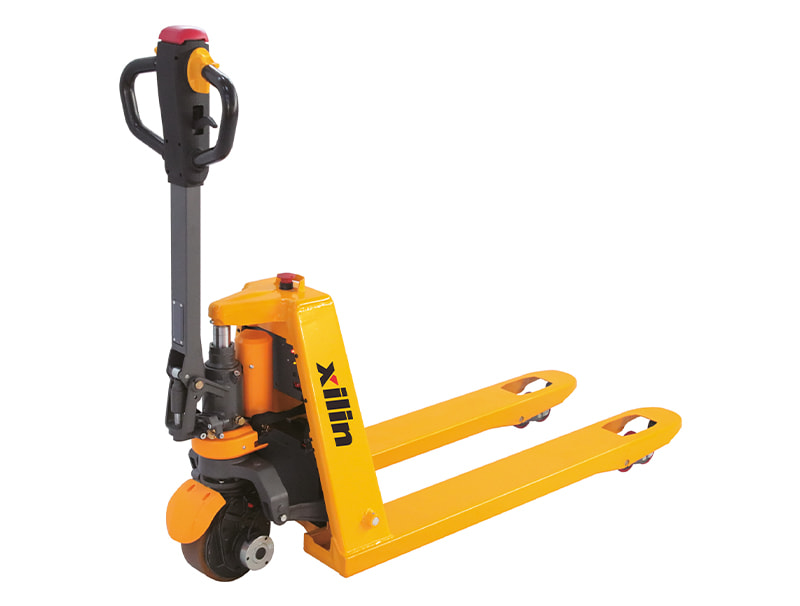
An electric stacker is a battery-powered material handling machine that uses an electric motor to raise and lower loads via a hydraulic lifting mechanism. The operator either walks behind the machine (walkie stacker) or rides on it (rider stacker), using an electronic control handle or joystick to direct movement and control lift height.
Electric stackers typically have load capacities ranging from 500 kg to 2,000 kg and can achieve lift heights of 3 m to 6 m or more, depending on the mast configuration. They are powered by rechargeable lead-acid or lithium-ion batteries and can operate continuously for a full work shift — typically 6 to 8 hours — on a single charge.
Common types of electric stackers include:
- Walkie electric stackers: The operator walks behind or beside the machine. Ideal for medium-duty warehouse tasks.
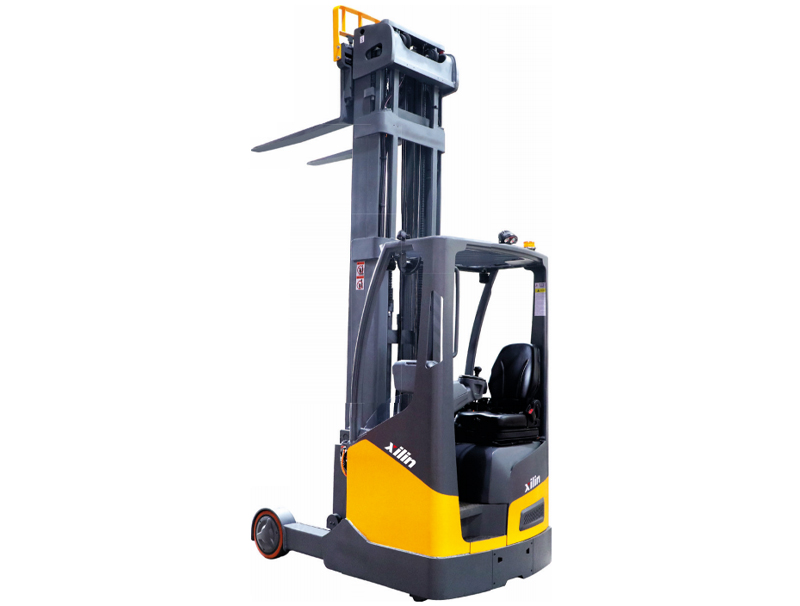
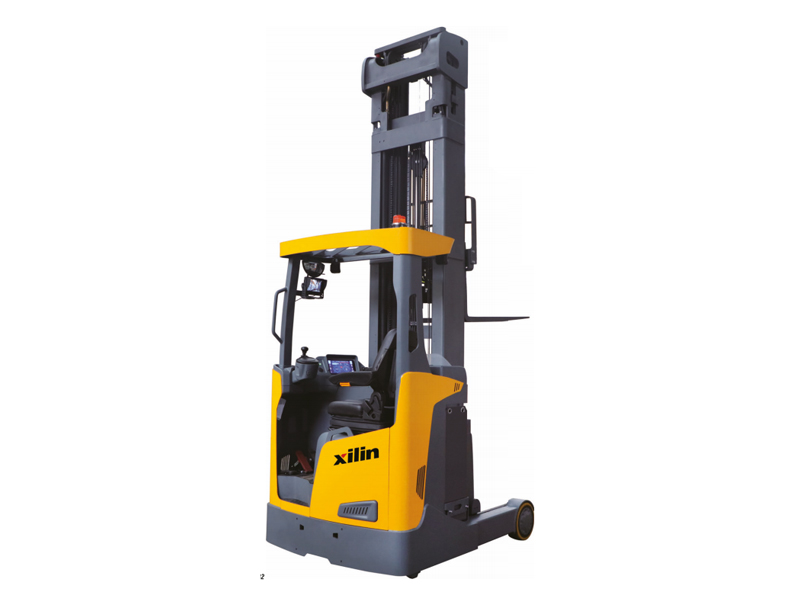
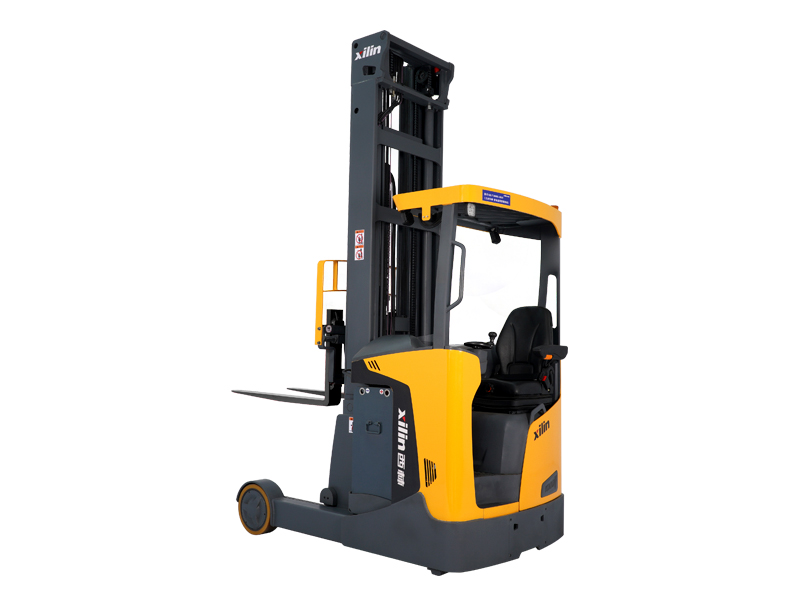
- Reach stackers: Feature an extendable fork mechanism for accessing deep racking systems without repositioning the machine.
- Counterbalanced electric stackers: Designed without outrigger legs, allowing them to handle standard pallets in tighter spaces.
- Rider stackers: The operator stands or sits on the machine; best for long-distance travel within large distribution centers.
What Is a Manual Stacker?
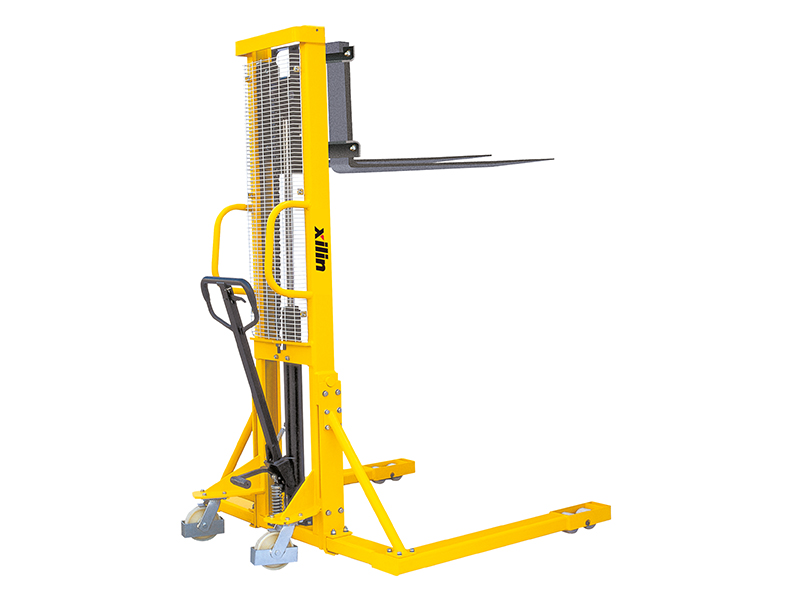
A manual stacker (also called a hand stacker or hydraulic hand stacker) uses human effort to pump a hydraulic handle, which generates pressure to raise the forks and the load. There is no motor or battery — all lifting energy comes directly from the operator.
Manual stackers are typically rated for loads of 500 kg to 1,500 kg and can lift to heights of 1.6 m to 3.0 m in standard configurations. Lowering is controlled by a release valve. Travel is achieved by the operator pushing or pulling the machine by hand.
Common types of manual stackers include:
- Standard hand stackers: Basic pump-handle design for general-purpose pallet lifting and stacking.
- Scissor lift stackers: Use a scissor mechanism for more stable lifting of larger platform loads.
- Straddle stackers: Equipped with outrigger legs that straddle the pallet for improved stability when lifting standard pallets.
- High-lift manual stackers: Designed for reaching slightly higher rack levels, though still limited compared to electric models.
Head-to-Head Comparison: Electric vs. Manual Stacker
The table below provides a direct side-by-side comparison of the most important performance and operational factors:
| Factor | Electric Stacker | Manual Stacker |
|---|---|---|
| Typical Load Capacity | 500 kg – 2,000 kg | 500 kg – 1,500 kg |
| Maximum Lift Height | 3 m – 6 m+ | 1.6 m – 3.0 m |
| Power Source | Rechargeable battery | Manual (human effort) |
| Operator Physical Effort | Minimal | High (pumping and pushing) |
| Purchase Cost | Higher ($3,000 – $15,000+) | Lower ($400 – $2,500) |
| Operating Speed | Fast (motorized travel) | Slow (operator-pushed) |
| Maintenance Complexity | Moderate (battery, motor, electronics) | Low (hydraulic seals only) |
| Suitable Usage Frequency | High (continuous shifts) | Low to moderate |
| Indoor Air Quality Impact | Zero emissions | Zero emissions |
| Operator Training Required | Moderate | Minimal |
| Noise Level | Low (electric motor hum) | Very low (near silent) |
Load Capacity and Lift Height: Where Electric Stackers Pull Ahead
One of the starkest differences between electric and manual stackers is their lifting capability. Electric stackers can typically handle loads up to 2,000 kg and reach heights of 5 m to 6 m using duplex or triplex mast configurations. This makes them suitable for high-bay racking systems that maximize vertical warehouse space.
Manual stackers are physically limited by the hydraulic leverage achievable through hand pumping. Most standard manual models max out at 1,600 kg and a lift height of approximately 2.5 m to 3.0 m. Attempting to regularly operate a manual stacker at its upper load and height limits places excessive physical strain on the operator and increases the risk of hydraulic failure over time.
For warehouses using racking systems taller than 3 meters — a common configuration in modern logistics facilities — the manual stacker is simply not a viable option. An electric stacker is the only practical solution.
Operator Efficiency and Physical Fatigue
In any operation where stacking tasks are performed repeatedly throughout a shift, operator fatigue is a critical factor. Manual stackers require the operator to physically pump the hydraulic handle to raise each load — a motion that becomes increasingly tiring over time, particularly with heavier loads lifted to greater heights.
Studies in ergonomics and workplace safety consistently show that repetitive manual lifting and pumping activities are among the leading causes of musculoskeletal injuries in warehouse environments. Workers using manual stackers for full shifts over months and years face significantly higher risks of lower back strain, shoulder injuries, and wrist fatigue than those operating electric-powered equipment.
Electric stackers eliminate this physical burden almost entirely. Lifting is controlled with a button or joystick; travel is motorized. An operator using an electric walkie stacker can comfortably handle 3 to 5 times more pallet moves per shift than an operator using a manual stacker for the same tasks — a significant productivity multiplier in high-throughput operations.
Cost Analysis: Upfront Price vs. Total Cost of Ownership
Manual stackers have a clear and substantial upfront cost advantage. A standard manual hand stacker can be purchased for as little as $400 to $2,500, depending on load capacity and lift height. They require no charging infrastructure, no battery replacement, and minimal maintenance beyond occasional hydraulic fluid checks and seal replacements.
Electric stackers carry a much higher purchase price — typically $3,000 to $15,000 or more for walkie models, and substantially higher for rider or reach models. They require battery chargers, periodic battery replacements (every 3–5 years for lead-acid batteries), and more complex mechanical maintenance involving motors, controllers, and electrical components.
However, when total cost of ownership is calculated over a multi-year period, the picture changes significantly for high-usage operations:
- Labor productivity: An electric stacker enables one operator to do the work of two or more manual stacker operators in high-volume settings, directly reducing labor costs per unit moved.
- Worker injury costs: Workplace injuries from manual handling are among the most expensive operational costs in warehousing. Electric stackers significantly reduce this exposure.
- Equipment lifespan: A well-maintained electric stacker can last 7 to 10 years or more in continuous use. Manual stackers, while mechanically simpler, can also last 10+ years but may require more frequent hydraulic maintenance if used heavily.
- Throughput value: In operations where throughput directly drives revenue — such as e-commerce fulfillment centers and food distribution facilities — the speed advantage of electric stackers translates directly into measurable financial returns.
For low-frequency use cases — such as a small retail stockroom that needs to stack pallets a few times per week — the lower upfront cost of a manual stacker may well be the more rational choice, since the productivity and ergonomic advantages of an electric model may never be fully realized.
Space Requirements and Maneuverability
Both electric and manual stackers are designed to operate in narrower aisles than counterbalanced forklifts. However, their physical dimensions differ in meaningful ways depending on the model type.
Manual stackers are generally more compact and lighter than their electric counterparts, making them easier to maneuver in very tight spaces. A typical manual stacker weighs between 100 kg and 250 kg and can be pushed and positioned by a single operator without any powered drive system. This makes them particularly practical in small stockrooms, narrow retail back-of-house areas, and spaces without flat, even floors — though both stacker types require reasonably smooth flooring for safe operation.
Electric walkie stackers typically weigh between 600 kg and 1,500 kg (battery weight is substantial), and their motorized drive systems require a minimum aisle width to allow proper turning. Most walkie electric stackers require an aisle width of at least 2.5 m to 3.0 m for safe pallet placement in standard racking.
For very narrow aisle operations (under 2.0 m), specialized reach truck designs or narrow-aisle electric stackers are available, but these come at a premium price. Manual stackers retain a practical advantage in the most constrained environments where powered equipment simply cannot navigate effectively.
Safety Considerations for Each Type
Safety is a paramount concern in any material handling environment. Both stacker types carry distinct risk profiles that should be carefully considered.
Safety Risks with Electric Stackers
- Higher speed, higher collision risk: Motorized travel speed increases the potential severity of collisions with pedestrians, racking, or other equipment if the operator is not attentive.
- Load stability at height: Lifting heavy loads to 5–6 meters requires a stable mast and level floor surface. An unstable load at height poses a significant falling-object hazard.
- Battery hazards: Lead-acid batteries emit hydrogen gas during charging and require dedicated, ventilated charging areas. Lithium-ion batteries carry thermal runaway risks if damaged or improperly maintained.
- Tip-over risk: Exceeding rated load capacity or operating on uneven surfaces can cause tip-overs — one of the most serious forklift-class incidents.
Safety Risks with Manual Stackers
- Operator injury from physical exertion: Repetitive pumping and pushing of heavy loads are the leading cause of injury with manual stackers, particularly lower back injuries.
- Load control on inclines: Without a motorized drive, operators may struggle to control loaded manual stackers on even slight slopes, creating rollaway hazards.
- Hydraulic failure under stress: Using a manual stacker at or near its rated capacity repeatedly and over extended periods increases wear on hydraulic seals and can lead to sudden load drops if the hydraulic system fails.
- Limited stability at maximum height: At 2.5–3.0 m lift heights, the center of gravity of a loaded manual stacker is elevated, reducing lateral stability — especially on uneven surfaces.
Maintenance Requirements: What Each Type Demands
Maintenance requirements represent a real operational cost that is often underweighted in purchasing decisions.
Manual stackers have minimal maintenance needs. The hydraulic system requires occasional inspection of fluid levels and seal condition. Wheels should be checked for wear, and pivot points lubricated periodically. In most cases, a qualified technician can service a manual stacker in under an hour, and spare parts are inexpensive and widely available. Downtime due to maintenance is typically very low.
Electric stackers require a more comprehensive maintenance program:
- Battery maintenance: Lead-acid batteries require regular electrolyte level checks, equalization charges, and terminal cleaning. Batteries should be replaced every 3 to 5 years depending on depth of discharge cycles. Lithium-ion batteries last longer (up to 8 years) but cost significantly more to replace.
- Motor and drive system inspection: Brushed DC motors require periodic brush replacement; brushless motors are lower maintenance but require controller diagnostics.
- Hydraulic system: The powered hydraulic pump and cylinder require regular fluid checks and seal inspections, similar to a manual stacker but with added complexity due to the motorized pump.
- Electronic controls: Control modules, sensors, and wiring require diagnostic checks, particularly after impacts or exposure to damp environments.
Annual maintenance costs for an electric stacker in regular use typically range from $300 to $1,000 or more, compared to well under $200 per year for a well-maintained manual stacker.
Which Industries and Settings Favor Each Type?
The suitability of electric versus manual stackers varies significantly by industry and specific working environment.
Industries and Settings Where Electric Stackers Excel
- Large-scale warehouses and distribution centers: High pallet volumes, shift-long operations, and tall racking systems all favor electric stackers.
- E-commerce fulfillment centers: Fast-paced inbound/outbound operations require the speed and endurance that only electric-powered equipment can provide.
- Food and beverage distribution: High-throughput cold chain operations benefit from electric stackers' ability to handle repeated heavy lifts throughout refrigerated shift work.
- Manufacturing plants: Moving heavy raw material pallets and finished goods at scale within production facilities is well-suited to electric stackers.
- Retail distribution: Replenishing high-bay retail warehouse racking above 3 m requires electric-powered lift capability.
Industries and Settings Where Manual Stackers Excel
- Small retail stockrooms: Infrequent pallet stacking in a confined back-of-house environment where electric equipment would be difficult to maneuver and charge.
- Light manufacturing or assembly: Moving components between workstations at low heights and low frequencies is easily managed with a manual stacker.
- Temporary or seasonal operations: Pop-up warehouses, seasonal inventory overflow, or construction site materials handling where equipment needs to be moved frequently or where power infrastructure is not available.
- Budget-constrained small businesses: When a stacker is needed only a few times per day and capital investment must be minimized, a manual stacker provides adequate capability at a fraction of the cost.
- Environments without reliable power access: Remote locations, outdoor temporary operations, or facilities without adequate electrical infrastructure for battery charging equipment.
Decision Framework: How to Choose Between Electric and Manual
Use the following practical checklist to guide your decision. If most of your answers fall in one column, that stacker type is likely the better fit for your operation.
| Your Requirement | Choose Electric If... | Choose Manual If... |
|---|---|---|
| Usage frequency | Multiple times per hour, full shifts | A few times per day or week |
| Required lift height | Above 3.0 m | Up to 2.5 – 3.0 m |
| Load weight | Regularly above 1,000 kg | Consistently under 800 kg |
| Travel distance per move | More than 20–30 meters regularly | Short distances within one zone |
| Budget | Can invest $5,000+ upfront | Limited to under $2,000 |
| Operator health priority | Reducing ergonomic injury risk is critical | Light use, injury risk is minimal |
| Power availability | Reliable charging infrastructure available | No or unreliable power access |
| Facility size | Large warehouse or distribution center | Small stockroom or compact facility |
Battery Technology: How It Shapes Electric Stacker Performance
The battery type used in an electric stacker is a critical factor in its real-world performance, operating cost, and maintenance burden. Modern electric stackers are available with two primary battery options:
Lead-Acid Batteries
Lead-acid batteries remain the most common power source for electric stackers due to their lower upfront cost. A typical 24V or 48V lead-acid battery pack costs between $500 and $2,000 and provides 6 to 8 hours of operation on a full charge. However, they require 8 to 12 hours to fully recharge, making multi-shift operations impractical without spare battery packs. They also require regular electrolyte maintenance and adequate ventilation during charging.
Lithium-Ion Batteries
Lithium-ion batteries are increasingly popular in modern electric stackers. They offer significant advantages: opportunity charging (top-up charging during breaks without reducing battery life), a 30–50% faster charge time, longer service life (up to 2,000–3,000 charge cycles vs. 1,000–1,500 for lead-acid), and lower total weight. The upfront premium — lithium-ion packs often cost 2 to 3 times more than equivalent lead-acid — is typically recovered through reduced maintenance, extended battery life, and improved operational flexibility.
Environmental Conditions: When Each Stacker Type Is More Appropriate
The environment in which the stacker will operate should heavily influence your choice, beyond just the load and height specifications.
- Cold storage environments: Electric stackers with lithium-ion batteries are better suited to freezer and cold room operations, as lead-acid batteries lose significant capacity in cold temperatures. Manual stackers are unaffected by temperature but are harder to operate in heavy gloves and cold conditions.
- Wet or damp conditions: Both types require caution in wet environments. Electric stackers used in high-moisture areas should have appropriate IP (Ingress Protection) ratings for their electrical components. Manual stackers have fewer sensitive components to protect.
- Outdoor use: Manual stackers generally cannot safely traverse outdoor surfaces unless the ground is flat and firm. Electric stackers with suitable wheels and higher ground clearance can handle smoother outdoor surfaces such as loading docks and paved yard areas.
- Explosive or hazardous atmospheres: Standard electric stackers are not suitable for use in ATEX-classified areas (flammable gases or dust). In these environments, specifically certified Ex-proof electric stackers or manual equipment may be required.
Operator Training and Certification Requirements
Training requirements differ considerably between the two types, which has implications for onboarding time, HR costs, and legal compliance.
Manual stackers typically require only basic on-the-job instruction. There are no regulatory certification requirements in most jurisdictions for operating a hand-powered stacker below a certain lift height. Operators can usually be trained safely in 30 to 60 minutes with competency assessed informally.
Electric stackers are classified as powered industrial trucks in most jurisdictions, including under OSHA regulations in the United States and equivalent bodies in the EU, UK, and Australia. Operators are legally required to receive formal training and certification before operating this equipment. Training typically covers pre-shift inspection, safe load handling, battery management, and emergency procedures — commonly taking half a day to a full day to complete. Refresher training is usually required every 3 years or after any incident.
For businesses with high employee turnover, the ongoing training overhead for electric stackers is a real operational cost to factor into the total ownership calculation.
Summary: The Bottom Line on Electric vs. Manual Stackers
Choose an electric stacker if your operation involves frequent pallet movements (multiple times per hour), loads regularly exceeding 800–1,000 kg, racking heights above 3 meters, full-shift continuous use, or a priority on reducing operator fatigue and injury risk. The higher upfront investment is justified by substantially greater productivity, ergonomic safety, and operational endurance.
Choose a manual stacker if your operation involves infrequent stacking tasks (a few times per day), lighter loads under 800 kg, lift heights within 2.5–3.0 meters, limited capital budget, no reliable power infrastructure, or a constrained space that electric equipment cannot navigate. For these scenarios, a manual stacker delivers solid utility at a fraction of the cost and complexity.
Many businesses find that the right answer is not one or the other, but rather the right tool in the right place: an electric stacker for the main warehouse floor and a manual stacker for overflow storage, receiving areas, or small satellite locations. Evaluating each application on its own terms — rather than selecting a single solution for the entire operation — often delivers the best overall efficiency and cost outcome.