 英语
英语 西班牙语
西班牙语 德语
德语 法语
法语 俄语
俄语
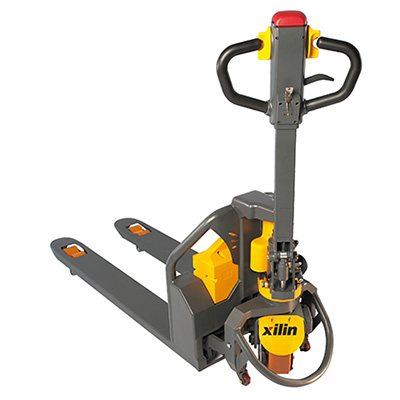 Electric Pallet Truck
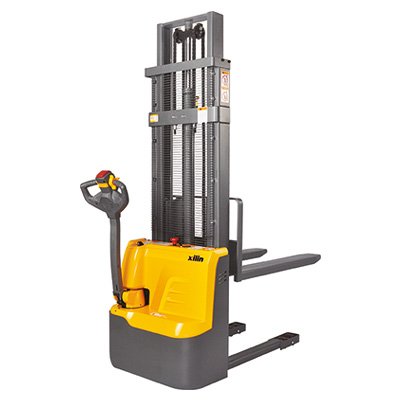 Electric Stacker
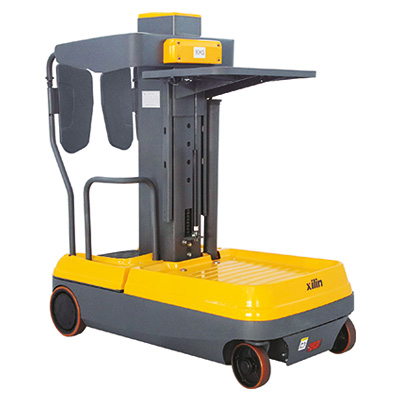 Order Picker
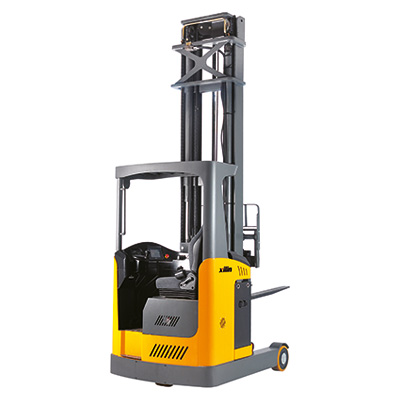 Narrow Aisle Truck
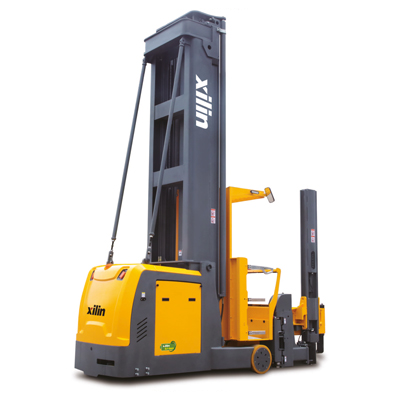 VNA Tri-Lateral Stacker
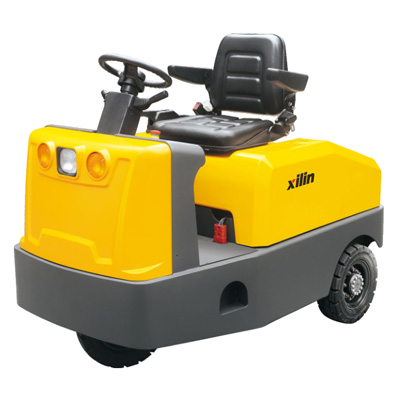 Tow Tractor
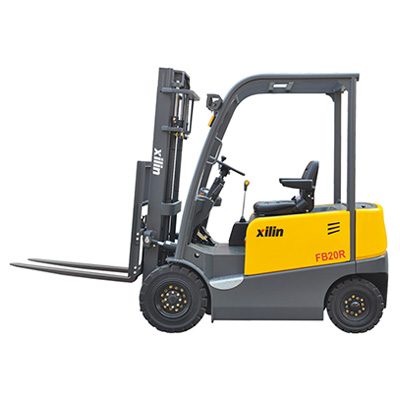 Electric Forklift
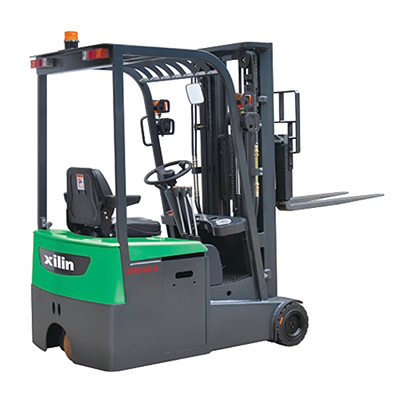 Lithium-ion Truck
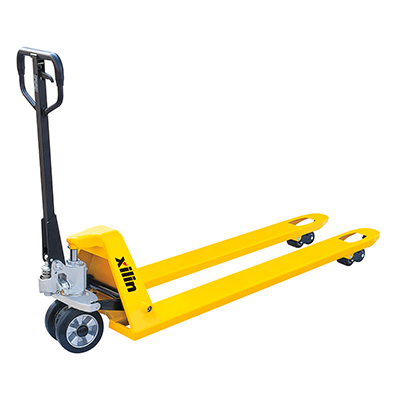 Hand Pallet Truck
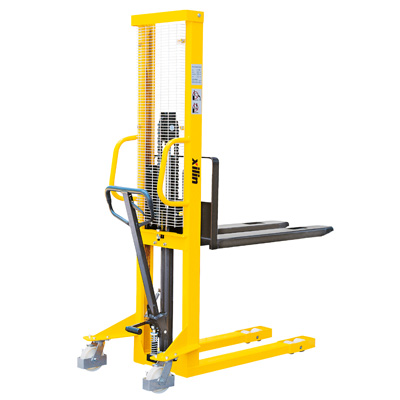 Manual Stacker
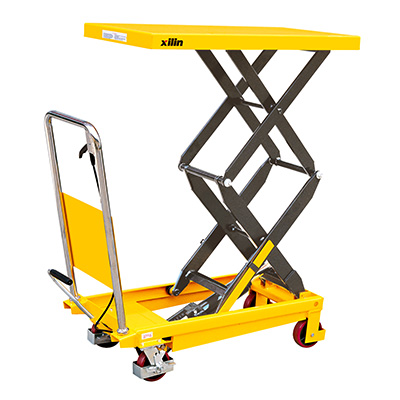 Lift Table
Content
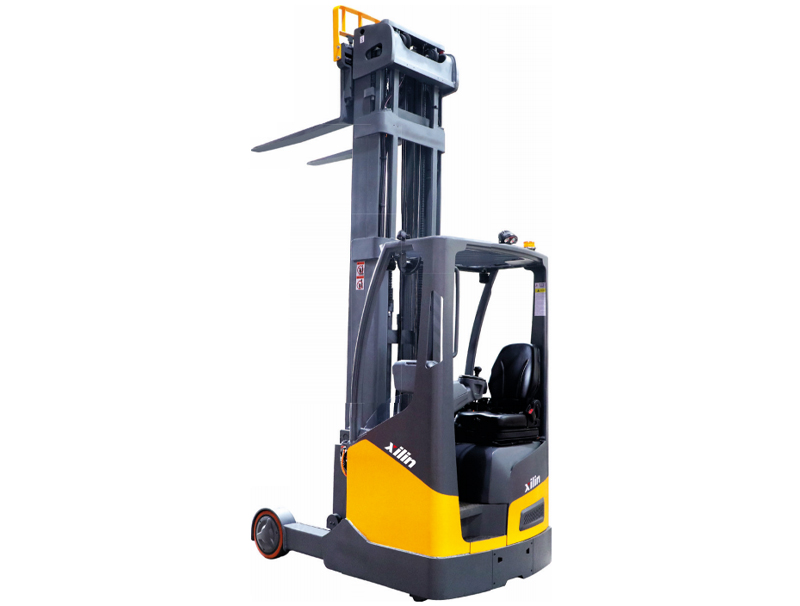
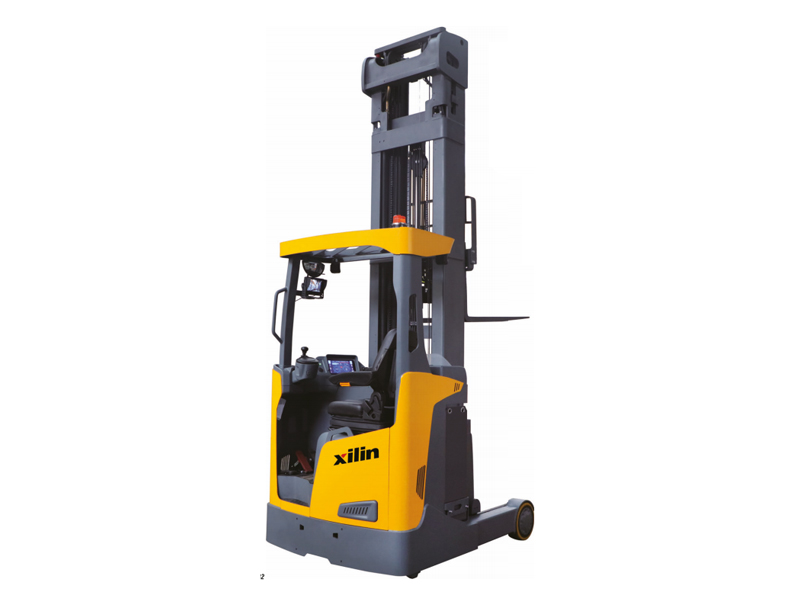
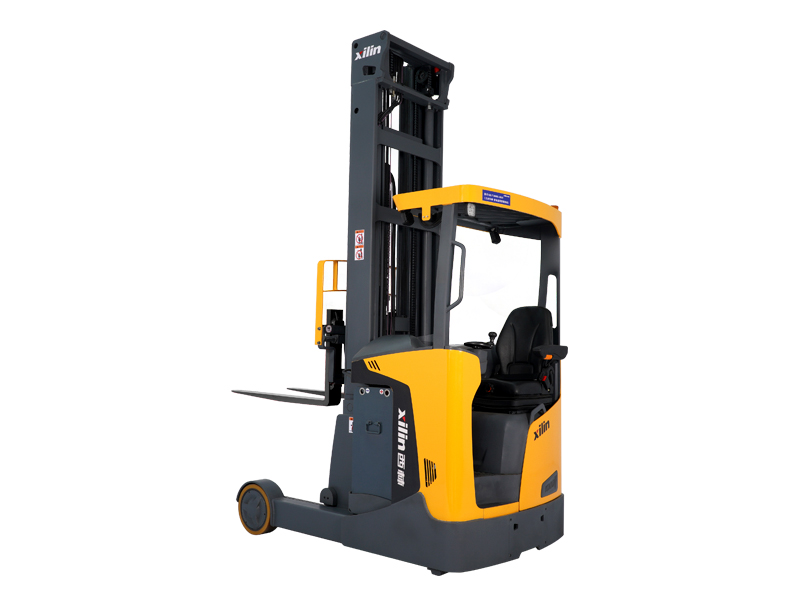
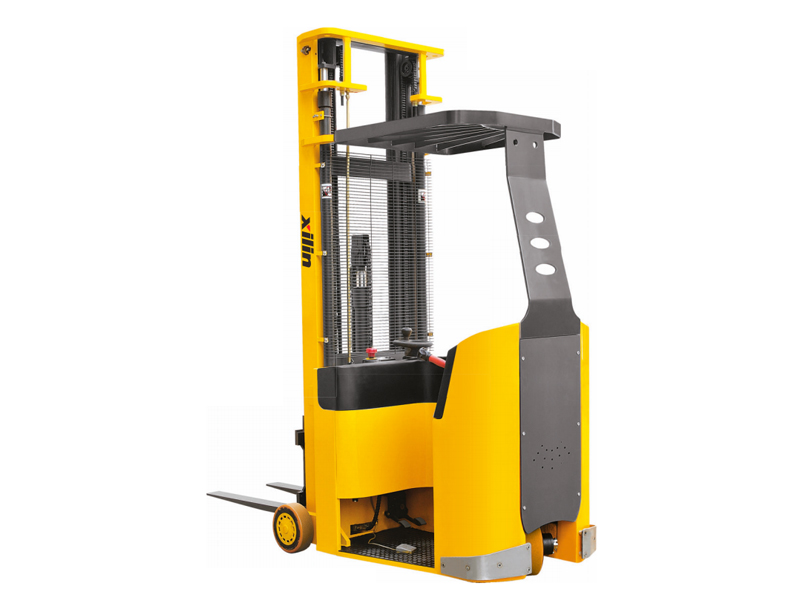
Operating a Narrow Aisle Truck correctly involves completing a pre operation inspection, positioning the truck squarely within the guided aisle, raising the operator cab or forks to the correct rack level, extending or rotating the forks to engage the pallet, and retracting fully before traveling to the next location. Because these trucks operate in aisles as tight as 1.6 to 1.8 meters wide, precision matters more than with standard forklifts, and most facilities require operators to complete specialized certification beyond a general forklift license before using this type of equipment. Following a consistent operating sequence and respecting the truck's guided rail or wire system is the foundation of safe, efficient use.
Pre Operation Inspection
Before starting a shift, a thorough inspection helps catch issues before they become safety hazards in a confined aisle environment.
- Check tires and guide wheels for wear or damage, since these keep the truck aligned within the aisle
- Test the mast rotation or side shift mechanism for smooth, controlled movement
- Inspect the operator cab elevation system if the model includes a rising platform
- Confirm horn, warning lights, and emergency stop controls are functioning
- Check battery charge level and hydraulic fluid where applicable
Entering and Aligning With the Aisle
Guided Systems
Most narrow aisle trucks rely on either rail guidance, where physical rails on the floor keep the wheels aligned, or wire guidance, where a buried wire and onboard sensors steer the truck automatically once it enters the aisle. Understanding which system a specific facility uses is essential, since manual steering typically becomes locked or limited once the truck engages the guide system.
Approach Speed
Entering the aisle at a slow, controlled speed allows the guidance system to properly engage and reduces the risk of the truck catching against rack uprights during alignment.
Step by Step Operating Sequence
- Complete the pre operation inspection and confirm the aisle guidance system is active
- Enter the aisle slowly and allow the truck to align with the guide rail or wire
- Raise the mast or operator cab to the target rack level, watching height indicators closely
- Rotate or extend the forks to square up with the pallet opening
- Insert the forks fully before lifting the pallet clear of the rack beam
- Retract the forks completely and lower the mast before traveling
- Travel to the destination aisle at a controlled speed and repeat the process in reverse to place the pallet
Operator Cab Use at Height
Many narrow aisle trucks include an elevating operator cab that rises with the load, allowing the operator to view the pallet directly at eye level rather than judging placement from ground level. This design significantly improves placement accuracy in racking that can exceed 12 meters in height, but it also means fall protection procedures apply in the same way they would for elevated work platforms. Operators should always confirm the cab guardrail or harness anchor point is properly used whenever the platform is raised above the manufacturer specified height threshold.
Placing and Retrieving Pallets Safely
| Task | Key Practice |
| Fork alignment | Square the forks fully with the pallet opening before insertion |
| Lift clearance | Raise the pallet just enough to clear the rack beam before retracting |
| Load weight check | Confirm the pallet weight is within the truck's rated capacity at the specific lift height |
| Retraction | Fully retract forks before any horizontal travel begins |
Common Mistakes to Avoid
- Traveling with forks partially extended, which can catch on racking in a narrow aisle
- Entering the guide system at high speed, risking misalignment
- Raising the cab or forks without visually confirming clearance from overhead structures
- Overriding the guidance system manually without proper training on the specific model
- Skipping the pre operation inspection during shift changes
Operator Training and Certification
Because narrow aisle trucks combine guided steering, elevated cabs, and precise fork control, most workplace safety authorities, including guidance issued under OSHA standard 1910.178, require operators to receive equipment specific training rather than relying on general forklift certification alone. Training typically covers guidance system operation, load charts specific to the truck's lift height, and emergency lowering procedures. Facilities that invest in proper narrow aisle certification generally report fewer rack collision incidents compared to those that rely only on general forklift training for this specialized equipment.
Final Thoughts
Using a narrow aisle truck safely and efficiently depends on a consistent operating routine, from pre shift inspection through guided aisle entry, precise fork placement, and full retraction before travel. Because these trucks are engineered for tight spaces and significant lift heights, proper training and attention to detail matter more than with standard forklifts. For warehouses relying on high density racking, a well operated Narrow Aisle Truck can move pallets efficiently through confined aisles while maintaining the safety standards needed for elevated, precision material handling work.