 英语
英语 西班牙语
西班牙语 德语
德语 法语
法语 俄语
俄语
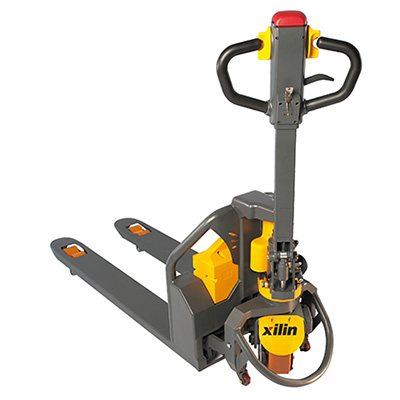 Electric Pallet Truck
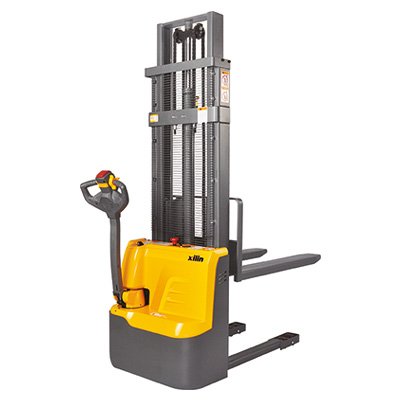 Electric Stacker
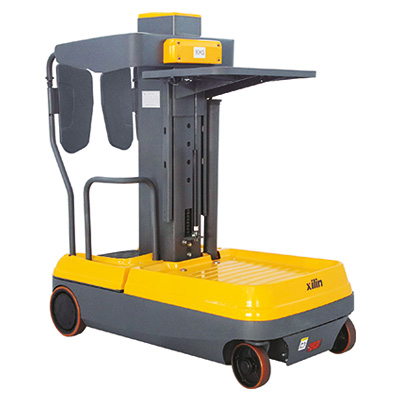 Order Picker
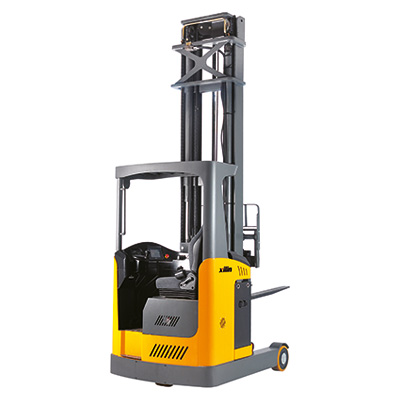 Narrow Aisle Truck
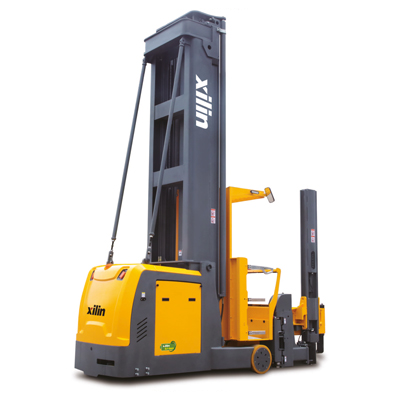 VNA Tri-Lateral Stacker
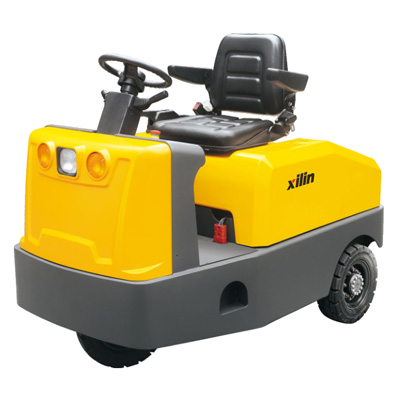 Tow Tractor
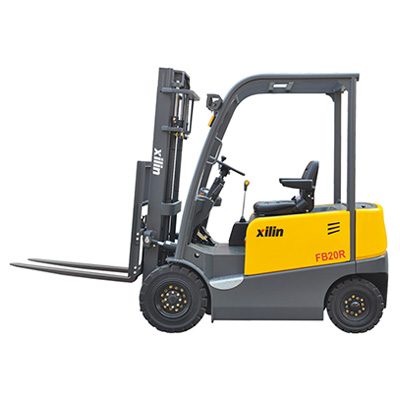 Electric Forklift
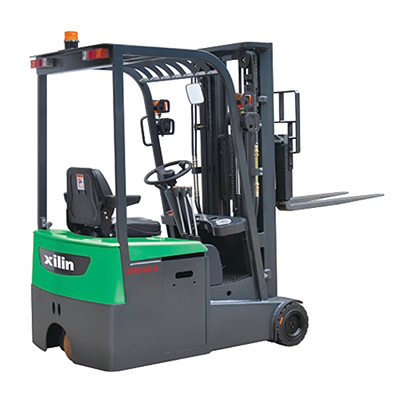 Lithium-ion Truck
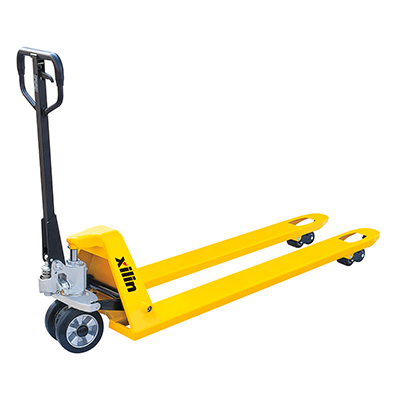 Hand Pallet Truck
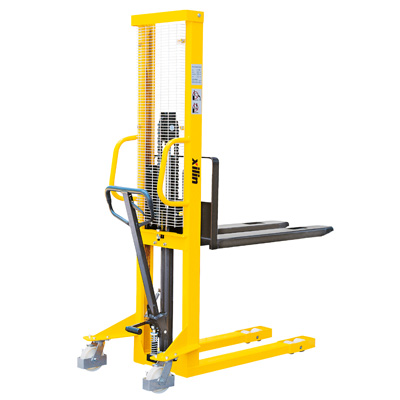 Manual Stacker
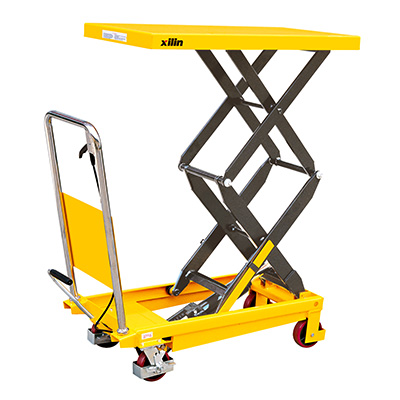 Lift Table
Content
The main difference between a Narrow Aisle Truck and a reach truck is the aisle width each is designed to operate in and how the mast and forks maneuver within that space. A narrow aisle truck, often equipped with a rotating or articulating mast, can operate in aisles as tight as 1.6 to 1.8 meters wide, while a standard reach truck typically requires aisles of around 2.5 to 2.8 meters to extend its forks and retrieve pallets. Reach trucks are generally more versatile for mixed operations and lower cost to acquire, while narrow aisle trucks are purpose built to maximize storage density in warehouses where every meter of floor space carries a real cost.
How Each Truck Type Works
Reach Truck Operation
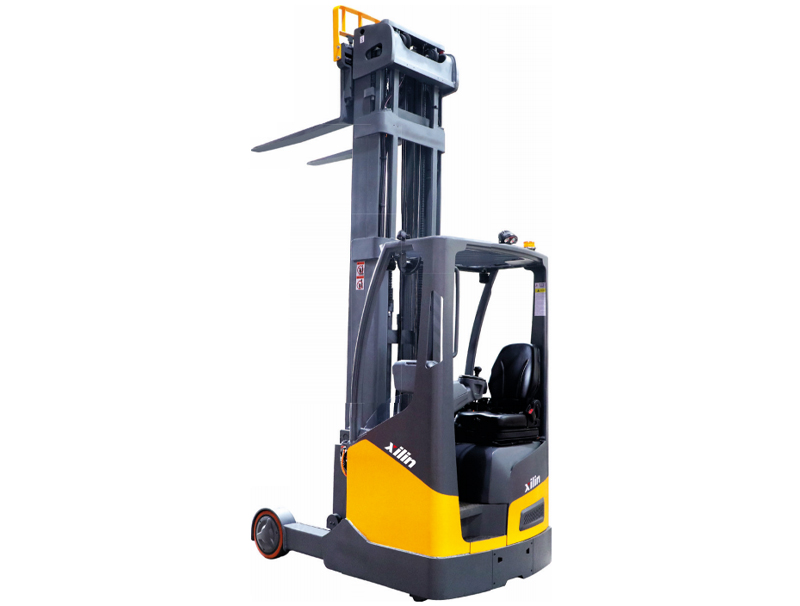
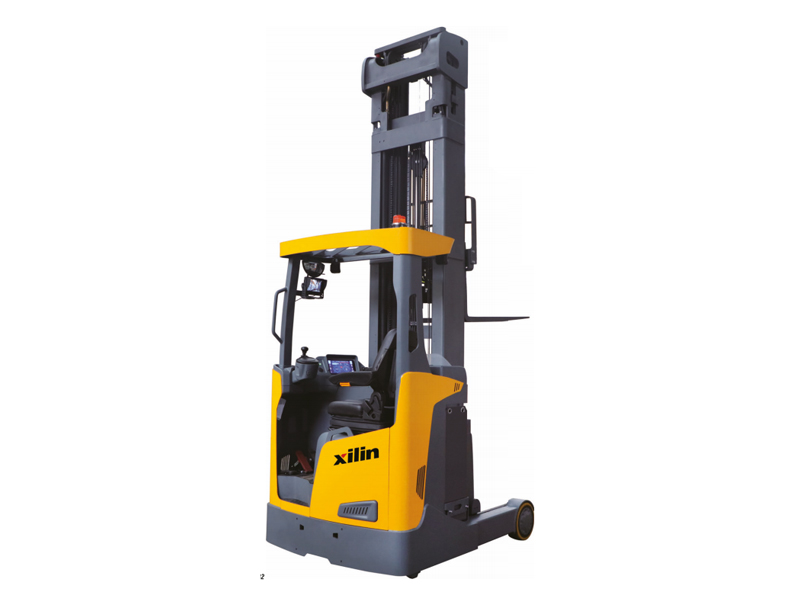
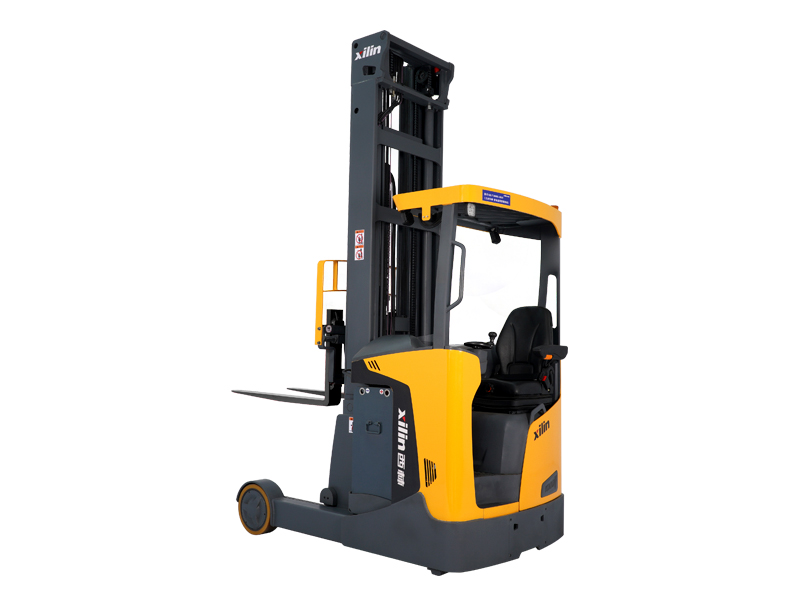
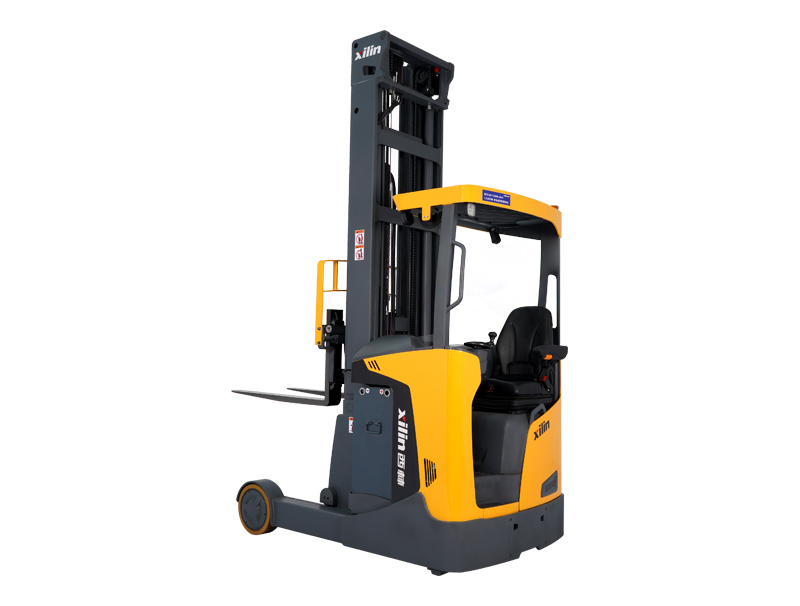
A reach truck uses a telescoping or pantograph mast that extends forward to pick up or place a pallet, then retracts the load back over the wheelbase before the truck travels down the aisle. This design keeps the truck body compact while still reaching into deep racking, but it still requires enough aisle width for the truck itself to turn and align with each rack bay.
Narrow Aisle Truck Operation
A narrow aisle truck, sometimes called a very narrow aisle or VNA truck, typically uses a mast that rotates the forks 90 degrees or a fork carriage that shifts sideways, allowing the truck to travel straight down a tight aisle and pick or place pallets without needing to turn. Many models are also guided by rail or wire systems embedded in the floor to maintain precise alignment in these confined spaces.
Aisle Width Comparison
Aisle width is the single biggest factor separating these two truck types and has a direct impact on how much usable storage a warehouse can fit into a given footprint.
| Truck Type | Typical Minimum Aisle Width |
| Counterbalance forklift | 3.5 to 4 meters |
| Reach truck | 2.5 to 2.8 meters |
| Narrow aisle truck | 1.6 to 1.8 meters |
According to warehouse design guidance published by the Material Handling Industry (MHI), reducing aisle width from a standard reach truck layout to a narrow aisle configuration can increase usable pallet storage capacity by up to 40 percent within the same building footprint, since less floor space is dedicated to aisle clearance.
Lift Height and Racking Access
Both truck types are built for high level racking, but narrow aisle trucks are generally engineered to reach greater heights with more precision.
- Reach trucks commonly lift to around 9 to 11 meters depending on the model
- Narrow aisle trucks are often rated for 12 meters or higher, with some specialized models exceeding 15 meters
- Narrow aisle trucks frequently include cab elevation, allowing the operator to rise with the load for better visibility at height
Operator Experience and Visibility
Reach Truck Cab
Reach truck operators typically sit or stand at ground level, with the mast extending forward and upward while the operator remains stationary at the base. This offers a familiar, straightforward operating position similar to other forklift types.
Narrow Aisle Truck Cab
Many narrow aisle trucks feature an elevating operator cab that rises alongside the forks, giving the operator a direct eye level view of the pallet during placement at height. This design significantly improves placement accuracy in tall racking systems but requires more specialized operator training compared to a standard reach truck.
Cost and Investment Considerations
| Factor | Reach Truck | Narrow Aisle Truck |
| Upfront equipment cost | Generally lower | Generally higher due to specialized design |
| Warehouse layout cost | Standard racking layout | May require guide rails or wire guidance systems |
| Storage density gained | Moderate improvement over counterbalance layout | Significant improvement, often 30 to 40 percent more pallet positions |
| Operator training | Moderate | More extensive due to guided operation and cab elevation |
Which One Fits Your Warehouse
The right choice depends heavily on facility layout, storage goals, and budget for infrastructure changes.
- Choose a reach truck if the warehouse already has aisles around 2.5 to 2.8 meters and flexibility to handle varied pallet types is a priority
- Choose a narrow aisle truck if maximizing pallet positions within a fixed building footprint is the main objective
- Consider a narrow aisle truck for new facility builds where racking layout can be planned around guided aisle systems from the start
- Factor in operator training time and budget, since narrow aisle systems generally require a longer certification process
Final Thoughts
Both reach trucks and narrow aisle trucks serve high density racking environments, but they solve the space problem differently. A reach truck offers strong versatility and a lower entry cost within moderately narrow aisles, while a Narrow Aisle Truck is purpose built to unlock maximum storage density in facilities where floor space is the most valuable resource. Evaluating current aisle width, target storage capacity, and long term facility plans is the clearest way to determine which equipment type delivers the better return for a specific warehouse operation.