 英语
英语 西班牙语
西班牙语 德语
德语 法语
法语 俄语
俄语
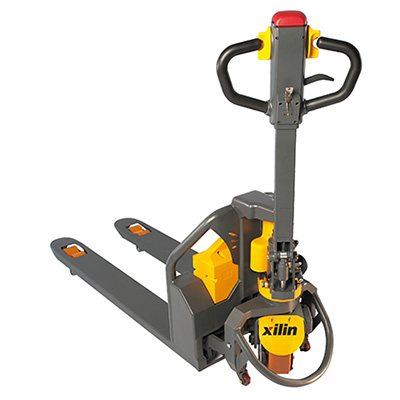 Electric Pallet Truck
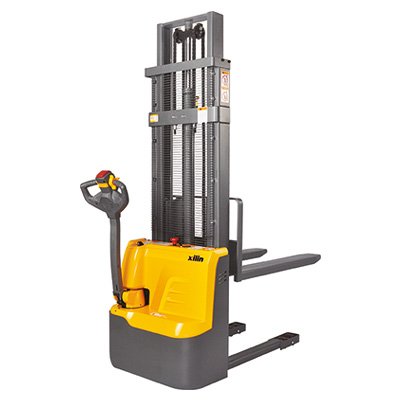 Electric Stacker
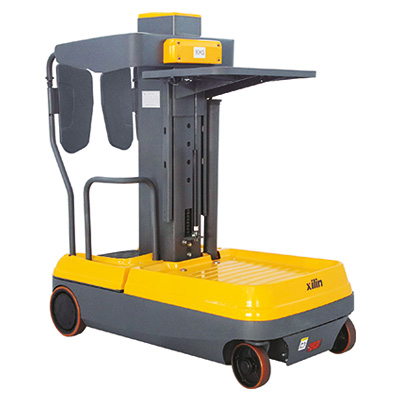 Order Picker
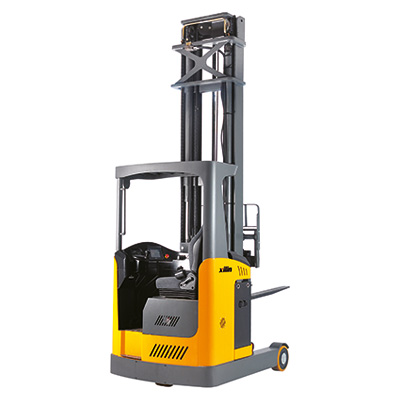 Narrow Aisle Truck
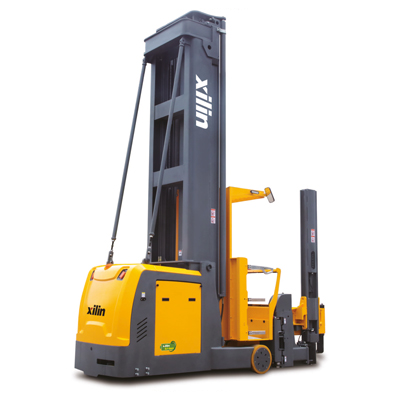 VNA Tri-Lateral Stacker
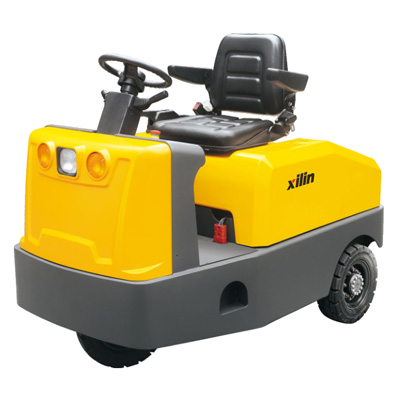 Tow Tractor
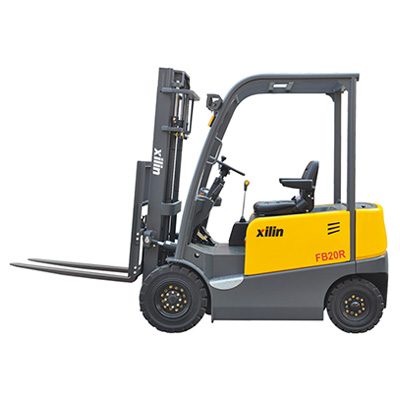 Electric Forklift
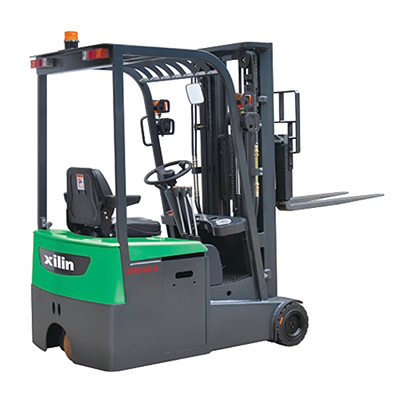 Lithium-ion Truck
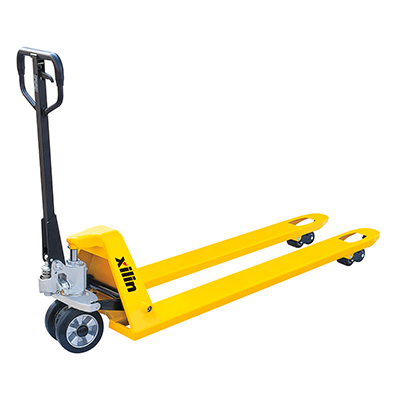 Hand Pallet Truck
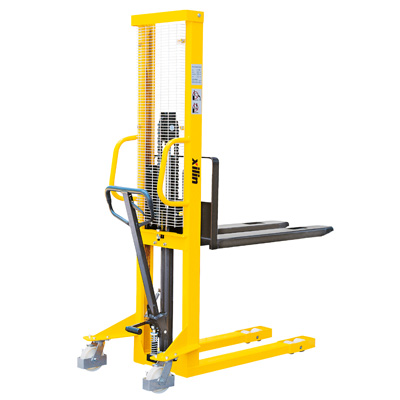 Manual Stacker
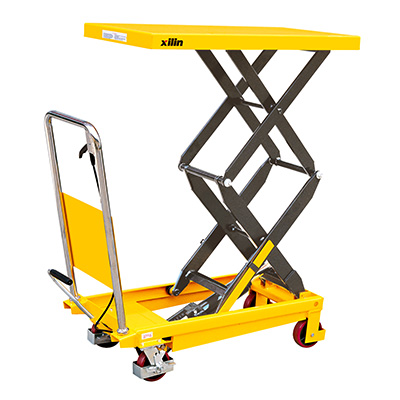 Lift Table
Content
For most indoor warehouse and distribution center operations, an Electric Forklift is generally the better choice, offering lower operating costs, zero direct emissions, and quieter operation suited to enclosed spaces. Diesel forklifts remain the stronger option for heavy outdoor use, rough terrain, or continuous multi shift operations where refueling speed and raw power matter more than running costs. According to data from the U.S. Department of Energy, electric forklifts can cost up to 50 percent less to operate over their lifetime compared to internal combustion models, largely due to lower fuel and maintenance expenses, though the right choice ultimately depends on the specific work environment and duty cycle.
Operating Cost Comparison
Cost is usually the deciding factor for fleet managers comparing the two power types, and the gap between them has grown as battery technology has improved.
| Cost Factor | Electric Forklift | Diesel Forklift |
| Energy cost per hour | Lower, based on electricity rates | Higher, tied to diesel fuel prices |
| Routine maintenance | Fewer moving parts, less frequent servicing | Requires oil changes, filters, and engine upkeep |
| Upfront purchase price | Generally higher due to battery cost | Generally lower initial cost |
| Total cost of ownership | Often lower over 5 to 10 years | Often higher due to fuel and servicing |
This is why many operations with predictable single or double shift schedules find that an electric fleet pays back its higher purchase price within a few years of reduced fuel and maintenance spending.

Performance and Power Considerations
Lifting Capacity and Speed
Diesel forklifts have traditionally held an advantage in raw lifting capacity and travel speed, particularly in heavy duty models built for construction sites or lumber yards. However, advances in battery and motor technology have narrowed this gap significantly, and many current electric forklift models now match diesel counterparts in the 2000 to 5000 kilogram capacity range commonly used in warehouse settings.
Terrain Suitability
Diesel forklifts generally perform better on uneven, muddy, or gravel surfaces due to their engine torque and typically larger tire options. Electric forklifts are best suited to smooth, level surfaces such as warehouse floors, loading docks, and paved yards.
Indoor Air Quality and Emissions
One of the clearest advantages of electric forklifts is the absence of direct exhaust emissions, which matters significantly for indoor operation. The Occupational Safety and Health Administration (OSHA) enforces strict permissible exposure limits for carbon monoxide in enclosed workspaces, and diesel powered equipment operating indoors typically requires additional ventilation systems to remain compliant. Electric forklifts eliminate this concern entirely, making them the standard choice for enclosed warehouses, cold storage facilities, and food processing environments where air quality regulations are strictest.
Noise Levels and Workplace Comfort
Electric forklifts typically operate at noise levels around 65 to 70 decibels, noticeably quieter than diesel models, which often run between 85 and 95 decibels under load. Lower noise levels reduce operator fatigue over long shifts and make communication easier on a busy warehouse floor, which some facilities cite as a factor in choosing electric equipment even before cost savings are considered.
Refueling and Uptime
This is one area where diesel forklifts still hold a practical edge for continuous, round the clock operations.
- Diesel refueling typically takes only a few minutes, allowing near continuous operation
- Standard electric forklift batteries generally require 6 to 8 hours to fully charge
- Facilities running multiple shifts often need spare battery packs or fast charging systems to avoid downtime
- Lithium ion battery models have shortened charging times considerably compared to older lead acid technology, narrowing this gap
Maintenance Requirements
Electric forklifts have fewer mechanical components overall, since there is no combustion engine, exhaust system, or transmission to service. This generally translates into:
- Reduced routine maintenance visits compared to diesel equipment
- Lower long term parts replacement costs
- Battery health monitoring as the main ongoing maintenance task
- Simpler operator training due to fewer mechanical systems
Diesel forklifts require more frequent oil changes, air filter replacement, and engine inspections, which adds both cost and scheduled downtime over the life of the equipment.
Choosing the Right Option for Your Operation
The decision ultimately comes down to where and how the forklift will be used most often.
| Operating Environment | Better Fit |
| Indoor warehouse or distribution center | Electric forklift |
| Cold storage or food handling facility | Electric forklift |
| Outdoor lumber yard or construction site | Diesel forklift |
| Continuous 24 hour operation without charging infrastructure | Diesel forklift |
| Mixed indoor and paved outdoor use | Electric forklift, in most modern models |
Final Thoughts
Electric forklifts have closed much of the performance gap that once separated them from diesel equipment, and for the majority of indoor and light outdoor operations, they offer the better combination of lower operating cost, cleaner air quality, and reduced noise. Diesel forklifts still hold their place in demanding outdoor environments and continuous shift operations where refueling speed and raw power are the priority. For businesses evaluating a long term fleet upgrade centered on cost efficiency and workplace air quality, an Electric Forklift is worth serious consideration as the more sustainable and economical option for day to day warehouse operations.