 英语
英语 西班牙语
西班牙语 德语
德语 法语
法语 俄语
俄语
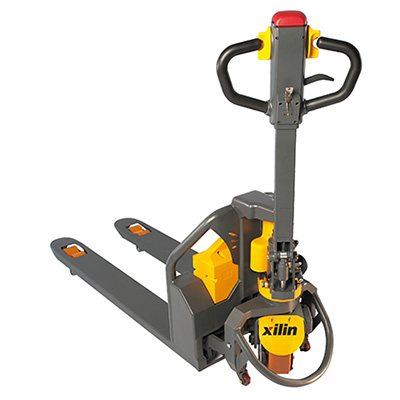 Electric Pallet Truck
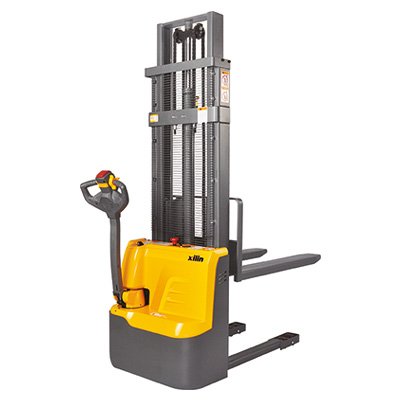 Electric Stacker
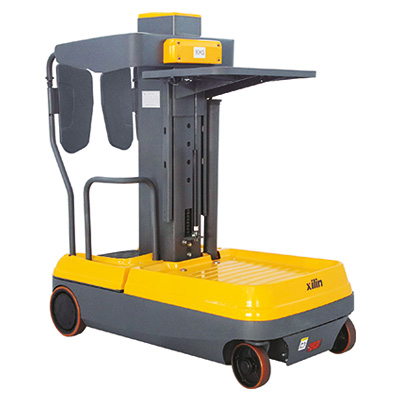 Order Picker
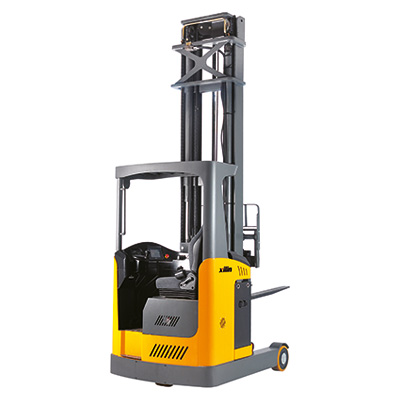 Narrow Aisle Truck
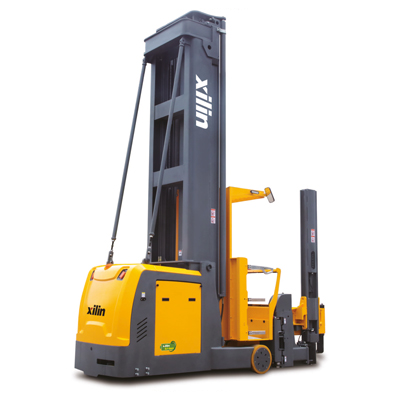 VNA Tri-Lateral Stacker
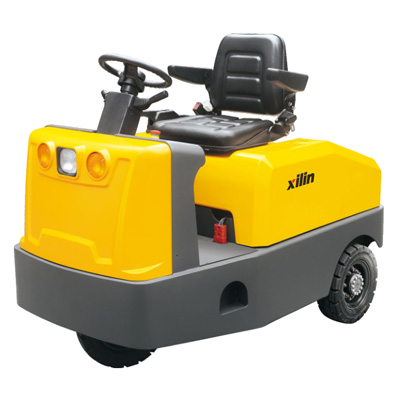 Tow Tractor
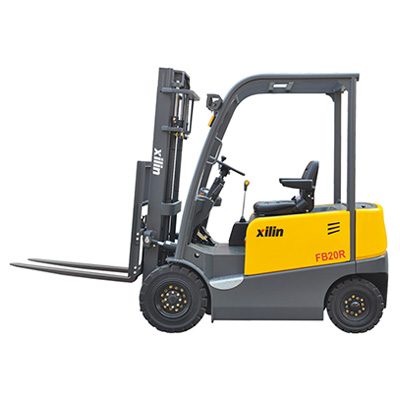 Electric Forklift
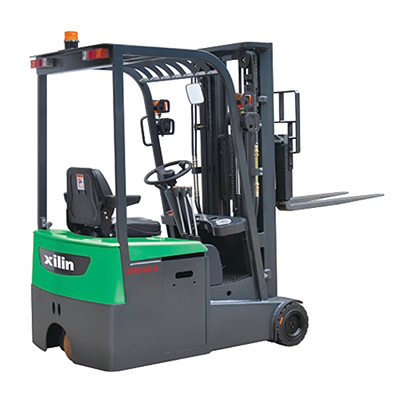 Lithium-ion Truck
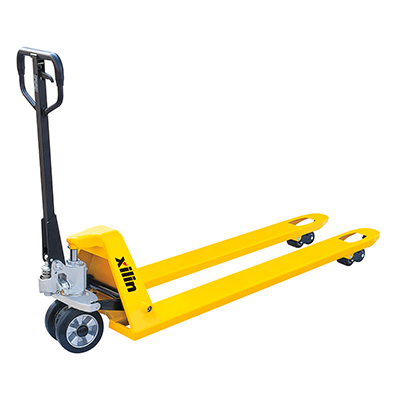 Hand Pallet Truck
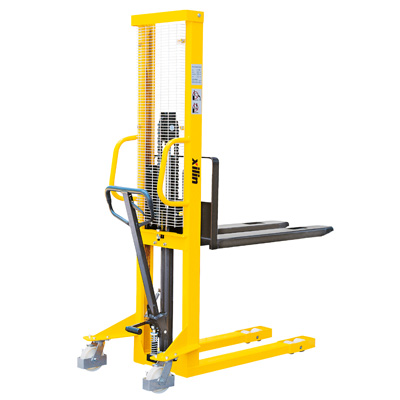 Manual Stacker
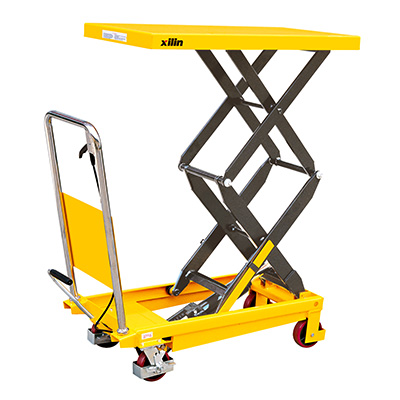 Lift Table
Content
- 1 What Defines a Powered Industrial Truck
- 2 How Electric Pallet Trucks Differ From Manual Pallet Jacks
- 3 Training Requirements That Apply to Electric Pallet Trucks
- 4 Inspection and Maintenance Obligations
- 5 Workplace Safety Implications of the Classification
- 6 Types of Electric Pallet Trucks and Their Common Uses
- 7 Why This Classification Matters for Employers
- 8 Who Should Pay Close Attention to This Classification
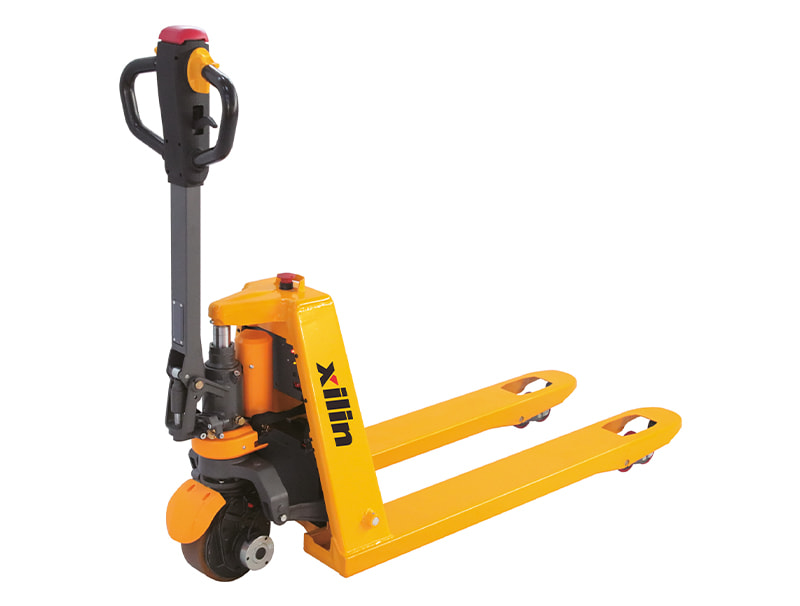
Yes, an electric pallet truck is classified as a powered industrial truck under regulations such as OSHA 1910.178 in the United States, since it uses a motor to move and lift loads rather than relying solely on manual force. This classification means electric pallet trucks fall under the same general safety and operator training requirements as forklifts and other motorized material handling equipment, even though they are smaller and often ride-behind or walk-behind in design. Understanding this classification matters because it directly determines which training, inspection, and workplace safety rules apply to anyone operating the equipment on a daily basis.
What Defines a Powered Industrial Truck
The powered industrial truck classification generally applies to any mobile, power-driven vehicle used to carry, push, pull, lift, stack, or tier material. This definition is broad by design, covering everything from large counterbalance forklifts to compact walkie pallet trucks.
Key Criteria for Classification
- The vehicle is powered by a motor rather than relying entirely on human muscle for movement
- It is designed to transport, lift, or stack materials in a workplace setting
- It is used in industrial, warehouse, or commercial environments rather than for personal or recreational use
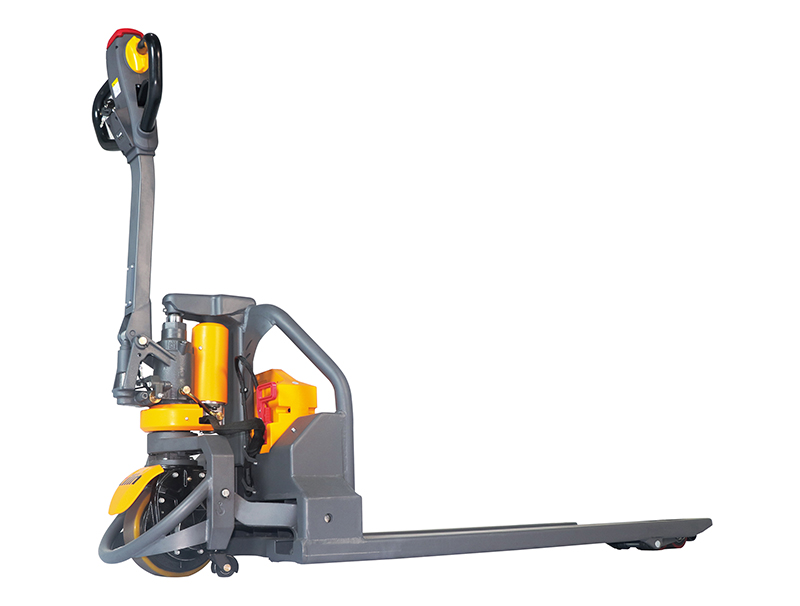
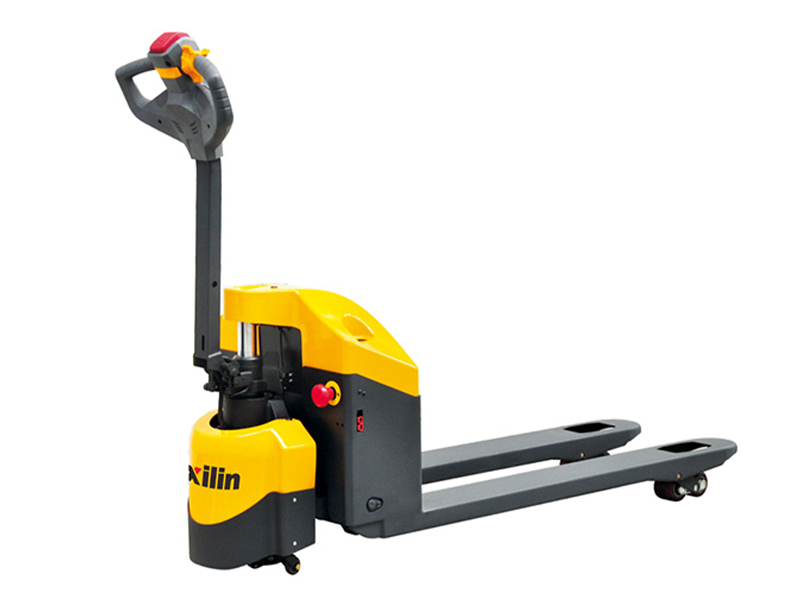
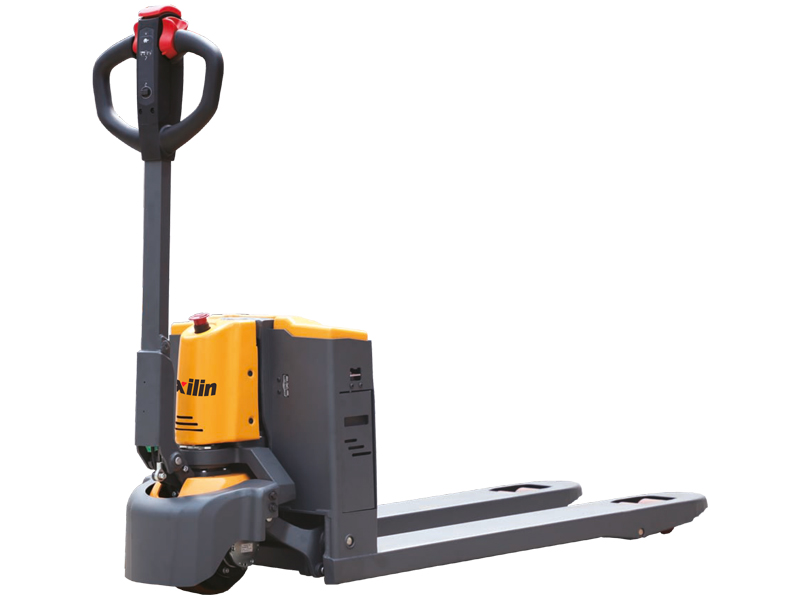
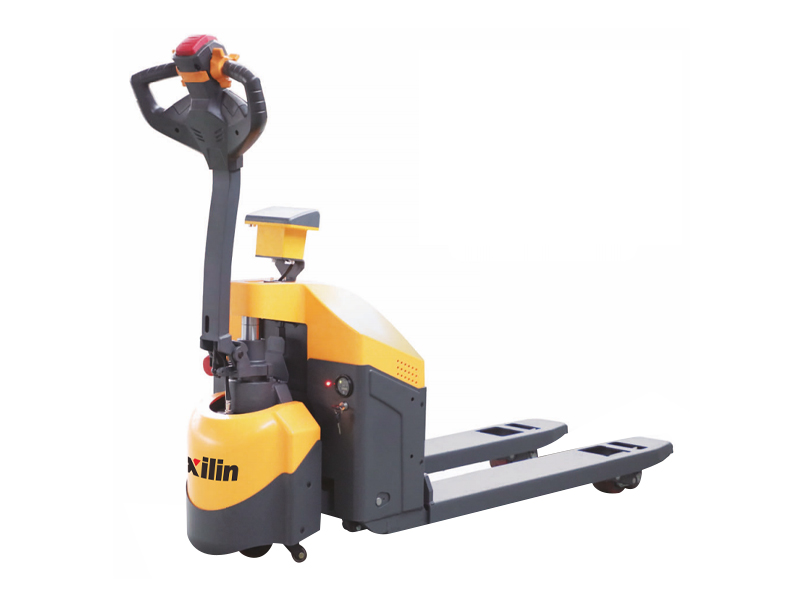
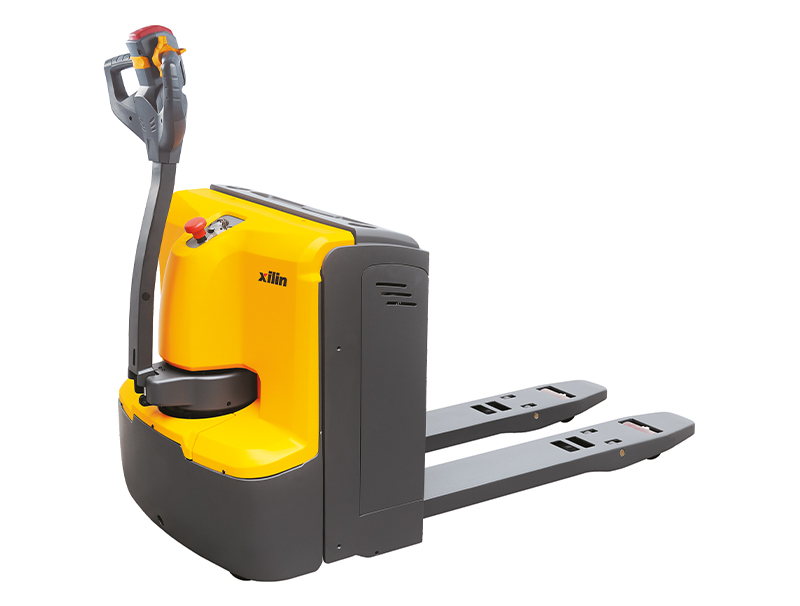
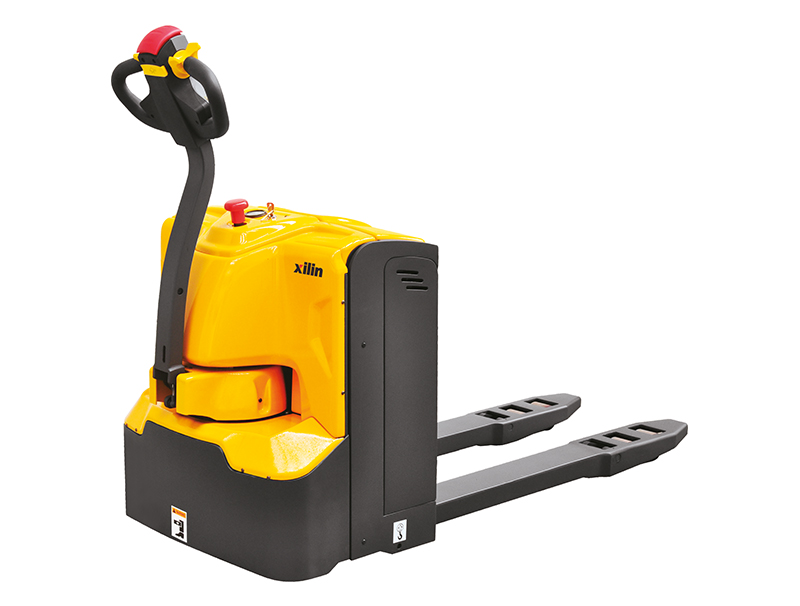
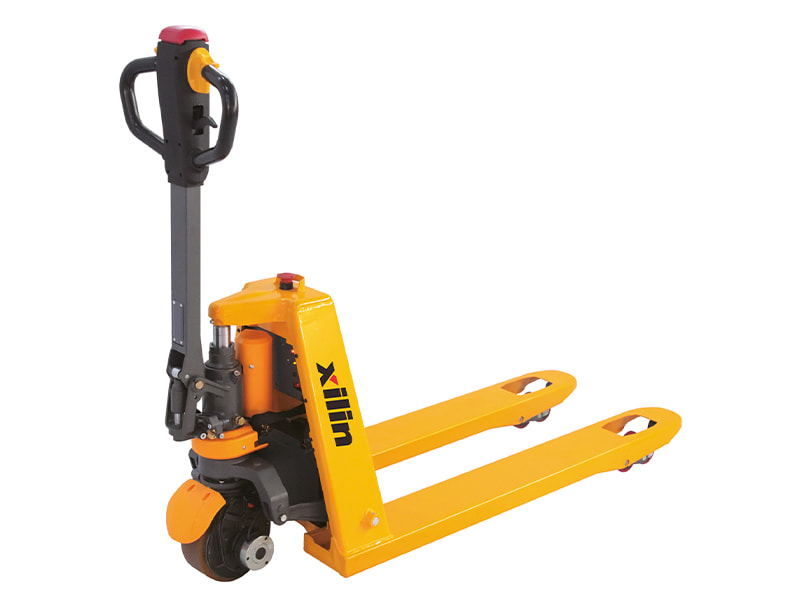
Since an Electric Pallet Truck uses a battery-powered motor to drive the wheels and lift the forks, it meets each of these criteria, placing it firmly within the powered industrial truck category alongside other motorized handling equipment.
How Electric Pallet Trucks Differ From Manual Pallet Jacks
The classification distinction becomes clearer when comparing electric pallet trucks to traditional manual pallet jacks, which are not considered powered industrial trucks under most regulatory frameworks.
Comparison Overview
| Feature | Manual Pallet Jack | Electric Pallet Truck |
| Power source | Human effort only | Battery-powered motor |
| Regulatory classification | Not a powered industrial truck | Powered industrial truck |
| Operator training requirement | General workplace safety only | Formal certified training required |
This distinction is important for warehouse managers building out safety programs, since misclassifying equipment can lead to gaps in required training documentation during a workplace safety audit.
Training Requirements That Apply to Electric Pallet Trucks
Because electric pallet trucks fall under the powered industrial truck classification, operators are generally required to complete formal training before operating the equipment independently in most regulated workplaces.
Core Elements of Required Training
- Formal instruction covering vehicle operation, load handling, and workplace-specific hazards
- Practical training and evaluation conducted by a qualified person on the actual equipment used
- Periodic refresher training, particularly after any accident, near-miss, or observed unsafe operation
Employers are typically responsible for certifying that each operator has completed this training before allowing unsupervised use of an electric pallet truck, similar to certification requirements for larger forklift equipment.
Inspection and Maintenance Obligations
Powered industrial truck classification also brings routine inspection and maintenance responsibilities that do not typically apply to manual equipment. Since electric pallet trucks include battery systems, motors, and hydraulic lift mechanisms, regular checks help ensure the equipment remains safe to operate.
Common Pre-Shift Inspection Points
- Battery charge level and condition of charging connections
- Brake function and emergency stop response
- Fork and lift mechanism operation, checking for unusual noise or slow response
Many facilities log these pre-shift inspections in the same documentation system used for forklifts, reinforcing that electric pallet trucks are treated with the same operational seriousness as larger powered equipment.
Workplace Safety Implications of the Classification
Recognizing an electric pallet truck as a powered industrial truck affects more than just paperwork. It shapes how facilities design traffic patterns, pedestrian walkways, and equipment storage areas to reduce collision risk.
Pedestrian and Traffic Considerations
Because powered equipment moves faster and carries heavier loads than a person pushing a manual jack, many warehouses establish separate travel lanes or speed limits specifically for powered units, including electric pallet trucks operating in narrow aisles.
Load Capacity and Stability Rules
Powered industrial truck classification often comes with stricter enforcement of rated load capacity limits, since exceeding these limits on a motorized unit can create tipping or brake failure risks that are less likely with slower-moving manual equipment.
Types of Electric Pallet Trucks and Their Common Uses
Electric pallet trucks come in several configurations, each suited to different warehouse layouts and load handling needs, though all fall under the same general powered industrial truck classification.
Walkie Electric Pallet Trucks
These compact units are operated by a walking operator using a control handle, making them well suited for tight aisle environments where a rider unit would be too large to maneuver efficiently.
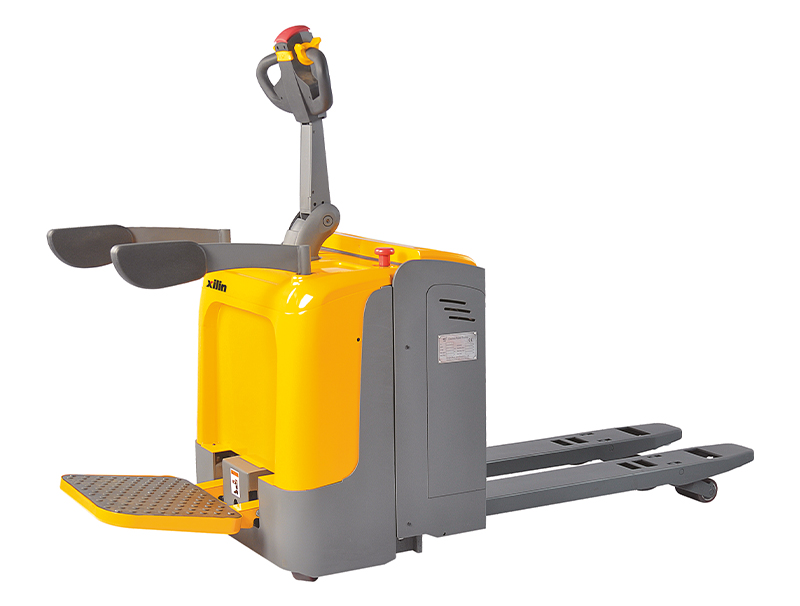
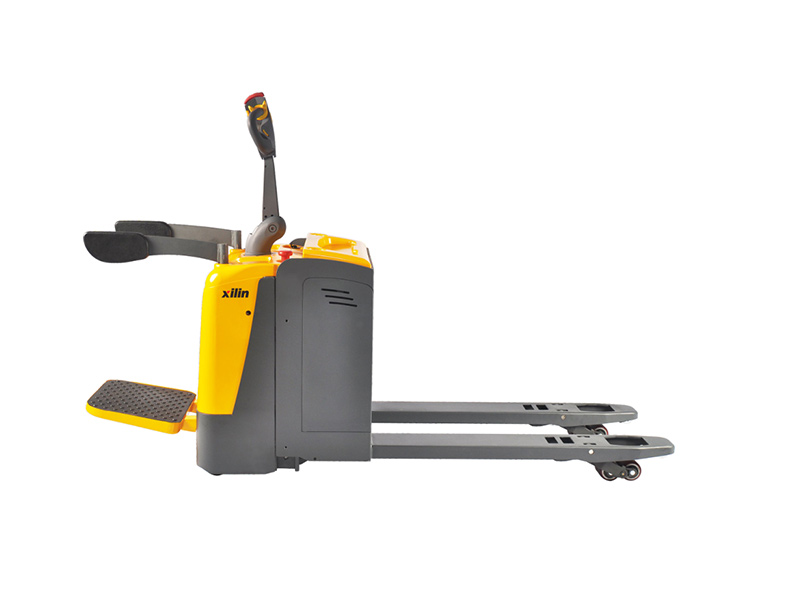
Rider Electric Pallet Trucks
Rider models include a platform for the operator to stand on, allowing faster travel speeds over longer distances, which is common in large distribution centers moving high volumes of palletized goods across wide aisles.
Why This Classification Matters for Employers
For facility managers and safety officers, correctly identifying an electric pallet truck as a powered industrial truck is essential for building a compliant safety program. Skipping required training or inspection protocols because a unit seems simple compared to a forklift can create liability exposure if an incident occurs. Since a battery-powered material handling unit like an electric pallet truck carries the same core operational risks as other motorized equipment, treating it with equivalent training and maintenance standards helps reduce workplace accidents and supports regulatory compliance.
Who Should Pay Close Attention to This Classification
Warehouse managers, safety compliance officers, and equipment purchasing teams should pay close attention to this classification when building operator training programs or updating workplace safety policies. Businesses transitioning from manual pallet jacks to electric models need to update their training documentation and inspection schedules accordingly, since the shift to powered equipment introduces new regulatory obligations that manual handling equipment does not carry.