 英语
英语 西班牙语
西班牙语 德语
德语 法语
法语 俄语
俄语
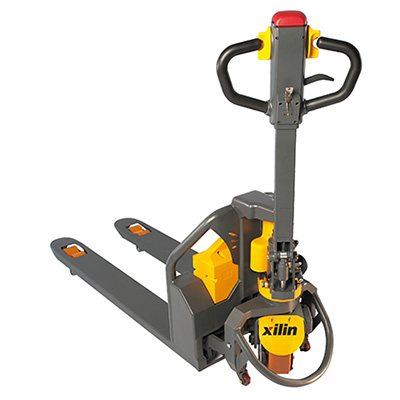 Electric Pallet Truck
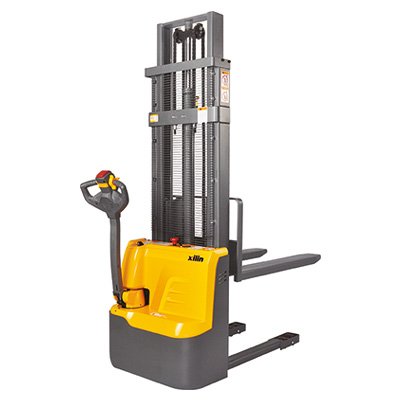 Electric Stacker
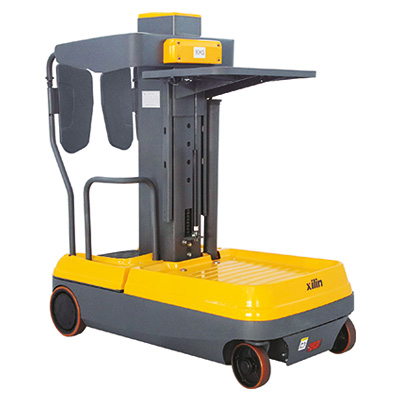 Order Picker
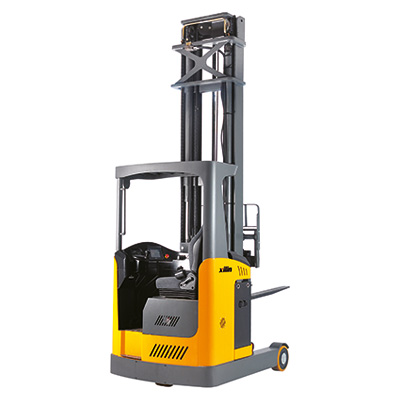 Narrow Aisle Truck
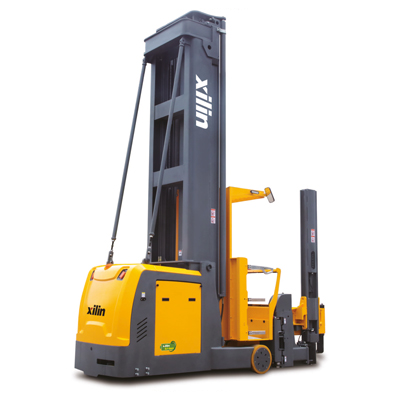 VNA Tri-Lateral Stacker
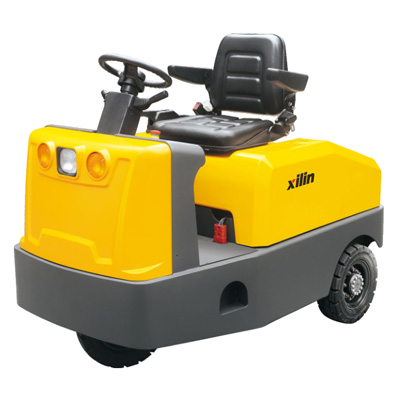 Tow Tractor
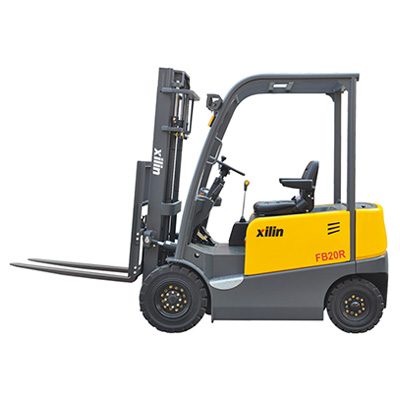 Electric Forklift
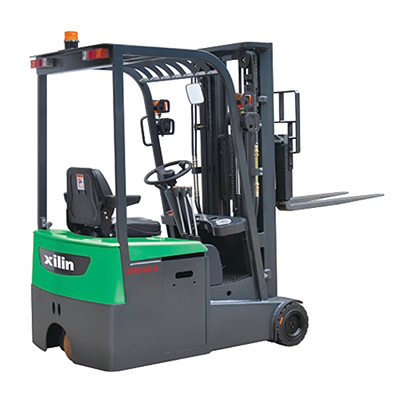 Lithium-ion Truck
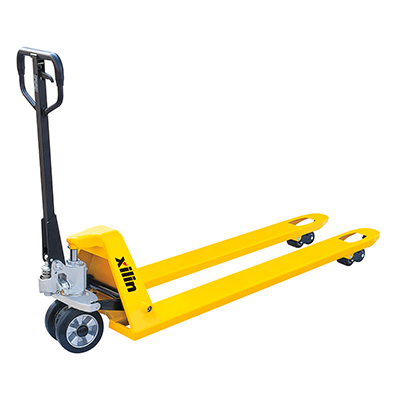 Hand Pallet Truck
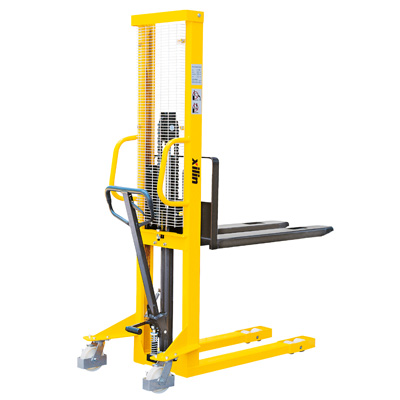 Manual Stacker
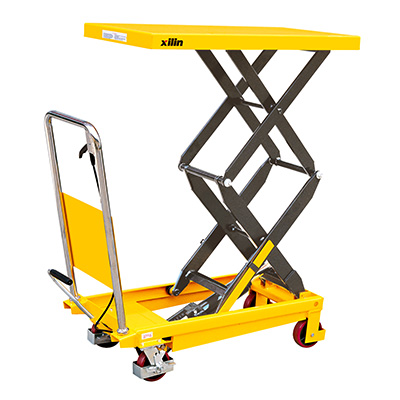 Lift Table
Content
- 1 Why Electric Pallet Trucks Suit Unloading Tasks
- 2 Comparing Electric Pallet Trucks to Manual Jacks for Unloading
- 3 Unloading Trucks Versus Shipping Containers
- 4 Load Capacity Considerations for Unloading Tasks
- 5 Battery Life and Continuous Unloading Shifts
- 6 Safety Practices When Unloading With an Electric Pallet Truck
- 7 Choosing the Right Electric Pallet Truck for Unloading Operations
- 8 Who Benefits Most From Using Electric Pallet Trucks for Unloading
Yes, an electric pallet truck can be used for unloading trucks, trailers, and shipping containers, and it is one of the most common tools chosen for this task in warehouses and distribution centers. Its motorized lift and drive system allow workers to move palletized goods off a vehicle quickly without the physical strain required by manual pallet jacks, which matters significantly during high-volume unloading shifts. Facilities handling frequent deliveries often report that switching to powered units can reduce unloading time per truck by 30 to 40 percent compared to manual equipment, based on common efficiency benchmarks cited across warehouse operations research.
Why Electric Pallet Trucks Suit Unloading Tasks
Unloading work involves repetitive lifting, moving, and lowering of heavy palletized goods, often under time pressure to clear a truck or container quickly. Electric pallet trucks are well matched to this environment because their motorized systems reduce the physical effort needed for each pallet moved.
Key Advantages for Unloading Work
- Motorized lift reduces physical strain during repeated heavy pallet handling
- Battery-powered drive allows faster movement between the truck bed and staging area
- Compact size allows maneuvering inside tight trailer or container spaces
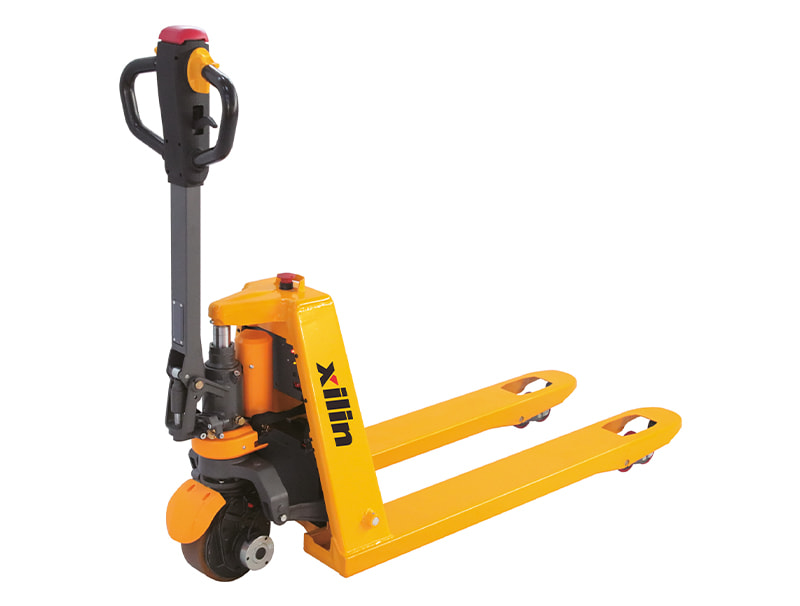
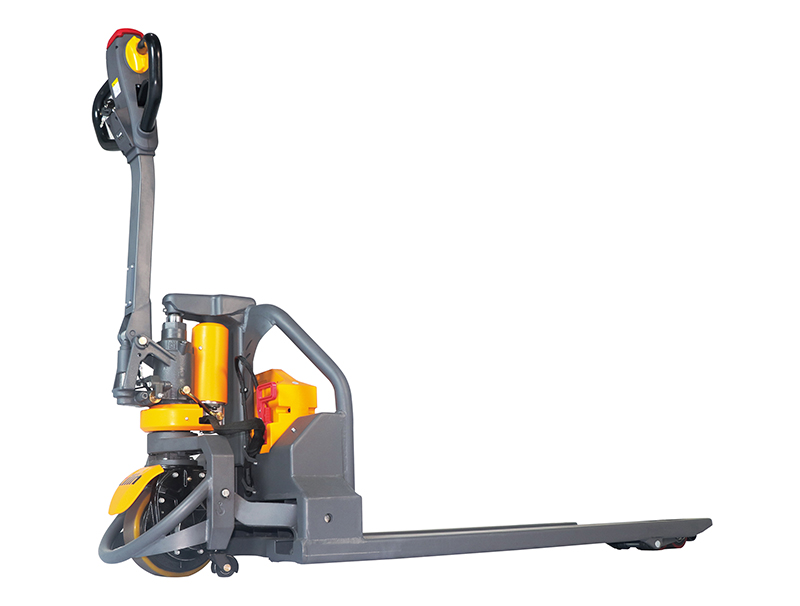
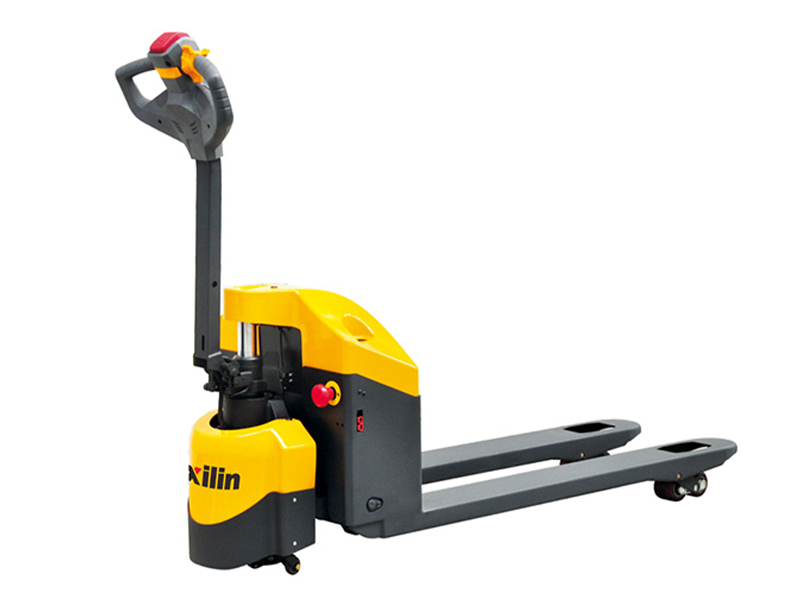
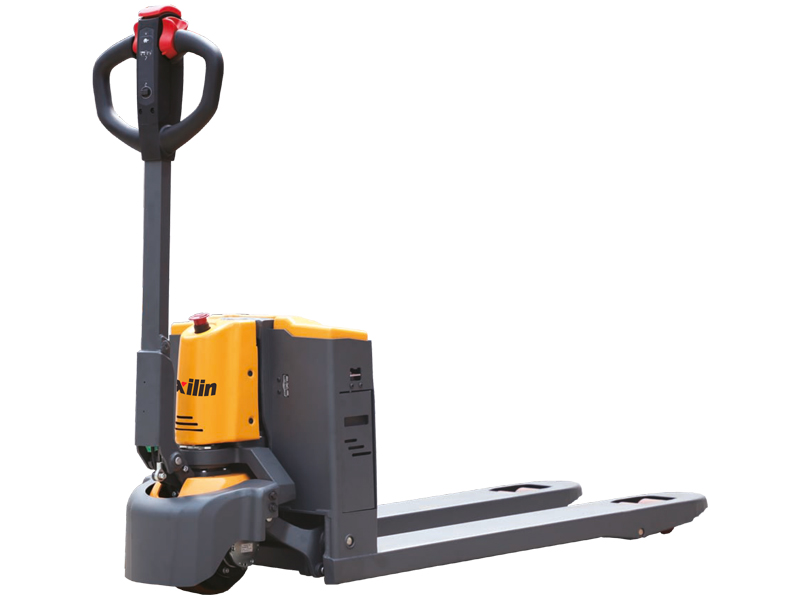
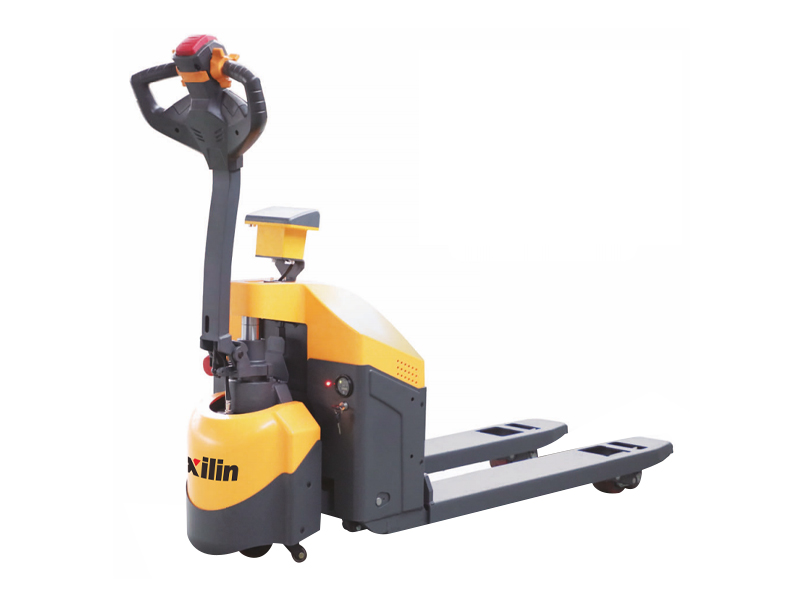
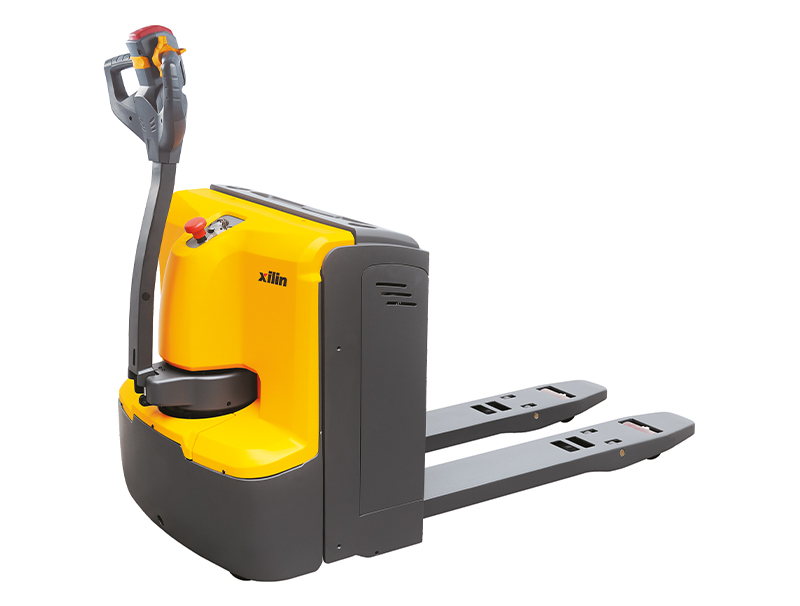
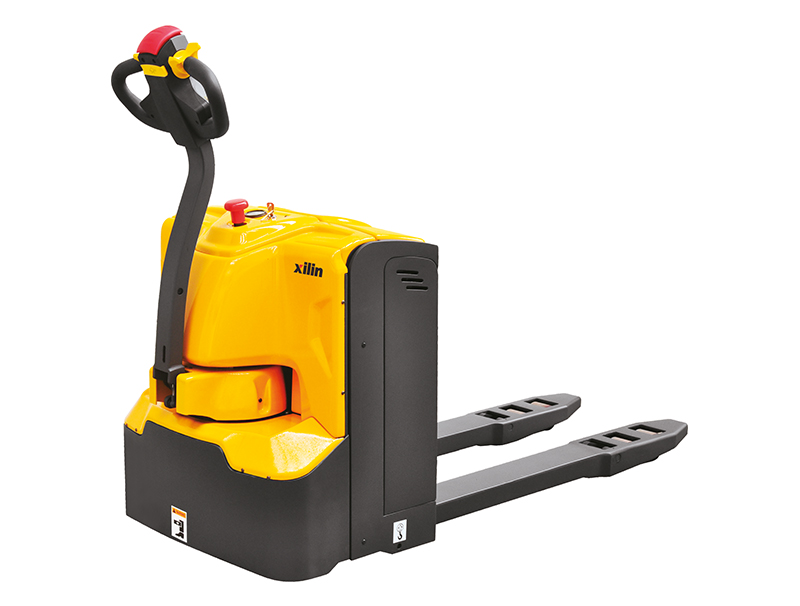
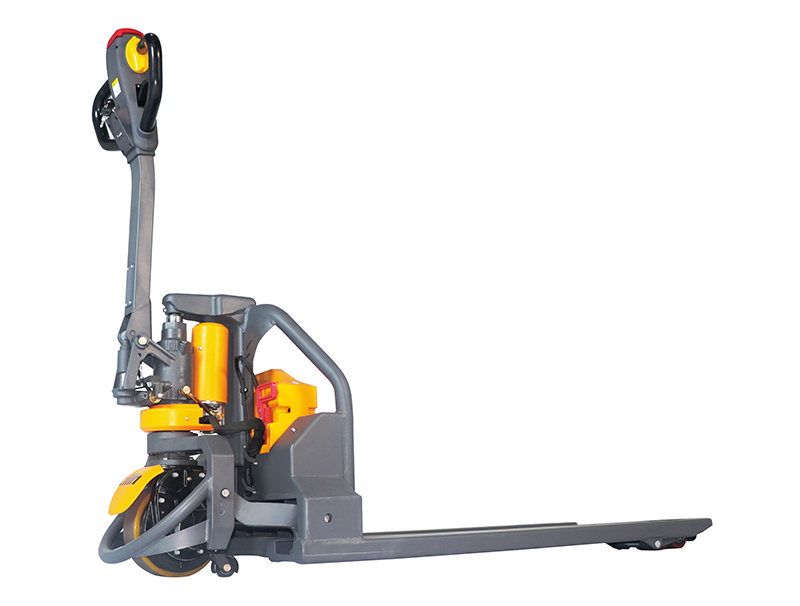
An Electric Pallet Truck designed for dock and trailer use typically includes a low profile chassis that fits beneath standard pallet openings while still supporting the load capacity needed for full commercial pallets.
Comparing Electric Pallet Trucks to Manual Jacks for Unloading
While manual pallet jacks can technically be used for unloading, the physical demands and time required often make them less practical for high-frequency or high-volume unloading operations.
Efficiency Comparison
| Equipment Type | Average Time Per Pallet | Operator Fatigue Level |
| Manual pallet jack | 90 to 120 seconds | High over a full shift |
| Electric pallet truck | 50 to 70 seconds | Low to moderate |
These figures reflect typical dock unloading patterns reported by logistics operations teams, where the reduced physical effort of powered units allows workers to maintain a faster, more consistent pace across an entire shift rather than slowing down as fatigue builds.
Unloading Trucks Versus Shipping Containers
Electric pallet trucks perform well in both truck trailer unloading and shipping container unloading, though each environment presents slightly different handling considerations.
Truck and Trailer Unloading
Standard delivery trucks and trailers typically have level, flat flooring that matches loading dock height, making it straightforward for an electric pallet truck to drive directly onto the trailer bed and retrieve pallets without needing a ramp adjustment.
Shipping Container Unloading
Shipping containers often have a raised floor lip and narrower interior width, which requires operators to use a dock leveler or ramp to bridge the gap safely. Compact electric pallet truck models are generally better suited to the tighter turning radius needed inside standard container dimensions.
Load Capacity Considerations for Unloading Tasks
Unloading tasks often involve handling a wide range of pallet weights, from lightweight retail goods to dense industrial materials, so matching the electric pallet truck's rated capacity to the typical load type is important for safe and efficient operation.
Typical Capacity Ranges
- Light-duty units generally handle loads up to 1500 kg, suited for retail and general merchandise
- Standard-duty units typically support 2000 to 2500 kg, common in general warehouse unloading
- Heavy-duty units can handle 3000 kg or more, used for industrial or bulk material unloading
Selecting a unit with adequate capacity margin above the heaviest expected pallet weight helps avoid overloading strain on the motor and hydraulic lift system during repeated unloading cycles.
Battery Life and Continuous Unloading Shifts
Unloading work often happens in concentrated bursts, such as clearing multiple trucks during a morning delivery window, which places specific demands on battery performance and charging routines.
Battery Considerations for High-Volume Unloading
Facilities with frequent, back-to-back truck deliveries often benefit from units with fast-charging or swappable battery options, allowing continuous operation without significant downtime between unloading sessions.
Planning Charging Schedules Around Delivery Windows
Scheduling charging during predictable low-activity periods, such as overnight or between known delivery windows, helps ensure the equipment is consistently ready for the next unloading task without unexpected power interruptions mid-shift.
Safety Practices When Unloading With an Electric Pallet Truck
Unloading environments carry specific safety considerations due to trailer gaps, dock plate transitions, and confined maneuvering space, all of which require careful operator attention when using powered equipment.
Key Safety Practices
- Confirm the trailer is properly secured and chocked before driving the unit onto the trailer bed
- Inspect dock plates or ramps for stability before crossing with a loaded unit
- Maintain clear visibility of the load path, particularly when reversing out of a trailer or container
Following these practices helps reduce the risk of tip-overs or dock plate accidents, which are among the more common incident types reported in loading dock safety data from warehouse operations.
Choosing the Right Electric Pallet Truck for Unloading Operations
Not every electric pallet truck model is equally suited to unloading work, and facilities should consider specific features that support this particular use case rather than general warehouse movement alone.
Features That Support Efficient Unloading
Look for a low-profile fork design that fits easily under standard pallets even on slightly uneven trailer flooring, along with responsive braking for controlled stops when maneuvering near trailer edges and dock plates.
Durability for High-Frequency Use
Facilities unloading multiple trucks daily should prioritize a durable electric pallet truck built for high-cycle use, since equipment used constantly throughout a shift experiences more wear than units used only occasionally for internal warehouse movement.
Who Benefits Most From Using Electric Pallet Trucks for Unloading
Distribution centers, retail supply chains, and manufacturing facilities that receive frequent truck or container deliveries benefit the most from using electric pallet trucks for unloading tasks. The combination of reduced operator fatigue, faster per-pallet handling times, and compact maneuverability makes powered units a practical choice for any operation where truck unloading is a regular, high-volume part of the daily workflow.