 英语
英语 西班牙语
西班牙语 德语
德语 法语
法语 俄语
俄语
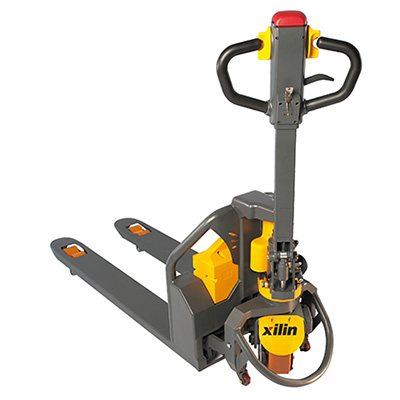 Electric Pallet Truck
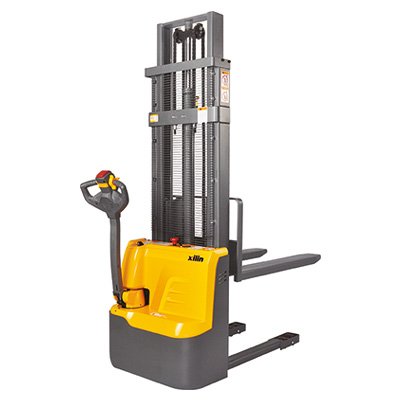 Electric Stacker
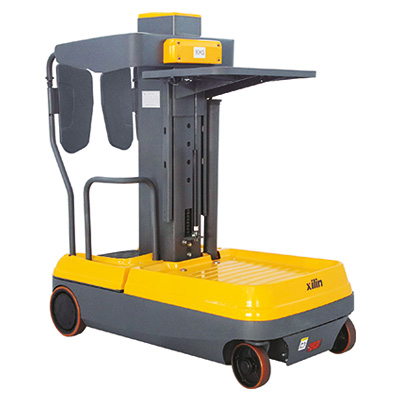 Order Picker
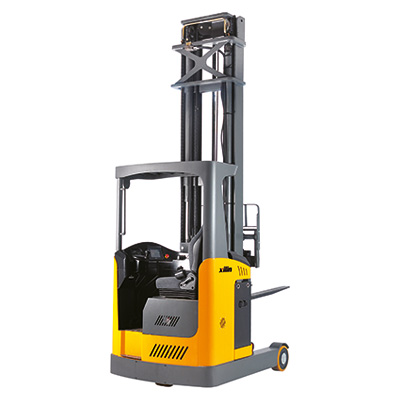 Narrow Aisle Truck
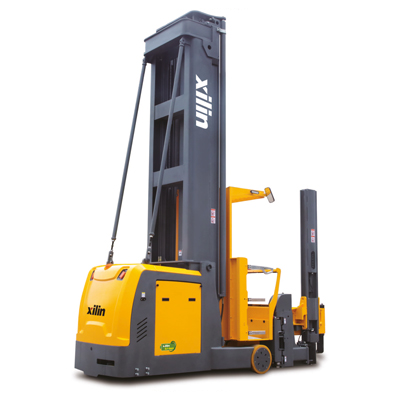 VNA Tri-Lateral Stacker
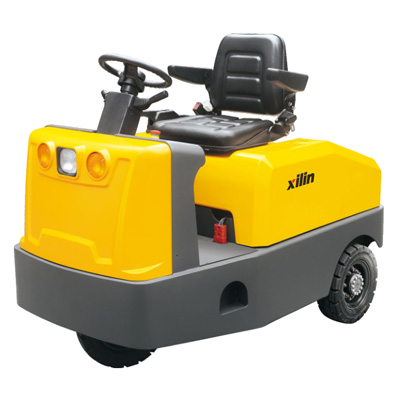 Tow Tractor
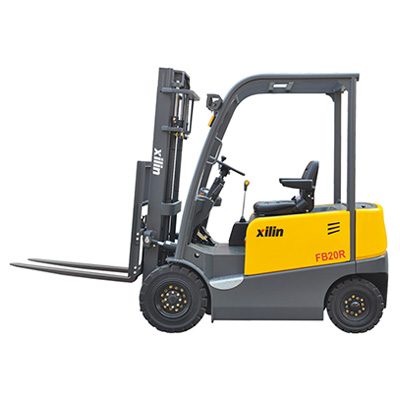 Electric Forklift
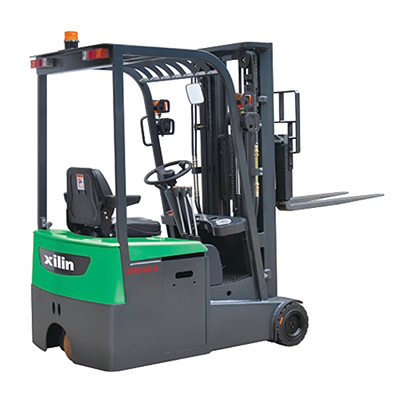 Lithium-ion Truck
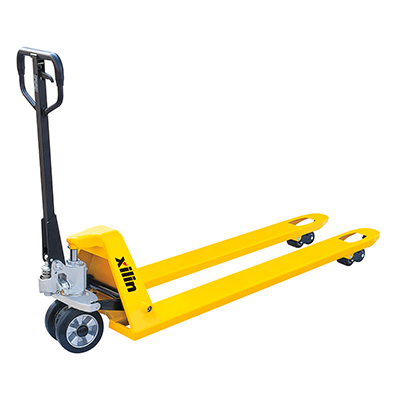 Hand Pallet Truck
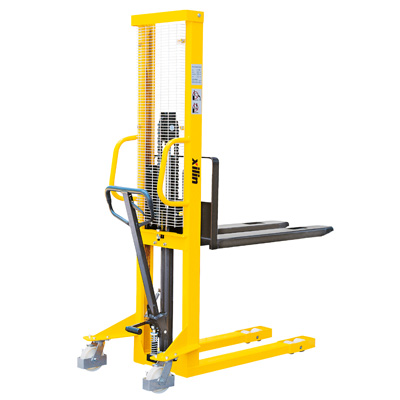 Manual Stacker
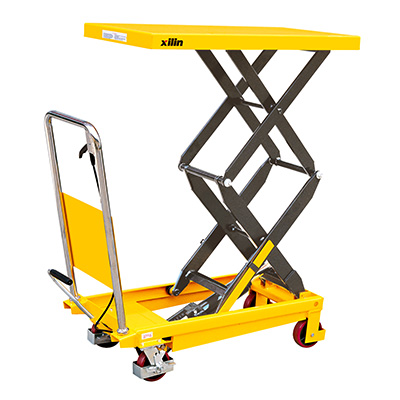 Lift Table
Content
- 1 Hydraulic Fluid Leaks
- 2 Uneven or Jerky Lifting Motion
- 3 Slow Descent or Lifting Speed
- 4 Worn Scissor Arm Bushings and Pins
- 5 Overloading and Its Long-Term Effects
- 6 Electrical and Control System Faults
- 7 Preventive Maintenance Practices That Reduce Common Issues
- 8 Who Should Prioritize Lift Table Maintenance
The most common issues with lift tables are hydraulic fluid leaks, uneven or jerky lifting motion, slow descent speed, and worn scissor arm bushings, all of which typically stem from routine wear, inadequate maintenance, or exceeding rated load capacity. Most of these problems develop gradually and give early warning signs before causing a full equipment failure, which means regular inspection can catch issues before they lead to costly downtime or safety incidents. Facilities that follow a consistent maintenance schedule generally report fewer unplanned repair events compared to those that only address lift table problems after a breakdown occurs, based on standard industrial equipment maintenance practices.
Hydraulic Fluid Leaks
Hydraulic leaks are among the most frequently reported lift table issues, since the hydraulic system is responsible for generating the lifting force that raises and lowers the platform. Leaks typically appear at seals, hose connections, or the cylinder itself.
Common Causes of Hydraulic Leaks
- Worn or cracked seals due to age or repeated pressure cycling
- Loose fittings that were not properly tightened during installation or servicing
- Contaminated hydraulic fluid causing internal component wear over time
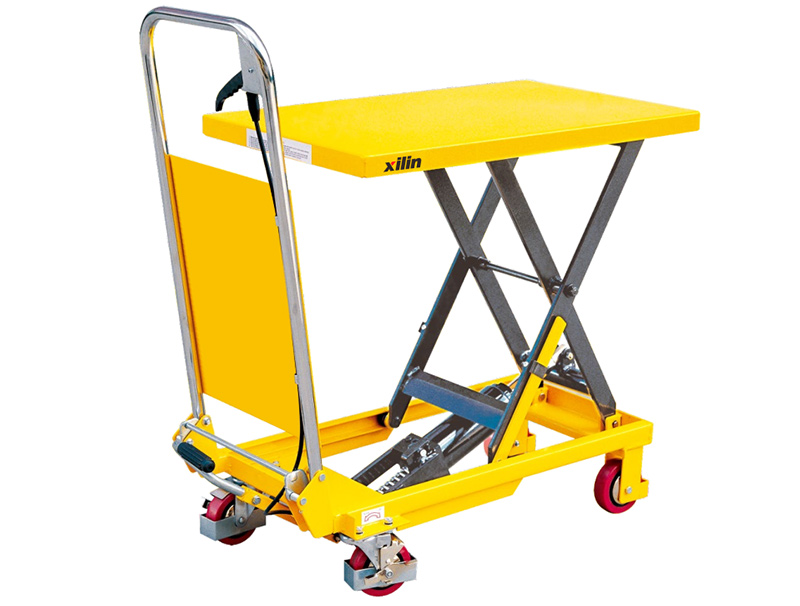
Facilities operating a Lift Table in dusty or high-particulate environments should inspect seals more frequently, since airborne debris can accelerate seal wear and increase the likelihood of small leaks developing into larger hydraulic failures.
Uneven or Jerky Lifting Motion
A lift table that rises unevenly or moves in a jerky, inconsistent motion often indicates a problem with the hydraulic cylinder synchronization or air trapped within the hydraulic lines.
Typical Causes and Fixes
| Symptom | Likely Cause | Recommended Action |
| Jerky rise on one side | Trapped air in hydraulic lines | Bleed the hydraulic system |
| Platform tilts under load | Uneven cylinder wear or synchronization issue | Inspect and service cylinder assembly |
Left unaddressed, uneven lifting can place unbalanced stress on the scissor arm structure, which may accelerate wear on components that would otherwise last significantly longer under normal, even operating conditions.
Slow Descent or Lifting Speed
A gradual slowdown in how quickly a lift table raises or lowers is often one of the earliest signs of an underlying hydraulic issue, and it tends to worsen progressively if the root cause is not identified.
Common Contributing Factors
Low hydraulic fluid levels reduce the system's ability to generate consistent pressure, directly slowing lift and descent speed. Similarly, a partially clogged filter can restrict fluid flow, creating a sluggish response even when fluid levels are otherwise adequate.
When Slow Movement Signals a Bigger Problem
If descent speed suddenly becomes unpredictable rather than gradually slower, this can indicate a failing control valve, which regulates the rate at which hydraulic fluid is released during lowering and should be inspected by a qualified technician promptly.
Worn Scissor Arm Bushings and Pins
The scissor arm mechanism relies on bushings and pins to allow smooth articulation as the table rises and lowers. Over time, repeated movement under load causes these components to wear, which can introduce play or looseness in the lifting mechanism.
Signs of Bushing Wear
- Noticeable wobble in the platform when the table is at full height
- Unusual clicking or grinding sounds during lift or lowering cycles
- Visible metal shavings or debris near the scissor arm pivot points
Routine lubrication of pivot points significantly slows bushing wear, and most manufacturers recommend greasing these points on a set schedule based on how frequently the lift table cycles through a full range of motion each day.
Overloading and Its Long-Term Effects
Exceeding the rated load capacity is one of the most preventable causes of lift table issues, yet it remains common in facilities where load weights are estimated rather than verified before placing material on the platform.
How Overloading Accelerates Wear
Consistently loading a lift table beyond its rated capacity places excess strain on the hydraulic cylinder, scissor arms, and structural frame, shortening the equipment's effective lifespan even if no immediate failure occurs.
Preventing Overload-Related Damage
Posting clear capacity limits near the equipment and training operators to weigh or estimate loads accurately before use helps prevent the gradual structural stress that overloading causes over repeated lifting cycles.
Electrical and Control System Faults
Powered lift tables that use electric-hydraulic pumps can also experience control system issues, ranging from unresponsive buttons to inconsistent motor start-up, particularly in units exposed to moisture or temperature extremes.
Common Electrical Issues
- Corroded wiring connections in humid or washdown environments
- Worn control switches after extended high-frequency use
- Motor overheating in units used for continuous, back-to-back lifting cycles without rest periods
Selecting a Lift Table with components rated for the specific environmental conditions of the facility, such as washdown-rated electrical enclosures in wet processing areas, significantly reduces the likelihood of these electrical faults over time.
Preventive Maintenance Practices That Reduce Common Issues
Most lift table problems can be significantly reduced through a consistent preventive maintenance routine rather than waiting for a visible fault to appear.
Recommended Maintenance Schedule
Facilities should inspect hydraulic fluid levels and seals monthly, lubricate scissor arm pivot points according to manufacturer guidelines, and conduct a full structural and electrical inspection at least annually or more frequently in high-cycle environments.
Documenting Inspection History
Keeping a maintenance log for each lift table helps identify recurring issues early, allowing facilities to address a developing pattern, such as repeated seal wear on one unit, before it results in unplanned downtime.
Who Should Prioritize Lift Table Maintenance
Facilities using lift tables in high-frequency material handling operations, such as manufacturing lines, loading docks, and assembly stations, should prioritize regular maintenance the most, since these environments place the greatest cumulative stress on hydraulic and mechanical components. Businesses operating lift tables less frequently still benefit from periodic inspection, since idle hydraulic systems can develop seal degradation over time even without heavy daily use.