 英语
英语 西班牙语
西班牙语 德语
德语 法语
法语 俄语
俄语
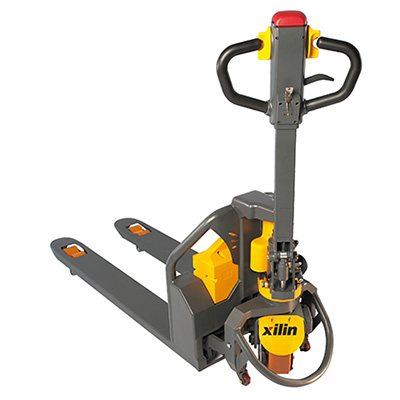 Electric Pallet Truck
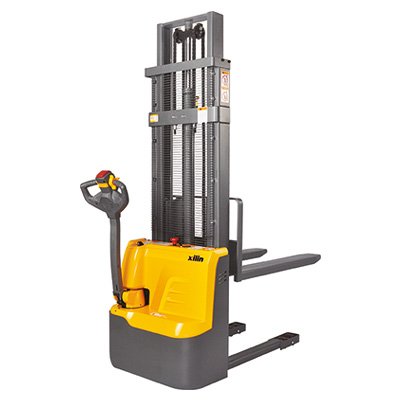 Electric Stacker
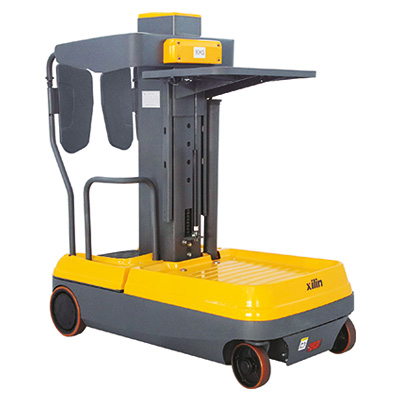 Order Picker
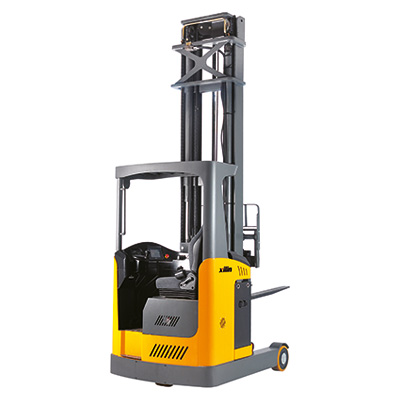 Narrow Aisle Truck
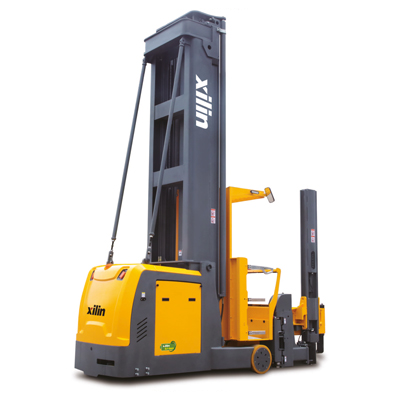 VNA Tri-Lateral Stacker
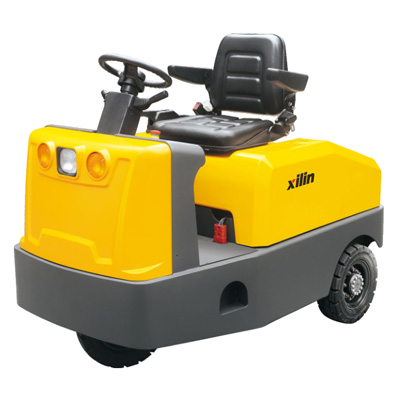 Tow Tractor
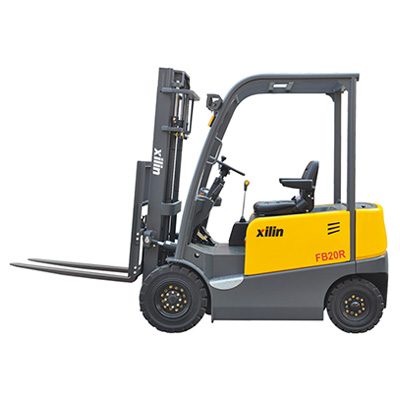 Electric Forklift
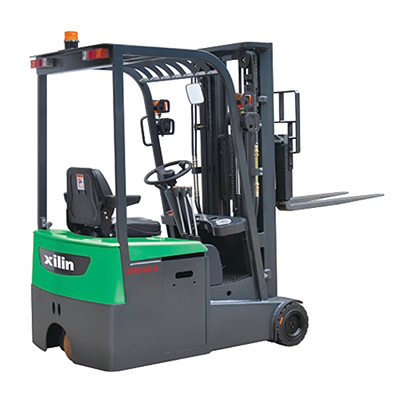 Lithium-ion Truck
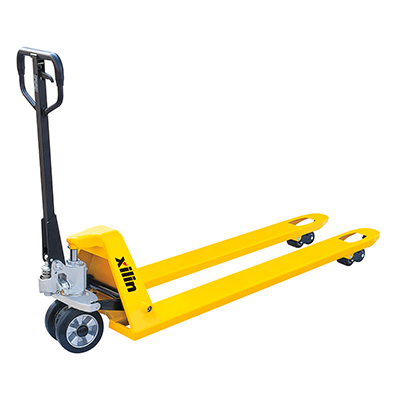 Hand Pallet Truck
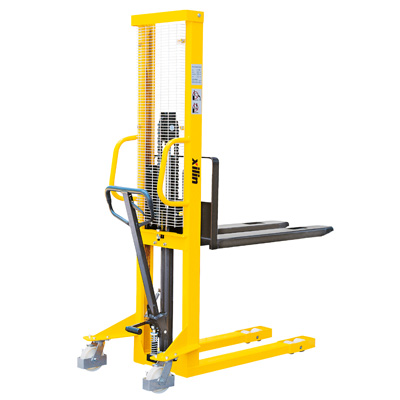 Manual Stacker
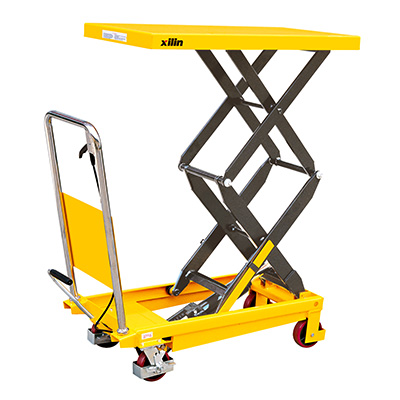 Lift Table
Content
- 1 Ergonomic Positioning for Manual Handling Tasks
- 2 Assembly Line and Production Support
- 3 Loading Dock and Shipping Operations
- 4 Machine Feeding and Production Line Integration
- 5 Positioning Heavy or Oversized Equipment
- 6 Order Picking and Warehouse Fulfillment
- 7 Specialized Applications Across Industries
- 8 Who Benefits Most From Using a Lift Table
A lift table is primarily used to raise, lower, and position heavy loads at an ergonomic working height, reducing manual lifting strain across tasks like assembly work, material transfer, loading dock operations, and machine feeding. By adjusting platform height to match the task rather than forcing workers to bend or reach, lift tables directly address one of the most common causes of workplace injury in material handling environments. According to workplace ergonomics data commonly cited by occupational safety organizations, improper lifting and awkward postures contribute to a significant share of musculoskeletal injuries in industrial settings, which is why height-adjustable equipment like lift tables has become standard in facilities focused on reducing manual handling risk.
Ergonomic Positioning for Manual Handling Tasks
One of the most widespread uses of a lift table is adjusting load height so workers can access materials without excessive bending, reaching, or twisting. This ergonomic benefit applies across a wide range of industries where repetitive manual handling is part of daily operations.
Common Ergonomic Applications
- Positioning pallets at a comfortable picking height during order fulfillment
- Raising work materials to reduce repetitive bending during packing tasks
- Adjusting height to match different worker heights across shifts
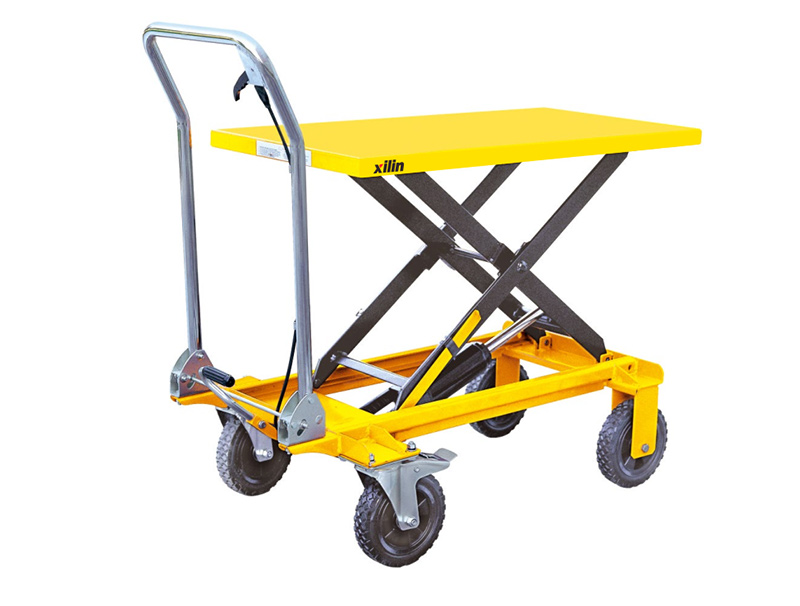
A Lift Table used at a packing station allows the platform to rise as a pallet empties, keeping the working surface at a consistent, comfortable height throughout the entire task rather than forcing workers to bend further as the load decreases.
Assembly Line and Production Support
In manufacturing environments, lift tables are frequently used to position components and workpieces at the ideal height for assembly, reducing fatigue during repetitive production tasks performed over long shifts.
Common Assembly Applications
| Application | Primary Benefit |
| Component positioning at assembly stations | Reduces reaching and bending during repetitive tasks |
| Feeding materials into production machinery | Maintains consistent feed height as material levels change |
| Positioning heavy parts for installation | Reduces manual lifting of oversized or awkward components |
These applications are common across automotive, electronics, and general manufacturing lines, where consistent component positioning directly affects both production speed and worker safety over a full shift.
Loading Dock and Shipping Operations
Loading docks present a unique height-matching challenge, since trailer floor heights can vary between vehicles. Lift tables are commonly used at docks to bridge this height difference and streamline the loading and unloading process.
Matching Dock and Trailer Heights
By adjusting platform height to align with a specific trailer's floor level, workers can move pallets directly between the dock and the vehicle without navigating uneven transitions that slow down loading speed and increase trip hazards.
Reducing Turnaround Time
Facilities using height-adjustable dock equipment often report faster loading and unloading cycles, since workers spend less time maneuvering equipment over height mismatches between the dock surface and varying trailer floor levels.
Machine Feeding and Production Line Integration
Many production lines rely on lift tables to feed raw materials or components into machinery at a consistent height, which is essential for maintaining smooth automated or semi-automated workflows.
Why Consistent Feed Height Matters
As material stacks on a lift table platform are consumed, the table automatically or manually adjusts upward to maintain the same feed height at the point where a machine or worker accesses the next item, preventing production slowdowns caused by manual repositioning.
Integration With Automated Systems
In more advanced setups, lift tables can be integrated with sensors that automatically adjust height based on load level, supporting continuous material flow without requiring an operator to manually raise or lower the platform throughout a shift.
Positioning Heavy or Oversized Equipment
Beyond standard material handling, lift tables are also used to position heavy machinery, equipment, or vehicle components during maintenance and repair work, where precise height control is essential for safety and accuracy.
- Raising equipment to a comfortable working height for maintenance technicians
- Positioning heavy components during installation to align with mounting points
- Supporting stable, controlled lowering of sensitive equipment during teardown
This application is common in vehicle maintenance facilities and industrial repair shops, where precise, stable height adjustment reduces the risk of dropped or misaligned components during service work.
Order Picking and Warehouse Fulfillment
Warehouses handling high order volumes frequently use lift tables to support faster, more ergonomic picking processes, particularly in operations where workers pick items from pallets throughout an entire shift.
Improving Pick Efficiency
By keeping the pallet surface at a consistent, accessible height as items are removed, workers avoid the repeated bending that slows down picking speed and increases fatigue during long fulfillment shifts.
Reducing Product Damage
Proper height positioning also reduces the risk of dropped items during picking, since workers are less likely to lose grip on products when reaching from an awkward or overly low position.
Specialized Applications Across Industries
Beyond general material handling, lift tables serve specialized functions in several industry-specific contexts where standard equipment may not meet unique height or load requirements.
Food and Beverage Processing
Washdown-rated lift tables support hygienic material positioning in food processing environments, where equipment must withstand frequent cleaning cycles without corrosion or contamination risk.
Printing and Paper Handling
Lift tables help position heavy rolls of paper or printed material at a stable, accessible height, reducing manual strain during loading and unloading of production equipment.
Across each of these applications, a properly rated Lift Table improves both efficiency and worker safety by matching load height to the specific task rather than forcing workers to adapt to a fixed, often inconvenient surface level.
Who Benefits Most From Using a Lift Table
Manufacturing facilities, warehouses, loading docks, and maintenance operations that involve frequent manual lifting or repetitive height-related tasks benefit the most from incorporating lift tables into their workflow. Businesses focused on reducing workplace injury rates and improving handling efficiency often find that the ergonomic and productivity gains from proper height positioning justify the equipment investment across multiple areas of their operation.