 英语
英语 西班牙语
西班牙语 德语
德语 法语
法语 俄语
俄语
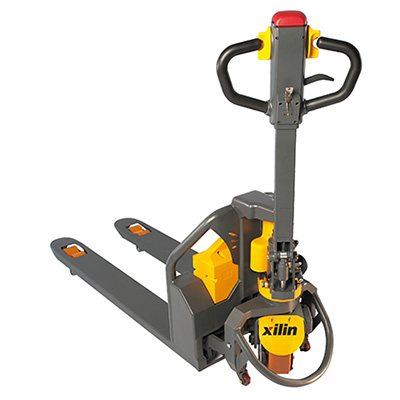 Electric Pallet Truck
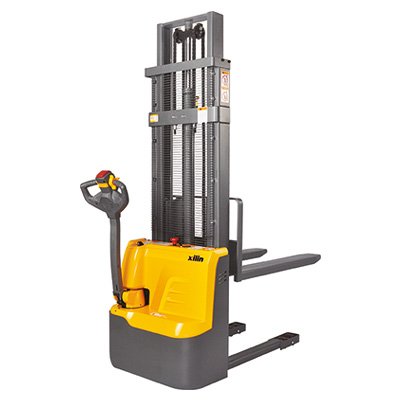 Electric Stacker
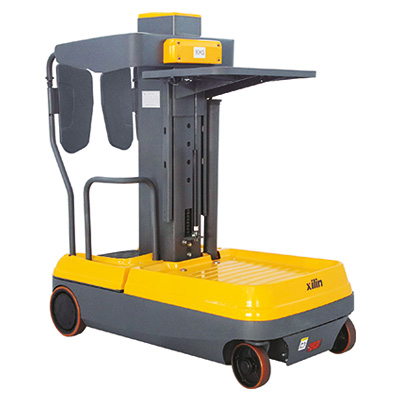 Order Picker
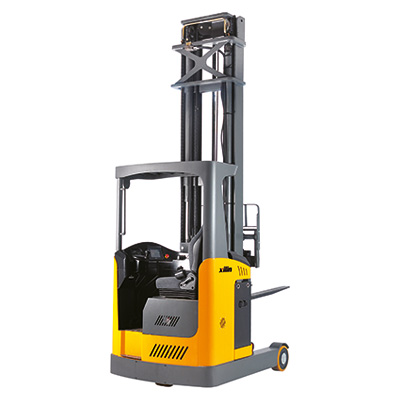 Narrow Aisle Truck
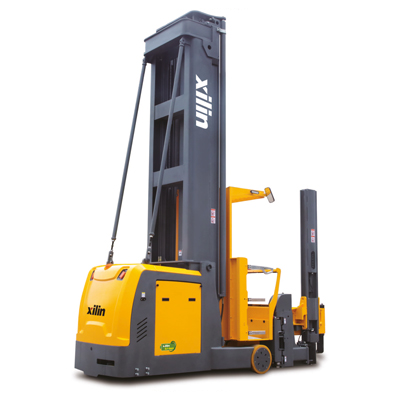 VNA Tri-Lateral Stacker
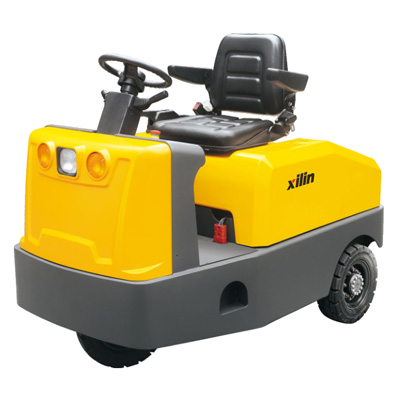 Tow Tractor
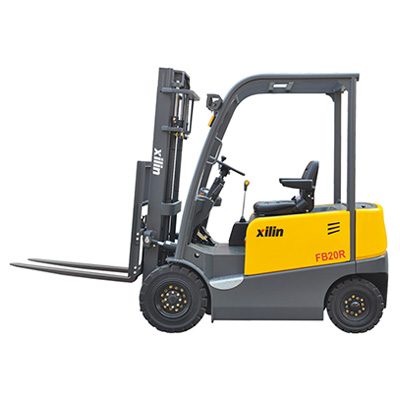 Electric Forklift
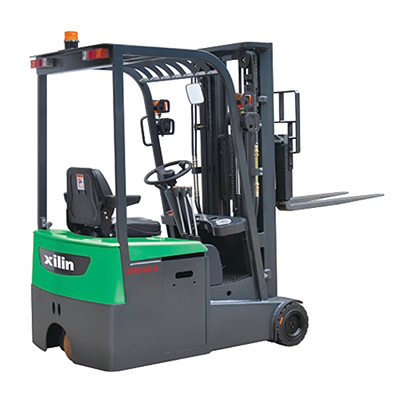 Lithium-ion Truck
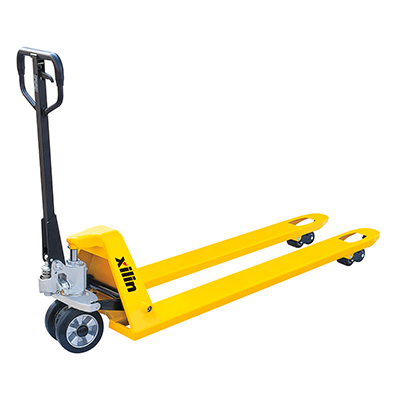 Hand Pallet Truck
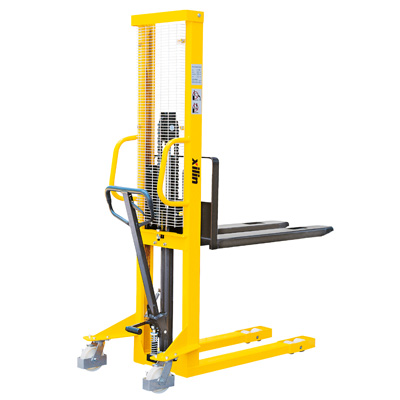 Manual Stacker
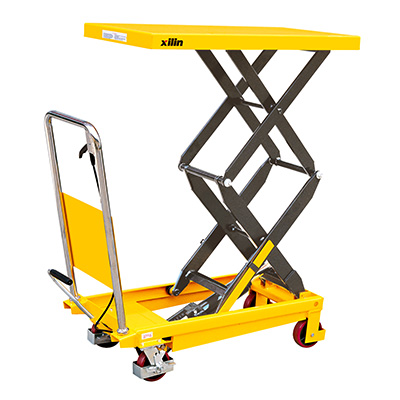 Lift Table
Content
- 1 The Primary Functions a Forklift Is Built to Perform
- 2 How Forklift Design Supports These Functions
- 3 Types of Forklifts and What Each Is Designed For
- 4 Industries That Depend on Forklifts
- 5 Power Sources and What They Affect
- 6 Attachments That Extend What a Forklift Can Do
- 7 Safety by Design: What Keeps Forklifts Controllable
- 8 How to Match a Forklift to a Task
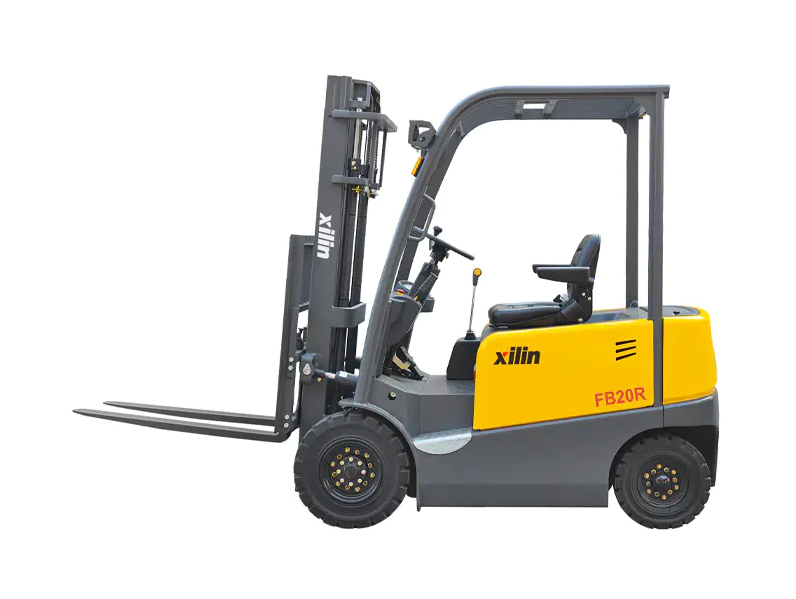
A forklift is designed to lift, carry, stack, and transport heavy loads across short distances — primarily in warehouses, construction sites, manufacturing facilities, and freight terminals. At its core, a forklift uses a pair of front-mounted, horizontal forks that slide beneath a load (typically on a pallet), raise it hydraulically, and move it to a new location. Most standard forklifts can handle loads ranging from 3,000 to 35,000 pounds, depending on the model and configuration.
Unlike cranes or conveyors, forklifts offer mobile, operator-controlled handling, making them the go-to equipment for dynamic, floor-level logistics. They are indispensable in operations where speed, precision, and load capacity all matter simultaneously.
The Primary Functions a Forklift Is Built to Perform
Forklifts are engineered around several distinct operational tasks, each requiring specific mechanical capabilities:
1. Lifting and Lowering Loads
The hydraulic mast system allows a forklift to raise loads to significant heights. Standard warehouse forklifts lift to 10–20 feet, while high-reach models can extend beyond 30 feet. This makes vertical storage in racking systems practical and efficient.
2. Horizontal Transportation
Forklifts move goods across warehouse floors, loading docks, and yards. A typical electric counterbalance forklift travels at speeds of 8–12 mph when unloaded, enabling quick turnaround between picking and placement cycles.
3. Stacking and Unstacking Pallets
Warehouses rely on forklifts to stack palletized goods in multi-level racking. This enables facilities to maximize vertical storage space rather than consuming more floor area, directly improving storage density and operational throughput.
4. Loading and Unloading Vehicles
At loading docks, forklifts transfer goods to and from trucks, containers, and railcars. A skilled operator can unload a fully stacked 53-foot trailer in under 30 minutes, dramatically cutting turnaround time compared to manual handling.
5. Positioning Loads with Precision
Beyond raw lifting, forklifts are designed for accurate placement. Features like side-shifters, fork positioners, and rotating attachments allow operators to fine-tune load placement without repositioning the entire truck — reducing cycle times and minimizing product damage.
How Forklift Design Supports These Functions
Every component of a forklift is purposefully engineered to support its core tasks. Understanding the design logic helps operators select the right machine for the right application.
- Counterbalance weight: Located at the rear, it offsets the weight of the load on the forks, preventing tipping. This is why most forklifts have a heavy, compact rear end.
- Hydraulic mast: A multi-stage telescoping structure that lifts the carriage and forks vertically using fluid pressure — providing smooth, controlled elevation.
- Three-point suspension: The chassis connects to the ground via three pivot points, keeping all wheels in contact on uneven surfaces and improving stability.
- Mast tilt: The mast can tilt forward (to pick up a load) and backward (to secure the load during travel), reducing the risk of sliding or tipping en route.
- Rear-wheel steering: Unlike cars, forklifts steer from the rear, allowing tight turning radii essential in narrow warehouse aisles — some reach trucks operate in aisles as narrow as 8 feet.
Types of Forklifts and What Each Is Designed For
Different environments demand different forklift designs. The table below outlines the most common types and their intended applications:
| Forklift Type | Designed For | Typical Capacity | Common Environment |
|---|---|---|---|
| Counterbalance Forklift | General lifting and transport | 3,000–15,000 lbs | Warehouses, docks |
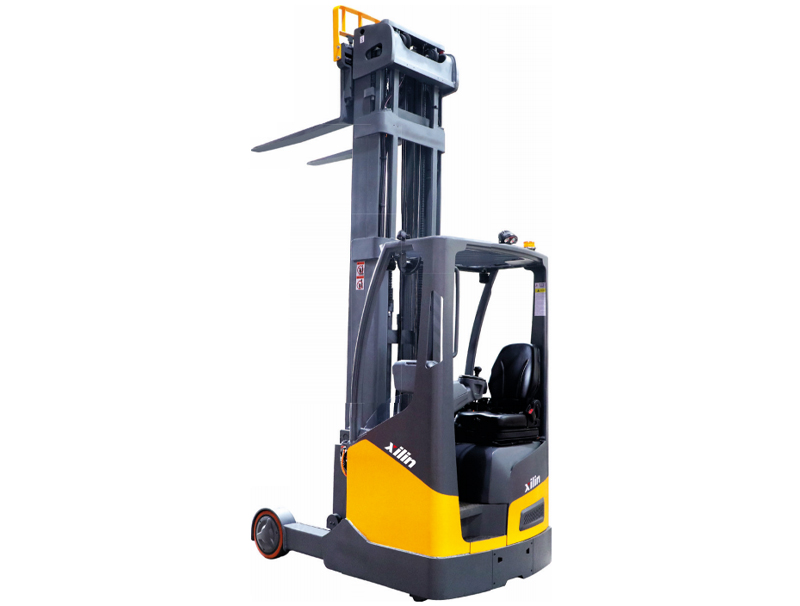
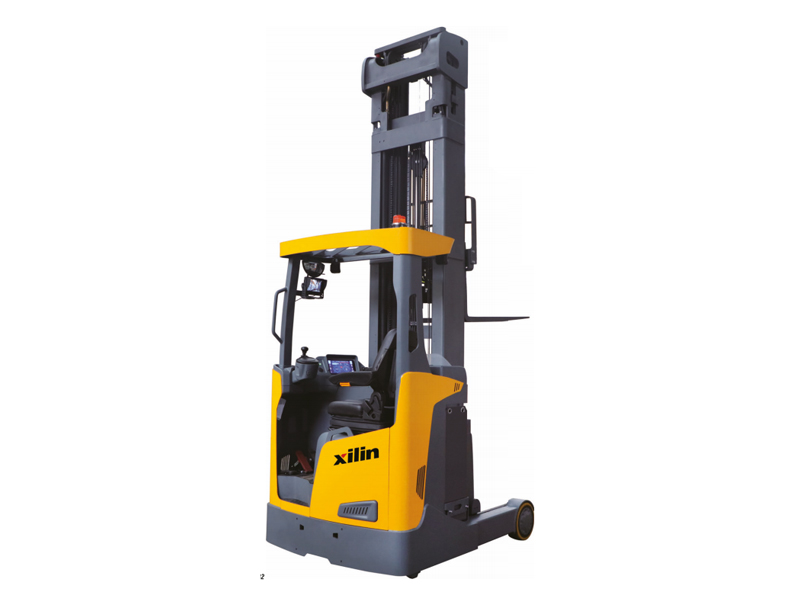
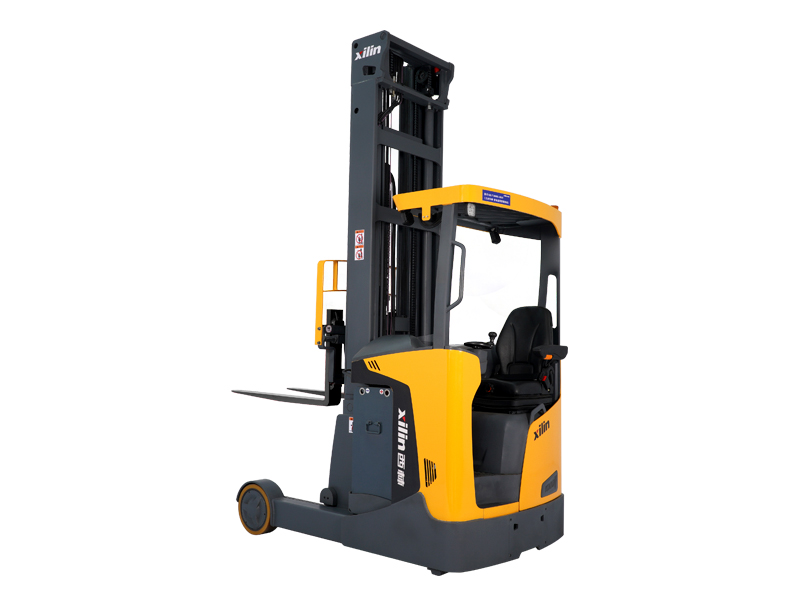
| Reach Truck | High stacking in narrow aisles | 2,500–5,500 lbs | Indoor storage facilities |
| Rough Terrain Forklift | Outdoor and uneven ground operations | 5,000–20,000 lbs | Construction, lumber yards |
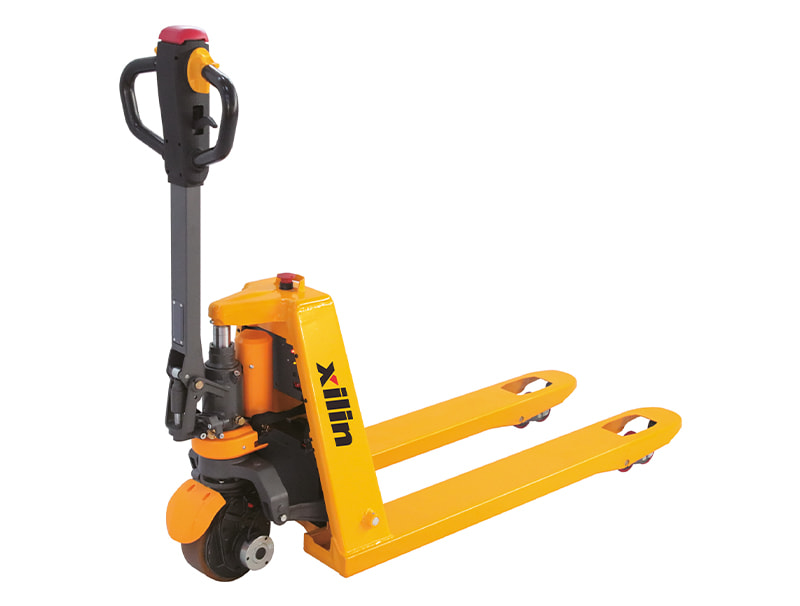
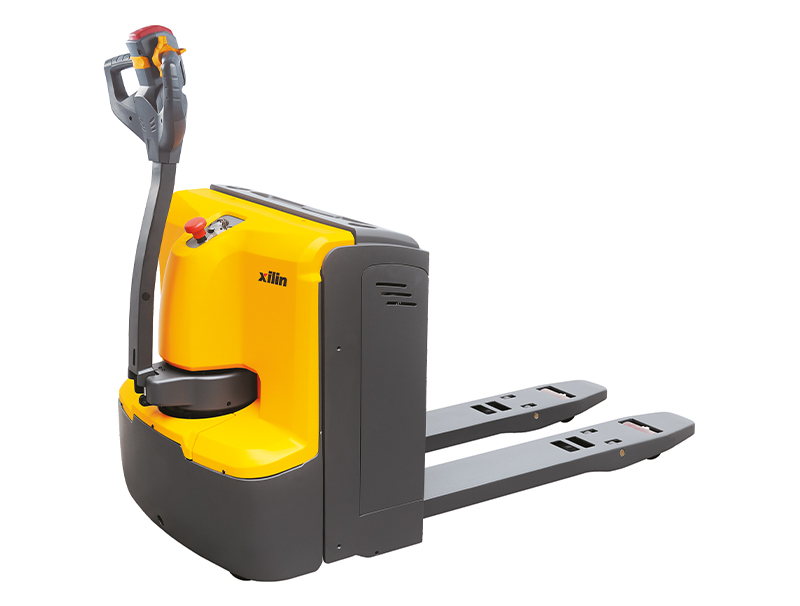
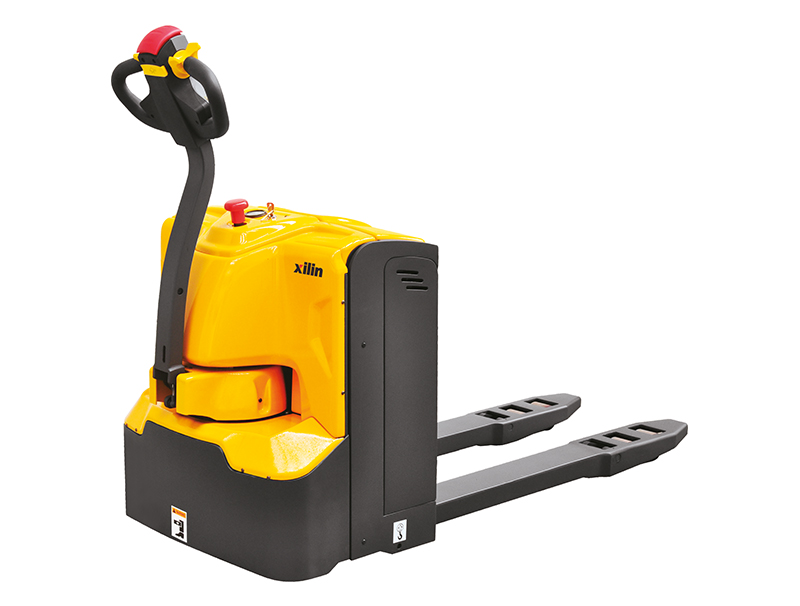
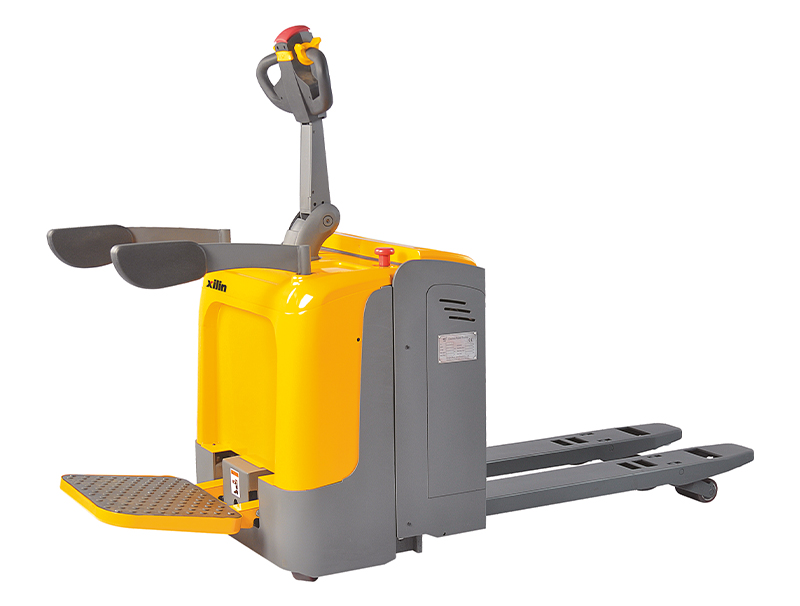
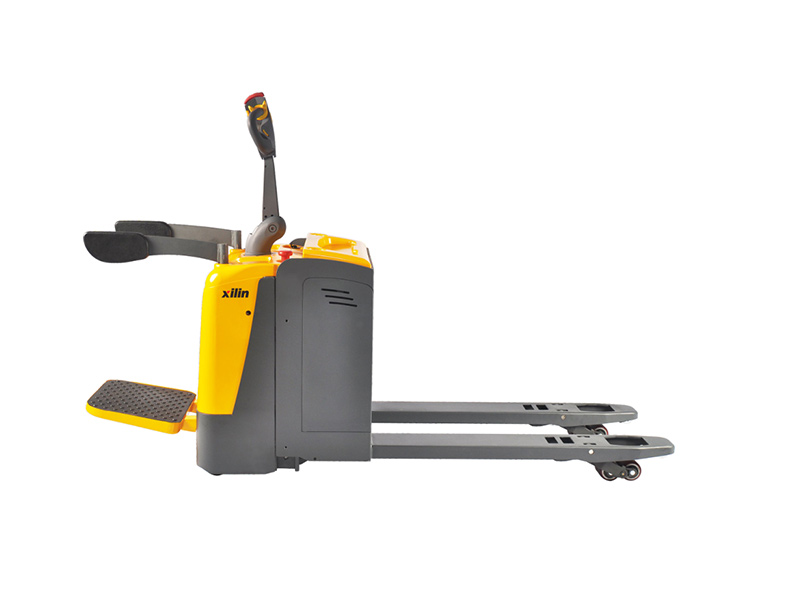
| Pallet Jack (Walkie) | Low-level pallet movement | 4,500–6,000 lbs | Retail, small warehouses |
| Order Picker | Elevating operator to pick individual items | Up to 3,000 lbs | E-commerce fulfillment centers |
| Heavy-Duty Forklift | Handling extremely heavy or oversized loads | 20,000–100,000+ lbs | Shipyards, steel mills |
Industries That Depend on Forklifts
Forklifts are not limited to warehouses. Their design makes them essential across a wide range of industries:
- Manufacturing: Moving raw materials to production lines and finished goods to dispatch areas.
- Retail and e-commerce: Replenishing shelves, staging outbound shipments, and managing returns in fulfillment centers.
- Construction: Delivering building materials such as steel beams, concrete blocks, and lumber to exact locations on job sites.
- Agriculture: Handling bales of hay, bulk bags of feed, and equipment components in farm or processing environments.
- Port and freight terminals: Positioning shipping containers and loading cargo in high-volume logistics hubs.
- Cold storage: Moving perishable goods in refrigerated warehouses, with electric forklifts preferred to avoid exhaust fumes.
According to industry estimates, over 1.4 million forklifts are in operation in the United States alone, reflecting just how deeply this equipment is woven into modern supply chains.
Power Sources and What They Affect
A forklift's power source is part of its design intent — it determines where and how effectively the machine can operate.
- Electric (battery-powered): Designed for indoor use. Produces zero emissions, lower noise, and reduced maintenance. Battery life typically supports one full 8-hour shift per charge. Ideal for food-grade and enclosed environments.
- LPG (liquid petroleum gas): Suited for both indoor and outdoor use with adequate ventilation. Refueling takes minutes, enabling near-continuous operation across multiple shifts.
- Diesel: Designed for heavy outdoor applications. Higher torque and fuel capacity support extended operation with large loads on rough terrain.
- Hydrogen fuel cell: An emerging option offering electric performance with fast refueling (under 3 minutes). Ruyi and other manufacturers are exploring this for next-generation logistics fleets.
Attachments That Extend What a Forklift Can Do
Standard forks are the baseline — but forklift design accommodates a broad ecosystem of attachments that expand functionality significantly:
- Side-shifter: Moves the fork carriage laterally without repositioning the truck — improving placement accuracy by up to 40% in tight rack environments.
- Clamp attachment: Replaces forks entirely to grip cylindrical or irregularly shaped loads like rolls of paper, barrels, or appliances.
- Rotating fork: Allows loads to be tilted or dumped — useful in recycling, food processing, or waste handling.
- Man-basket: A safety cage attachment enabling operators to work at height for maintenance or inspection tasks.
- Carpet poles and booms: Extend the forklift's reach horizontally, enabling handling of long, rolled, or suspended items.
With the right attachment, a single forklift can perform the work of several specialized machines — reducing capital expenditure and simplifying fleet management.
Safety by Design: What Keeps Forklifts Controllable
Because forklifts carry heavy loads at height, safety is embedded into their design from the ground up. Key safety features include:
- Overhead guard: A steel canopy that protects the operator from falling objects — mandatory on all standard forklifts.
- Load backrest: Prevents loads from sliding backward toward the operator when the mast is tilted.
- Stability triangle: The three-point chassis creates a triangular stability zone. Loads must remain within this zone to prevent tip-overs — the leading cause of forklift-related fatalities, accounting for roughly 25% of all forklift deaths annually.
- Automatic speed limiting: Many modern forklifts reduce travel speed automatically when turning or when a load is elevated above a set height.
- Operator presence system: Sensors detect whether an operator is seated — the machine will not operate if the seat is unoccupied.
How to Match a Forklift to a Task
Choosing the right forklift starts with aligning its design capabilities to specific operational requirements. Consider these key factors:
- Load weight and dimensions: Always select a forklift with a rated capacity that exceeds your maximum load — and account for load center distance, which affects effective capacity.
- Lift height required: Confirm the mast free lift and maximum lift height match the racking system in use.
- Aisle width: Narrow aisles require reach trucks or very narrow aisle (VNA) machines; standard counterbalance trucks need at least 11–12 feet to operate comfortably.
- Surface conditions: Smooth warehouse floors suit cushion-tire electric models; outdoor or rough terrain demands pneumatic tires and higher ground clearance.
- Shift duration and duty cycle: Electric forklifts suit single-shift operations; LPG or diesel models are better suited for multi-shift, high-utilization environments.