 英语
英语 西班牙语
西班牙语 德语
德语 法语
法语 俄语
俄语
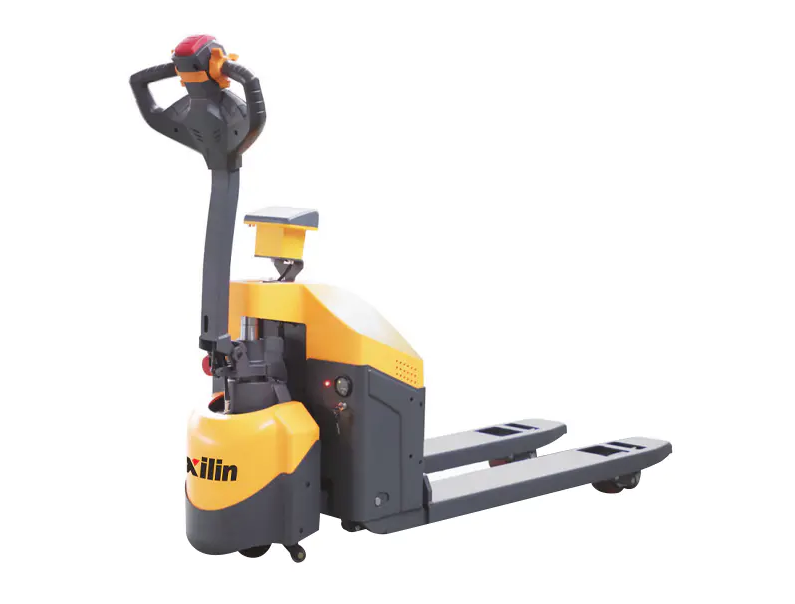
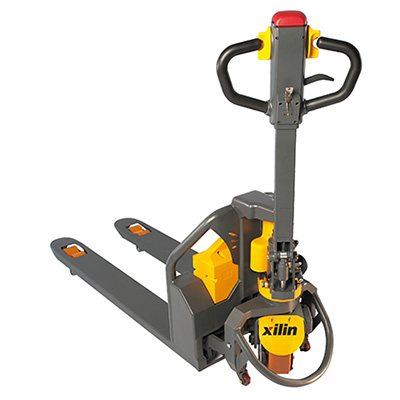 Electric Pallet Truck
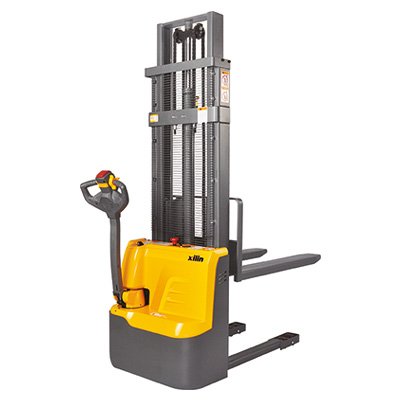 Electric Stacker
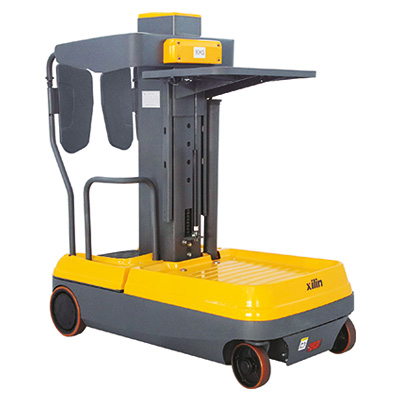 Order Picker
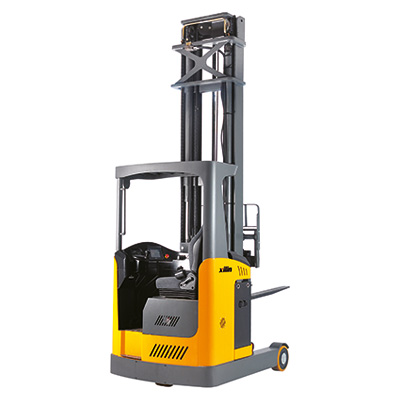 Narrow Aisle Truck
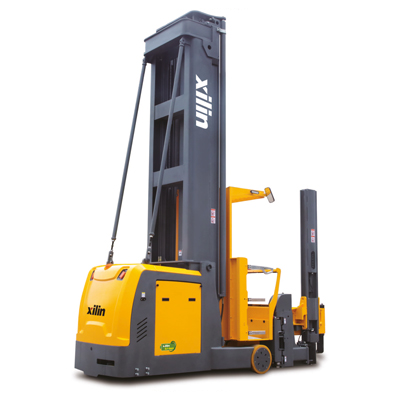 VNA Tri-Lateral Stacker
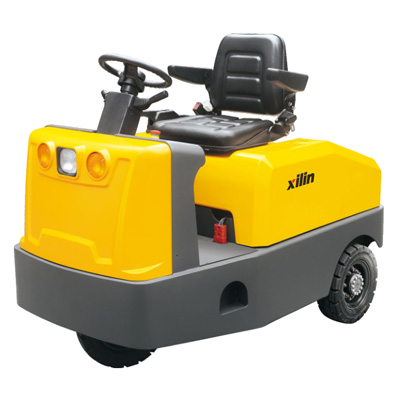 Tow Tractor
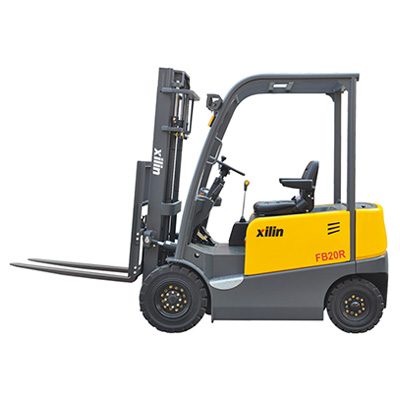 Electric Forklift
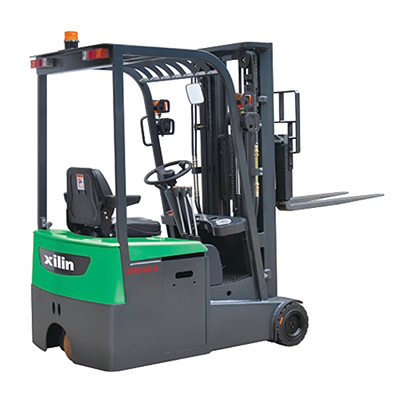 Lithium-ion Truck
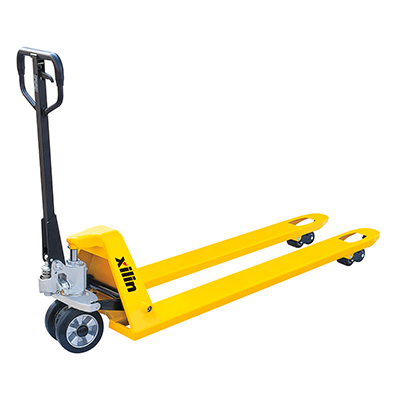 Hand Pallet Truck
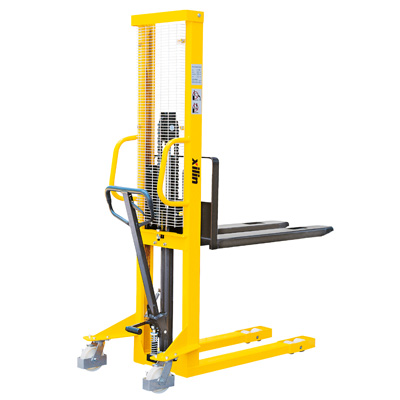 Manual Stacker
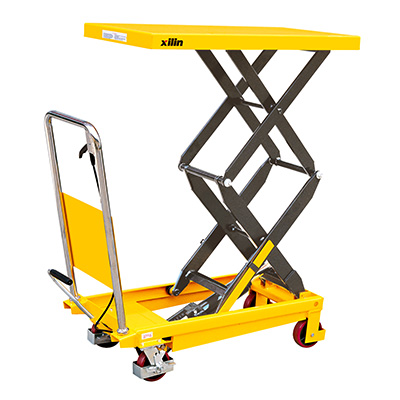 Lift Table
Content
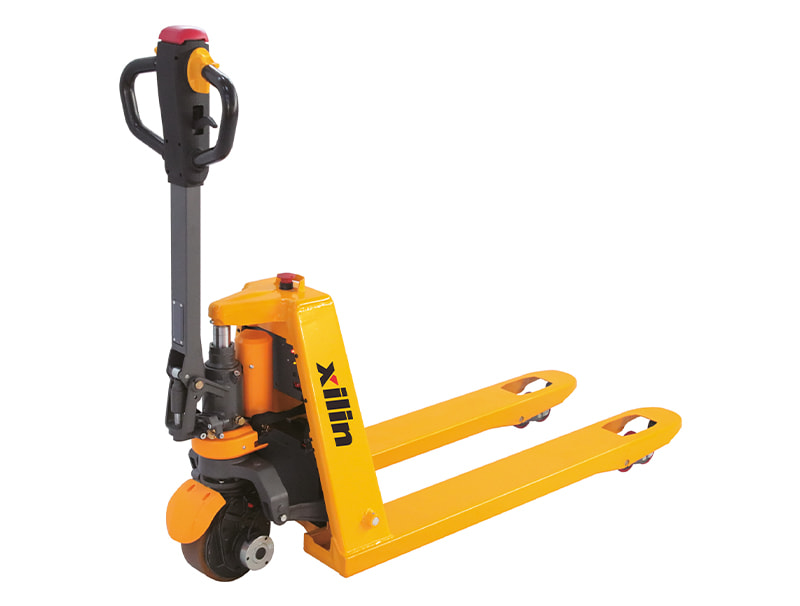
To safely operate an electric pallet truck, you must complete a pre-use inspection, wear proper PPE, follow correct loading and travel procedures, and power down the unit properly after use. Most warehouse accidents involving electric pallet trucks are preventable — the U.S. Occupational Safety and Health Administration (OSHA) reports that powered industrial truck incidents cause approximately 85 fatalities and 34,900 serious injuries in the U.S. each year. Following a structured, step-by-step approach dramatically reduces these risks.
Pre-Operation: Inspection and Setup
Before powering on the machine, a thorough walkaround inspection is essential. Skipping this step is one of the leading causes of on-site incidents.
Battery and Electrical Check
Verify that the battery is fully charged (ideally above 20% capacity) before beginning a shift. Inspect battery terminals for corrosion, loose connections, or acid leaks. Never operate a truck with a damaged battery pack, as this can lead to sudden power failure mid-load or, in severe cases, thermal runaway.
Mechanical Components Inspection
- Check the forks for visible cracks, bends, or uneven wear — discard forks with more than 10% reduction in heel thickness.
- Test the hydraulic lift system: raise and lower forks to confirm smooth, leak-free operation.
- Inspect all wheels and casters for flat spots, debris lodged in the tread, or excessive wear.
- Confirm the emergency stop button (e-stop) is functional and unobstructed.
- Test the horn and any active warning lights or pedestrian alerts.
Personal Protective Equipment (PPE)
Operators should always wear steel-toed safety boots, a high-visibility vest, and, where applicable, a hard hat. In cold-storage environments, thermal gloves are also required. Never operate in open-toed footwear — foot crush injuries are among the most reported forklift-related injuries globally.
Powering On and Initial Controls Check
Once the physical inspection is complete, follow these steps to safely start the truck:
- Insert the operator key or use the designated PIN/access card to power on the unit.
- Check the display panel for any error codes or fault warnings — do not operate the truck if any unresolved faults are shown.
- Test the thumb throttle (or tiller handle) in both forward and reverse at slow speed in a clear area.
- Apply and release the brake to confirm regenerative or mechanical braking response is immediate.
- Test the lift and lower functions with forks unloaded.
If anything feels abnormal — sluggish response, unusual sounds, or vibration — tag the machine out of service and report it to the maintenance team immediately.
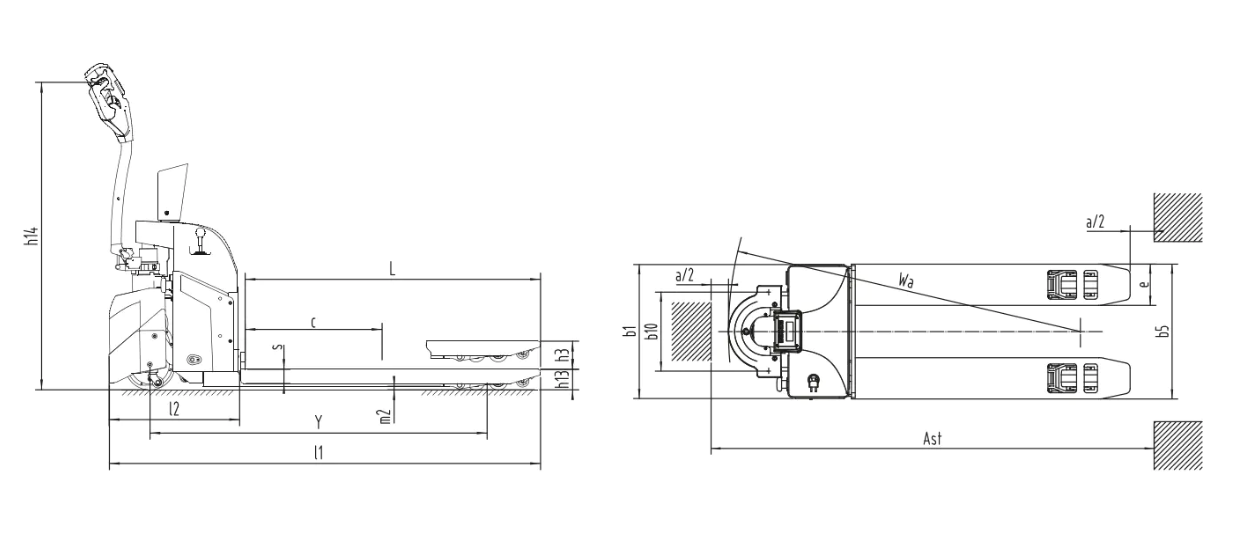
Loading the Pallet Correctly
Improper loading is a primary cause of tip-overs and dropped loads. Always verify the rated load capacity on the data plate — most standard electric pallet trucks have capacities between 1,500 kg and 3,000 kg. Exceeding this limit even briefly can permanently damage the hydraulic system.
Fork Insertion Technique
- Approach the pallet straight on — never at an angle, as this risks splitting or collapsing the pallet.
- Lower the forks to their lowest travel position (approximately 50–75 mm from the ground) before insertion.
- Slide forks fully into the pallet until the fork heels are flush against the pallet face — partial insertion causes load imbalance.
- Raise the load only enough to clear the floor (100–150 mm) for travel.
Load Stability Checklist
| Condition | Action Required | Risk if Ignored |
|---|---|---|
| Uneven or protruding items | Secure with stretch wrap or strapping | Load shift or collapse during travel |
| Weight exceeds capacity | Split load or use higher-rated equipment | Hydraulic failure, tip-over |
| Damaged pallet boards | Replace pallet before loading | Fork puncture, product loss |
| Tall, top-heavy stacks | Reduce height or add stabilizing wrap | Tip-over on corners or slopes |
Safe Travel Practices in the Warehouse
Travel phase accounts for the majority of near-miss incidents. The following rules apply at all times:
Speed and Clearance Rules
- Maximum travel speed with a load is typically 6 km/h on flat surfaces; reduce to walking pace in congested or pedestrian zones.
- Maintain at least 3 seconds of stopping distance from the vehicle or person ahead.
- Keep forks at travel height (100–150 mm above the ground) — never travel with raised forks.
- Sound the horn at every blind corner, intersection, and dock door before proceeding.
On inclines steeper than 5°, always travel with the load facing uphill to prevent forward tipping. When descending, keep the load on the uphill side and reduce speed significantly. Most electric pallet trucks are not designed for inclines exceeding 10–15% gradient — always check the manufacturer's specification for the Ruyi model in use.
In areas where pedestrians and trucks share the same space, the operator must give absolute right of way to pedestrians. Maintain a minimum lateral clearance of 500 mm from any person. In narrow aisles, use a spotter when visibility is limited.
Setting Down a Load Safely
Depositing a load incorrectly can damage product, obstruct emergency exits, or create trip hazards. Follow this sequence:
- Slow to a complete stop before the intended drop zone. Never lower a load while moving.
- Confirm the surface can bear the load weight and is free of debris or wet patches.
- Lower forks smoothly until the load rests fully on the ground — avoid sudden drops that can shock the hydraulic system.
- Tilt the tiller handle slightly to disengage and withdraw forks straight back, keeping the truck aligned with the pallet.
- Ensure the pallet is at least 500 mm away from rack uprights and does not block aisles or emergency routes.
End-of-Shift Shutdown Procedure
Proper shutdown is just as critical as the startup sequence. Abandoned or improperly parked electric pallet trucks are a significant warehouse safety hazard.
- Park the truck in a designated charging or storage area — never in an aisle, exit path, or near flammable materials.
- Lower forks completely to the ground to relieve hydraulic pressure.
- Engage the parking brake (if equipped) or place wheel chocks on sloped surfaces.
- Power off the unit using the key switch and remove the operator key.
- Connect the battery charger immediately if the charge level dropped below 30% during the shift. Avoid deep discharge cycles, which reduce lithium-ion battery lifespan by up to 40% over time.
- Log any damage, fault codes, or unusual behavior observed during the shift in the maintenance record.
Common Mistakes and How to Avoid Them
Even experienced operators make errors under time pressure. The following table summarizes the most frequently observed mistakes on warehouse floors and their practical solutions:
| Common Mistake | Why It Happens | Prevention Strategy |
|---|---|---|
| Skipping pre-shift inspection | Time pressure, overconfidence | Use a printed or digital checklist; make it mandatory before key release |
| Traveling with raised forks | Forgetting to lower after positioning | Build a habit: lower before every move; some Ruyi models include an auto-lower travel function |
| Overloading the truck | Unknown load weight, efficiency pressure | Post load capacity labels on both the truck and pallet staging areas |
| Operating in pedestrian zones at speed | Lack of marked zones, poor discipline | Install speed-limiting geofencing zones or use floor markings and signage |
| Leaving truck unattended without power-off | Short breaks, task interruption | Set auto-cutoff timers; enforce a strict "key out when stepping away" policy |
Training and Certification Requirements
No operator should use an electric pallet truck without formal training. OSHA 29 CFR 1910.178 requires operators to be evaluated and certified before independent operation, with refresher training required every three years or after any incident.
A comprehensive training program should include:
- Classroom component: load physics, hazard recognition, and company safety policies.
- Practical component: supervised operation on the specific model to be used, including the Ruyi model variant relevant to the facility.
- Evaluation: a written test plus an observed skills assessment with documented sign-off.
Studies show that facilities with structured operator training programs report up to 70% fewer powered industrial truck incidents compared to those without formal programs.