 英语
英语 西班牙语
西班牙语 德语
德语 法语
法语 俄语
俄语
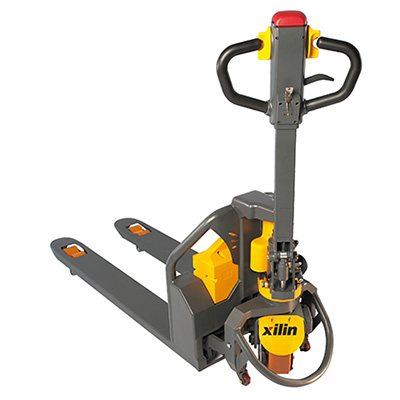 Electric Pallet Truck
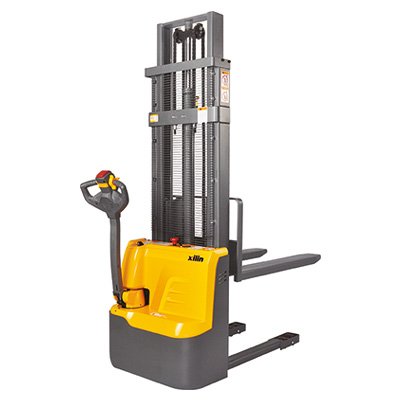 Electric Stacker
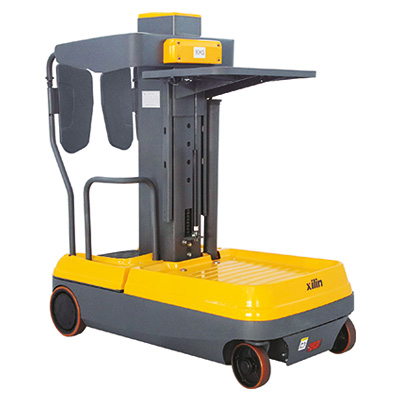 Order Picker
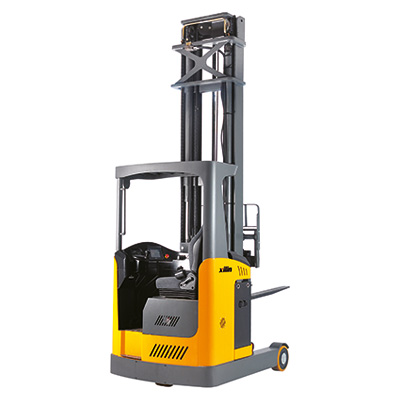 Narrow Aisle Truck
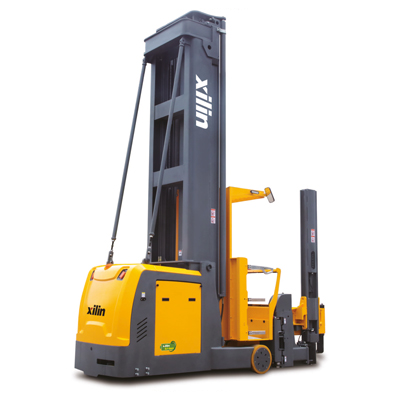 VNA Tri-Lateral Stacker
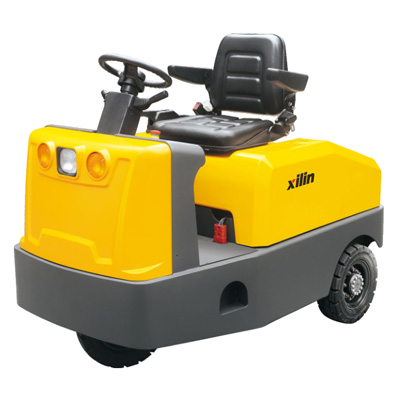 Tow Tractor
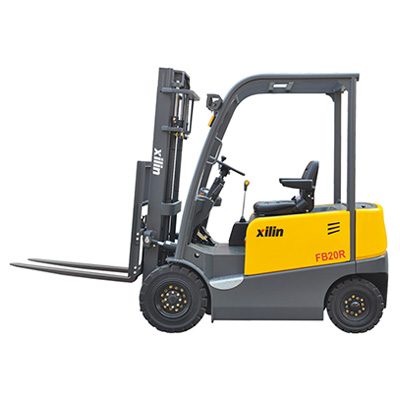 Electric Forklift
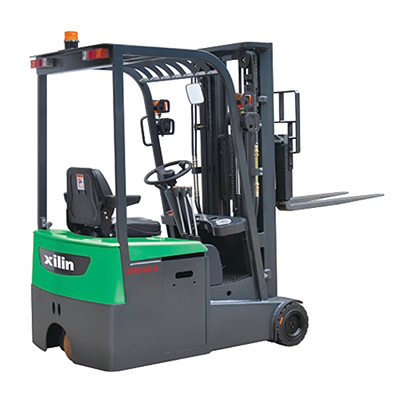 Lithium-ion Truck
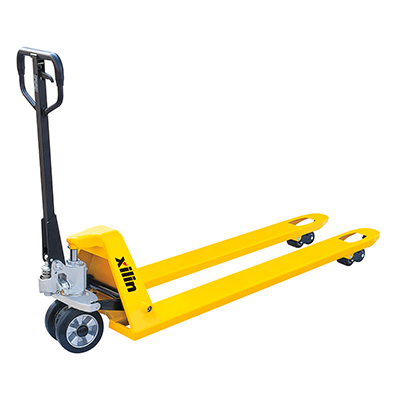 Hand Pallet Truck
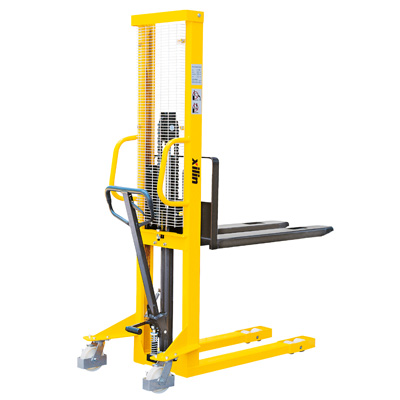 Manual Stacker
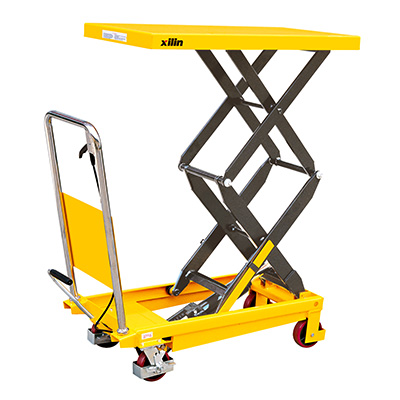 Lift Table
Content
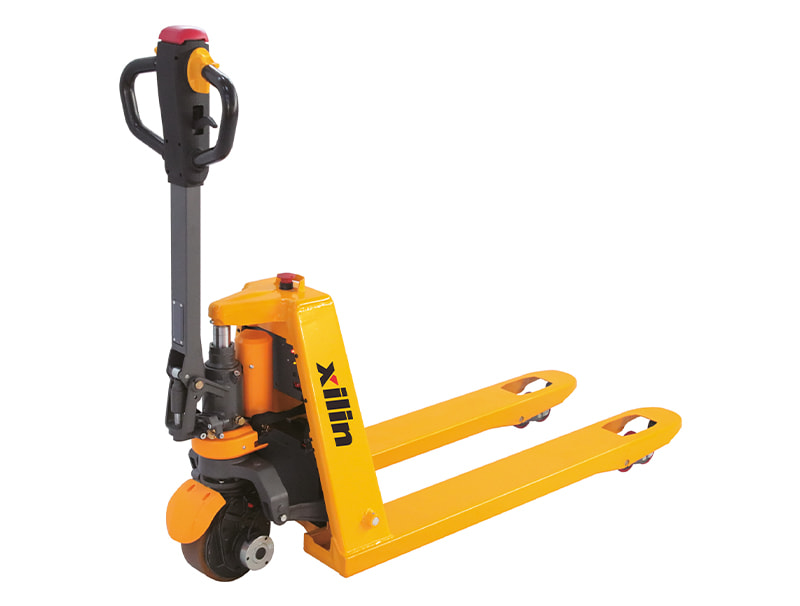
An electric pallet truck looks harmless next to a counterbalanced forklift: no mast, no overhead guard, a top speed close to walking pace. That impression is exactly why new operators get hurt. A walkie model carrying a full 2,000 kg pallet cannot stop instantly, cannot swerve out of a blind corner and will not forgive a foot set down beside the fork heel. The conclusion experienced warehouse managers reach is direct: electric pallet truck training is not a formality for people who already used a hand pallet jack. It is structured instruction, hands-on practice and a documented evaluation before anyone moves a live load alone. Manufacturers such as Ningbo Ruyi (XILIN), which has produced hand and powered pallet trucks since 1985, build walkie, stand-on, end-control and seated positions into the same product family, and training content has to follow each position.
Why Electric Pallet Truck Training Deserves Formal Attention
Regulators settled the core question long ago. In the United States, OSHA's powered industrial truck standard, 29 CFR 1910.178, classifies electric pallet jacks as powered industrial trucks, which means every operator needs formal instruction, practical training and an evaluation before working unsupervised, plus re-evaluation at least every three years. European workplace equipment rules impose the same duty in different words: only people trained on the specific equipment they use may operate it. That paperwork is not bureaucracy for its own sake. It exists because the causes behind pallet truck incidents repeat from site to site, and repeating causes respond to repeatable training.
An electric pallet truck concentrates several hazards into a small footprint: a heavy battery pack, a drive quiet enough to surprise pedestrians, an operator standing at ground level in shared aisles and braking distances that stretch quickly once the truck is laden. Those are precisely the elements a structured course rehearses, starting with the causes that show up most often.
Pedestrian contact leads this list because a walkie pallet truck shares the same aisle as order pickers and foot traffic, and its electric drive is quiet enough that people often do not hear it coming. Unstable or off-center loads rank second for a simple reason: one shifted pallet changes the center of gravity the moment the truck accelerates or turns. Excess speed and skipped pre-use checks are the two causes most directly tied to training gaps, because both are habits that form when operators teach themselves. Battery and charging incidents occur less often but carry a higher injury potential, given the mass of the battery pack and the gases a charging battery can release. Ramp and dock edge events close the list, and they almost always trace back to one missing lesson: keep the load side facing uphill. The percentages here are illustrative rather than a single published dataset, but the order of priority holds across most warehouses and should shape where your training hours go.
What the Formal Instruction Phase Should Cover
Formal instruction can be delivered in a classroom or online, but the content matters more than the format. A complete course covers the machine, the load and the workplace, and it should end with a test or verbal check to confirm understanding.
- Controls and functions: tiller arm positions, travel and brake settings, lift and lower levers, and the emergency reverse button
- Rated capacity and load center: reading the data plate and understanding why long or off-center loads reduce safe capacity
- Stability rules: keeping forks low while traveling, slowing before corners, keeping the load side uphill on ramps and never turning on a grade
- Workplace rules: site speed limits, sounding the horn at blind corners, yielding to pedestrians and never carrying passengers
- Battery and charging procedures: ventilation, connector checks and how to respond to a low battery warning
- Pre-use inspection: what to check every shift and when to tag a truck out of service
Two points deserve special emphasis with new warehouse staff. First, an electric pallet truck is not a hand pallet jack with a motor: the drive wheel pushes through the tiller arm, the truck behaves differently laden than empty and the throttle rewards a gentle hand. Second, the emergency reverse function is the control most likely to prevent a crushing injury, so trainees should practice reaching it until the motion is automatic rather than something they think through.
Practice, Pre-Use Checks and the Evaluation Ride
Skills settle in on the floor, not in a slide deck. Practical training should run on the exact model the operator will use, starting with the daily pre-use inspection and ending with loaded maneuvers in a live aisle.
A Pre-Use Inspection That Takes Five Minutes
- Check the battery indicator and confirm there is enough charge for the planned shift
- Inspect the forks, fork heels and any load backrest for cracks, bends or wrapped debris
- Test lift, lower, travel, brake and horn functions before leaving the charging area
- Press the emergency reverse button and confirm the truck responds immediately
- Look underneath for hydraulic leaks and check drive wheels and load rollers for wear or flat spots
- Confirm the data plate is legible and matches the loads on the day's schedule
A failed check means the truck gets tagged out and reported, not parked quietly for the next shift to discover. After the inspection, trainees should pick up a pallet, travel a marked route with corners, reverse through a doorway and set the load down square while a trainer watches. Pair the drills with a step-by-step reference such as this guide on how to safely operate a pallet jack so the technique stays consistent between sessions.
The evaluation ride is what turns practice into a record. A qualified person assesses each operator on the truck type they will actually use and documents the result, which most facilities renew every three years or sooner when conditions change. If you are building a schedule from scratch, the sample hour split below shows how the pieces fit together for a first-time operator.
The split above is a sample allocation rather than a legal formula, but it reflects how most facilities sequence a first-time operator. Formal instruction comes first because an operator who does not understand load center and stability will not grasp what the practical drills protect. Hands-on practice receives the largest block on purpose: lifting a laden pallet, traveling a route with corners, reversing through a doorway and triggering the emergency reverse all demand repetition before they become reflexes. The evaluation block is kept separate so the assessor watches skills instead of teaching them. The refresher block acknowledges that habits drift, procedures change and new truck types arrive during the year. Increase these hours for sites with heavy pedestrian traffic, dock work or mixed fleets, and log the actual time in each operator's file.
Match the Training to the Truck Type
One of the most common training mistakes is certifying everyone on a walkie and then handing them a rider model, or the reverse. Operator position changes what the body does, what the operator can see and how quickly the truck stops, so the course content has to shift with it. The table below sums up typical ranges and where each type needs extra emphasis.
| Truck type | Typical capacity | Operator position | Extra training emphasis |
|---|---|---|---|
| Walkie pallet truck | 1,500 to 3,000 kg | Walking behind or beside the truck | Tiller arm control, safe walking position, emergency reverse |
| Stand-on pallet truck | 2,000 to 3,000 kg | Standing on the rear platform | Platform body placement, cornering at speed, mounting and dismounting |
| End-control rider | 2,000 to 3,000 kg | Standing or seated at the end controls | Visibility around the load, stopping distance, pedestrian right of way |
| Seated pallet truck | 3,000 to 6,000 kg | Seated within the truck body | Longer wheelbase handling, dock and ramp work, load securement |
The three positions most facilities train on first are covered by models like these:
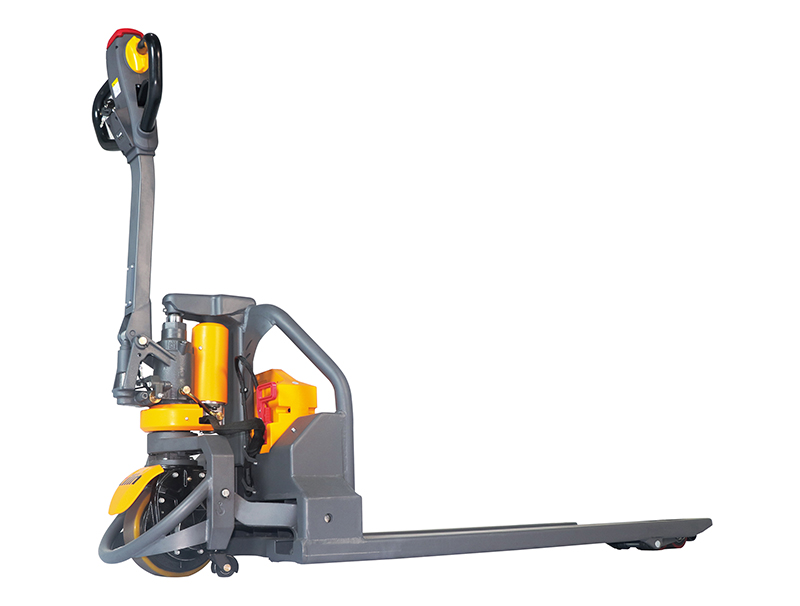
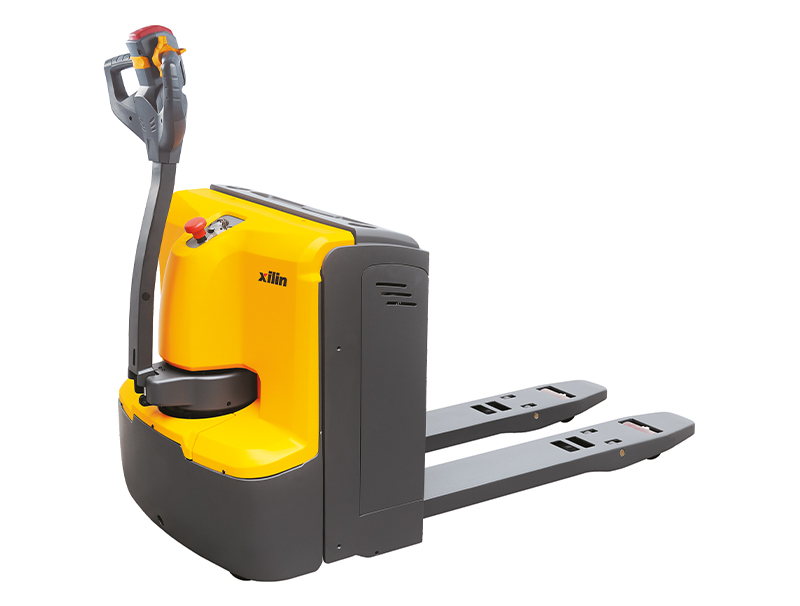
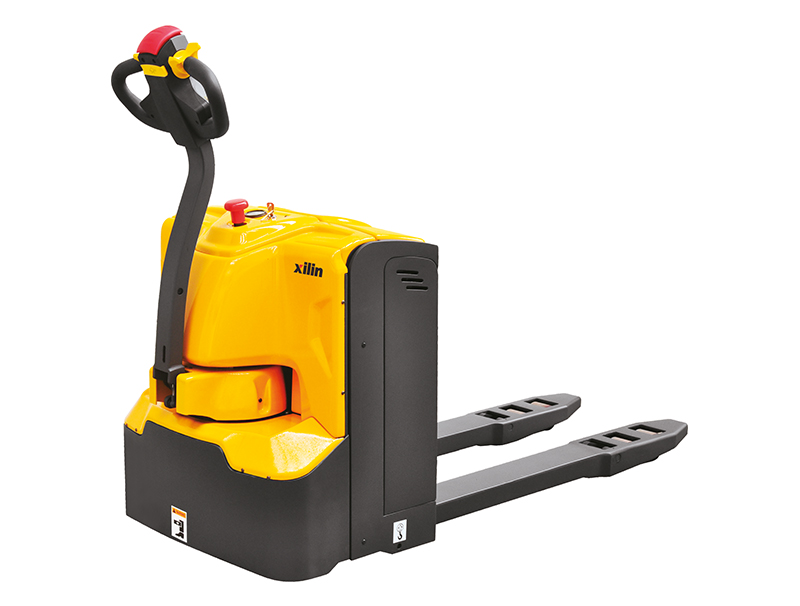
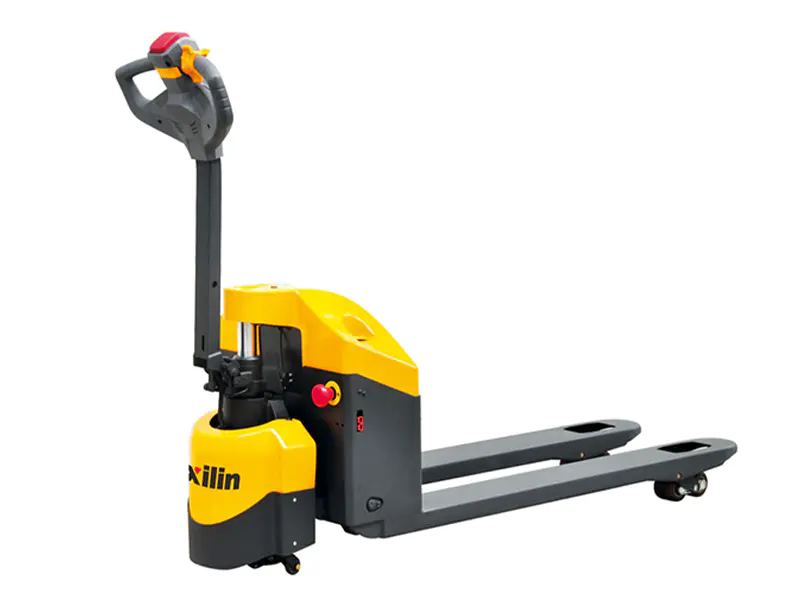 Electric Walkie Pallet TruckDrive: electric (battery type, mains, ...), diesel, petrol, fuel gasView Product →
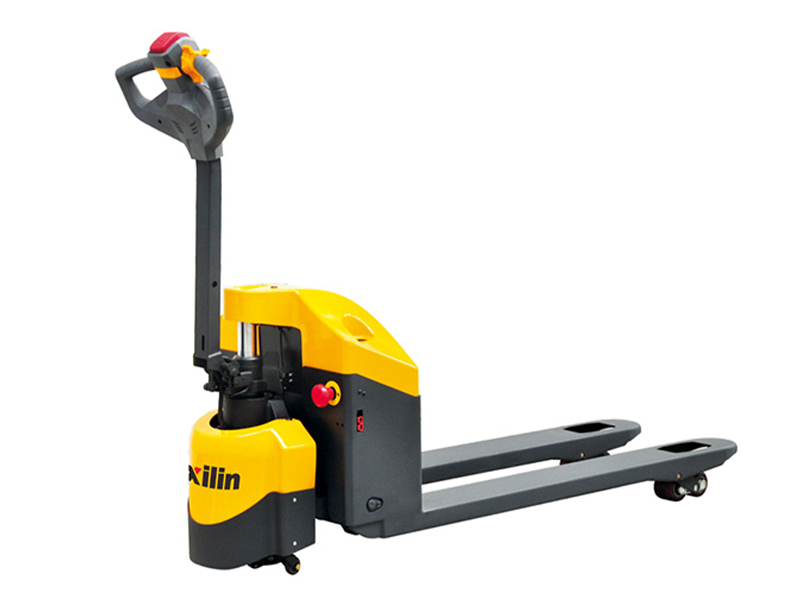
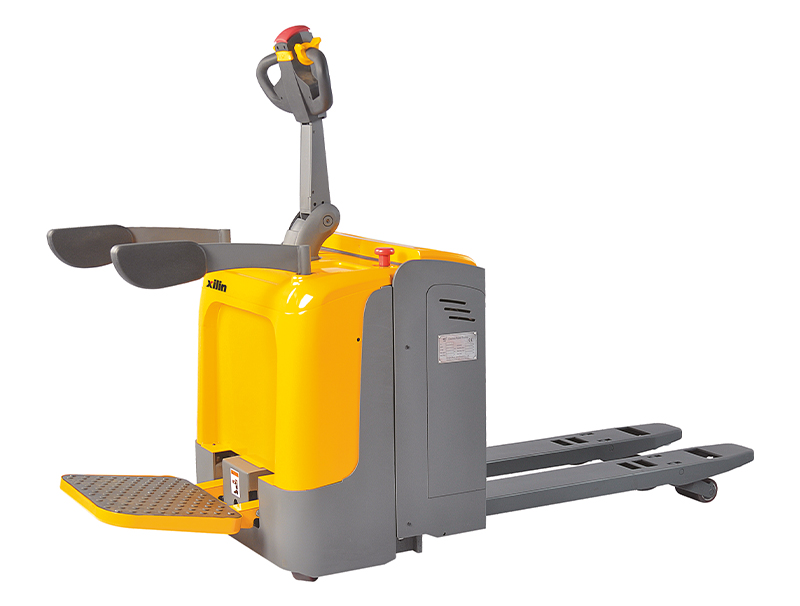
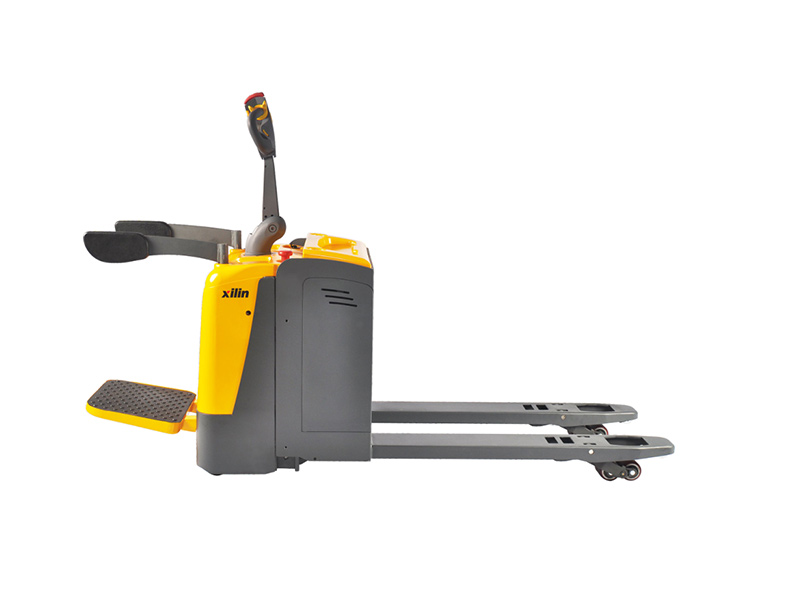
 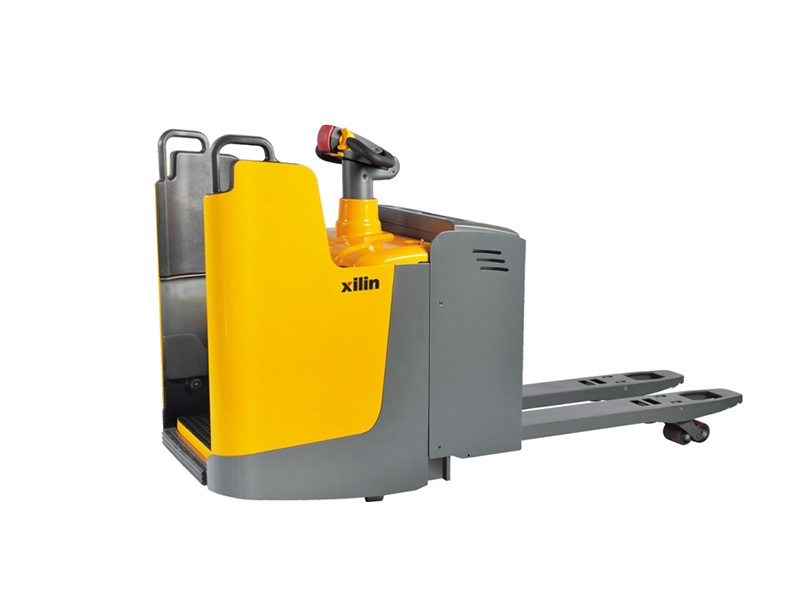 Electric Stand-on Pallet TruckCBD20L Electric Pallet Trucks are equipped with fixed platform and closed protection arm, with heavy duty design for the space constraints, with middle or high driving...View Product →
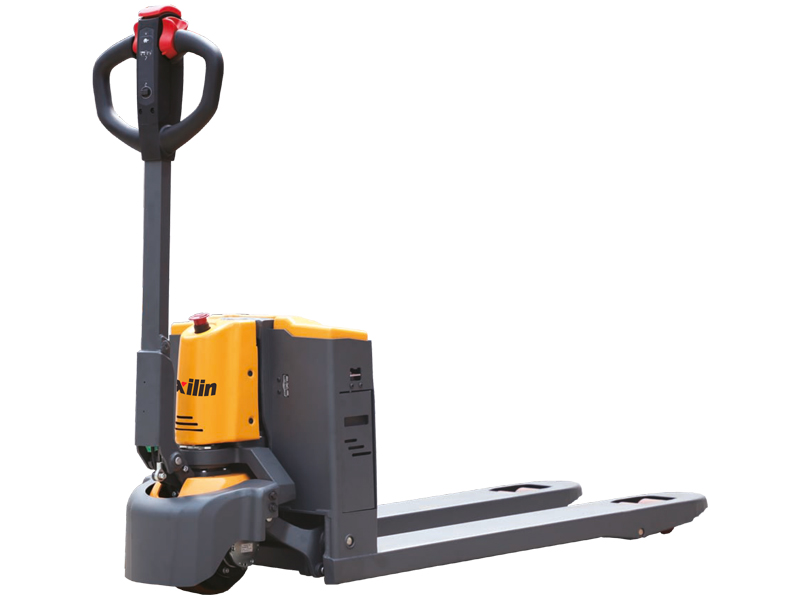
 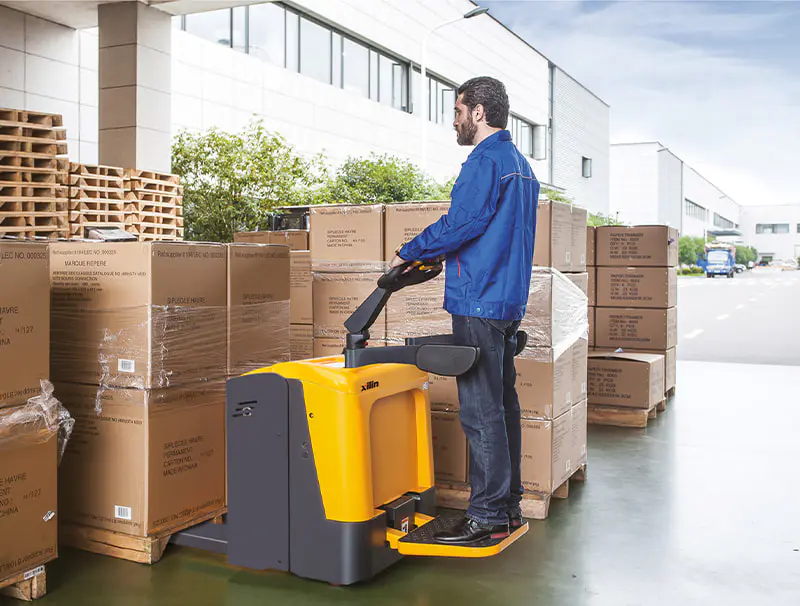 Electric Rider Pallet TruckCBD20R/25R is the stand-on type platform Pallet Truck, with small turning radius and super light steering system. widely used in large warehouses and big supermarkets ...View Product →
The comparison below shows why the same certificate should not quietly cover every machine in the building.
The radar profile above shows why a single generic induction session cannot cover a mixed fleet. The manual pallet jack scores highest on learning ease because its failure modes are slow and physical, which is exactly why habits carried over from it become dangerous on powered models. The electric walkie trades some of that simplicity for higher capacity, faster travel and far less operator fatigue, while keeping the agility that makes it the default choice in narrow picking aisles. The rider pallet truck extends the envelope further on speed and load capacity and adds comfort over long shifts, but it demands more training because stopping distances grow and blind spots widen. Notice that agility falls as speed rises, which is why rider training focuses on forward planning rather than reaction. Match the depth of each course to the axes where the machine stretches the operator, and confirm exact capacities on the data plate before setting practice loads.
Keeping Skills Sharp After Certification
Certification is a starting line. Observation collected on real warehouse floors points to the same conclusion again and again: safe habits decay without reinforcement, and the decay is fastest in the months right after initial training.
The two curves above illustrate a pattern safety managers see repeatedly: without reinforcement, observed safe behavior decays fastest in the first six months as urgency fades and shortcuts creep in. The lower curve is not a prediction for every operator, but it explains why a certificate issued on day one does not guarantee safe operation a year later. The upper curve represents operators who receive short quarterly refreshers, toolbox talks or ride-along observations, and the flatter profile shows why small, regular contact outperforms one long session. Formal triggers matter as much as the calendar: re-evaluate after any incident or observed unsafe act, when a new truck type enters the fleet and whenever workplace conditions change. Keep each record current with the training date, the evaluator and the truck types covered, because that file is the first thing an inspector or insurance investigator will request.
Beyond the formal triggers, a durable program is built from small habits: ten-minute toolbox talks before peak seasons, a ride-along observation once a quarter and an immediate refresher after any near miss, however minor. Keep maintenance and training connected as well, because a truck with worn load rollers or a dragging brake behaves differently from the machine the operator was evaluated on, and the pre-use check is the only reliable early warning. Documentation closes the loop: keep a signed record for each operator showing the training date, the evaluator, the truck types covered and the result, and review the file whenever a new model joins the fleet.
Across all of this, the pattern holds: structured electric pallet truck training pays for itself in fewer damaged pallets, less racking repair and fewer near misses long before it prevents the first serious injury. Start from the regulatory baseline, adapt the hours to your layout and traffic, train on the exact truck types in your fleet and reinforce in small, regular doses. Operators who understand why a rule exists tend to follow it when nobody is watching, and that habit is the real product of a good program.