 英语
英语 西班牙语
西班牙语 德语
德语 法语
法语 俄语
俄语
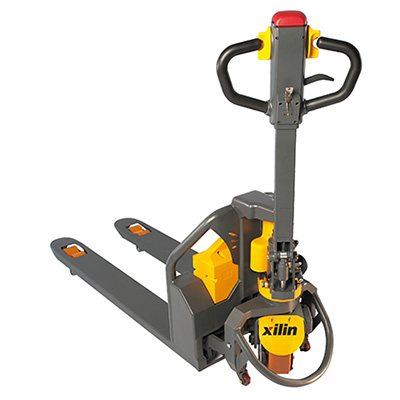 Electric Pallet Truck
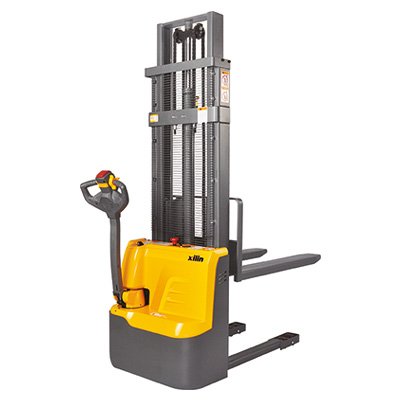 Electric Stacker
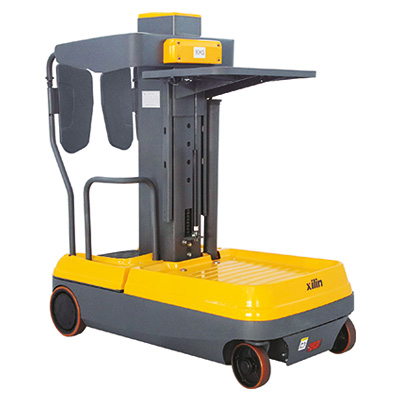 Order Picker
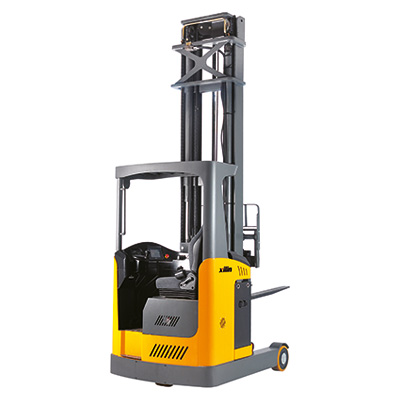 Narrow Aisle Truck
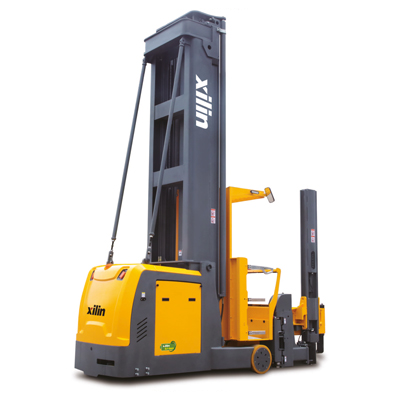 VNA Tri-Lateral Stacker
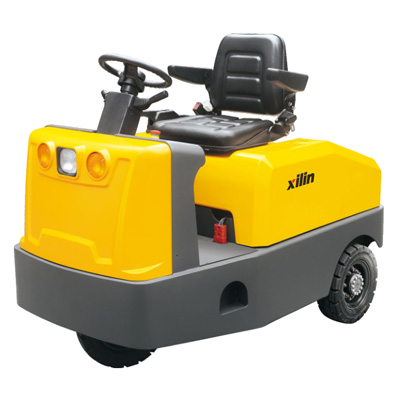 Tow Tractor
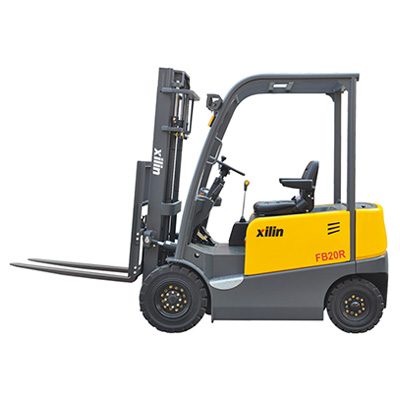 Electric Forklift
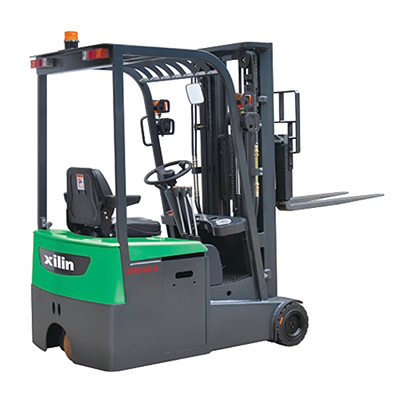 Lithium-ion Truck
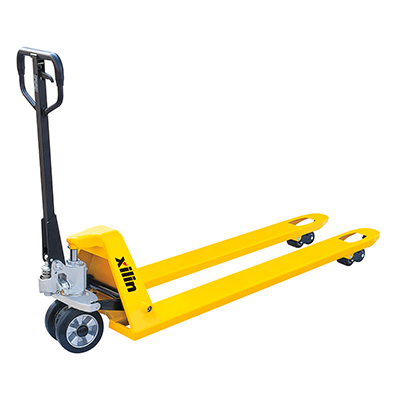 Hand Pallet Truck
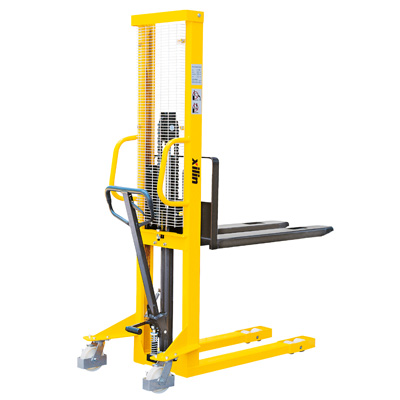 Manual Stacker
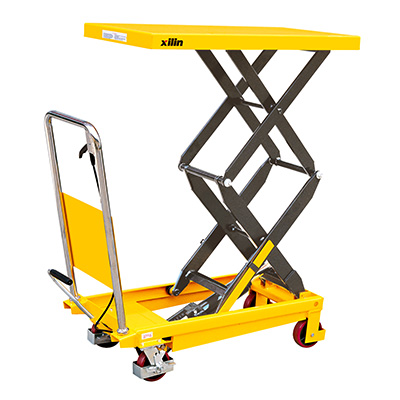 Lift Table
Content
A warehouse operator starts his Monday the same way he starts every shift: he walks around his truck, checks the mast chains, glances underneath for leaks, and presses the horn. Six minutes in, he finds a thin film of hydraulic fluid on the carriage and a drive wheel wrapped in torn stretch film. The truck goes straight to the workshop, and a two-ton pallet never leaves the floor on failing hydraulics. That, in plain terms, is how a pre-operational checklist improves forklift safety. It turns a quick walkaround into a documented, repeatable routine that catches defects before they reach the operator, the load, or the people walking past. One habit protects people, goods, and equipment availability at the same time.
What a Pre-Operational Checklist Actually Covers
A pre-operational checklist is a fixed list of points an operator verifies before the first task of a shift, usually in two passes. OSHA guidance on powered industrial trucks describes exactly this split: a visual inspection with the power off, then a functional check with power on. Done properly, the routine takes five to ten minutes and ends with a signature, a date, and a rule that any failed truck stays out of service.
The visual walkaround
With the truck off, the operator looks for what eyes and hands can catch. Tires are checked for cuts, chunking, and even wear. Forks are inspected for cracks, bent heels, and blade wear, while mast chains are checked for tension and lubrication. The walkaround also covers hydraulic leaks, the load backrest, the overhead guard, and whether the data plate still matches the attachments fitted.
Functional checks with power on
With power on, the operator tests what only works under power: service brake and parking brake, steering response, horn and travel alarm, lights, lift and tilt through a full cycle, and the deadman or seat switch. On electric trucks, battery connectors, charge level, and cable condition join the list. Every item earns its place because its failure has hurt someone somewhere, which is why the list is a floor rather than a ceiling.
| Checkpoint | What the operator verifies | Risk if missed |
|---|---|---|
| Tires and wheels | Cuts, wear, pressure, debris buildup | Instability and longer stopping distances |
| Forks and mast chains | Cracks, heel wear, chain tension, lubrication | Load slippage or dropped pallets |
| Hydraulic system | Leaks, hose condition, smooth lift and tilt | Sudden loss of load height or control |
| Brakes and parking brake | Pedal feel, stopping power, hold on a ramp | Collision with racks or pedestrians |
| Steering | Free movement, no play, no abnormal noise | Cornering errors in tight aisles |
| Horn, lights, alarms | Audible and visible warning function | Struck-by incidents in shared walkways |
| Battery and connectors | Charge level, cable condition, secure seating | Dead truck mid-aisle or electrical faults |
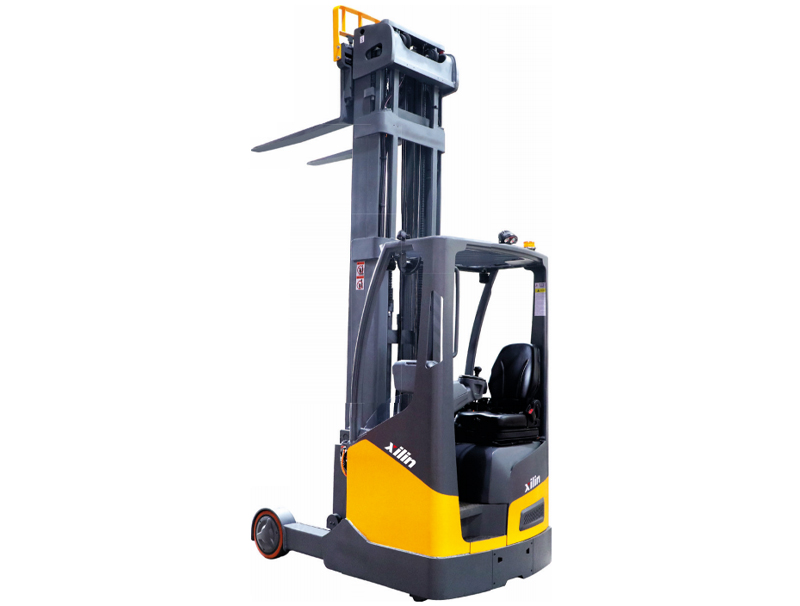
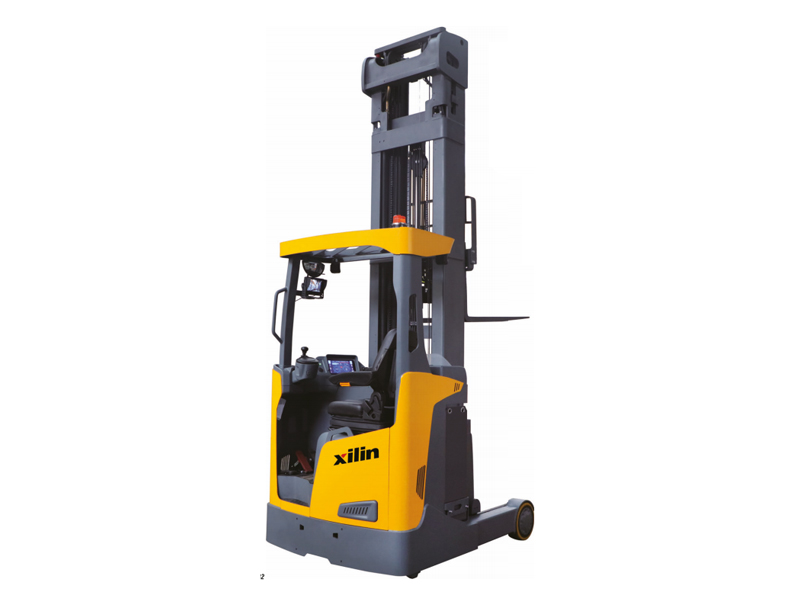
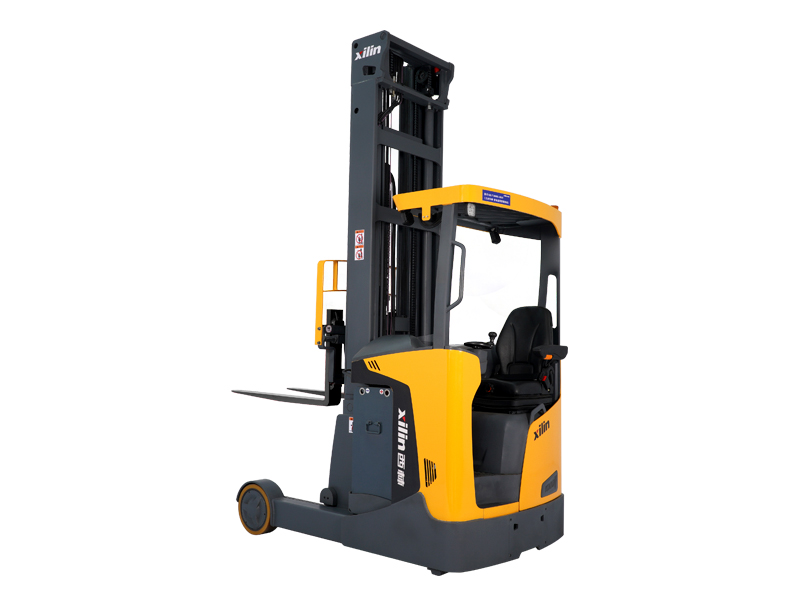
The list then needs tailoring, because a checklist written for one truck family fits another poorly. A counterbalanced electric forklift carries mast chains and tilt cylinders that a pallet truck never touches, while a reach truck adds telescoping mast points of its own. Start from the inspection points the manufacturer publishes, then adapt them to your racking, loads, and floor conditions.
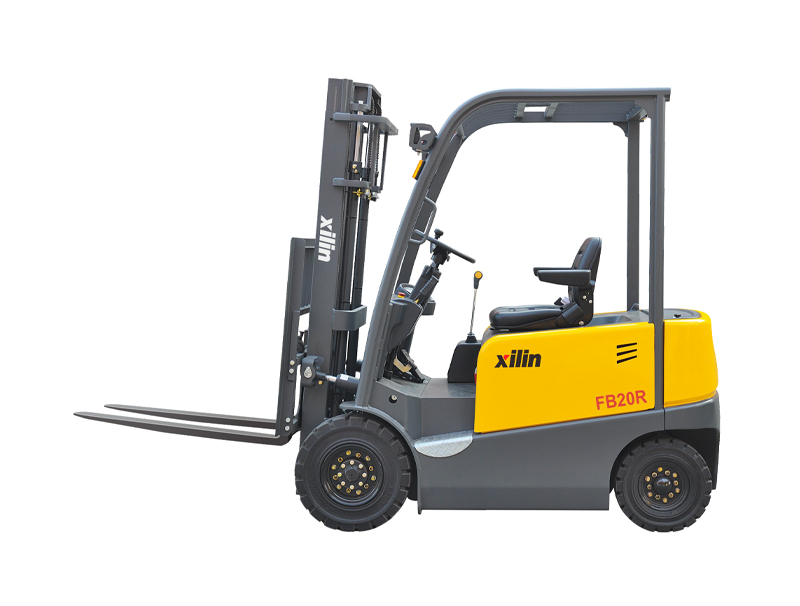 Electric Forklift TruckCPD10S-E/CPD15S-E 3 Wheel Electric Forklift 1000KG/1500KGView Product →
How the Checklist Prevents Accidents
Most serious forklift accidents trace back to conditions a walkaround can catch. Tipovers follow worn tires, weak brakes, or a truck that was already handling badly before the load was lifted. Dropped loads follow fork cracks and slack chains. OSHA estimates that forklifts are involved in roughly 85 fatalities and tens of thousands of serious injuries every year, and that about 70 percent of these accidents could be prevented through proper training and strict operating procedures. A daily checklist is the operational half of that training, and the chart below shows why each specific check matters.
Main causes of fatal forklift accidents (share of fatalities)
Shares based on commonly cited OSHA and NIOSH fatality investigation data.
Being struck by a moving truck and being crushed in a tipover together account for about 60 percent of fatalities, which is why tire, brake, and steering checks sit at the top of every credible list. A worn fork heel or a slack lifting chain shows up in a walkaround long before it lets a load slip. Low or uneven tire pressure destabilizes a truck during cornering, one of the classic tipover triggers. The checklist cannot stop a pedestrian from stepping into a travel path, but it removes the mechanical failures that make those moments lethal. Paired with operator training, the inspection becomes the cheapest safety routine on the floor.
Compliance and Documentation
In the United States, OSHA standard 29 CFR 1910.178(q)(7) requires industrial trucks to be examined at least daily, and after each shift when used around the clock. Any truck found in a condition affecting safety must be removed from service until repaired. A signed pre-operational checklist is the simplest possible evidence that this examination happened, and it protects the company during audits, insurance reviews, and incident investigations.
Written records also change behavior. A verbal all-clear leaves no trace and no owner, while a dated sheet creates a chain of responsibility from operator to supervisor to maintenance. The defect history also tells mechanics what to watch on each unit. For a broader view of daily safe-operation habits, this guide to how an electric forklift works safely pairs well with the inspection routine.
Fewer Breakdowns and Lower Repair Costs
A checklist is also an early-warning system for the maintenance budget. Catching a weeping hydraulic fitting during a walkaround converts an emergency repair into a planned one, ordered at normal price and fitted during a quiet window. Multiply that across a fleet and the effect on unplanned downtime becomes visible within a single quarter, as the trend below illustrates.
Unplanned forklift downtime after checklist rollout (hours per month)
Illustrative figures for a mid-size warehouse fleet; month 2 marks the mandatory daily checklist.
The curve does not fall overnight, because the first weeks of logging tend to surface problems that already existed. By month four the backlog of hidden defects had been cleared, and breakdowns increasingly came from wear that had been caught early. Emergency callouts shrank, which matters because an unplanned forklift repair typically costs far more per hour than a scheduled service visit. Parts could be ordered in advance and maintenance windows planned around shift patterns. The fleet did not just get safer, it got predictable.
The Defects Operators Catch Most Often
So what do daily inspections actually find? The distribution below reflects the categories fleet maintenance teams most commonly record, and it shows why skipping the routine on short shifts is an expensive habit.
Defects most frequently found in pre-operational inspections
Illustrative composite of findings that fleet maintenance teams commonly record during daily inspections.
Tire and wheel problems lead the list because tires collect debris, suffer impact damage, and wear unevenly on concrete floors. Brake and hydraulic faults rank next, and both belong to failures that worsen quickly under daily loads. Horn and alarm defects look minor, yet they silence the operator main warning channel in shared aisles. Fork, chain, and mast issues are less frequent but carry the highest consequence, since they directly support the load. A short equipment-specific checklist keeps every category visible instead of leaving detection to memory.
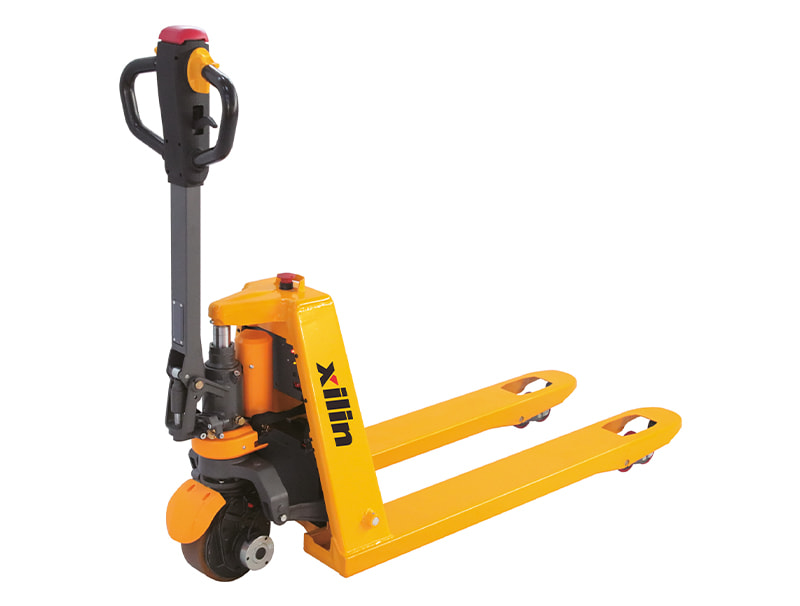
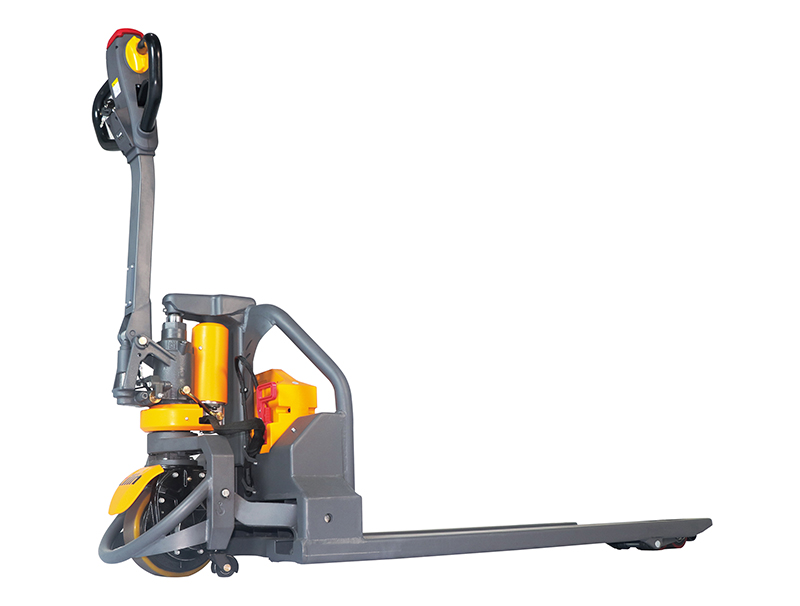
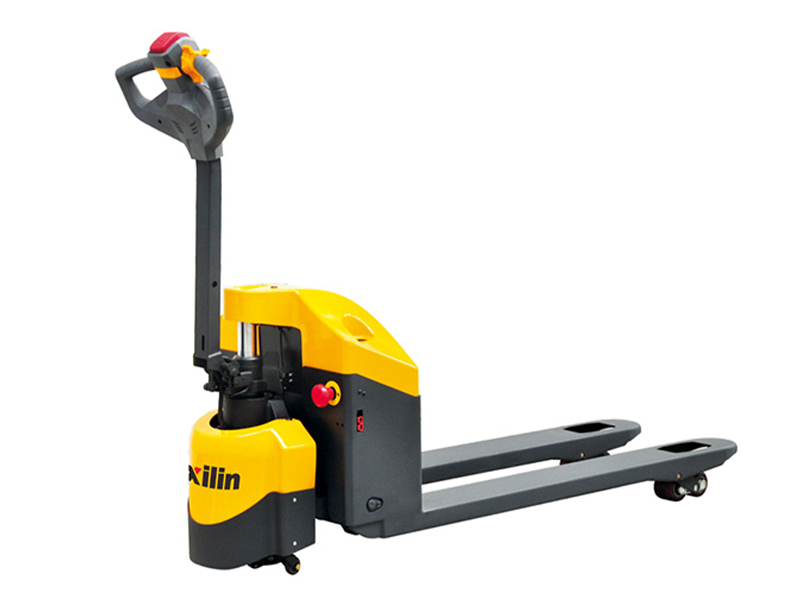
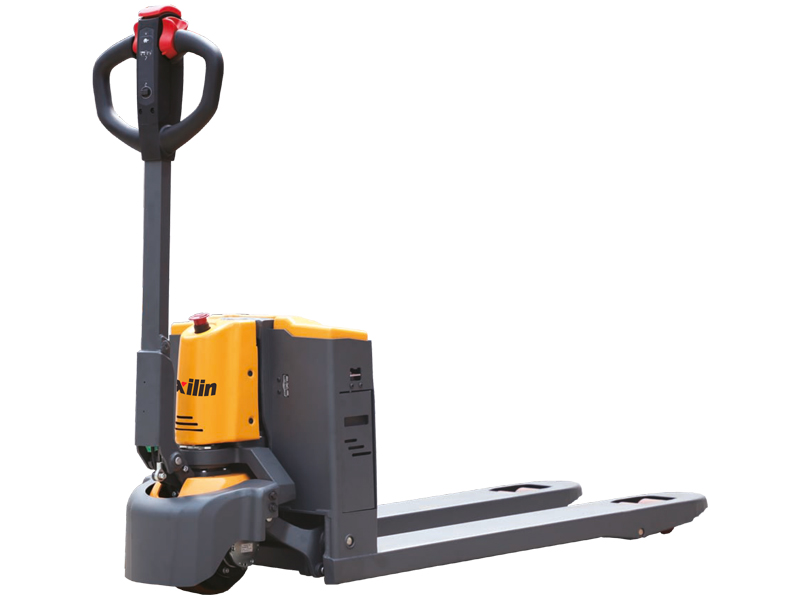
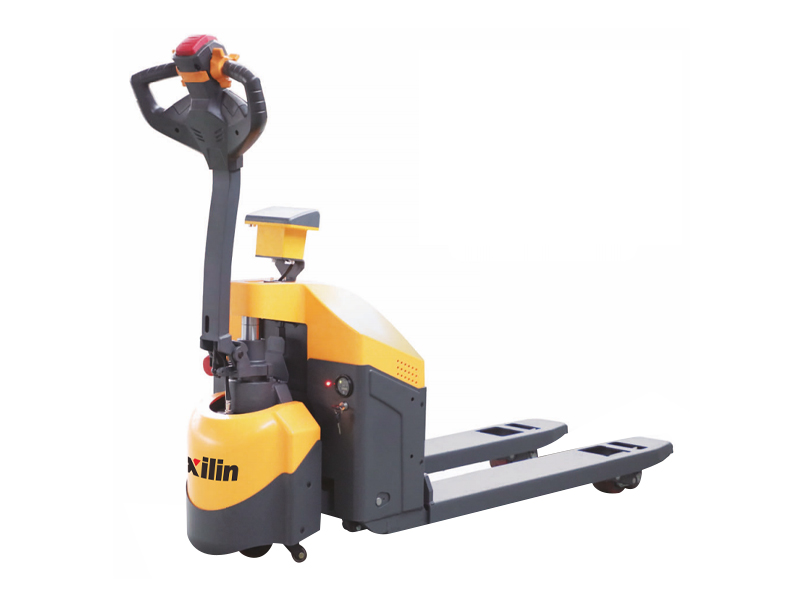
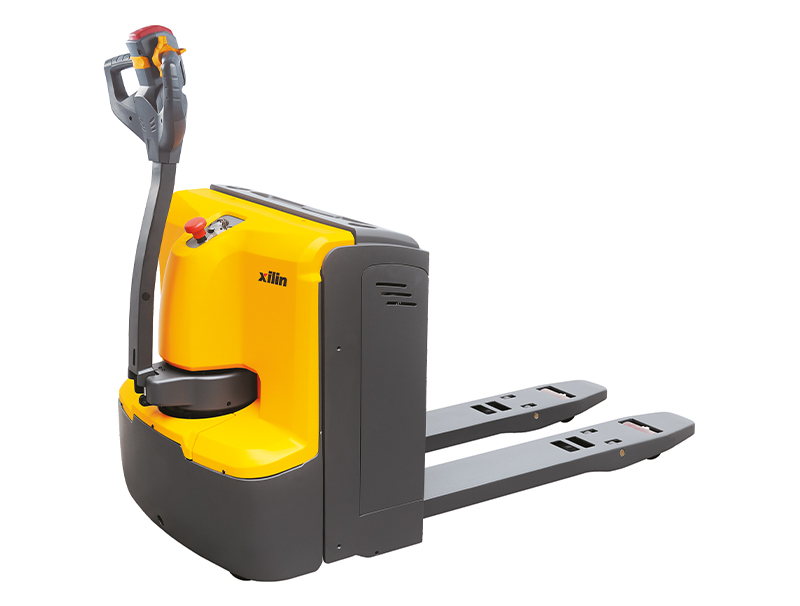
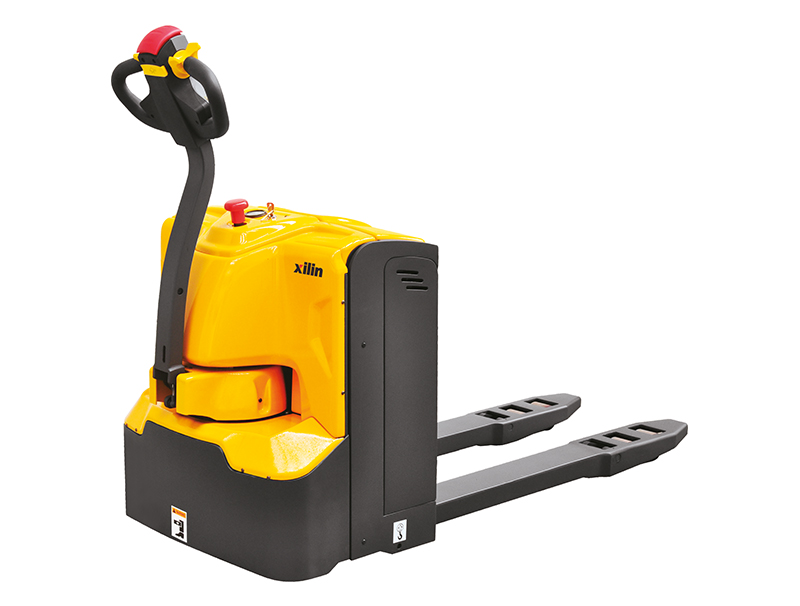
Compact trucks deserve a tailored version of the same discipline. A walkie pallet truck, for example, gets checked for fork heel wear, drive wheel debris, battery connector condition, and lift linkage play, which are the points that matter most on a machine that may run ten hours a day in a busy aisle.
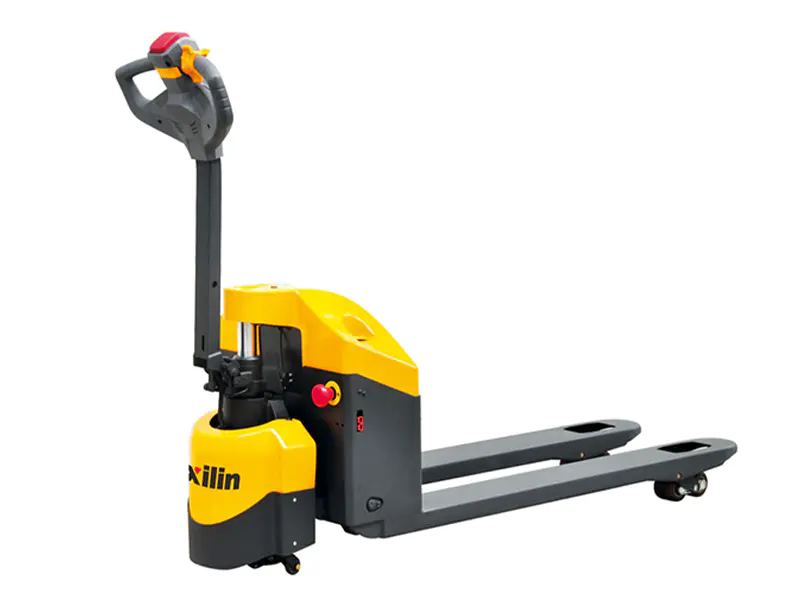 Electric Walkie Pallet TruckDrive: electric (battery type, mains, ...), diesel, petrol, fuel gasView Product →
Accountability and a Stronger Safety Culture
Beyond mechanics, the checklist changes who owns truck condition. A signed sheet ties the state of a machine to a named person on a specific date, and that quietly raises the standard of care across the whole crew. Accumulated records also expose patterns, such as one truck repeatedly failing the same point, which is exactly the signal a supervisor needs before a small defect becomes an incident. The comparison below summarizes the gap between a fleet that inspects by memory and one that inspects on paper.
Fleet performance with and without a documented checklist
Illustrative scores on a 0 to 10 scale across six operating dimensions.
Accident control improves most clearly, because the mechanical causes behind tipovers, dropped loads, and brake failures are caught before the first task of the day. Compliance readiness rises as well, since dated records demonstrate the daily examination regulators expect of industrial trucks. Uptime gains follow the same pattern, with defects repaired on schedule rather than during a breakdown. Accountability strengthens because each signed sheet ties a truck condition to a named operator on a specific date. Even cost control benefits, as emergency repairs give way to planned maintenance and longer equipment life.
How to Make the Checklist Stick
Checklists fail when they are too long, too generic, or never reviewed. Six practices keep the routine alive:
- Keep it short, around five to ten minutes, split into a visual pass and a functional pass.
- Make it equipment specific, so a reach truck list differs from a pallet truck or stacker list.
- Require a signature and a date on every record, whether paper or digital.
- Tag out any truck that fails and return it to service only after documented repair.
- Retain records for the interval your regulator or insurer expects.
- Review the defect log monthly and feed recurring items back into maintenance and training.
Equipment specificity deserves the emphasis. A fleet that mixes counterbalanced forklifts with a compact walkie stacker will run two different lists, and each operator should only sign for the truck class he or she was trained and authorized on.
The short answer is that a pre-operational checklist improves forklift safety by finding mechanical faults before the first pallet moves, documenting that someone competent looked, and turning safety from an intention into a five-minute routine with a name and a date on it. Fleets that treat the checklist as paperwork get paperwork; fleets that treat it as the first task of the shift get fewer tipovers, fewer dropped loads, longer-lasting trucks, and a defensible compliance trail. Whether you are writing your first list or auditing an old one, match the items to the trucks you actually run, because the XILIN material handling equipment range from Ningbo Ruyi spans pallet trucks, stackers, reach trucks, order pickers, and counterbalanced forklifts, and every one of those families deserves a checklist of its own.