 英语
 西班牙语
 德语
 法语
 俄语

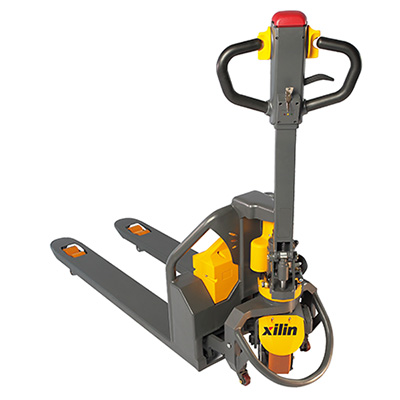 Electric Pallet Truck
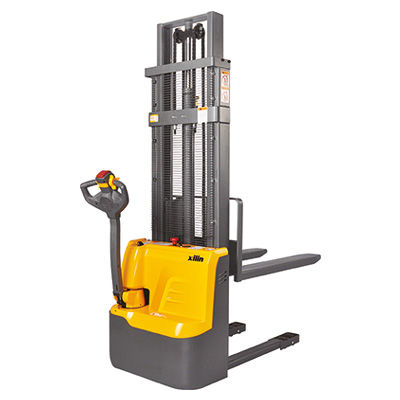 Electric Stacker
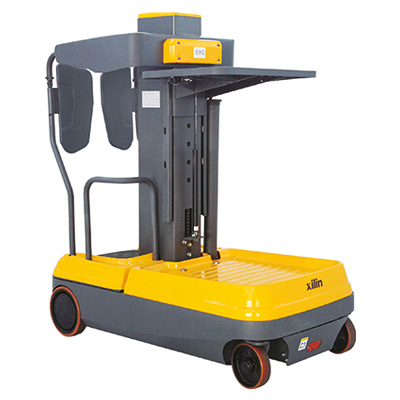 Order Picker
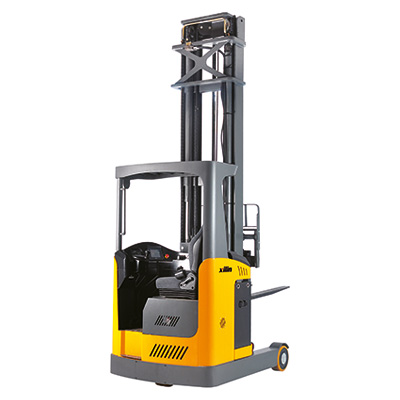 Narrow Aisle Truck
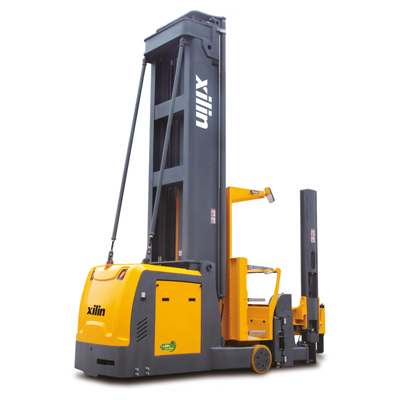 VNA Tri-Lateral Stacker
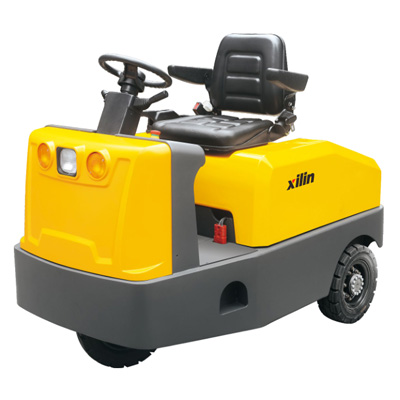 Tow Tractor
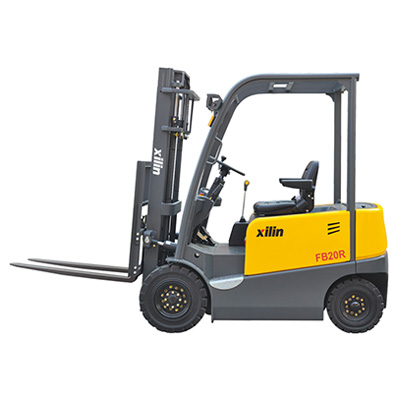 Electric Forklift
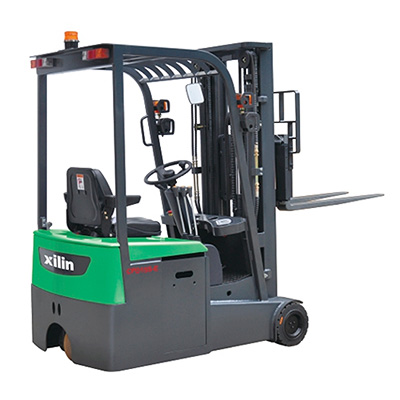 Lithium-ion Truck
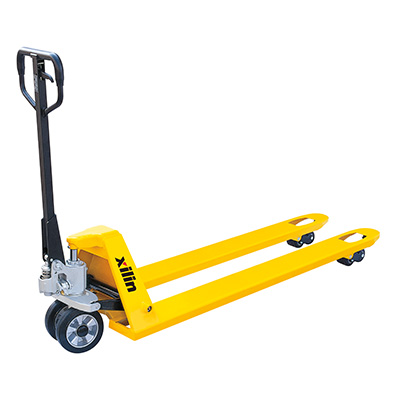 Hand Pallet Truck
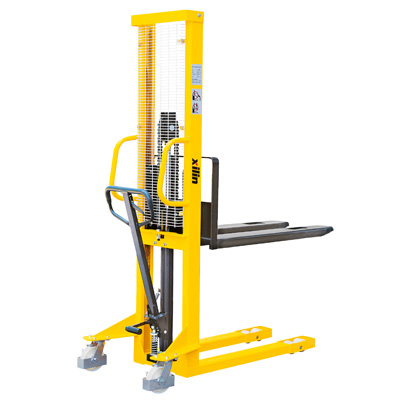 Manual Stacker
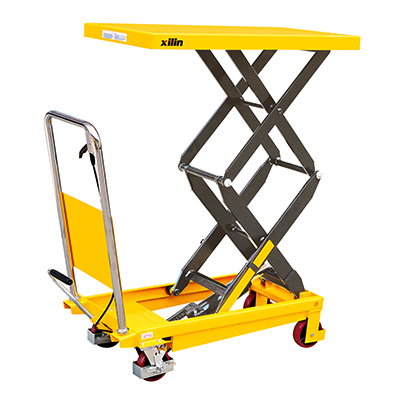 Lift Table

Content
- 1 What Fleet Automation Changes on a Working Floor
- 2 Where the Uptime Actually Goes
- 3 The Equipment Layer: Chassis Built for Continuous Duty
- 4 The Data Layer: A Short List Beats a Long Dashboard
- 5 The Workflow Layer: What Happens in the First 15 Minutes
- 6 A Rollout Sequence That Survives Peak Season
- 7 What to Specify in the Purchase Agreement
- 8 Measuring the Result After 90 Days
A stand-on pallet truck faults out at 02:40 in the middle of an outbound wave. Two loaders stand idle, a trailer door misses its slot, and the next shift inherits a backlog. The truck is not really the root cause. The fault was predictable, no spare unit was staged, and nobody on the floor had the authority to pull the machine and swap it.
That gap is what fleet automation solutions are meant to close in 24/7 operations. Reliability at three in the morning is a system property, not a machine property. The programs that hold up do three jobs well: they keep energy available, they turn equipment signals into scheduled work with a named owner, and they make exceptions visible to someone who can act within minutes. Dashboards are supporting detail, not the objective.
What Fleet Automation Changes on a Working Floor
Fleet automation in material handling is often mistaken for autonomous vehicles. Most of the reliability gain comes from automating routine decisions around the fleet: when a truck charges, when a service is triggered, which unit takes the next task, and who is notified when a fault code appears. A self-guided truck sitting at 20 percent charge changes nothing for the night shift.
| Control point | Manual practice | Automated practice | Reliability effect |
|---|---|---|---|
| Charging and energy | Trucks plugged in at shift end, first come first served | Charge windows scheduled by state of charge and next task | Fewer mid-shift stoppages |
| Maintenance trigger | Calendar intervals or run to failure | Hour meter and fault thresholds open a work order | Small faults fixed before they stop a shift |
| Task assignment | Dispatcher judgement over radio | Rules based on zone, load and remaining charge | Less deadheading, steadier cycle times |
| Fault escalation | Operator mentions it at break | Alert routed to shift lead and maintenance with code | Response measured in minutes |
| Safety checks | Paper checklist, collected sporadically | Digital pre-shift check with lockout flag | Defective units stay out of the pool |
Where the Uptime Actually Goes
Run the arithmetic before buying anything. Fifteen trucks scheduled for 20 productive hours a day with 4 percent unplanned downtime lose 12 truck hours daily, close to one and a half shifts of capacity. Recovering half of that is usually cheaper than adding another unit to the fleet.
Charging is the most common hidden loss. A lead-acid pack needs a full cycle of roughly eight hours plus a cooling period before it can be topped up, which forces either a spare battery per truck or a mid-shift swap that costs 5 to 10 minutes of operator time and a reserved bay. Lithium packs accept partial charging, so a 15 to 20 minute break can return enough energy to finish a shift. A workable starting rule is one opportunity charger for every two to three trucks, positioned where operators already stop rather than in a back corner of the building.
Deferred maintenance stops more trucks than electronics failures do. Wheels, load rollers, hydraulic hoses, mast chains and contactors wear on a fairly predictable curve, provided hour meters are read consistently. The failure mode to avoid is the unit that limps through month eleven because service intervals were set by calendar instead of operating hours.
The Equipment Layer: Chassis Built for Continuous Duty
Automation cannot rescue a chassis that is wrong for the duty cycle. Match the machine first, then instrument it.
Power and Runtime
In multi-shift work the power system sets the schedule. Lithium trucks hold a steadier voltage across the discharge curve, tolerate opportunity charging during breaks, and report state of health through the battery management system, which makes replacement planning possible instead of reactive. The practical checks are charger compatibility, cycle life at the real depth of discharge, and whether a truck can be charged in the aisle where it works. Pack behavior and charging practice are covered in more detail in this note on lithium truck battery advantages.
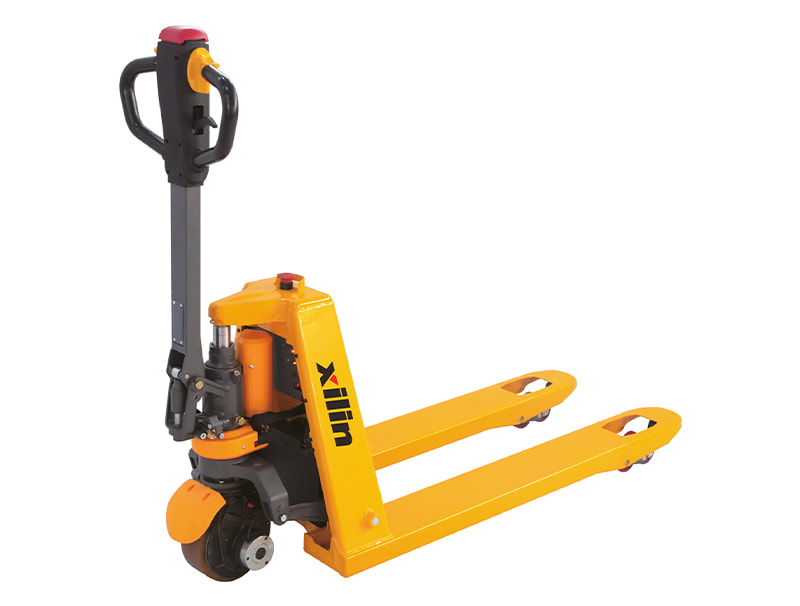
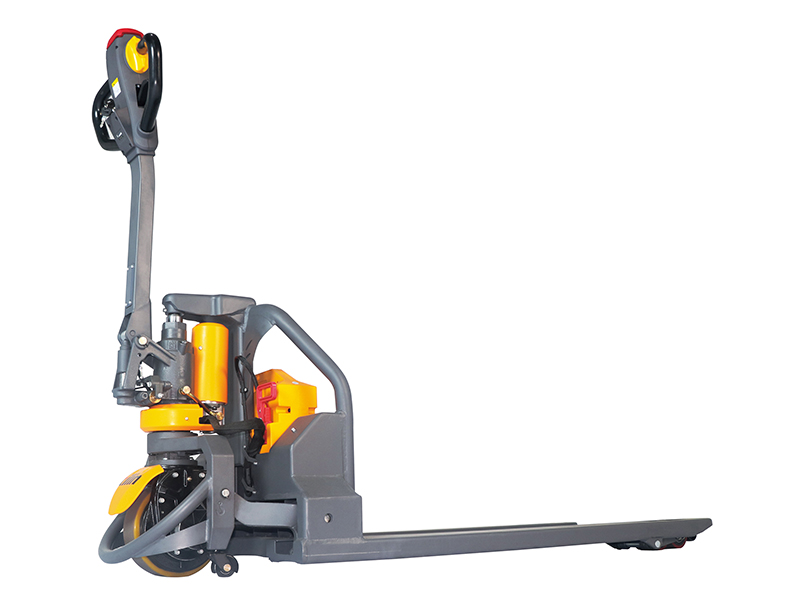
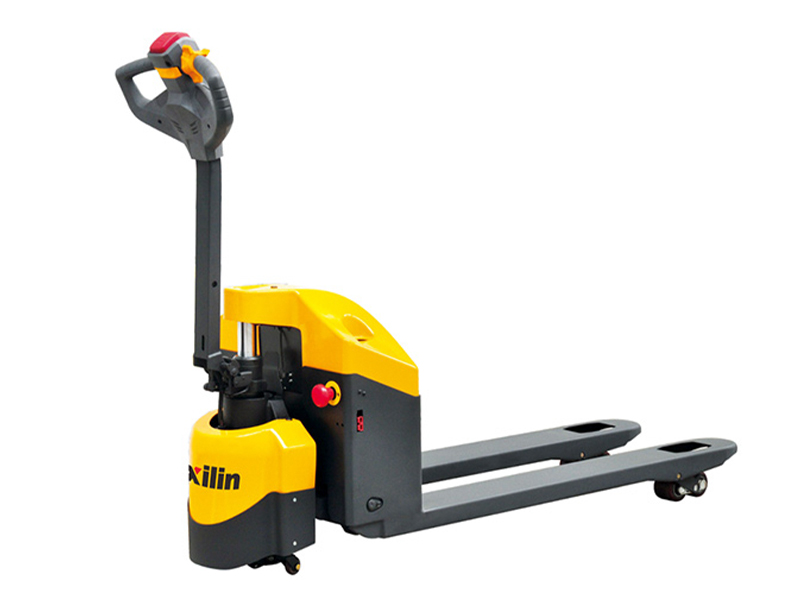
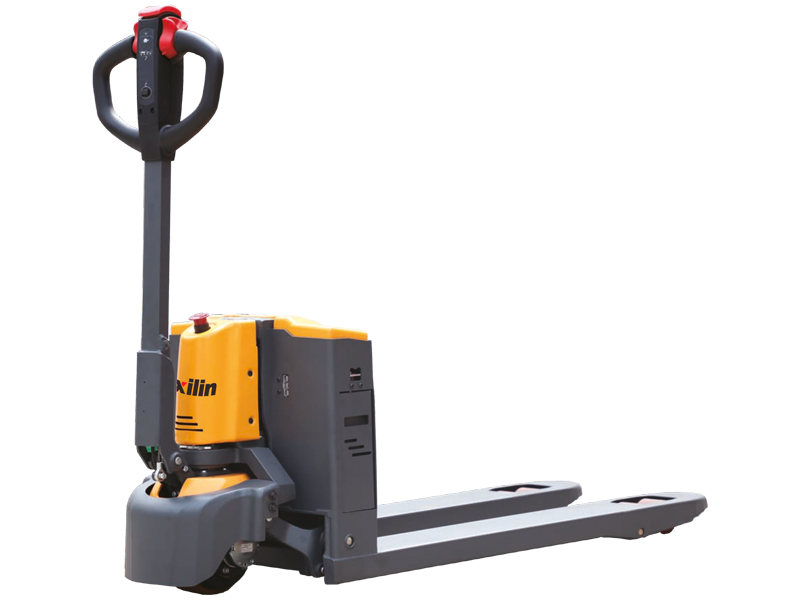
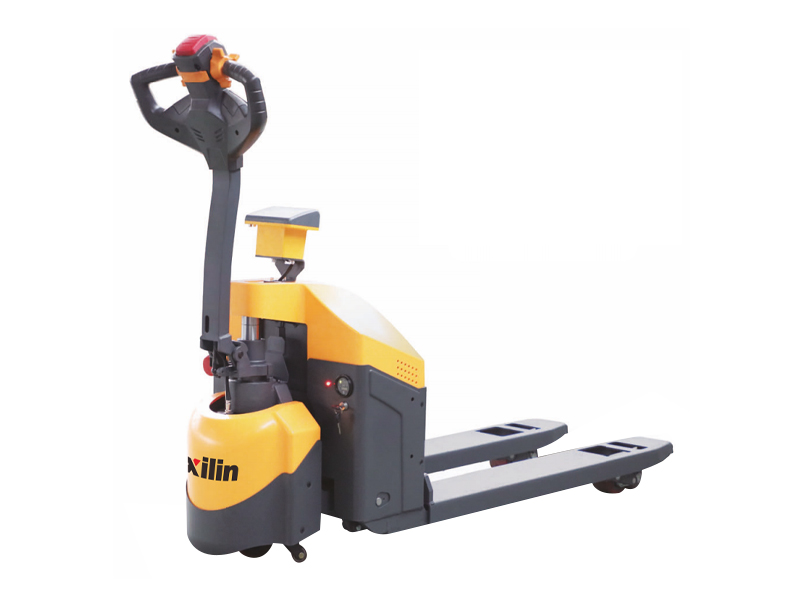
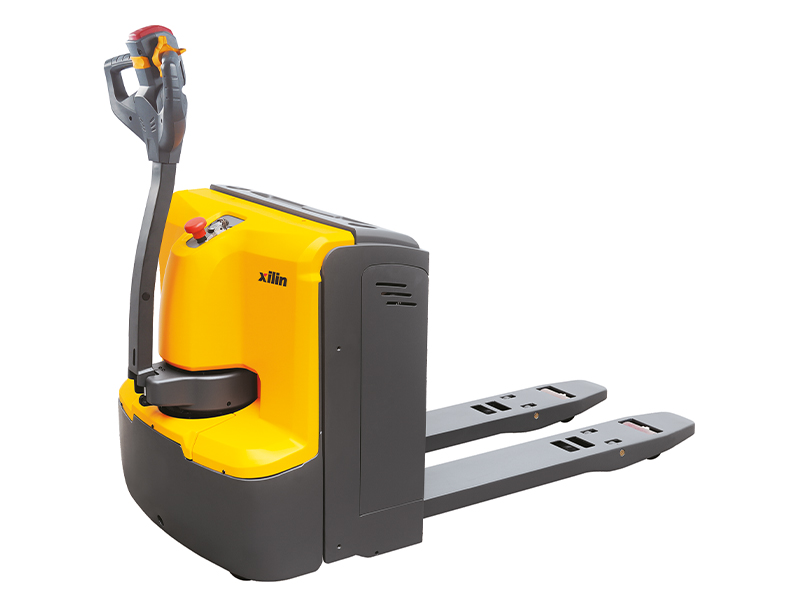
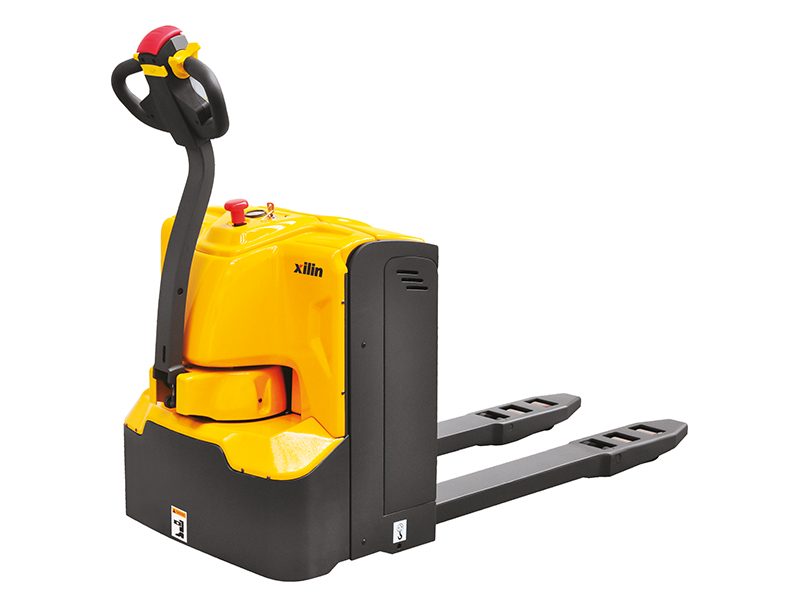
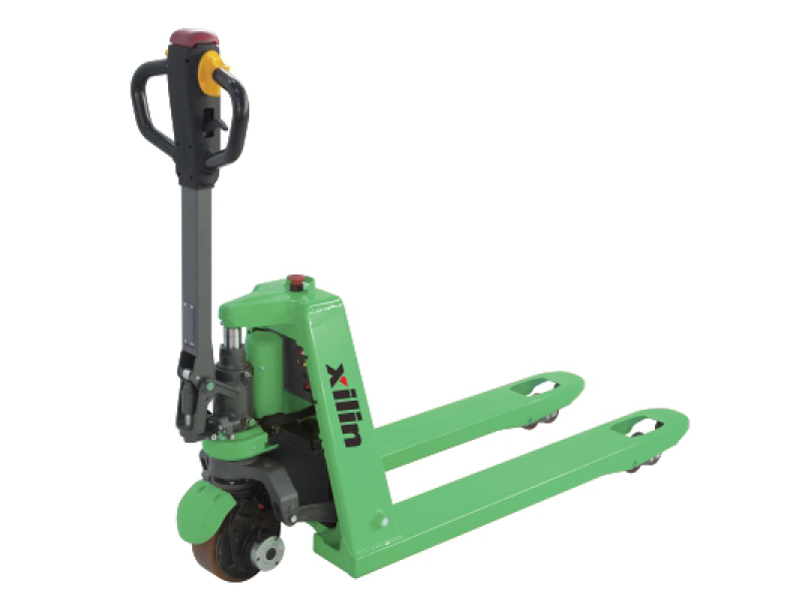 Electric Pallet Truck CBD15 with Lithium-Ion BatteryA 1,500 kg lithium-ion pallet truck with 24V/20Ah battery, suited to short horizontal runs and frequent stops.View Product →
Chassis Matched to the Route
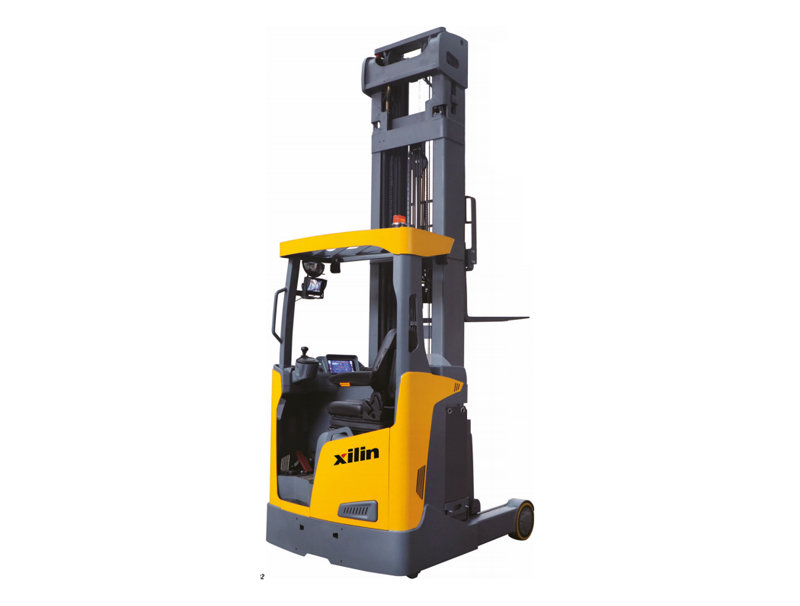
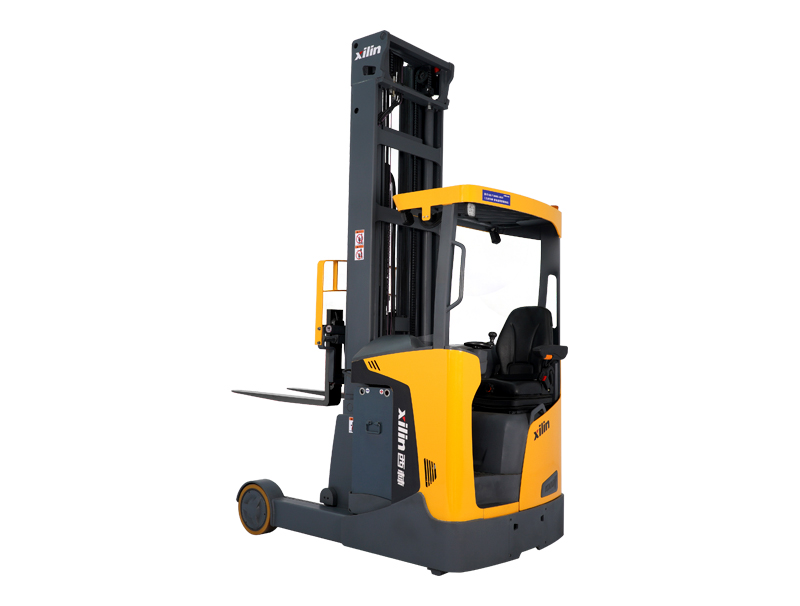
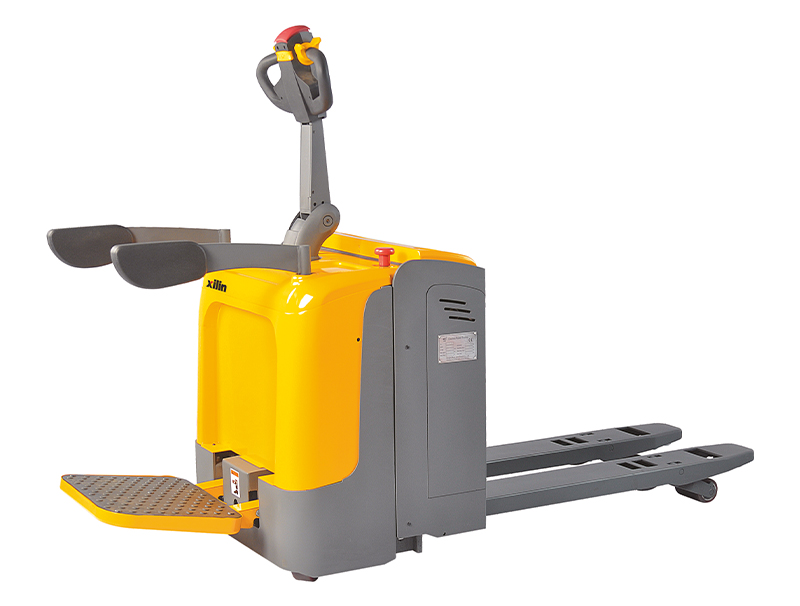
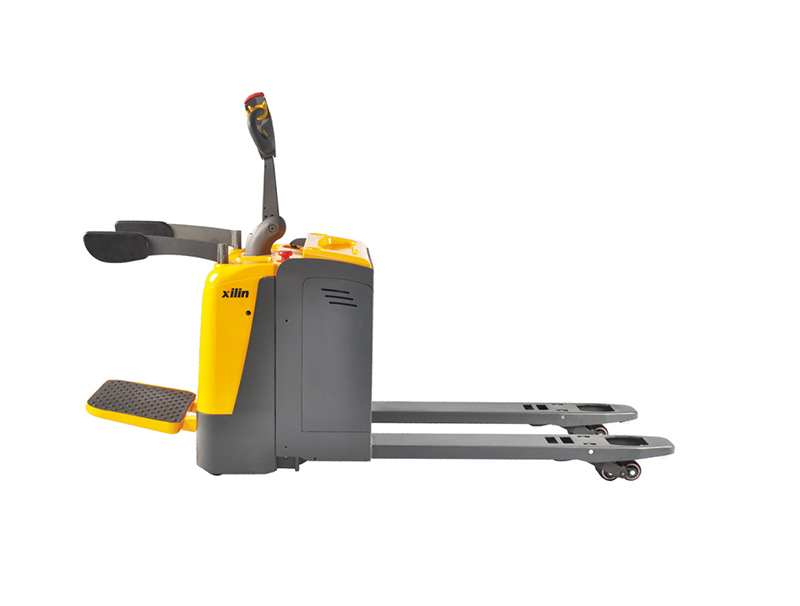
A walkie pallet truck suits short horizontal runs with frequent stops. Once routes pass roughly 30 to 40 meters per pallet movement, a stand-on or ride-on unit pays back through reduced operator fatigue and shorter cycle times. In buildings with tight racking aisles, very narrow aisle equipment with a man-up cabin removes the double handling that comes from reaching top beam locations with a standard reach truck.
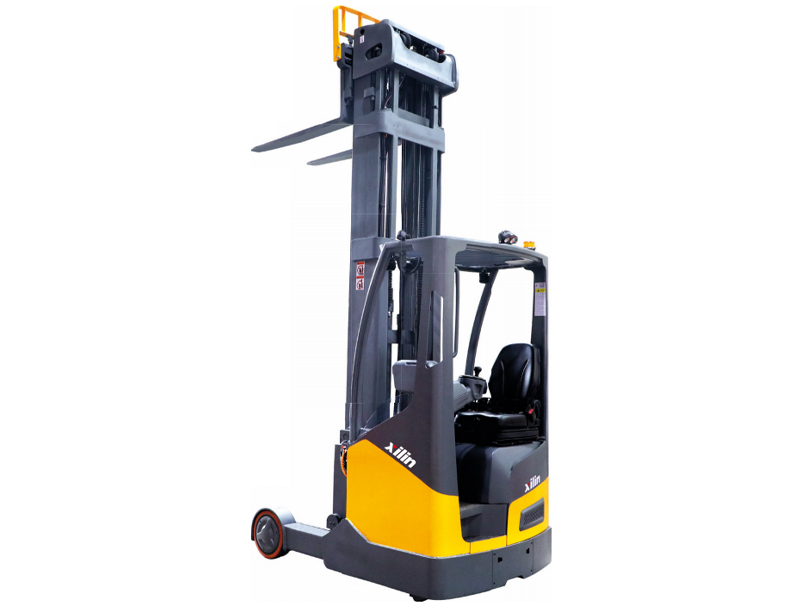
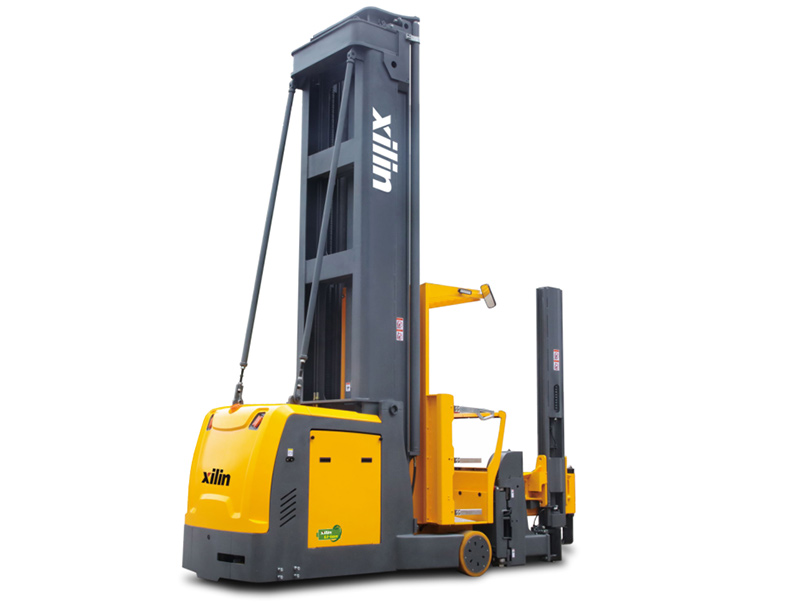 Tri-Lateral Stacker OPTS15 for Narrow-Aisle High LiftingAn electric tri-lateral VNA stacker rated at 1,500 kg, with lifting heights from 6,000 to 13,000 mm for high-lifting warehouse handling.View Product →
Picking and Case Handling
Order picking is where 24/7 schedules often break first, because output depends more on the operator than on the machine. Low level pickers with a stable platform, enclosed guard arms and smooth deceleration cut the stop-start effort on every pick line, and the gain shows up as lines per hour and as fewer reported strain incidents.
 Electric Low Level Order Picker OPL10G/OPL12GLow-level order picker with 1,000/1,200 kg models, 1.2 m platform lift and side-mounted battery access for picking and maintenance checks.View Product →
Service Access and Wear Parts
Reliability is also a maintenance access question. Ask how long a wheel change takes, whether the hydraulic unit can be serviced without dropping the mast, and which parts should be replaced inside two years. Machines that need special tooling for routine work end up waiting for a technician while the shift runs short.
The Data Layer: A Short List Beats a Long Dashboard
Every connected truck can emit hundreds of parameters. Reliability improves with a small set that produces action.
- Fault codes with severity levels, mapped to a response time rather than to a report
- State of charge at task start and state of health trend per pack
- Charge cycles and depth of discharge, used to forecast pack replacement
- Hour meter against productive hours, which exposes idle time and misrouted units
- Impact events above a set threshold, since repeated shocks shorten fork and frame life
- Overdue pre-shift checks, which should lock a unit out of the dispatch pool
The number worth watching is not data volume but acknowledged alerts per shift. A site generating 200 notifications a day will stop reading them within a fortnight. Six to ten alert types with owners and time limits are enough to start, and thresholds can be tightened once a month of baseline data exists.
The Workflow Layer: What Happens in the First 15 Minutes
An alert without a response path is noise. Define the handoffs before the pilot goes live.
- The shift lead acknowledges a red fault within 15 minutes and pulls the unit from the task queue
- Maintenance triages within two hours and either repairs or releases the unit with a written note
- A replacement is staged for any truck class with three or more units in service
- Critical spares are stocked against the top failure modes found in the first quarter, not a generic list
- Open defects are reviewed weekly, and closure is measured in days
A Rollout Sequence That Survives Peak Season
- Baseline two weeks of downtime, charging behavior and fault history before changing anything
- Standardize the fleet where possible, because mixed models multiply parts and training
- Fix the power layout: charger count, placement and cable management
- Connect the equipment and set a small alert set with named owners
- Pilot on one zone and one shift, then compare availability and cycle time against baseline
- Expand by truck class while leaving the escalation rules unchanged
What to Specify in the Purchase Agreement
- Duty rating stated for continuous operation, not only peak load capacity
- Battery cycle life at a defined depth of discharge, plus warranty terms on the pack
- Fault code access and a data protocol you can read without a vendor subscription
- Charger compatibility and charge time from 20 to 80 percent
- Safety behavior: electromagnetic parking brake, automatic deceleration, zone speed limits
- Spare parts lead time for wheels, contactors, hoses and controllers
Measuring the Result After 90 Days
A short scorecard keeps the program honest. Track availability by shift, mean time to repair, preventive maintenance compliance, unplanned stops per 100 operating hours, and energy cost per pallet moved. Availability of about 97 percent and maintenance compliance near 95 percent are realistic for a mature mixed fleet. The first quarter is usually about stopping repeat failures rather than hitting a headline number.
Round the clock operation rewards boring consistency. The sites that keep moving are rarely the ones with the most sensors; they are the ones where a fault code reliably produces a trained person, a spare part and a decision within the same shift. That is the standard worth writing into a specification, which is why the ranges at XILIN span walkie, stand-on and man-up classes rather than a single chassis type.