 英语
英语 西班牙语
西班牙语 德语
德语 法语
法语 俄语
俄语
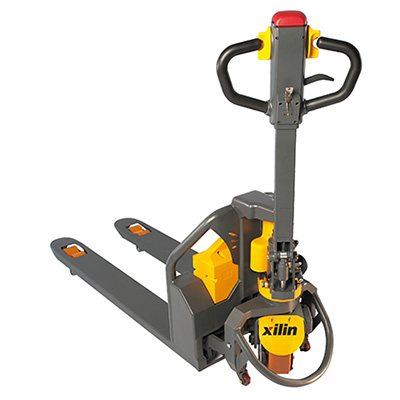 Electric Pallet Truck
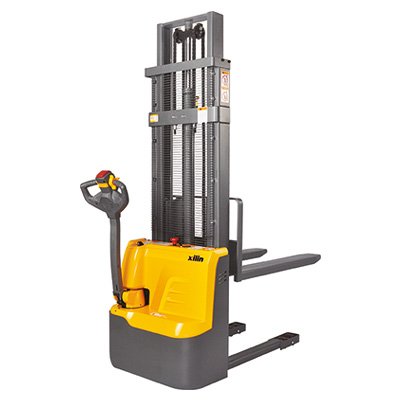 Electric Stacker
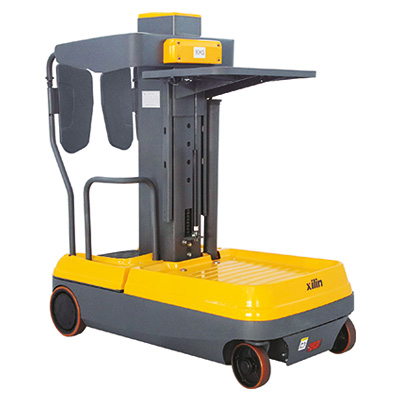 Order Picker
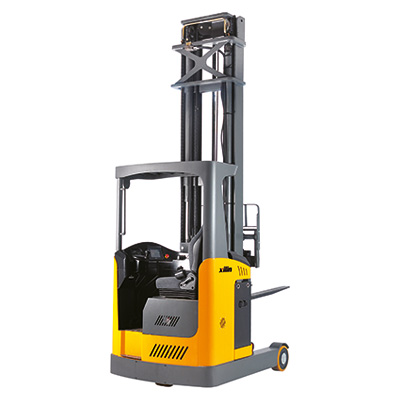 Narrow Aisle Truck
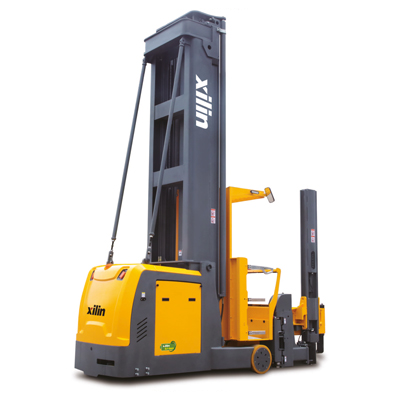 VNA Tri-Lateral Stacker
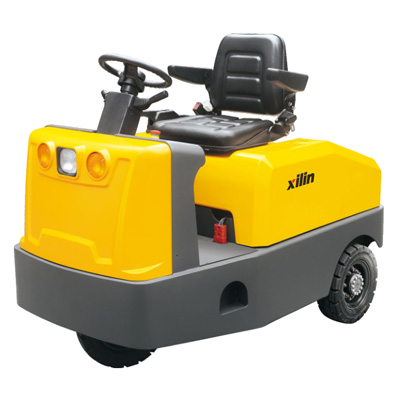 Tow Tractor
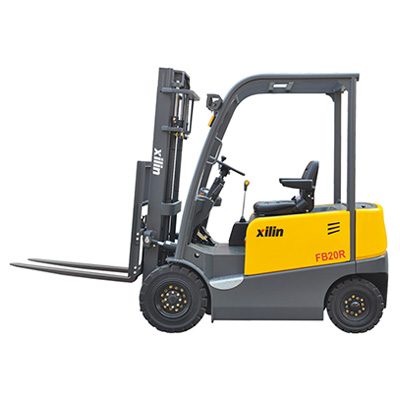 Electric Forklift
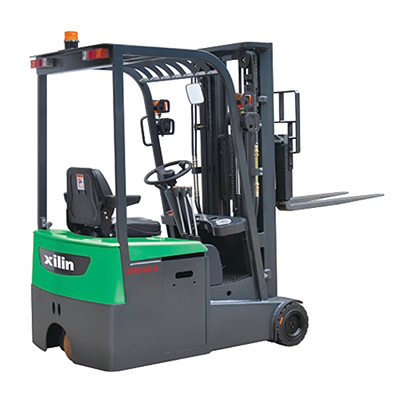 Lithium-ion Truck
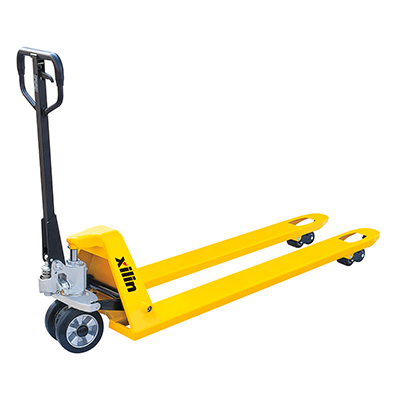 Hand Pallet Truck
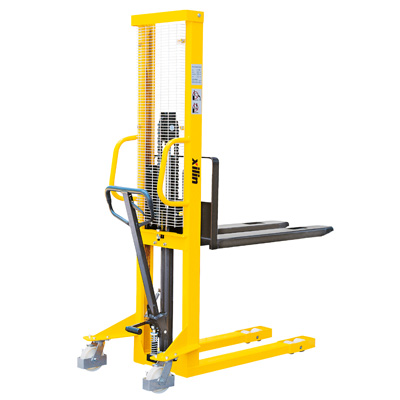 Manual Stacker
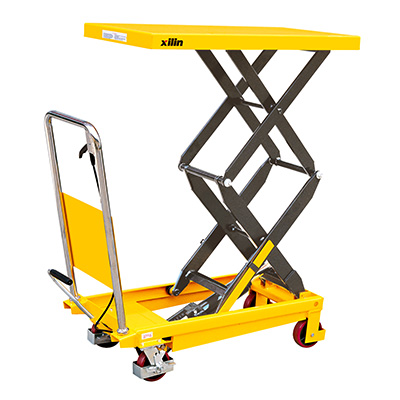 Lift Table
Content
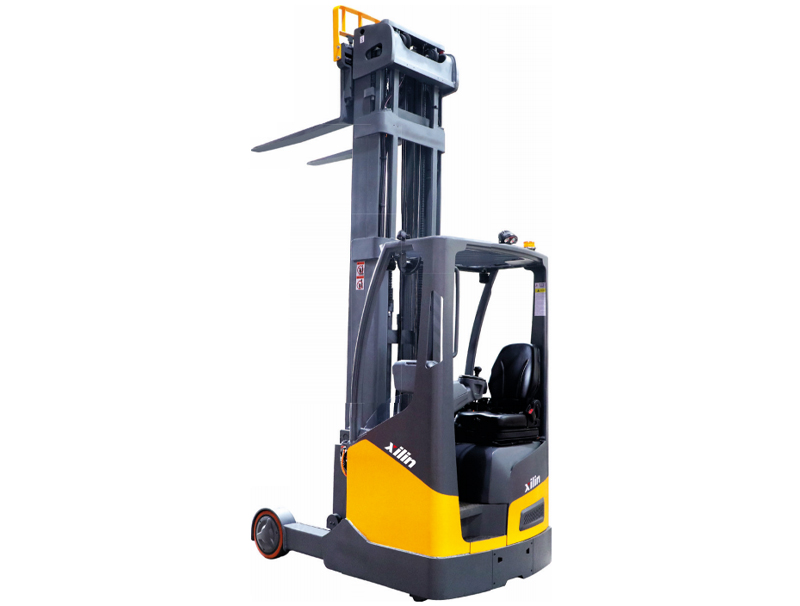
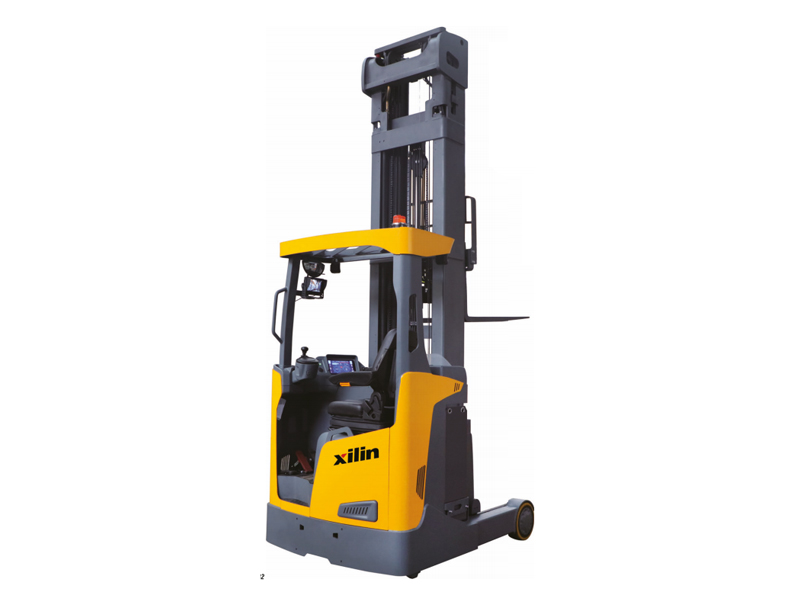
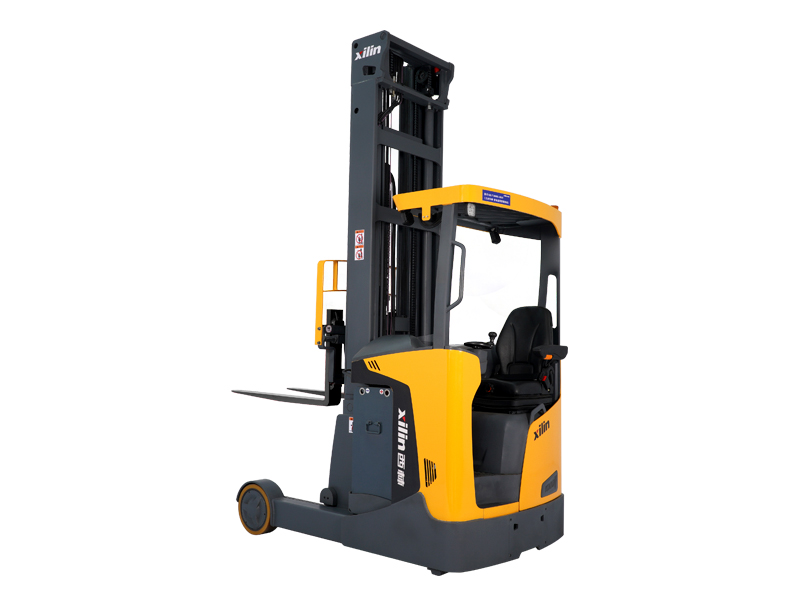
In modern warehouse management, with rising land prices and increasing demands for space utilization, "maximizing vertical space" has become an industry consensus. Narrow aisle forklifts are a powerful warehousing tool that has emerged in this context. Compared to traditional counterbalance forklifts, narrow aisle forklifts can significantly reduce the width of aisles within a warehouse, thereby significantly increasing storage capacity.
1. Definition and Core Characteristics of Narrow Aisle Forklifts
Narrow aisle forklifts are electric warehouse forklifts specifically designed for operation in extremely narrow aisles (typically between 1.5 and 1.8 meters).
Narrow aisle: Ordinary forklifts require aisles of 3 meters or more for turning, while narrow aisle forklifts, due to their special structural design, can complete stacking tasks without turning within the aisle.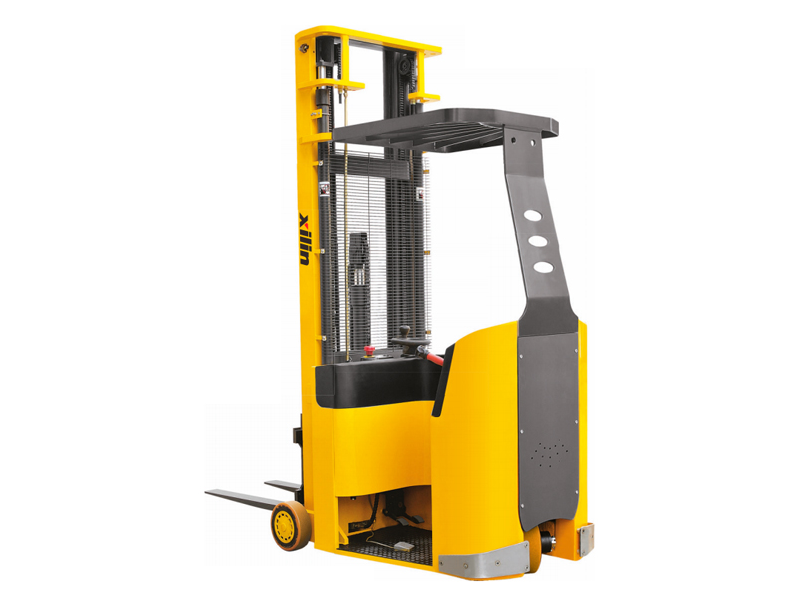
High lifting height: To fully utilize vertical space, the lifting height of these forklifts can typically reach 10 to 15 meters or even higher.
Mast does not steer, forks rotate: Its core feature is that the vehicle body maintains a straight-line movement, and goods are stored and retrieved through a three-way rotating head or the left and right translation of the forks.
2. Main Classifications of Narrow Aisle Forklifts
In practical applications, narrow aisle forklifts are mainly divided into the following two mainstream forms:
Three-way Stacker Forklift (Man-down): The driver is located inside the vehicle body on the ground, and only the forks rotate and lift. This model offers excellent cost-effectiveness in low-to-medium-level narrow aisle storage.
Man-up Narrow Aisle Forklift (Man-up): The cab rises and falls with the forks. The driver can closely observe the goods on high-level racks, which not only improves the accuracy and safety of high-level operations but also facilitates high-level picking.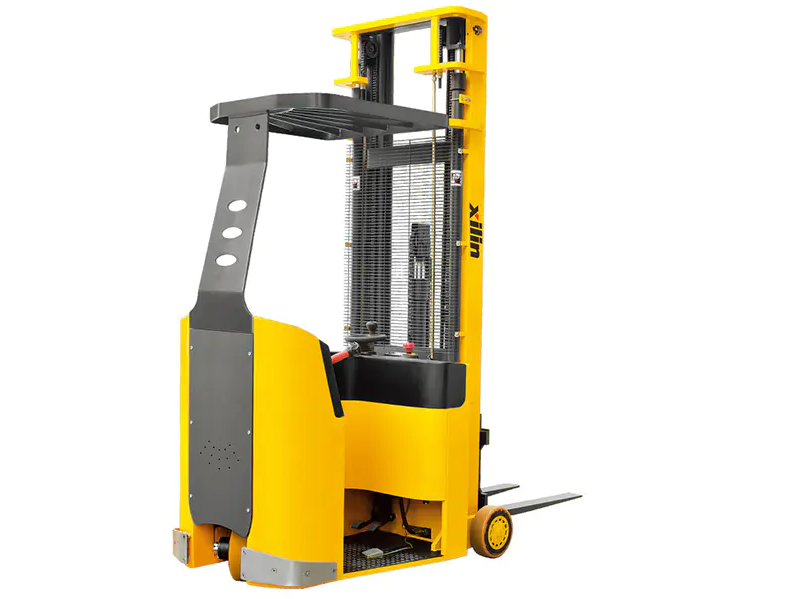
3. Why Choose a Narrow Aisle Forklift?
Significantly Increases Warehouse Capacity: Using narrow aisle forklifts can reduce warehouse aisle width by more than 50%. With the same building area, pallet positions can increase by 30% - 50%, significantly reducing the construction cost per location.
High-Efficiency Logistics Turnover: Narrow aisle forklifts typically have faster travel and lifting speeds and support precise docking with narrow aisle racking systems. Combined with magnetic or mechanical guide rail technology, the forklift can achieve automated or semi-automated straight-line movement within the aisle, reducing human error.
Safety and Stability: Despite their slim profile, narrow aisle forklifts are equipped with advanced hydraulic systems and balancing technology, ensuring extremely high stability even during ultra-high-altitude operations.
4. Application Scenarios and Supporting Requirements
To maximize the efficiency of Narrow aisle forklifts, they typically require the following systems:
High-bay racking system: Matching high-density heavy-duty racking.
Super-flat floor: Due to the extremely high lifting height, even small deviations in the ground are amplified at high altitudes; therefore, a VNA (Vacuum-Activated Navigation) super-flat floor is required in narrow aisle operating areas.
Guiding System: Magnetic guides or wheel guards are installed within the aisles to assist forklifts in high-speed and safe movement within confined spaces.
Narrow aisle forklifts are more than just material handling equipment; they are a key solution for businesses to optimize their supply chains and maximize warehouse space. For companies looking to double their throughput within limited land area, introducing narrow aisle forklifts is undoubtedly a significant step towards intelligent and efficient logistics.