 英语
英语 西班牙语
西班牙语 德语
德语 法语
法语 俄语
俄语
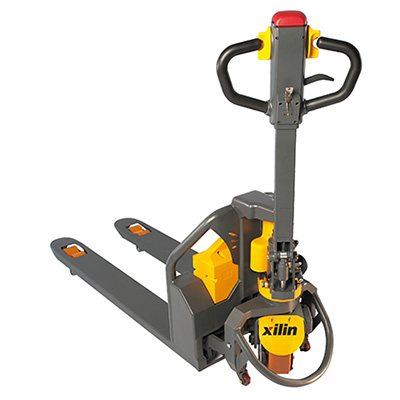 Electric Pallet Truck
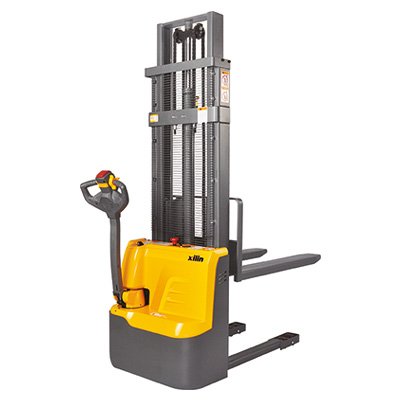 Electric Stacker
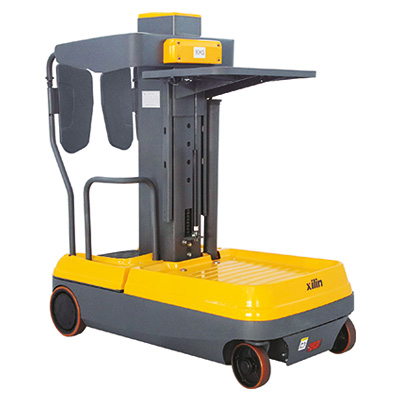 Order Picker
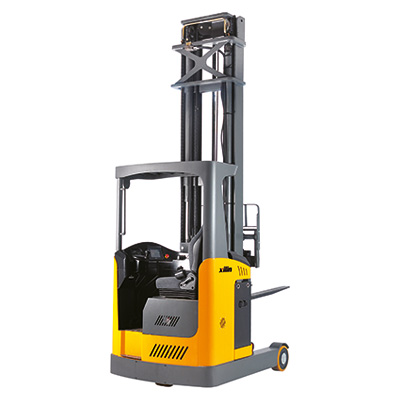 Narrow Aisle Truck
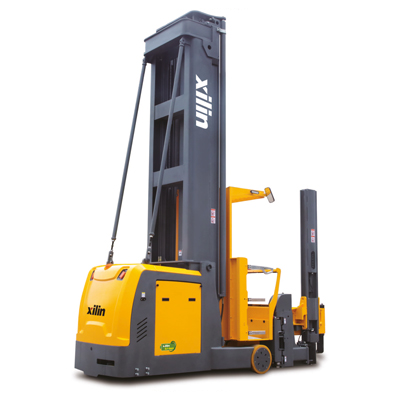 VNA Tri-Lateral Stacker
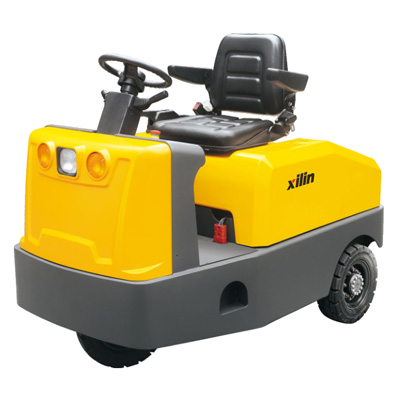 Tow Tractor
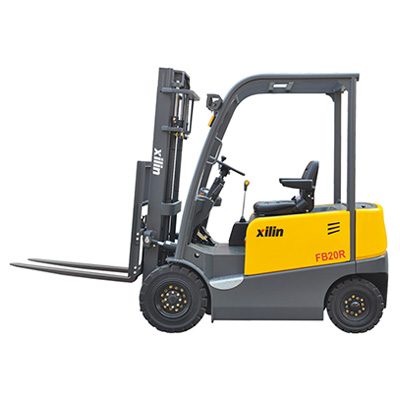 Electric Forklift
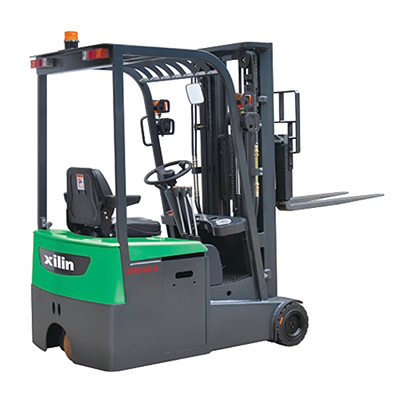 Lithium-ion Truck
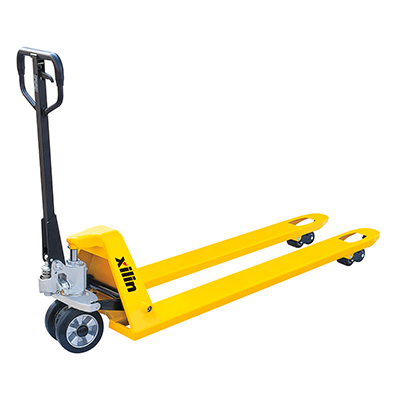 Hand Pallet Truck
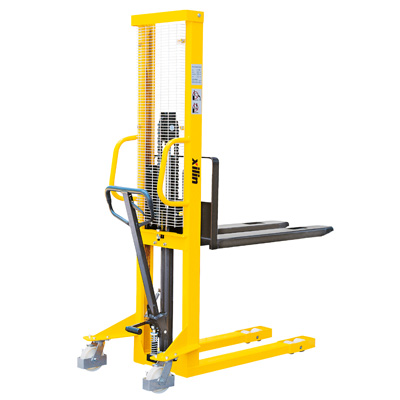 Manual Stacker
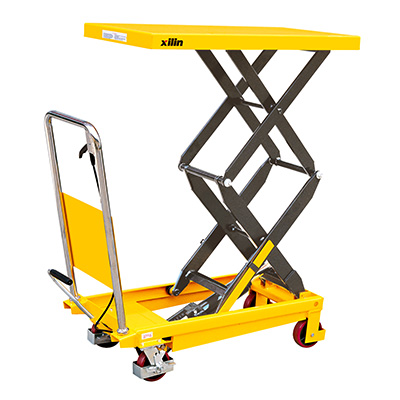 Lift Table
Content
- 1 Battery Type Is the Single Biggest Lifespan Variable
- 2 Operating Hours: The Most Reliable Measure of Lifespan
- 3 How Operating Environment Affects Service Life
- 4 Maintenance Practices That Extend Lifespan
- 5 Operator Behavior and Its Impact on Longevity
- 6 When to Replace vs. Repair an Aging Electric Pallet Truck
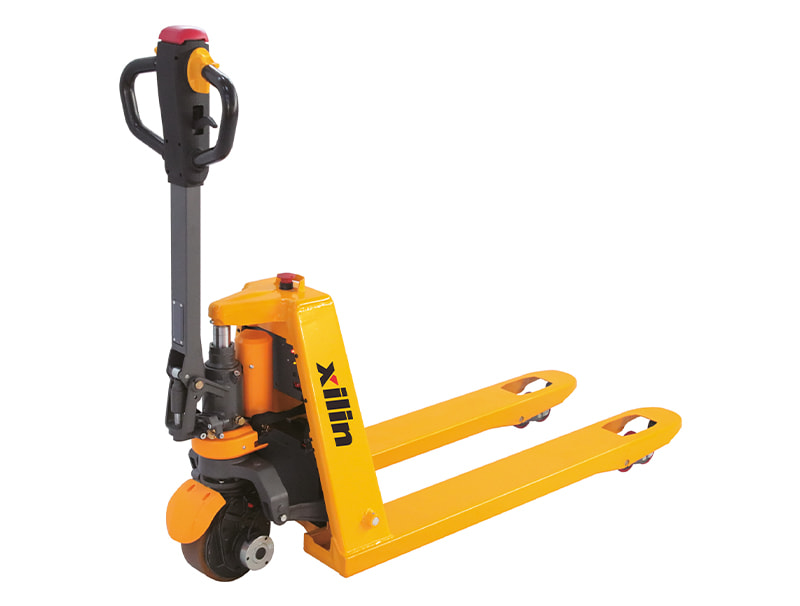
The average lifespan of an electric pallet truck is 5 to 10 years under standard single-shift warehouse use, or approximately 10,000 to 20,000 operating hours before major mechanical components require rebuilding or the unit becomes uneconomical to maintain. In lightly used environments — such as retail stockrooms with a few hours of use per day — the same unit can remain serviceable for 12–15 years. In demanding multi-shift operations, it may require replacement within 4–6 years.
Lifespan is not a fixed figure. It depends heavily on battery type, maintenance quality, operating intensity, and the environment in which the truck is used. Each of these factors can add or subtract years from the usable service life.
Battery Type Is the Single Biggest Lifespan Variable
The battery is the most expensive wear component in an electric pallet truck and defines the realistic service ceiling of the machine. Two main battery technologies are used:
| Battery Type | Typical Cycle Life | Expected Battery Lifespan | Key Requirement |
|---|---|---|---|
| Lead-acid (flooded) | 1,000–1,500 cycles | 3–5 years | Regular watering, full charge cycles |
| AGM / VRLA | 400–800 cycles | 2–4 years | Avoid deep discharge |
| Lithium-ion (LFP) | 2,000–3,500 cycles | 6–10 years | Compatible charger; no memory effect |
Lithium-ion equipped pallet trucks have a significantly longer effective service life than lead-acid equivalents. Since battery replacement for a pallet truck can cost 30–50% of the original machine price, the battery choice has a major impact on total cost of ownership over a 10-year period.
Operating Hours: The Most Reliable Measure of Lifespan
Calendar years are a less precise measure of truck lifespan than operating hours logged. Industry benchmarks for mechanical component durability are:
- Drive motor and hydraulic pump: 15,000–25,000 hours before overhaul
- Load wheels and drive wheel: 3,000–6,000 hours, depending on floor surface
- Fork arms (structural steel): Often outlast the rest of the truck if not subjected to impact damage
- Controller and electrical system: 8,000–15,000 hours; sensitive to moisture and heat
A standard single-shift operation of 8 hours per day, 250 days per year, accumulates approximately 2,000 hours per year. At this rate, a truck reaching 10,000 hours has been in service roughly 5 years — matching the typical replacement cycle observed in active warehouse operations.
How Operating Environment Affects Service Life
The working environment places very different levels of stress on a pallet truck. The same model can have dramatically different lifespans depending on where and how it is deployed:
Smooth Indoor Warehouses
Flat, clean concrete floors with controlled temperature are the most favorable environment. Wheel wear is minimized, the electrical system faces no moisture stress, and braking loads are predictable. Trucks in this setting routinely reach or exceed 10 years of service.
Cold Storage and Freezer Environments
Cold chain operations below 0°C reduce lead-acid battery capacity by up to 30–40% per charge cycle and accelerate seal and gasket degradation. Lithium-ion batteries are significantly more cold-tolerant, retaining over 80% capacity at −10°C in quality units. Trucks in cold storage typically require more frequent maintenance and may have a compressed lifespan of 5–7 years.
Outdoor or Rough Surface Use
Electric pallet trucks are designed primarily for indoor smooth surfaces. Using them on asphalt, gravel, or uneven loading dock surfaces accelerates wheel and fork wear significantly and increases vibration stress on the controller and wiring. This can reduce practical lifespan by 20–35% compared to indoor use.
Maintenance Practices That Extend Lifespan
Consistent, scheduled maintenance is the most cost-effective way to extend an electric pallet truck's lifespan. The following practices have the greatest impact:
- Battery watering (lead-acid only): Checking and topping up electrolyte every 5–10 charge cycles prevents plate sulfation — the leading cause of premature lead-acid battery failure
- Proper charging discipline: Avoid opportunity charging with lead-acid batteries; allow full charge-discharge cycles to maintain capacity. Lithium-ion tolerates opportunity charging without penalty.
- Wheel inspection every 500 hours: Worn or flat-spotted wheels increase rolling resistance and motor load, shortening motor life
- Hydraulic fluid and seal checks every 1,000 hours: Fluid degradation causes cylinder seal failure and reduced lift performance
- Electrical connection inspection: Corrosion on battery terminals and control connectors is a common cause of power loss and controller damage
Fleets that follow a structured preventive maintenance schedule consistently achieve 20–30% longer service life than those operating on a reactive repair basis.
Operator Behavior and Its Impact on Longevity
How an electric pallet truck is operated day-to-day has a measurable effect on how long it lasts. Key operator behaviors that reduce lifespan include:
- Riding the brakes or applying emergency stops frequently — this overheats the braking system and causes premature wear
- Overloading beyond the rated capacity — most walkie pallet trucks are rated for 1,500–3,000 kg; consistent overloading distorts fork arms and stresses the hydraulic cylinder
- Driving into dock plates or ramps at speed — impact damage to forks and drive wheels is a leading cause of early retirement
- Leaving the truck discharged overnight — deep discharge is the fastest way to permanently reduce lead-acid battery capacity
When to Replace vs. Repair an Aging Electric Pallet Truck
As a pallet truck ages, the decision between continued repair and replacement becomes an economic calculation. A useful rule of thumb is the 50% rule: if the cost of a single repair exceeds 50% of the current market value of the truck, replacement is typically more economical.
Signs that indicate replacement should be evaluated:
- Battery holds less than 60% of its original capacity and replacement cost approaches half the truck's value
- Annual repair costs exceed 20–25% of the original purchase price for two consecutive years
- Controller or motor replacement is required — these are high-cost jobs that often indicate broader electrical system aging
- Fork arm deformation or cracking — a structural safety issue that cannot be economically repaired in older units