 英语
英语 西班牙语
西班牙语 德语
德语 法语
法语 俄语
俄语
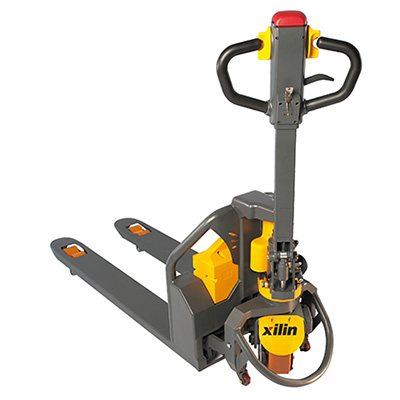 Electric Pallet Truck
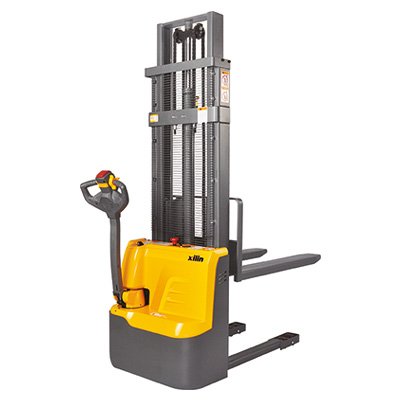 Electric Stacker
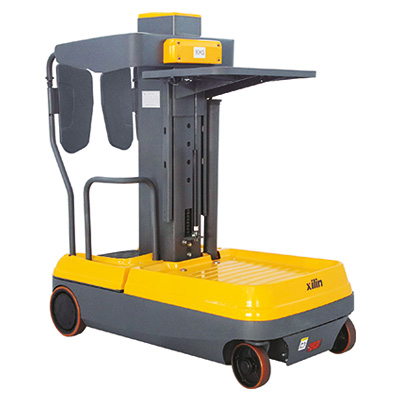 Order Picker
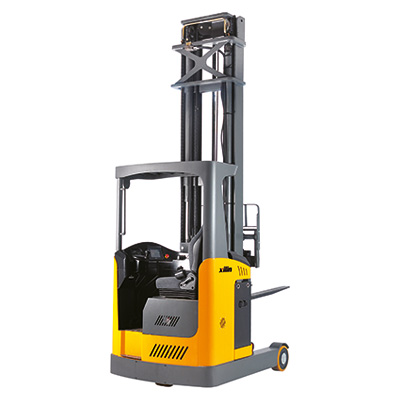 Narrow Aisle Truck
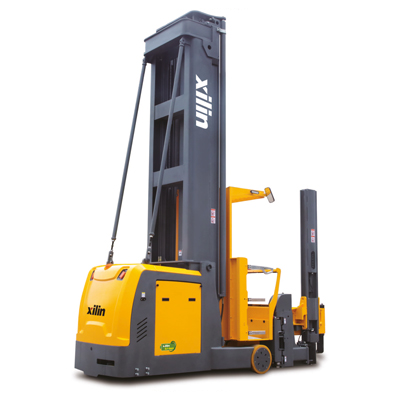 VNA Tri-Lateral Stacker
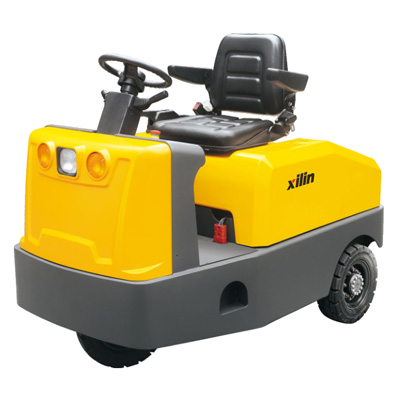 Tow Tractor
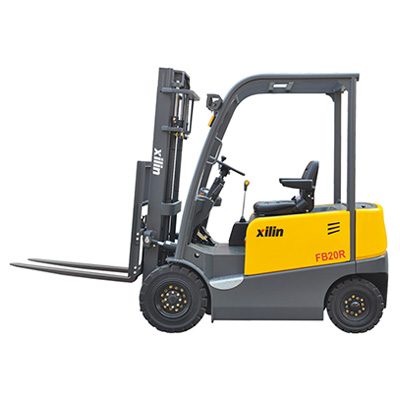 Electric Forklift
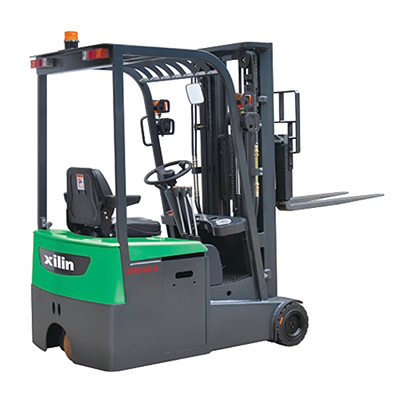 Lithium-ion Truck
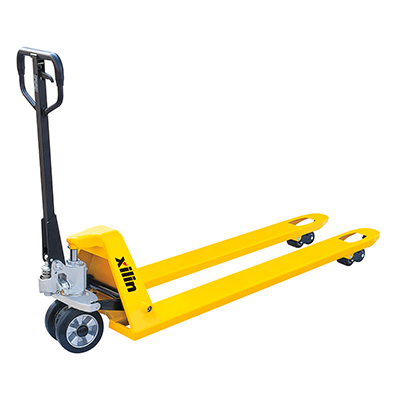 Hand Pallet Truck
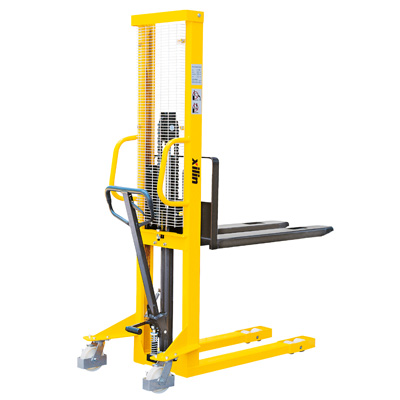 Manual Stacker
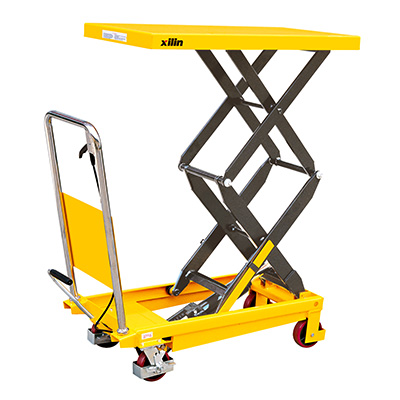 Lift Table
Content
- 1 What an AGV lift truck really is
- 2 When automated pallet handling pays off and when a driver still wins
- 3 The numbers that decide the case
- 4 Specifying the truck body: what the automation kit cannot fix
- 5 Energy and uptime decide the real throughput
- 6 High lift and narrow aisle work: prove the platform first
- 7 A staged rollout that survives contact with the floor
- 8 What to put in the request for quotation
- 9 The bottom line
A warehouse manager running two shifts and four walkie pallet trucks puts it the same way most people do: we are looking at an AGV lift truck for the finished goods lanes. Then the quotation arrives, and the system costs several times more than the trucks it replaces. That gap is not a pricing mistake. An AGV lift truck is a small automation project that happens to include a truck body, and most of the money goes into navigation, safety sensors, traffic control and the link to your warehouse software. The useful question is therefore not whether automated pallet handling works, but whether your lanes are repeatable enough to justify it. Where they are, start with one lane and a truck platform that is already proven. Where they are not, a well chosen electric pallet truck or stacker will move more pallets per unit of budget for years.
What an AGV lift truck really is
An AGV lift truck, also described as an automated guided forklift or an unmanned pallet truck, is an industrial truck that travels, steers and lifts without a driver on board. It carries the same forks, mast, hydraulic package and load wheels as the truck it is based on. What changes is the control layer: scanners and encoders replace the operator's eyes and hands, and a fleet controller replaces the supervisor who decides which truck goes where.
Suppliers reach that result by three different routes. One is a purpose built unmanned chassis with no cab. Another is a standard electric pallet truck or stacker fitted with a navigation and safety kit, which is usually the fastest route to a dependable machine because the mechanics are already proven. A third is a dual mode truck that a person drives during the day and the fleet controller dispatches at night.
Magnetic tape or floor markers define a fixed path. They are inexpensive, repeatable and easy to diagnose, but every new route means new tape. Laser based natural navigation needs no floor infrastructure, so layouts can change, but it depends on stable features such as walls and racking and costs more per vehicle. Either way, four subsystems must be specified together: drive and steering, lift function, safety package with scanners and emergency stop, and the energy system. A truck that is excellent in three of them and weak in the fourth stops the whole lane.
When automated pallet handling pays off and when a driver still wins
The short answer: automation wins on repeatable, high frequency, medium distance flows that run across two or three shifts inside a controlled area. A person wins on mixed tasks, irregular loads and layouts that change every quarter.
- The same pallet type travels the same route at least 80 to 150 times per shift.
- The operation runs two or three shifts, so labour is the largest single cost in the flow.
- Aisle widths are consistent and loading points sit at a fixed, repeatable height.
- Pallets are closed, square and undamaged, and stacks are straight.
- The warehouse system already knows the job, so tasks can be issued as data rather than by a person walking behind the truck.
Reasons to wait are just as concrete:
- Mixed pallet sizes, broken boards or stretch film tails that snag the forks.
- Ramps, dock plates, uneven expansion joints, or wet and dusty floors.
- Layout changes every season, or peaks handled by temporary staff and rented trucks.
- No in house maintenance, and a long distance to the nearest service engineer.
- A single shift operation, where an unmanned truck would stand idle most of the day.
Pallet quality is the quiet deal breaker
In projects that stall, the vehicle is rarely the problem. A pallet with a broken bottom board catches the fork, the load sits off centre, and the task aborts. Budget for pallet inspection and for removing rejects from the automated lane before you budget for vehicles. That is also why the first lane should be a flow where you control the pallets, not one where every pallet arrives from somewhere else.
The numbers that decide the case
| Option | Indicative budget index | Operator on board | Typical fit |
|---|---|---|---|
| Manual pallet truck | 1.0 | Yes, walking | Short horizontal moves, low volumes |
| Electric walkie pallet truck | 2 to 3 | Yes, walking | Multi shift horizontal transport |
| Semi electric stacker | 2 to 3 | Yes, walking | Occasional stacking to low racking |
| Full electric stacker | 4 to 6 | Yes, walking or riding | Regular stacking, low to medium lift |
| Electric reach truck | 8 to 12 | Yes, seated | Narrow aisle, high racking |
| AGV lift truck, fixed path | 15 to 25 | No | One repeatable lane, two to three shifts |
| AGV lift truck, free navigation | 25 to 40 | No | Several lanes with mixed traffic |
The break even point sits in those last two rows. Divide the system price by the fully loaded annual cost of the shift you remove, then add integration work and the pallet discipline the lane will need. Two further figures matter as much as price. Availability should be scheduled above 90 percent of the shift length to compete with a driver, and the intervention rate, meaning how often a person must walk over to the truck, should stay in the low single digits per thousand tasks.
Specifying the truck body: what the automation kit cannot fix
The navigation kit decides where the truck goes. It does not change what the truck can safely carry. Rated capacity applies at a defined load centre, usually 600 mm from the fork face. A closed 1200 x 1200 mm pallet, an over long fork or a load that shifted in transit all move the centre of gravity forward and reduce safe capacity. Ask for the derating curve, not only the headline figure.
Four other points deserve the same attention:
- Fork length and width, matched to the deepest pallet in the flow.
- Wheel type and floor pressure, because a hard wheel on a cracked floor fails long before the motor does.
- Lift height and free lift, so the mast clears door frames and low beams.
- Sealing and surface finish, where washdown or food handling applies.
Projects that run on time almost always start from a truck body that is already in the fleet and already understood by the maintenance team. Retrofit kits are built around exactly those platforms.
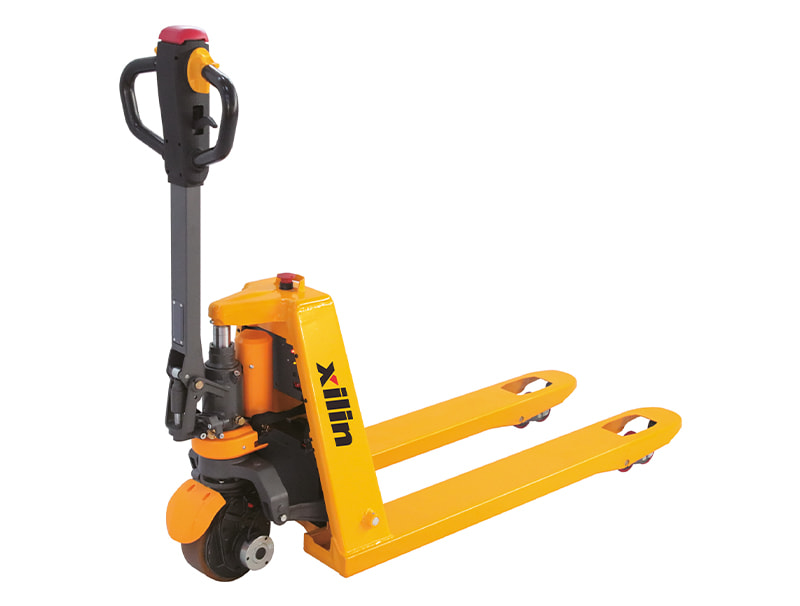
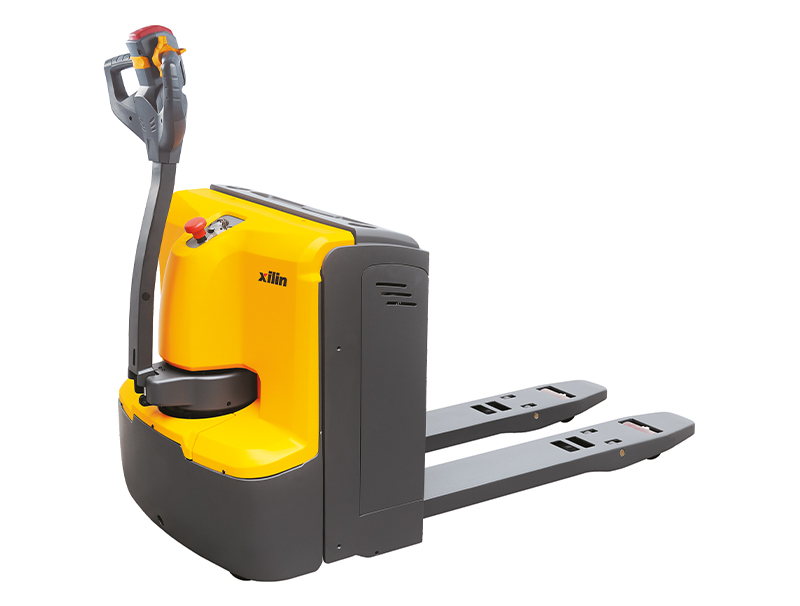
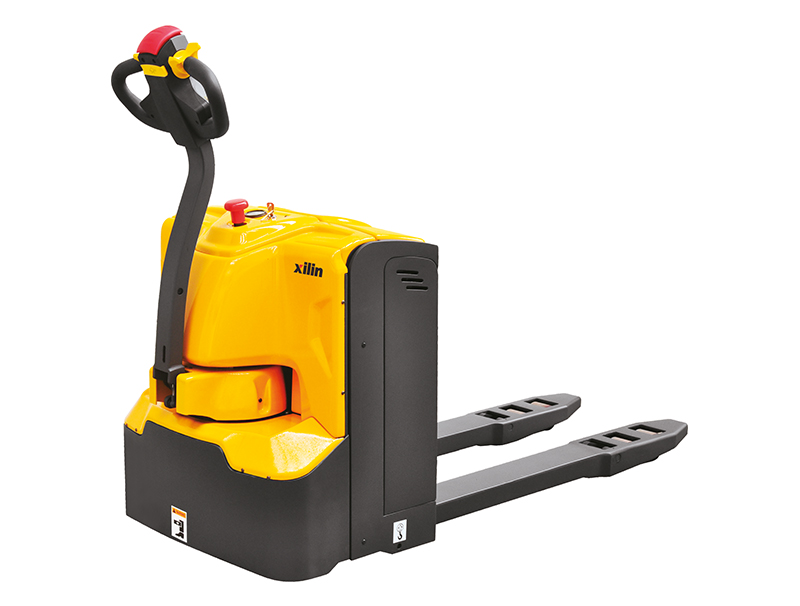
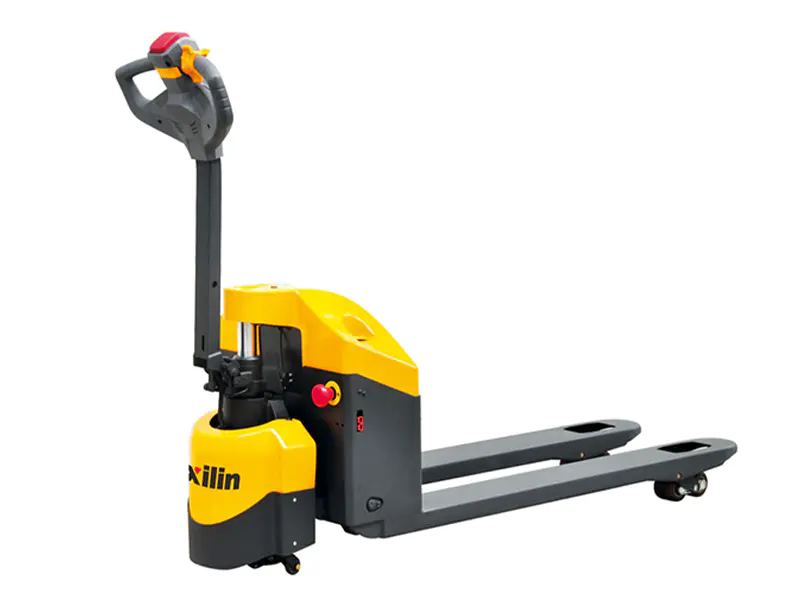 CBD15W-E and CBD20W-E Electric Walkie Pallet TrucksCompact electric walkie pallet trucks with 1500/2000 kg capacity, 24V battery options and maintenance-oriented balance wheel, suited to narrow aisles and container work.View Product →
Energy and uptime decide the real throughput
An unmanned truck does not take breaks, but it can still run flat at two in the morning. Battery strategy is the difference between a lane that runs 18 hours and one that runs 22.
Lead acid batteries remain the cheapest purchase, and they also need watering, ventilation and a charge and cooling cycle that often means one battery per shift or a swap station. Lithium packs with an integrated battery management system change that arithmetic. They accept opportunity charging during short natural gaps, need no watering or gas extraction, and can be recharged in roughly one to two hours without harming cycle life. For an unmanned fleet, the simpler energy route is the one that keeps the truck available with nobody present to change anything.
Energy choice also affects the building. Removing a battery room or charger bank frees floor space and simplifies ventilation, which matters most in food and pharmaceutical sites where exhaust emissions are not acceptable indoors.
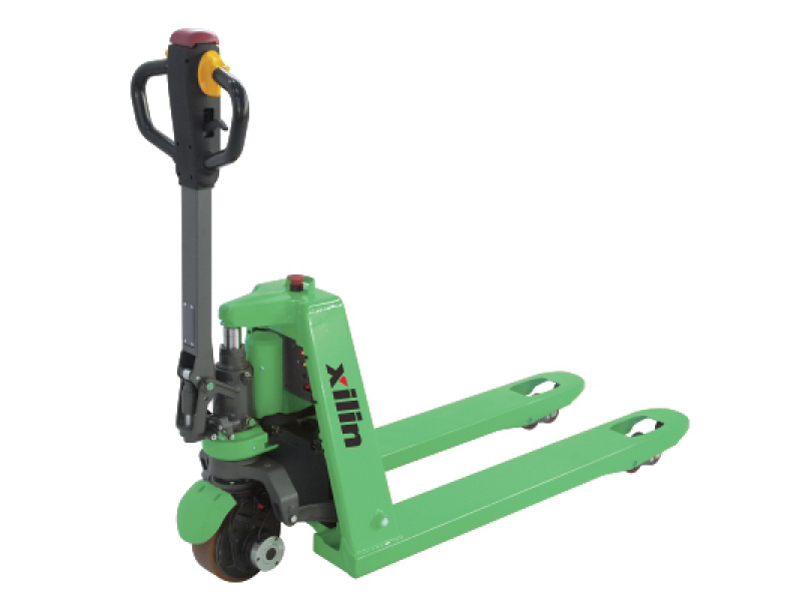 CBD15 Lithium-Ion Electric Pallet TruckA 1500 kg lithium-ion electric pallet truck with 24V/20Ah battery, relevant where food or pharmaceutical sites need indoor handling without exhaust emissions.View Product →
High lift and narrow aisle work: prove the platform first
Once the fork carriage goes above roughly three metres, automation needs more than navigation. Mast sway, residual capacity at height, fork levelling and tip detection start to matter, and the cost of a mistake rises with every metre. Reach trucks, very narrow aisle machines and man up order pickers are the least forgiving trucks to automate, and the ones where an established mechanical platform pays off most.
A sensible order is horizontal transport first, then low level stacking, then high racking. Many sites never need to automate the last step at all. If the racking is served by one reach truck on a predictable route, an operator with a camera system on the fork carriage can be the cheaper answer for years.
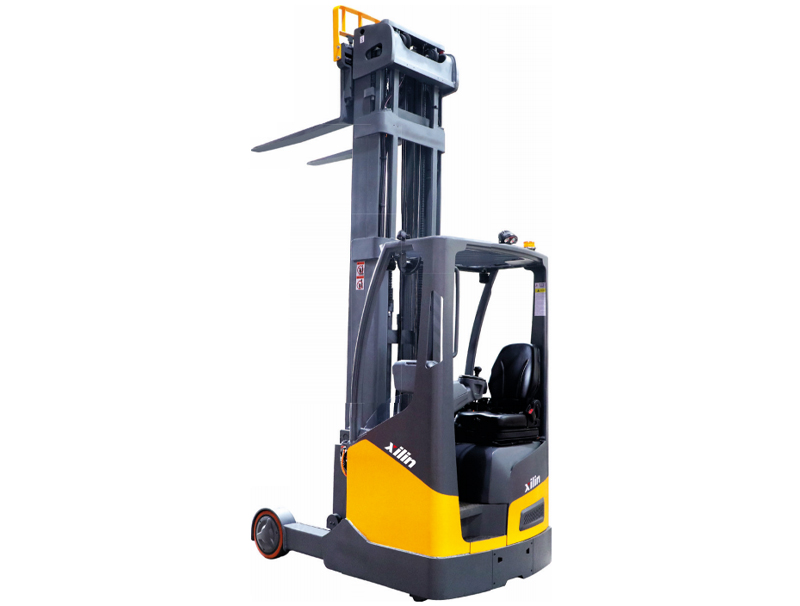
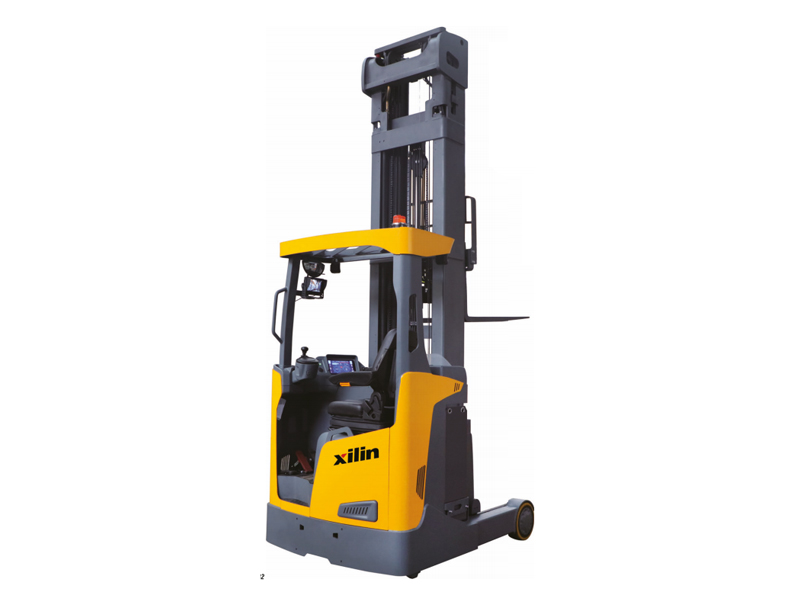
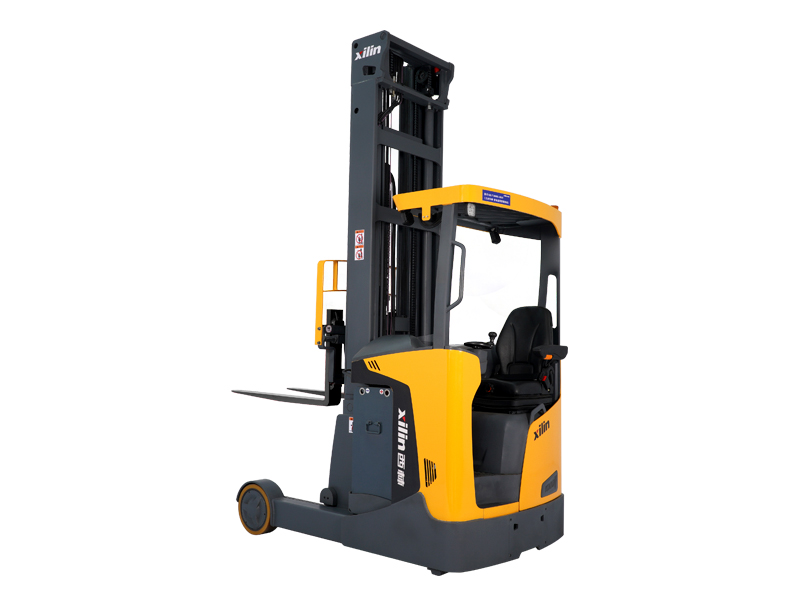
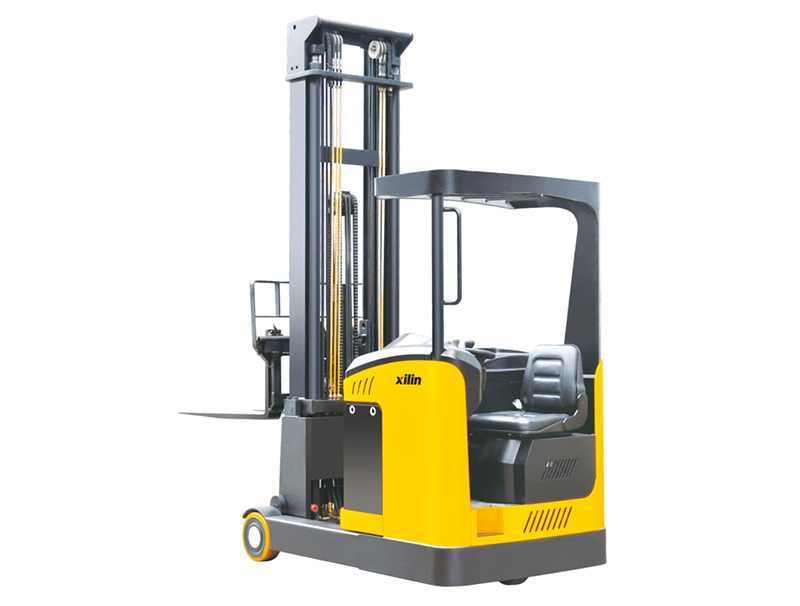 CQD15 Electric Reach Truck for High RackingA 1500 kg seated reach truck with up to 8000 mm lift and narrow-aisle cabin, relevant for high racking and drive-in applications.View Product →
A staged rollout that survives contact with the floor
- Measure, do not estimate. For two weeks, log trips per lane per shift, count rejected pallets, check true aisle widths and door clearances, and note where drivers wait.
- Standardise the flow with one pallet type per lane, marked drop points, straight stacks and a clear rule for pedestrians.
- Automate one lane and run it in parallel with manual handling for a month, recording tasks completed, interventions per thousand tasks, charging events and faults.
- Scale only when the numbers settle, then connect the fleet controller to the warehouse management system and retire manual trucks from that lane one by one.
The baseline test is simple. If a lane cannot pay back with an electric pallet truck compared with manual handling, it will not pay back with an AGV, and that comparison is the cheapest feasibility study available.
What to put in the request for quotation
A vague enquiry produces a vague price. Include the following, and ask every supplier to answer in the same order so responses can be compared.
- Lane data: start and end points, distance, number of stops, floor type and slope.
- Load data: pallet type and condition, weight range, load centre, stack height.
- Traffic: pedestrians, forklifts, doors, lifts, crossings and blind corners.
- IT: interface to the warehouse or ERP system, wireless coverage, and who maps the locations.
- Energy: shifts per day, available charging windows and power points.
- Safety: the risk assessment method to be used, and whether the lane will be fenced or use virtual zones.
- Service: response time, spare parts holding, remote diagnostics and operator training.
- Acceptance: a written test run, such as a defined number of consecutive tasks completed without operator intervention.
The bottom line
An AGV lift truck is a systems purchase, and the truck is the least difficult part of it. It earns its place in a lane that is repetitive, busy across two or three shifts, and fed by clean standard pallets. Fix the process and the pallet supply first, choose a truck body already proven in your own fleet, and automate one lane before you commit a building. Where the flow is irregular, a carefully specified electric pallet truck, stacker or reach truck remains the better investment, and it does not close the door on automation later, because the machine underneath is the same.