 英语
 西班牙语
 德语
 法语
 俄语

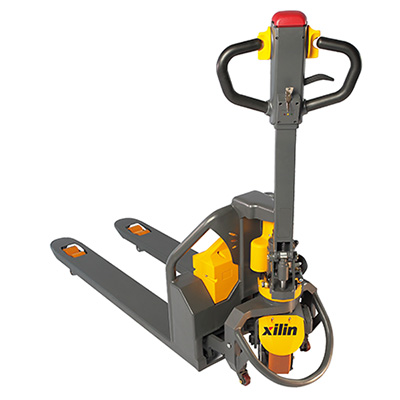 Electric Pallet Truck
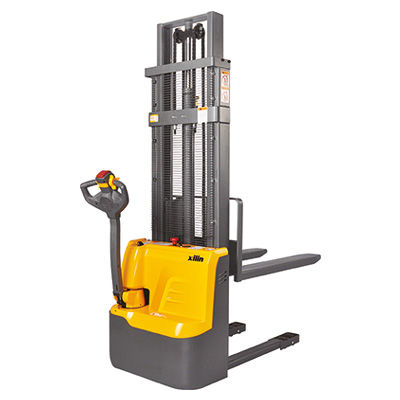 Electric Stacker
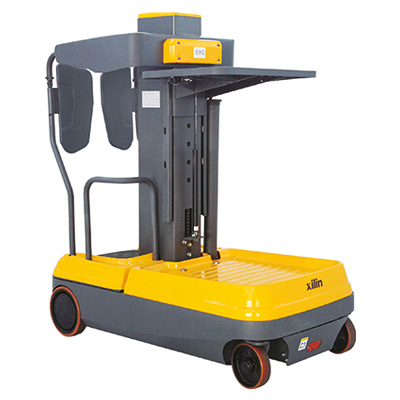 Order Picker
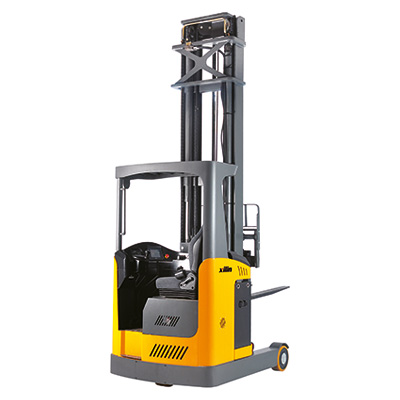 Narrow Aisle Truck
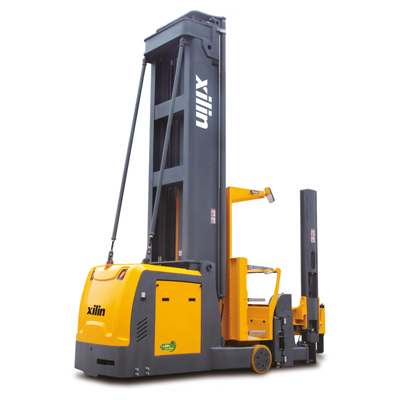 VNA Tri-Lateral Stacker
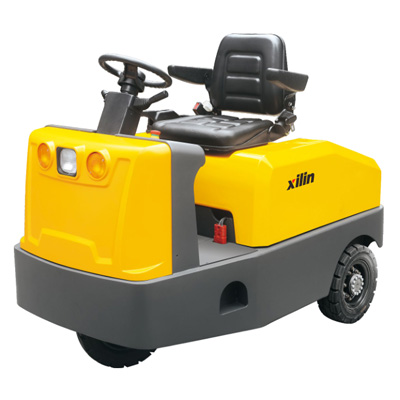 Tow Tractor
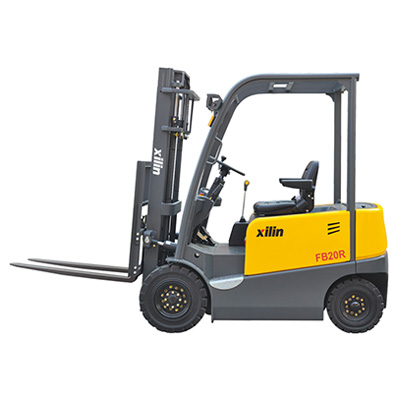 Electric Forklift
 Lithium-ion Truck
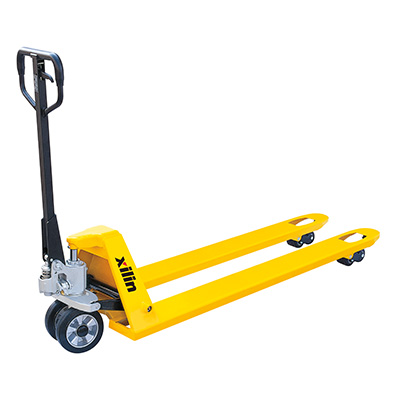 Hand Pallet Truck
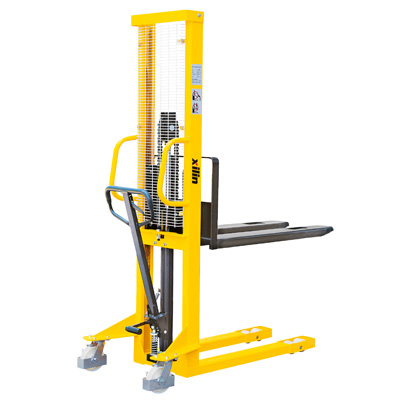 Manual Stacker
 Lift Table

Content
- 1 What Forklift Forks Are and How They Carry Load
- 2 Match the Carriage Class Before Comparing Price or Capacity
- 3 Load Center and Derating: The Number Buyers Forget
- 4 Steel Quality, Heat Treatment, and the 10 Percent Heel Rule
- 5 How Forks Differ Across Pallet Trucks, Stackers, Reach Trucks, and VNA
- 6 An Inspection Routine That Catches Problems Before Failure
- 7 A Short Procurement Checklist for Replacement Forks
A fork with 10 percent of its heel thickness worn away is no longer the fork described on the truck capacity plate, even if the blade still looks fine. That is the first thing to understand about forklift forks: they are rated structural components and consumable wear parts at the same time. Specify them by carriage class, blade dimensions, rated capacity at a stated load center, and the steel and heat treatment behind that rating. Keep them in service by measuring the heel, checking the hooks, and refusing any welded repair. The rest, including finish and price per pair, matters far less than those four points.
What Forklift Forks Are and How They Carry Load
A fork is a cantilever. The load sits on the horizontal blade, the bending moment peaks at the heel where the blade meets the shank, and the force travels up the shank through the top and bottom hooks into the carriage, the mast, and finally the chassis. Every part of that path is sized for a stated capacity at a stated load center, which is why a fork cannot be judged on blade length alone.
Production forks are usually forged or rolled from purpose-made high-strength steel, quenched and tempered, with the blade surface induction hardened for wear resistance while the shank stays tougher for impact. A medium-carbon alloy such as 40Cr or 42CrMo is common in Chinese production, but the grade matters less than the process control behind it, because heat treatment decides both the rated capacity and how quickly the heel wears.
The terminology is worth fixing early. The shank is the vertical part, the blade is the horizontal part, the tip is the tapered entry end, and the heel is the radius between blade and shank. Hook-on forks hang from the carriage on two hooks, while shaft-mounted forks slide onto a bar and lock with pins. Pallet truck forks are integral to the chassis and are not interchangeable with forklift forks at all.
Match the Carriage Class Before Comparing Price or Capacity
Forklift forks are grouped by ITA class, and each class fixes the shank height, the hook spacing, and the hook width so that forks interchange across carriages of the same class. A Class II fork will not seat correctly on a Class III carriage, whatever the capacity label says. Classes I to IV broadly follow truck capacity, from small warehouse machines up to heavy counterbalance models, but the only reliable source is the carriage drawing or the stamping on the existing set.
Measure the old forks before ordering: shank height, vertical distance between hook seats, hook width, blade thickness, blade width, blade length, and the locking method. For shaft-mounted forks, also record the shaft diameter and pin spacing. Two details cause most returns, the fork spread needed for the pallet entry width, and whether the carriage uses quick-change or bolt-on stops.
| Field | What to record | Why it matters |
|---|---|---|
| ITA class | Class I to IV, as marked on the carriage | Fixes shank height and hook spacing, and decides whether the fork fits at all |
| Blade size | Width x thickness in mm | Thickness sets bending strength and the wear allowance at the heel |
| Blade length | mm from heel to tip | A longer blade pushes the load center forward and reduces usable capacity |
| Capacity and load center | kg at a stated mm | A capacity figure without a load center is not a rating |
| Mounting and spread | Hook or shaft, locking type, spread in mm | Controls pallet entry, lateral stability, and changeover time |
| Steel and marking | Grade, heat treatment, stamped rating | Gives traceability for audits, insurance, and incident investigation |
Load Center and Derating: The Number Buyers Forget
Capacity is meaningless without a load center. A fork rated 2,500 kg at 500 mm carries about 2,080 kg when the same load sits at 600 mm, because the heel resists bending moment, and moment is load multiplied by distance. The load center is measured from the front face of the shank to the center of gravity of the load, not to the middle of the pallet, and it grows whenever a load overhangs, a pallet is loaded off-center, or an attachment pushes the load forward.
Two consequences follow in practice. First, a longer fork buys reach at the cost of capacity, so fitting 1,200 mm blades on a truck rated with 1,070 mm blades quietly derates the whole machine. Second, the truck plate and the fork stamp are separate ratings. Side shifters, rotators, and fork positioners all move the combined center of gravity forward, and the truck manufacturer attachment rating, not the fork stamp, governs what can be lifted. As a rough working figure, every extra 100 mm of load center on a 500 mm rated fork removes about 15 percent of capacity.
Steel Quality, Heat Treatment, and the 10 Percent Heel Rule
Wear concentrates at the heel and along the top of the blade, which is why blade surfaces are hardened, typically into the 40 to 50 HRC range, while the shank keeps enough toughness to absorb impacts that would chip a fully hardened part. A fork that is hard everywhere chips, and a fork that is soft everywhere wears out in months. That balance is a process question, so ask for the steel grade, the heat treatment sequence, and the hardness check record instead of a brochure claim.
Discard criteria are well established. ISO 5057 and ANSI/ITSDF B56.1 are the usual references: a fork comes out of service when heel thickness is reduced by 10 percent of the original, when cracks appear at the heel or hooks, when the blade is bent or twisted beyond tolerance, or when hook wear prevents proper seating on the carriage. Welding, heat straightening, or building up a worn heel is never acceptable, because the heat input destroys the original treatment and creates brittle zones exactly where the bending moment is highest.
How Forks Differ Across Pallet Trucks, Stackers, Reach Trucks, and VNA
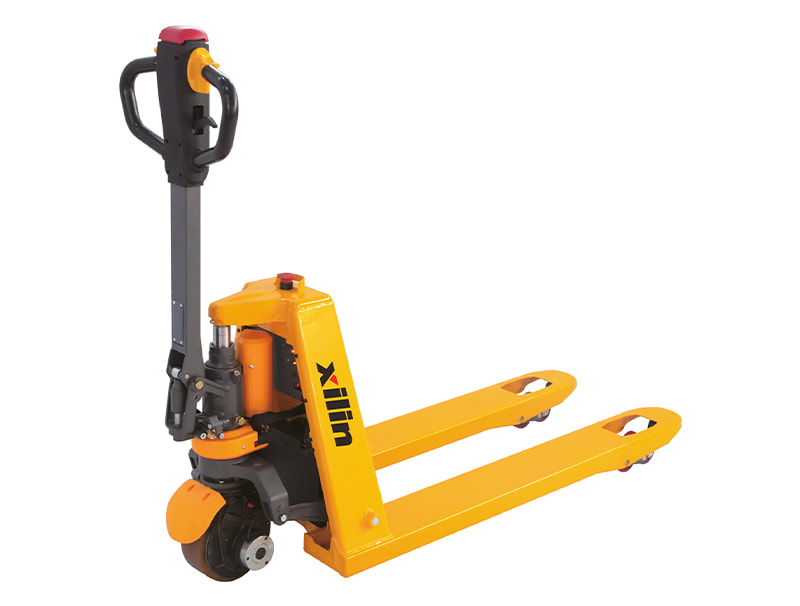
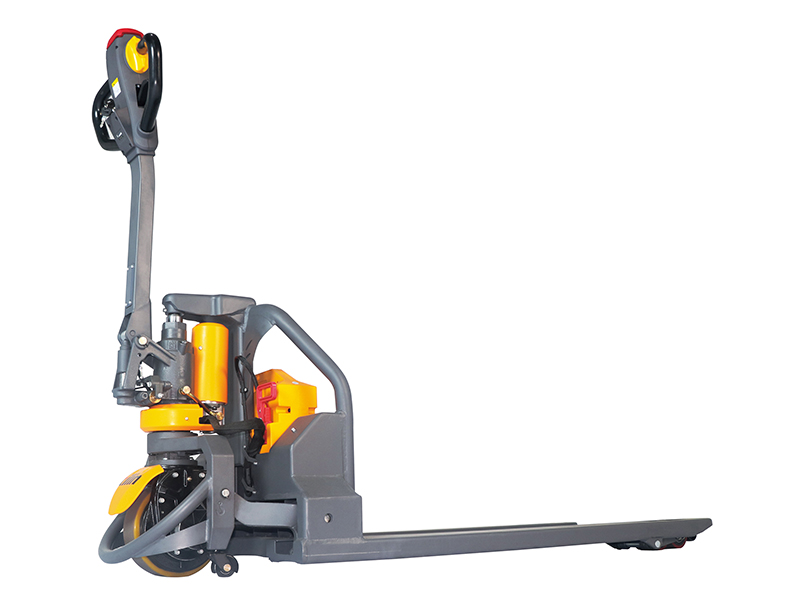
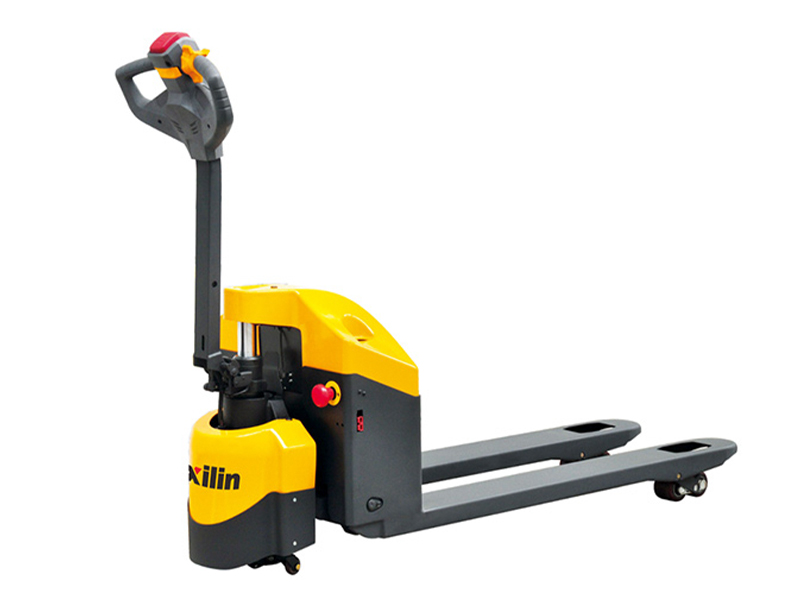
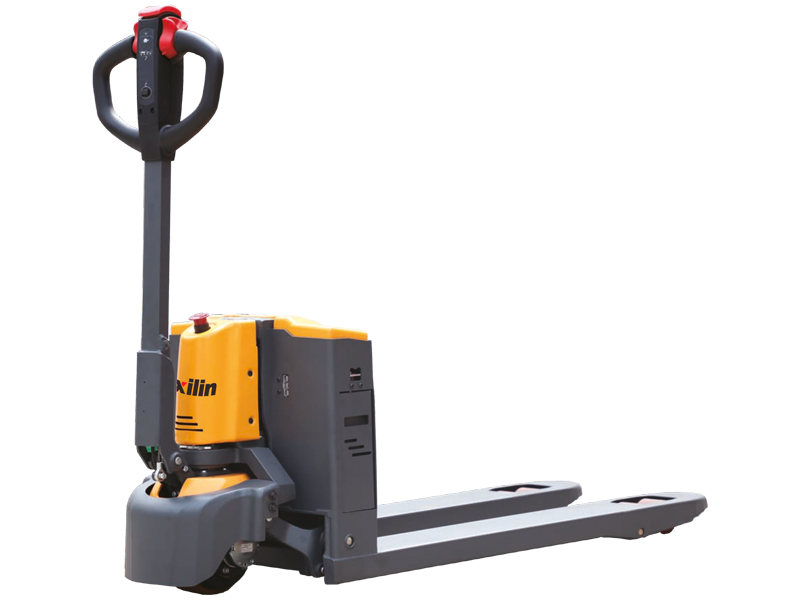
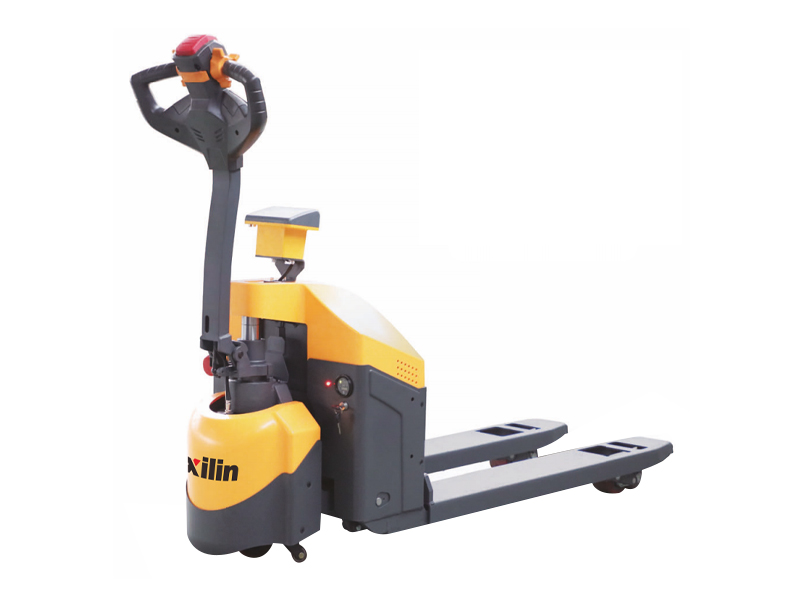
On hand and electric pallet trucks the forks are integral. Their limits are the load rollers, the heel radius, and the entry height rather than a hook-on rating, so inspection focuses on roller wear, bent tips, and hydraulic lift quality. On stackers the forks are usually hook-on or fixed to a lifting carriage, and entry height plus mast stability, not blade length, define the working envelope.
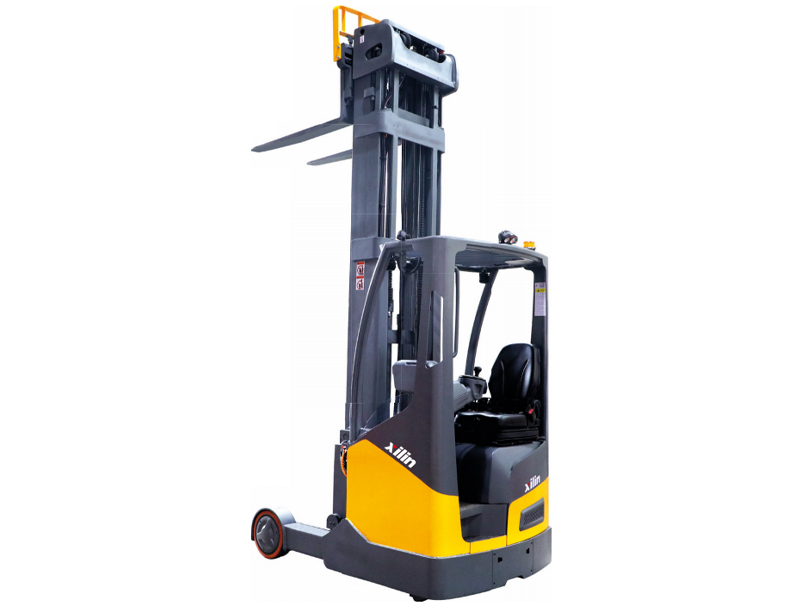
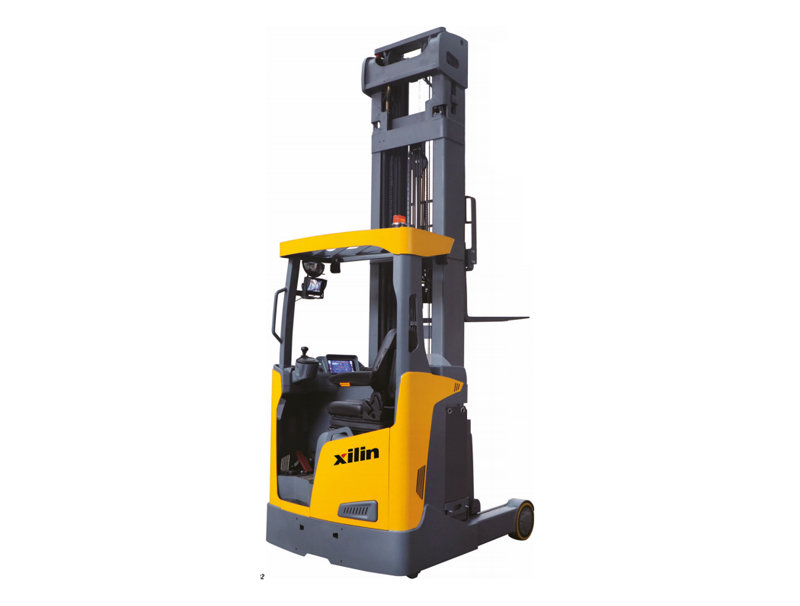
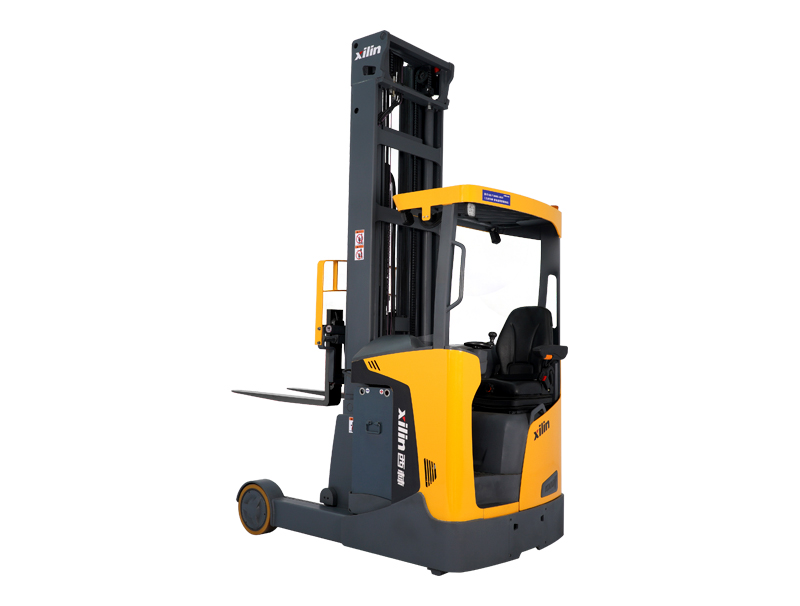
Reach trucks add a moving carriage. When the reach is extended, the effective load center grows by the reach stroke, and the residual capacity chart on the truck already accounts for that. Forks with the wrong blade thickness change the calculation, which is why fork replacement on a reach truck should be checked against the truck chart rather than the old fork stamp.
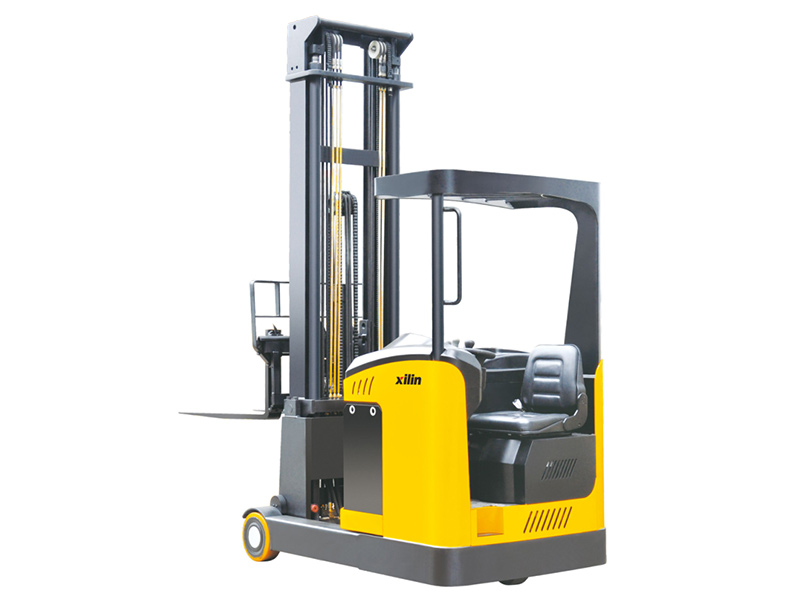 CQD15 Electric Reach Truck for Narrow Aisles and High LiftSeated 1,500 kg reach truck with lift heights to 8,000 mm; view specs when checking fork replacement against the truck's residual capacity chart.View Product →
Counterbalance electric forklifts normally use Class II or Class III hook-on forks in 1,070 mm or 1,200 mm lengths, with 100 mm wide blades of 40 mm or 45 mm thickness on the smaller classes. Heavier classes move to 125 mm by 50 mm and beyond. When the same truck also runs a side shifter or a clamp, the attachment rating overrides the fork rating.
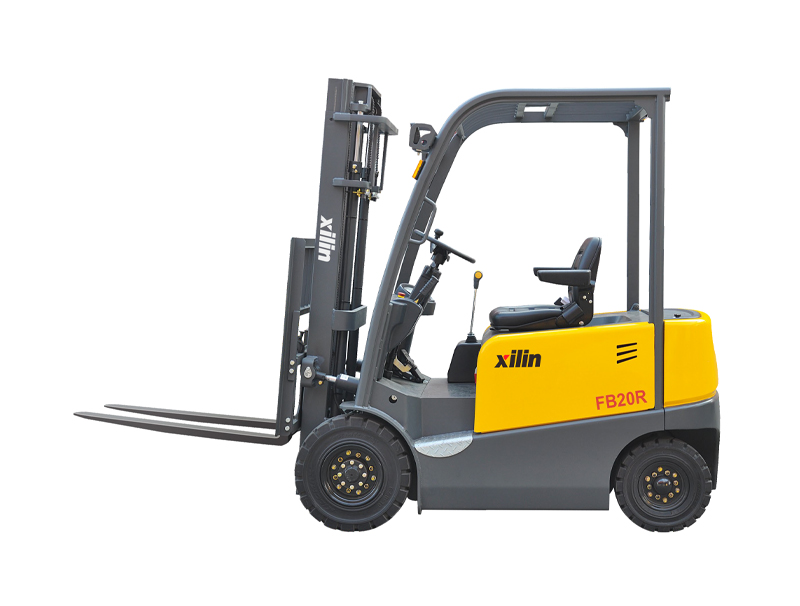 FB16R–FB35R Battery-Electric Counterbalance Forklift LineSeated counterbalance line from 1,600 to 3,500 kg with AC drive and 3,000–6,500 mm lift; check class and attachment ratings before fork replacement.View Product →
Very narrow aisle and four-directional trucks are the exception that catches buyers out. The fork head rotates, so the load center changes with head angle, and the weight of the head is a permanent load on the forks. Replacement sets for these machines should come with a head-specific rating, not a generic class rating.
An Inspection Routine That Catches Problems Before Failure
- Daily, before the shift: look for cracks at the heel, bent or uneven tips, missing stops, worn hooks, and loose locking pins.
- Monthly: measure heel thickness with a caliper at the same reference point on each fork and log it against the original figure. A 40 mm blade at 36 mm has used up its allowance.
- Quarterly: check blade straightness with a straight edge, check hook seating and carriage wear strips, and confirm the pair is still matched in length and wear.
- After any impact: inspect before the truck returns to service, and use dye penetrant at the heel if a crack is suspected.
Records matter more than the inspection itself. A fork with no history is a fork with no rating you can defend in an audit, and pairing a new fork with a worn one loads the carriage unevenly. Stamp class and capacity on every fork, keep pairs together, and treat impact damage as a rating event, as described in the site guidance on preventing forklift damage during daily operation.
A Short Procurement Checklist for Replacement Forks
- Record the carriage class from the drawing, not from the truck model name.
- Weigh the heaviest load and measure its real center of gravity on the pallet.
- Specify blade thickness and length, then check capacity at the real load center.
- Ask for the steel grade, heat treatment record, and hardness check.
- Confirm the class and rated capacity are stamped, and that a proof load certificate is supplied.
- Keep one spare pair for trucks on critical routes, matched in length and wear.
- Confirm lead time, because a truck waiting for forks is a truck not earning.
The cheapest error in this category is buying on capacity alone. A set that is rated correctly but 100 mm too long reduces what the truck can lift, and a blade a few millimeters too thick will not enter a worn pallet cleanly.
Forks are a small line item next to a truck, and they decide how much that truck can actually lift. Start from the carriage class, work through blade dimensions and the real load center, insist on documented steel and heat treatment, then treat the set as a wear part with a measured life. The Xilin material handling range of pallet trucks, stackers, reach trucks, and electric forklifts is specified around the same logic, so replacement forks stay matched to the carriage instead of the model name, which is the only way the numbers remain honest after the first change.