 英语
英语 西班牙语
西班牙语 德语
德语 法语
法语 俄语
俄语
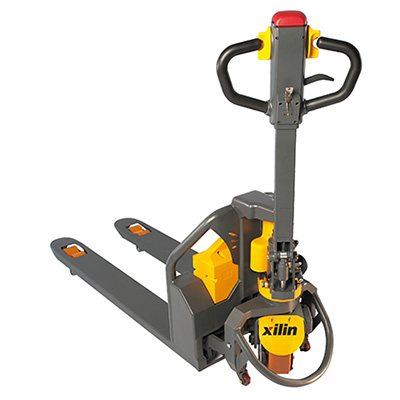 Electric Pallet Truck
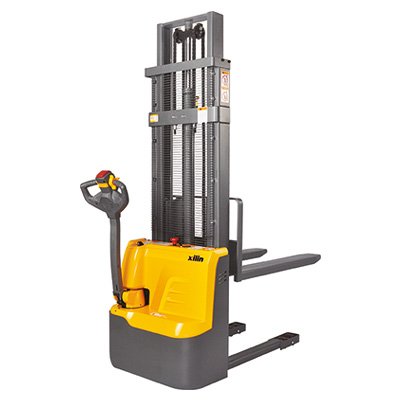 Electric Stacker
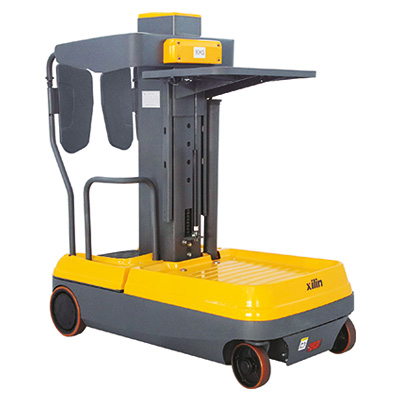 Order Picker
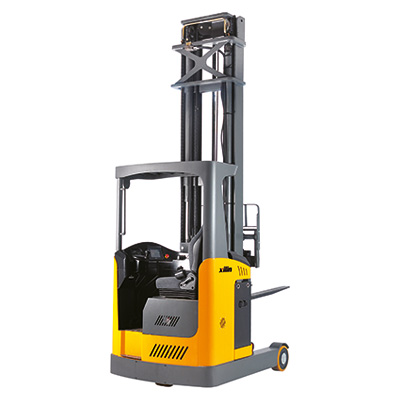 Narrow Aisle Truck
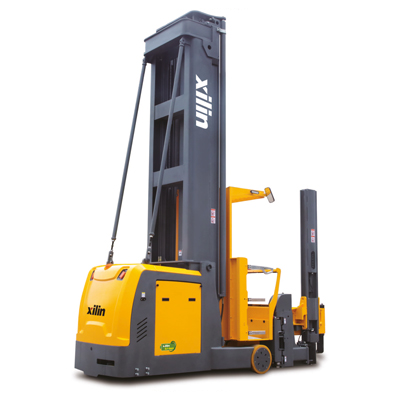 VNA Tri-Lateral Stacker
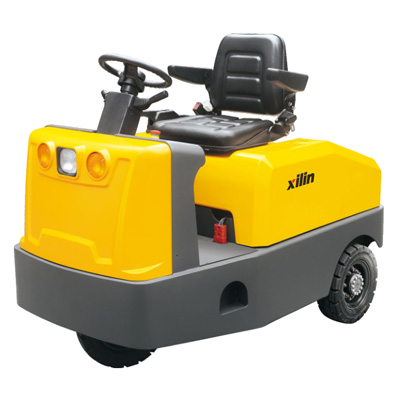 Tow Tractor
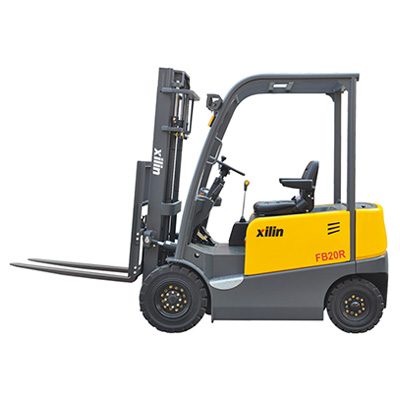 Electric Forklift
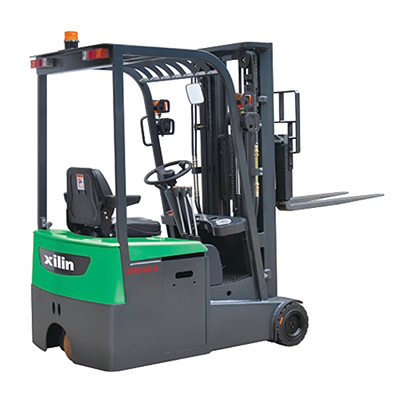 Lithium-ion Truck
 Hand Pallet Truck
 Manual Stacker
 Lift Table
Content
- 1 How the Third Wheel Changes the Chassis
- 2 Turning Radius and Aisle Width: Where Three Wheels Win
- 3 Stability and Capacity: What Wheel Count Does Not Decide
- 4 Floors, Ramps and Outdoor Work
- 5 Safety and Operator Confidence
- 6 Purchase Price, Battery and Running Costs
- 7 Three Wheel and Four Wheel Forklifts Side by Side
- 8 A Practical Checklist Before You Sign
- 9 Mistakes That Show Up After Delivery
A right angle stack in a 3.2 m aisle settles most arguments about wheel count faster than any brochure. Load a 1.2 m pallet onto a four wheel counterbalance truck and the rear counterweight needs room to swing; the same pallet on a three wheel truck usually clears the racking in one movement. Repeat that movement several hundred times a shift and the difference stops being a preference and becomes a productivity number.
The short answer, before the detail: choose three wheels when loads stay moderate, the floor is smooth and the aisles are tight. Choose four wheels when loads get heavier, lift heights rise, or the truck has to work outdoors and on ramps. Everything below explains why that split holds up in practice and where it breaks down.
Three inputs decide most real cases:
- Aisle width and the pallet length you handle every day
- Weight lifted at the highest point of the route, not at ground level
- Floor condition, ramp gradients and whether the truck leaves the building
How the Third Wheel Changes the Chassis
A three wheel electric forklift carries two drive wheels at the front and a single steer wheel at the rear, or a pair of small steer wheels in one housing. The support points form a triangle. A four wheel truck has two front drive wheels and two rear steer wheels on a wider track, and the rear axle often articulates so all four tyres keep contact over slight floor variation.
That geometry explains the behaviour. The triangle pivots more tightly because there is no second rear wheel dragging through the corner. The same triangle also means the centre of gravity moves closer to the tipping line when the load is raised or the truck turns at speed. The rectangle of a four wheel chassis carries weight further from that line, which is why two trucks with the same nominal tonne rating can feel entirely different behind the wheel.
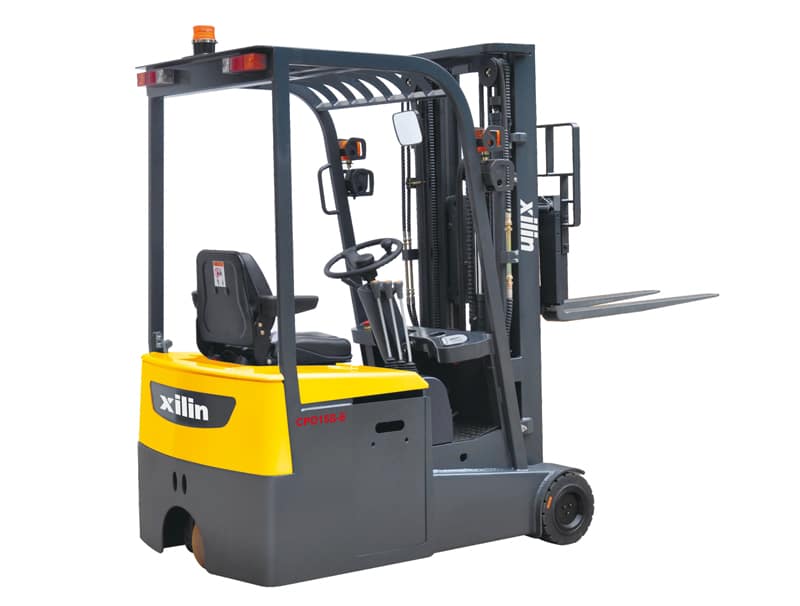 3 Wheel Electric ForkliftCPD15S-E Wide View MastView Product →
Compacts like the ones in that range are built around a short rear end, which is exactly what makes them useful in dense racking. The trade is that the rear steer tyre carries a heavy share of the weight and wears faster on long travel routes.
Turning Radius and Aisle Width: Where Three Wheels Win
In compact electric counterbalance classes, a three wheel truck commonly turns within a radius of about 1.5 to 1.8 m, while a comparable four wheel truck needs roughly 2.0 to 2.4 m. The rear of the three wheel machine also sits closer to the fork face, often around 1.8 m against 2.3 m on a four wheel truck. That single dimension decides how much room the counterweight needs during a right angle stack.
A workable estimate for the right angle stacking aisle is turning radius plus pallet length plus 300 to 500 mm of clearance for racking tolerance and operator error. A 3.0 m aisle handling 1.2 m pallets therefore suits a three wheel truck in most layouts. Add 400 to 500 mm and the four wheel option becomes realistic, but only if the operator can complete the stack without a second movement.
Measure the aisle as it exists, not as it appears on the drawing. Guard rails, protruding columns, sprinkler piping and pallet overhang all reduce usable width, and a truck that turns in an empty aisle can still fail against racking uprights once the racking is loaded.
Stability and Capacity: What Wheel Count Does Not Decide
Rated capacity comes from the counterweight, the mast and the load centre, not from the number of wheels. The data plate lists capacity at a stated load centre, usually 500 mm or 600 mm, and residual capacity falls as the load is raised. Comparing two trucks by tonne rating alone hides the part that matters most.
Three wheel trucks typically sit in the 1.0 to 2.0 tonne class, with a few designs reaching higher. Four wheel counterbalance electric trucks commonly cover 1.5 to 3.5 tonnes, and heavier classes go well beyond. Above roughly 3 m of lift, or with long or off centre loads, the wider footprint is a clear advantage. Below 2 m, with standard pallets, the difference is small enough that aisle width should decide the purchase.
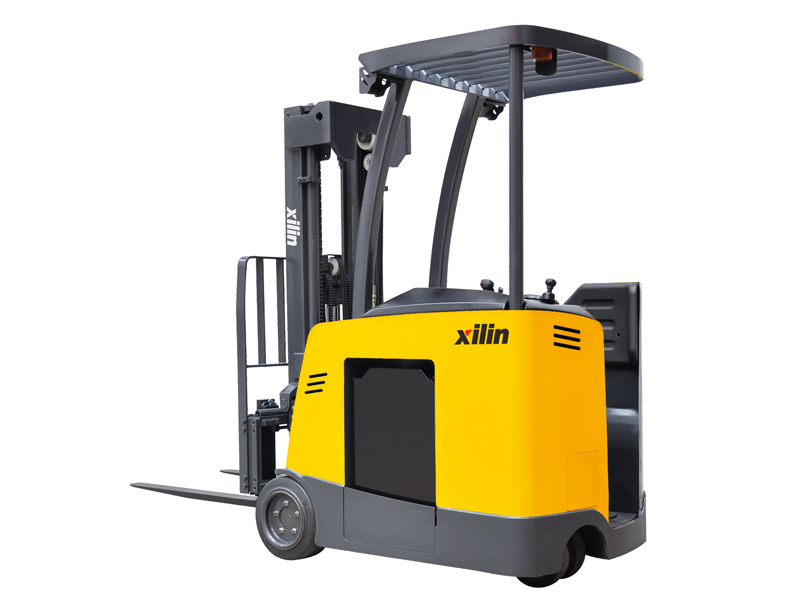 Stand-up Counterbalance ForkliftMast Data(CPD20SR-16 18)View Product →
One habit worth building: always request the residual capacity table at your actual lift height. A truck rated at 2.0 tonnes at ground level may be rated far lower at 4.5 m, and that number is the one the operator works with every day.
Floors, Ramps and Outdoor Work
A three wheel truck concentrates load on a single steer tyre, so floor joints, drainage channels and expansion gaps cause more rocking than they would under a four wheel chassis. On ramps the triangular support pattern shifts weight in a way that feels less predictable, particularly when travelling loaded downhill.
Four wheel trucks with dual rear tyres handle dock plates, ramps and uneven concrete yards with more composure. That said, no electric counterbalance truck belongs in standing water or deep mud. If the route includes a genuine yard with broken surface, the four wheel chassis is the honest choice, and the aisle that was saved by three wheels becomes an obstacle rather than an advantage.
Safety and Operator Confidence
Tail swing is the first thing to train for on a three wheel truck. The rear of the machine moves outward as the steering wheel turns, and it moves further than most new operators expect. Marked pedestrian lanes, mirrors at blind corners and a strict rule against turning with a raised load cover most of the risk.
Modern electric trucks of both layouts include automatic deceleration when the tiller or steering is released, electromagnetic parking brakes and stability control. Features such as an emergency brake and anti rollover protection are worth checking on the datasheet rather than assumed, because they vary by model and market.
Operator confidence matters more than specification. A driver who trusts the truck will work closer to its limits, and one who does not will slow the whole shift down. Rent both layouts for a week on the same route before committing to a fleet order.
Purchase Price, Battery and Running Costs
Three wheel trucks usually cost less to buy, weigh less and consume slightly less energy in stop and start cycles. They also carry fewer tyres, though the single steer tyre may be replaced more often. Four wheel trucks cost more upfront and have more steering components, but they spread wear across four tyres and generally tolerate heavier duty cycles.
Battery choice affects the calculation as much as wheel count. Lead acid packs suit single shift operations with a dedicated charging room, while lithium packs allow opportunity charging during breaks and can remove the need for a second battery per truck. Match the charger to the shift pattern before comparing prices, because a cheaper truck that cannot complete two shifts is not cheaper at all.
Three Wheel and Four Wheel Forklifts Side by Side
| Factor | Three wheel | Four wheel |
|---|---|---|
| Turning radius | About 1.5 to 1.8 m | About 2.0 to 2.4 m |
| Right angle stacking aisle | Narrower, suits tight racking layouts | Needs roughly 400 to 500 mm more width |
| Typical capacity | 1.0 to 2.0 tonnes | 1.5 to 3.5 tonnes and above in heavier classes |
| Stability at height | Lower, triangular support pattern | Higher, rectangular support pattern |
| Floor and outdoor use | Best on smooth internal concrete | Handles ramps, dock plates and uneven yards |
| Tyres and maintenance | Fewer tyres, faster steer tyre wear | Four tyres, more even wear |
| Best suited to | Indoor pallet handling in dense storage | Mixed indoor and outdoor duty with heavier loads |
A Practical Checklist Before You Sign
- Measure the narrowest aisle on the full route, not the widest one in the warehouse.
- Record load weight, load centre, pallet length and the highest lift point on the route.
- Walk the route and note floor joints, gradients, door thresholds and overhead clearance.
- Request the residual capacity table at your working lift height, not the nominal rating.
- Confirm turning radius and the distance from fork face to the rear of the exact model.
- Match battery and charger to the shift pattern, and check whether opportunity charging is possible.
- Ask about tyre availability and local service response time before placing the order.
Mistakes That Show Up After Delivery
- Choosing capacity that works at ground level only, then discovering the real limit at 5 m.
- Ignoring tail swing when positioning charging stations or racking end frames.
- Buying four wheels for the yard and losing an aisle that was previously usable.
- Assuming a three wheel truck is unstable simply because it has fewer wheels.
- Skipping a trial week with the operator who will actually use the truck every day.
Wheel count is a packaging decision, not a quality ranking. The three wheel layout wins when space is the constraint and loads are moderate; the four wheel layout wins when weight, lift height or rough ground is the constraint. Get the aisle measurement, the residual capacity figure and the floor condition right, and the choice between them becomes obvious rather than debatable.
XILIN builds electric forklifts in both configurations, along with the wider material handling equipment range that supports them, so the comparison can be run against real truck dimensions rather than brochure averages.
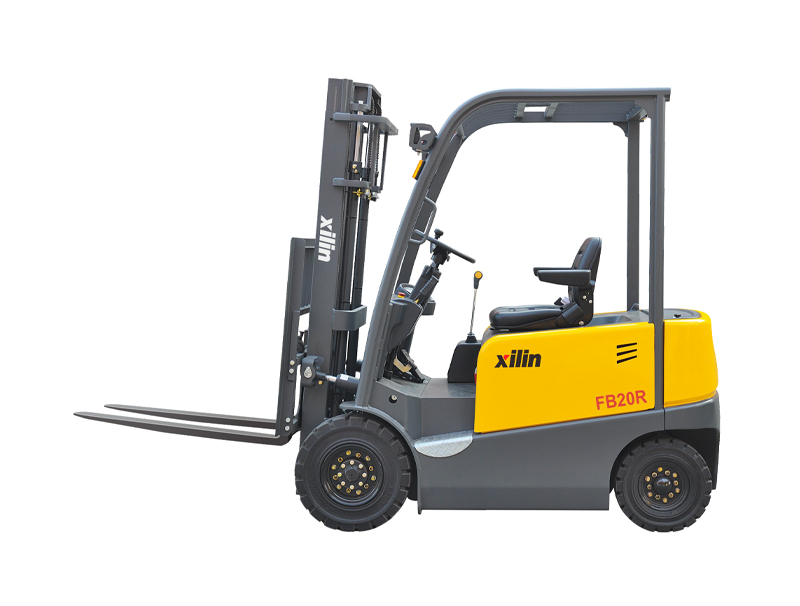 Electric Forklift TruckCPD10S-E/CPD15S-E 3 Wheel Electric Forklift 1000KG/1500KGView Product →