 英语
英语 西班牙语
西班牙语 德语
德语 法语
法语 俄语
俄语
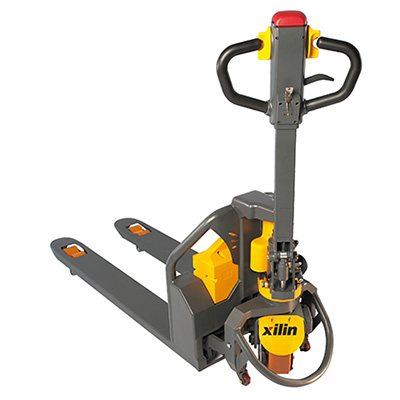 Electric Pallet Truck
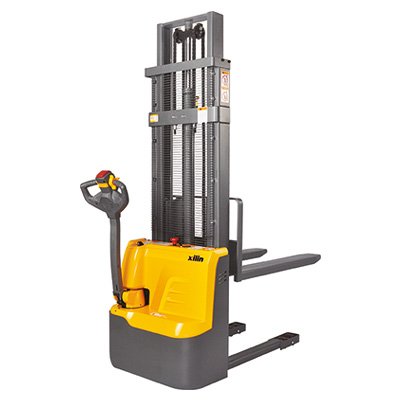 Electric Stacker
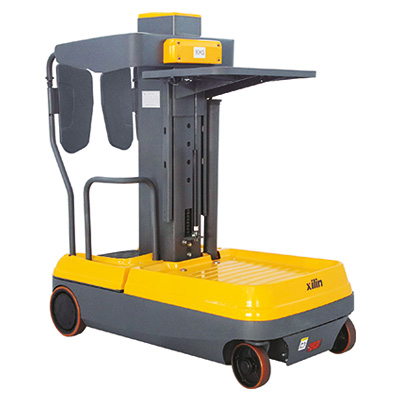 Order Picker
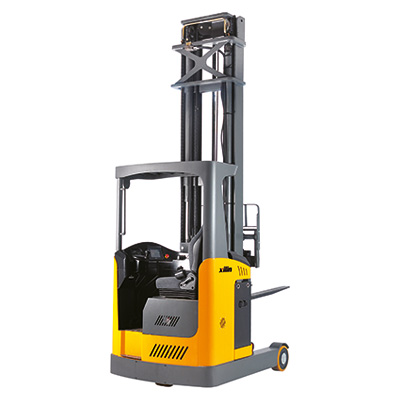 Narrow Aisle Truck
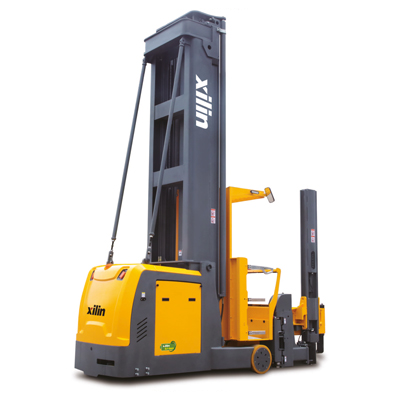 VNA Tri-Lateral Stacker
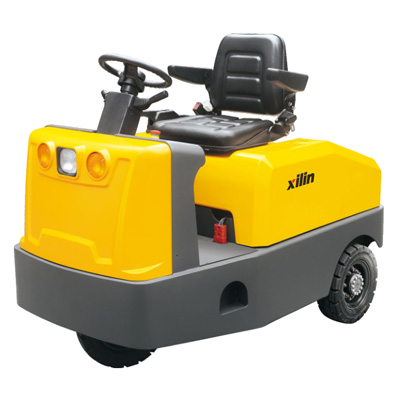 Tow Tractor
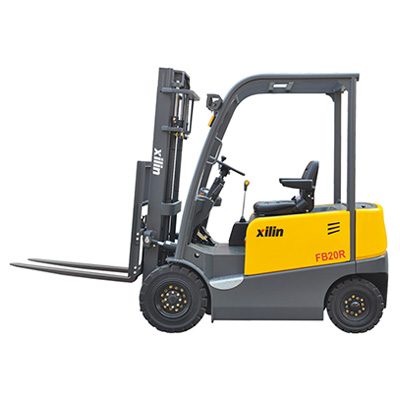 Electric Forklift
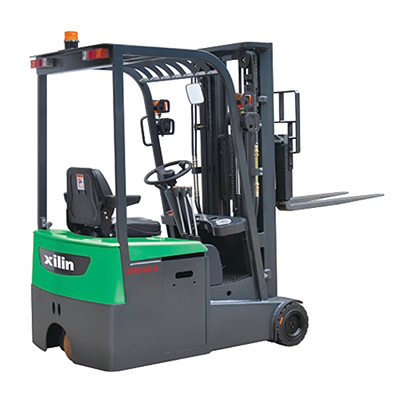 Lithium-ion Truck
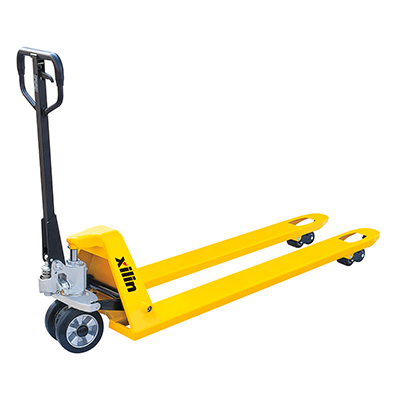 Hand Pallet Truck
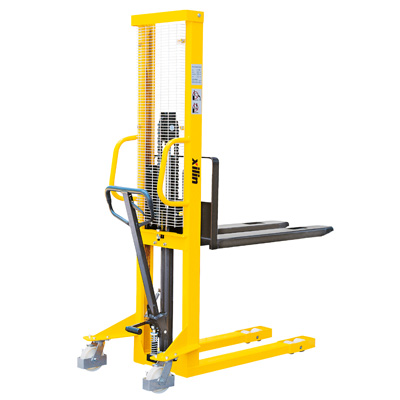 Manual Stacker
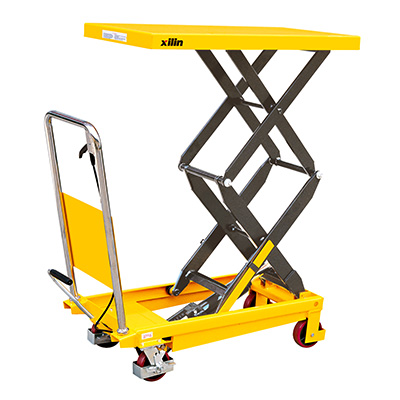 Lift Table
Content
- 1 The Seven Types at a Glance
- 2 Class I: Electric Motor Rider Forklifts
- 3 Class II: Electric Narrow Aisle Trucks
- 4 Class III: Hand and Rider Pallet Trucks and Walkie Stackers
- 5 Class IV and Class V: Internal Combustion Cushion and Pneumatic Tire Forklifts
- 6 Class VI: Electric and Internal Combustion Tow Tractors
- 7 Class VII: Rough Terrain Forklifts
- 8 Matching a Class to Your Aisle, Load and Shift
- 9 Questions Buyers Ask Most
A 4,000 square meter distribution centre with 2.6 meter aisles does not need a rough terrain forklift, and a timber yard does not need an order picker. Most bad purchases follow the same pattern: the buyer shops by brand before matching the machine class to the aisle, the load and the shift. The seven types below cover nearly every warehouse quotation, and the clues that separate them appear in a photo before anyone reads a specification sheet. Check the wheel count, the mast position, where the operator stands and what the tires are made of.
The short answer comes first. The seven types are Class I electric motor rider forklifts, Class II electric narrow aisle trucks, Class III electric hand and rider pallet trucks and walkie stackers, Class IV internal combustion cushion tire forklifts, Class V internal combustion pneumatic tire forklifts, Class VI tow tractors, and Class VII rough terrain forklifts. The numbering follows the industrial truck classification used in operator training and safety inspections in North America, and similar logic sits behind model families sold in Europe and Asia. Each section below describes what the truck looks like on a warehouse floor, what it does well and where buyers slip up.
The manufacturer behind the XILIN range, Ningbo Ruyi, has built material handling equipment since 1985 and produces electric pallet trucks, stackers, reach trucks, order pickers and tow tractors on one industrial platform, so most electric classes below can be sourced from a single supplier rather than four.
The Seven Types at a Glance
The table groups all seven classes by power source, tire type and the work each machine is built for. Rental fleets use the same grouping when they price a job, because aisle width and duty cycle decide the class long before brand does.
| Class | Common name | Power | What it looks like | Typical work |
|---|---|---|---|---|
| I | Electric motor rider forklift | Battery | Sit down cab, rear counterweight, mast at the front, three or four wheels | Docks, trailer loading, pallet handling |
| II | Electric narrow aisle truck | Battery | Straddle legs, forward reaching mast, sideways or standing operator | High racking in aisles from 1.6 to 3.2 meters |
| III | Pallet truck and walkie stacker | Battery or manual | Low fork profile, tiller handle, folding platform or small seat | Horizontal transport and low level stacking |
| IV | IC cushion tire forklift | LPG, diesel, petrol | Engine bay, exhaust, smooth cushion tires | Indoor production on smooth concrete |
| V | IC pneumatic tire forklift | LPG or diesel | Deep tread tires, higher ground clearance | Outdoor yards and uneven ground |
| VI | Tow tractor | Battery or engine | No mast, cab with a hitch pin at the rear | Towing trains of carts, line feed |
| VII | Rough terrain forklift | Diesel | Large lug tires, high clearance, heavy counterweight | Construction sites, timber yards, farms |
Class I: Electric Motor Rider Forklifts
Class I is the battery powered counterbalance forklift, the machine most people picture when they hear the word forklift. A heavy counterweight sits behind the operator, a two or three stage mast carries the forks at the front, and an overhead guard covers the cab. Tire type is the first thing to read in a photo. Cushion tires are smooth and compact and suit indoor concrete and tight turns, while pneumatic tires have deep tread and flexible sidewalls for yards and uneven surfaces.
Three wheel models turn in a smaller radius than four wheel models of the same capacity, which matters when the aisle is 3.5 to 4 meters wide and the load sits under about 2 tonnes. Four wheel trucks take heavier loads and longer runs with less rear end swing but need more floor space. Capacities usually run from 1.5 to 3.5 tonnes with lift heights of 3 to 6 meters. In photos, check mast stages, fork length and whether the battery is side or top extracted, because that detail decides how long a battery change takes on a two shift day.
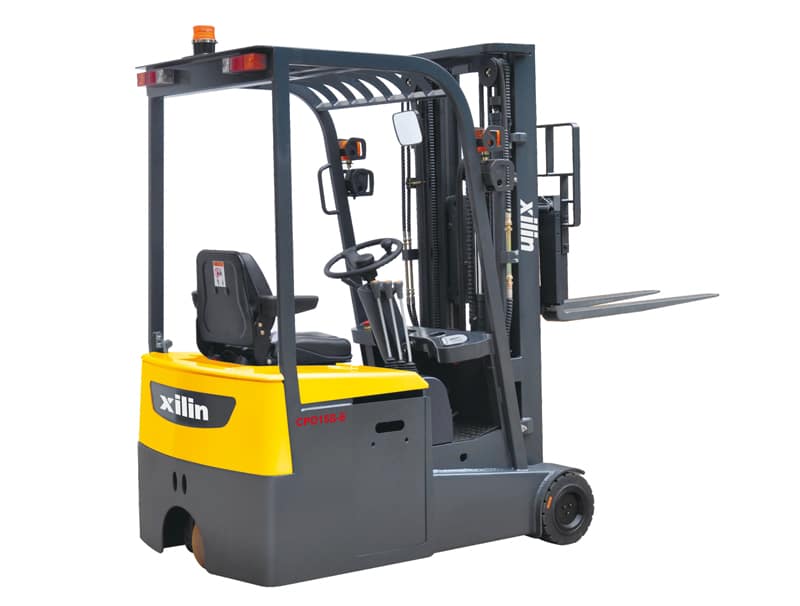 3 Wheel Electric ForkliftCPD15S-E Wide View MastView Product →
Class II: Electric Narrow Aisle Trucks
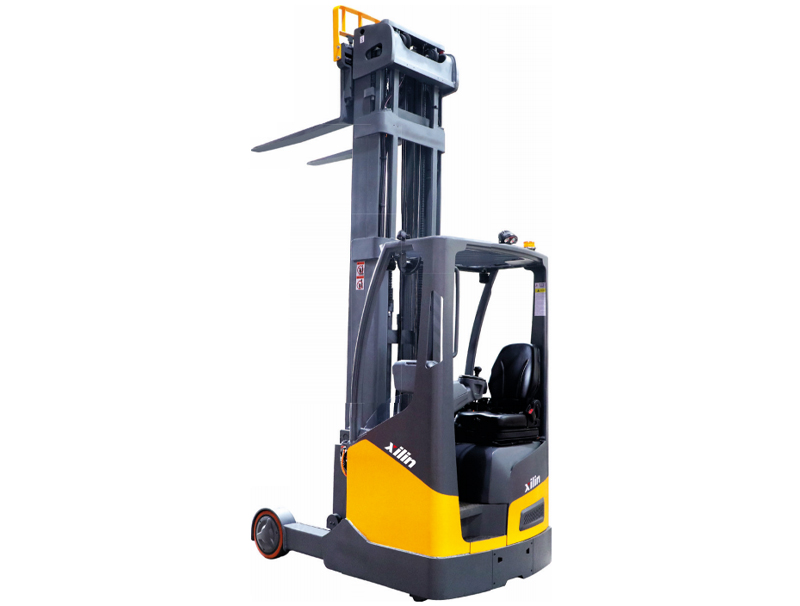
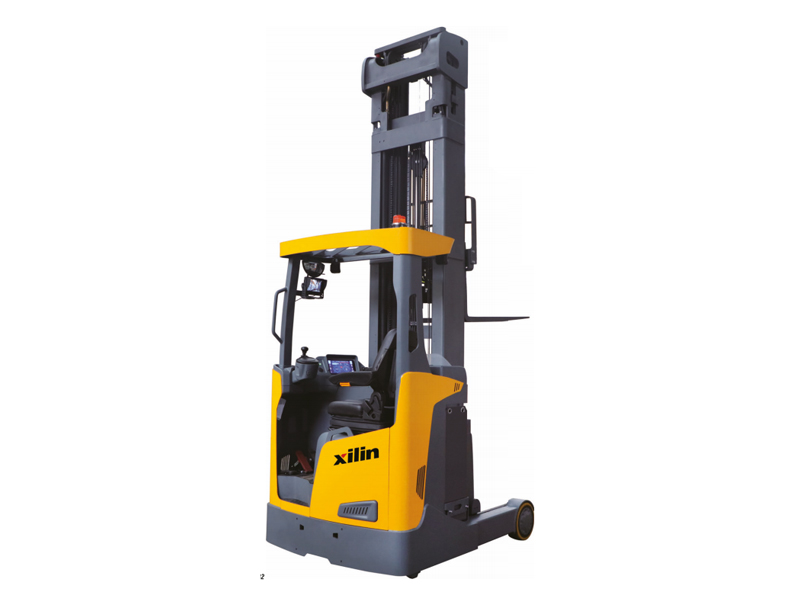
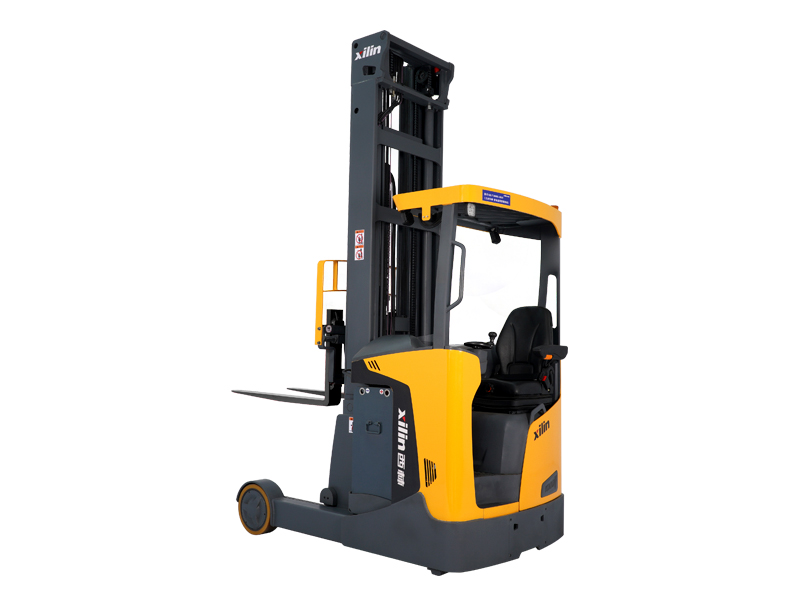
Class II trucks are built for racking rather than for the loading dock. A reach truck has two straddle legs that sit outside the pallet, a short chassis and a mast that reaches forward on a pantograph instead of driving the whole truck into the rack. The operator sits sideways or stands facing the forks. In a photograph, the straddle legs and the short body are the clearest signs that you are looking at a reach truck and not a counterbalance forklift.
Aisle width decides this class. A standard reach truck works well in an aisle of about 2.7 to 3.2 meters and lifts to 8 or 12 meters depending on the mast. Turret trucks and very narrow aisle models go further: the fork carriage rotates 180 degrees, the cabin rises with the forks, and the truck runs in aisles of roughly 1.6 to 2.0 meters guided by rail or wire. The trade off is travel speed, purchase cost and floor quality, since these trucks need a flat, well maintained surface to stay accurate at height.
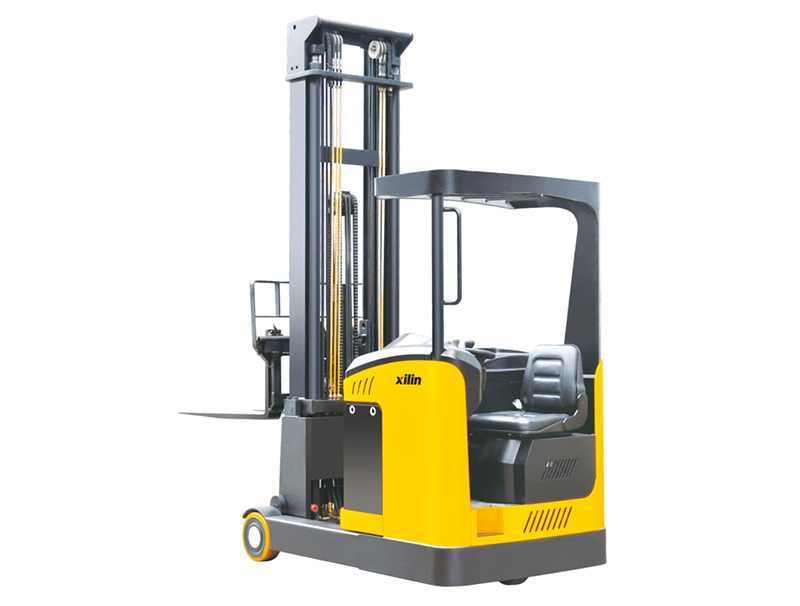 Electric Reach TruckManufacturer's type designitionView Product →
Class III: Hand and Rider Pallet Trucks and Walkie Stackers
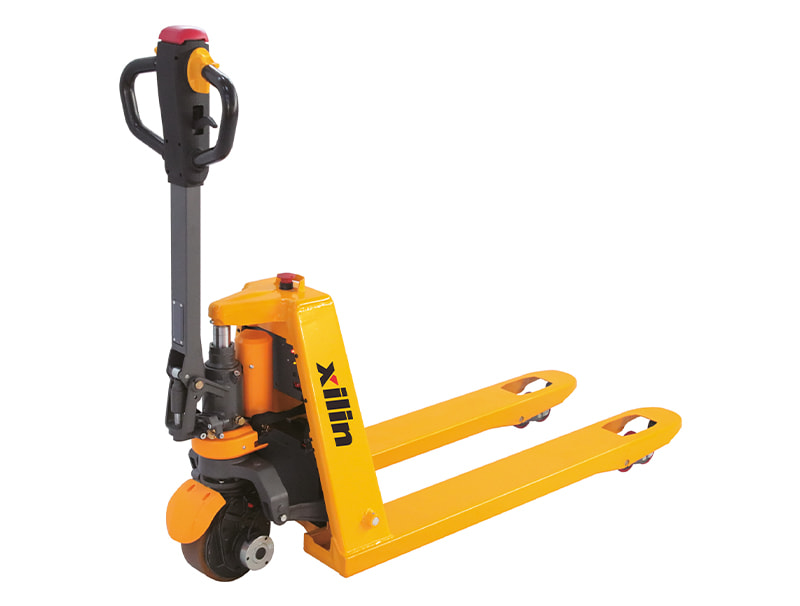
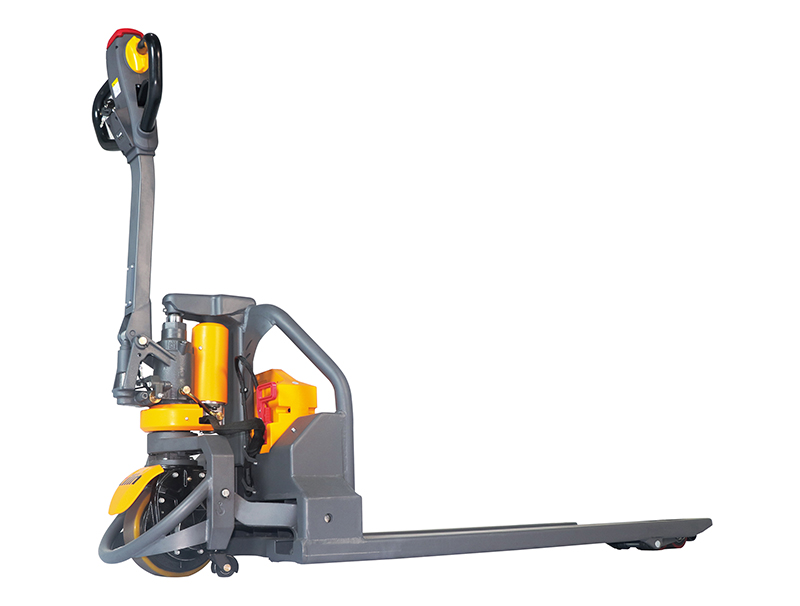
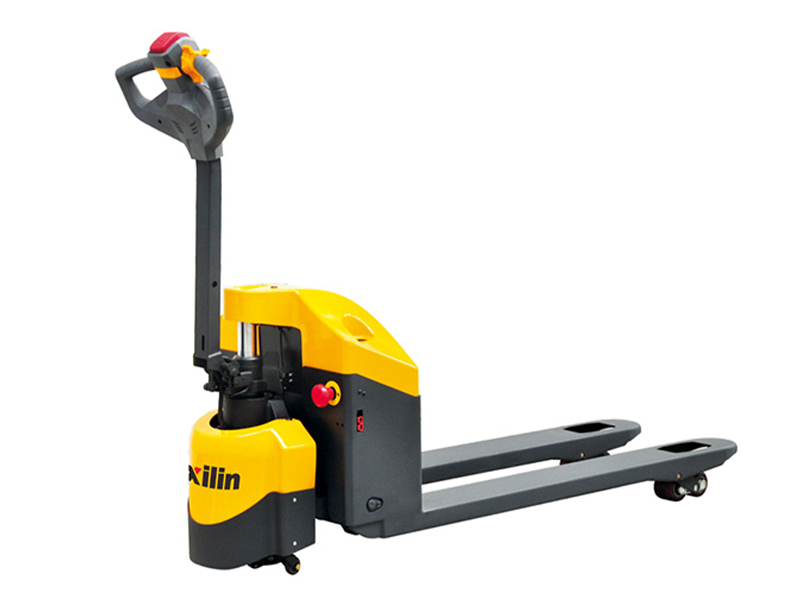
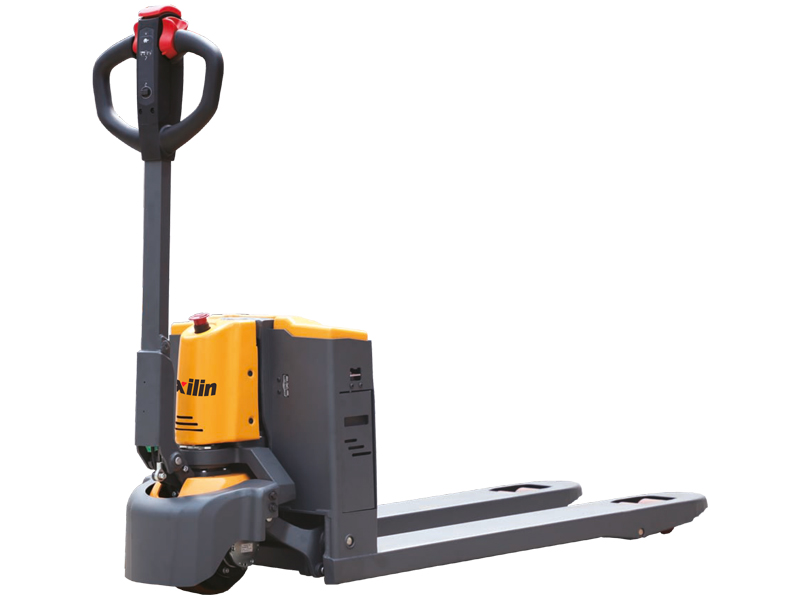
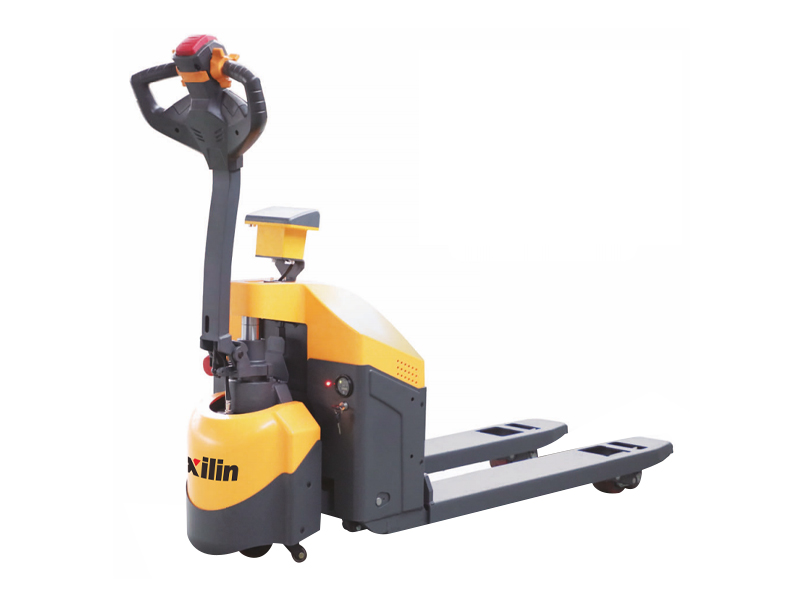
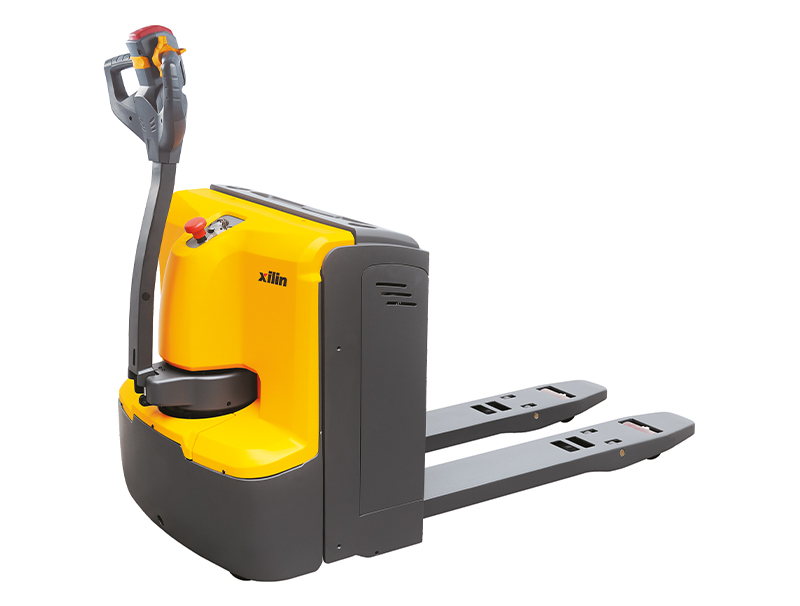
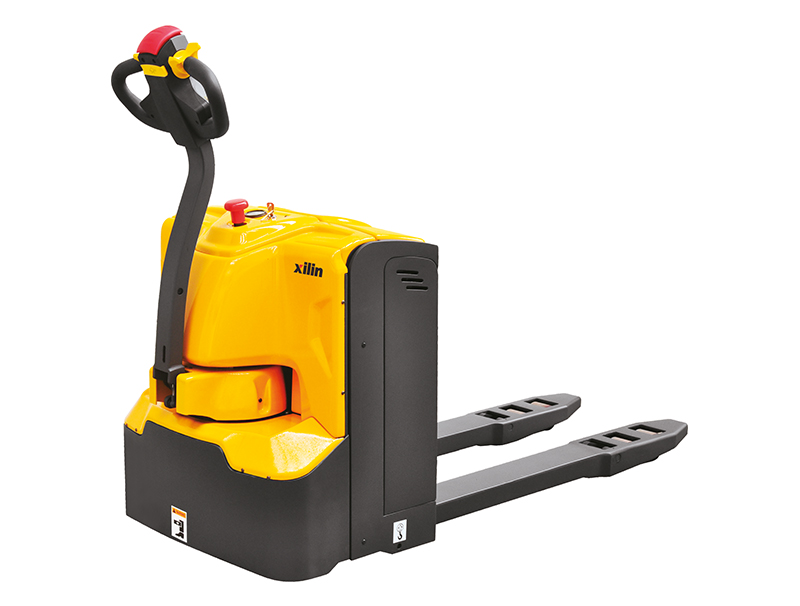
Class III covers the machines that move pallets along the floor before they go up into the racking: hand pallet trucks, electric walkie and rider pallet trucks, and walkie stackers. The visual signature is the low fork profile. Forks sit roughly 50 to 85 millimeters above the floor when lowered, the tiller handle carries the drive and lift controls, and rider versions add a folding platform or a small seat. A stacker keeps the same base and adds a vertical mast and load backrest, so one truck lifts a pallet to 1.6 meters on a low model or to 3.5 meters on a taller one.
This class offers the widest choice, and the variants are practical rather than cosmetic. Pallet truck types include economic, heavy duty, double decker and scale versions: a heavy duty truck takes loads above 2.5 tonnes, a double decker carries two pallets in one trip, and a scale version weighs the load on the forks. Duty cycle decides the power source more than distance does. A walkie truck on two hours of short hauls a day is fine with a lead acid battery, while a rider truck on three shifts usually repays the extra cost of lithium because it can be opportunity charged during breaks.
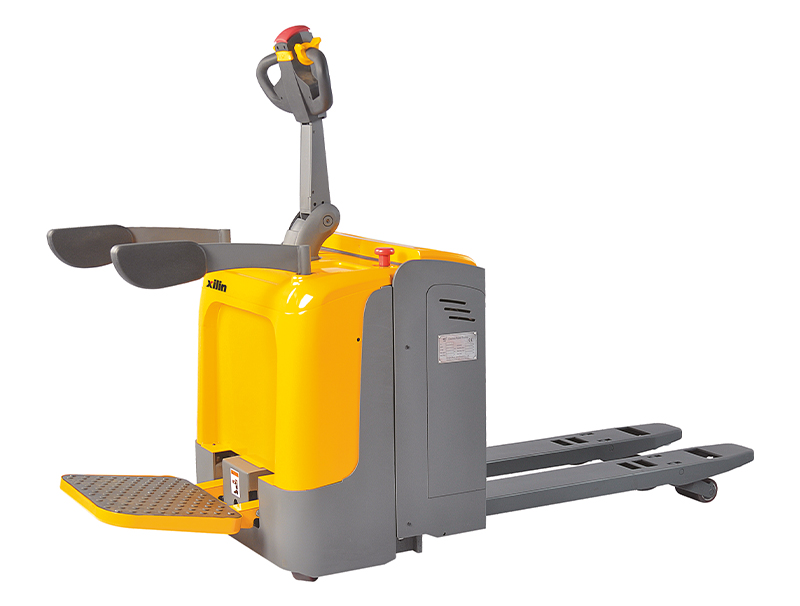
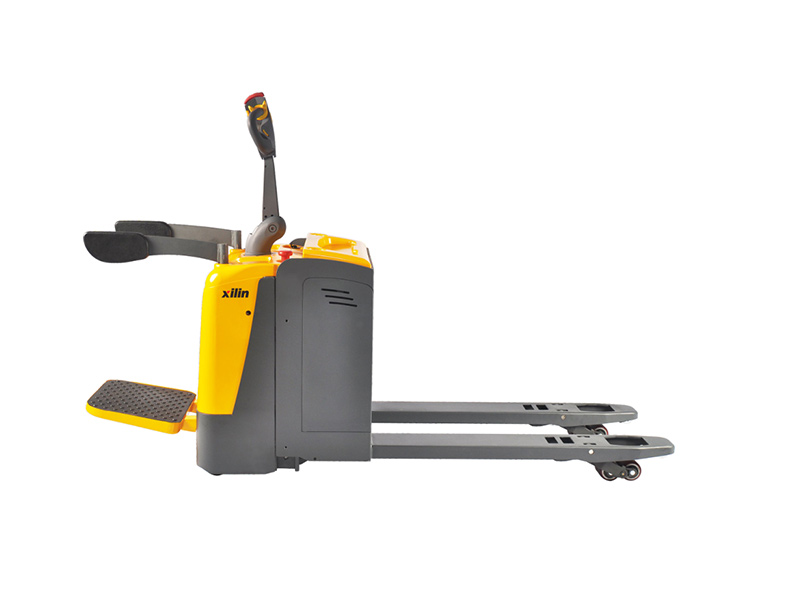
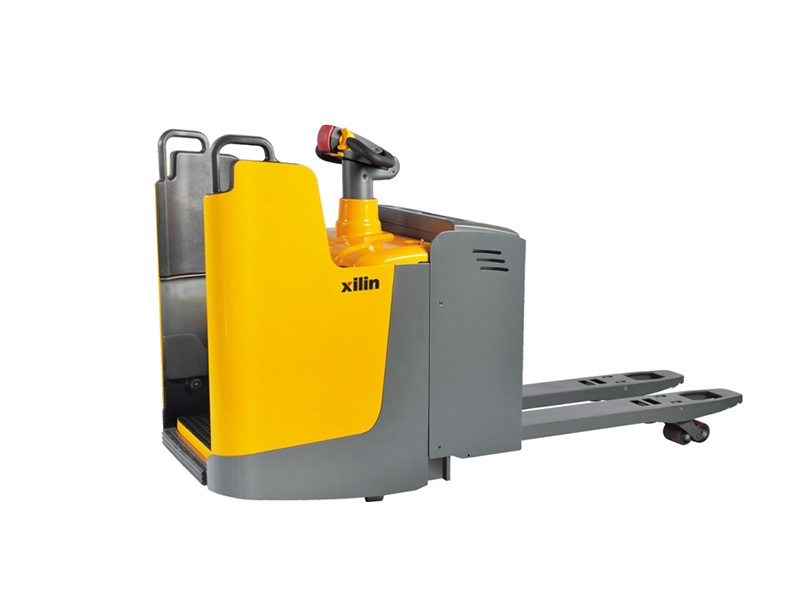 Electric Stand-on Pallet TruckCBD20L Electric Pallet Trucks are equipped with fixed platform and closed protection arm, with heavy duty design for the space constraints, with middle or high driving...View Product →
Class IV and Class V: Internal Combustion Cushion and Pneumatic Tire Forklifts
Both classes use an engine, and both are recognised at a glance by the engine bay, the exhaust, the fuel tank or LPG bottle and the absence of a battery compartment. The difference is the tire. Class IV runs on cushion tires pressed onto smooth wheels, which keeps the truck low and stable on concrete. Class V runs on pneumatic tires with air or solid rubber, which absorb bumps on asphalt and gravel. Cushion trucks stay indoors, pneumatic trucks work in yards.
Internal combustion trucks still earn their place on long outdoor runs, high capacities, steep ramps and sites without charging infrastructure. What they change indoors is air quality. Exhaust emissions require ventilation, monitoring and often restrictions on where the truck may operate. For a warehouse that moves pallets within 100 meters, an electric truck normally wins on running cost, noise and maintenance, and the engine option is better kept for the yard.
Class VI: Electric and Internal Combustion Tow Tractors
A tow tractor looks like a small cab on wheels. There is no mast, no fork carriage and no lift height to specify. The working end is a hitch pin at the rear that pulls a train of carts, and capacity is quoted as towing force or as the total weight of the train, typically 3 to 8 tonnes across several trailers. In a photo, check the coupling, the seat position and whether the rear platform is open or enclosed, because the driver gets on and off dozens of times a shift.
The case for a tow tractor is line feed and order assembly in long buildings. One tractor with five trailers replaces five separate trips, and the train is dropped at the line and unhooked in a single movement. Electric models dominate indoor use, and battery selection follows the same rule as Class III equipment: enough capacity for the longest shift plus a margin.
Class VII: Rough Terrain Forklifts
Rough terrain forklifts are the one class here that does not belong in a warehouse. They have large lug tires, high ground clearance, a heavy counterweight and often four wheel drive, and they appear on construction sites, timber yards and farms. Mast lift heights are usually lower than warehouse trucks, in the region of 3 to 6 meters, but stability on soft or uneven ground is far better. If your yard is gravel, muddy in winter and stacked with timber or bricks, this is the class to specify, and it is not interchangeable with a pneumatic tire counterbalance truck.
Matching a Class to Your Aisle, Load and Shift
Five details settle the class before price enters the conversation.
- Aisle width. Below 2.0 meters you are in turret truck territory, between 2.5 and 3.2 meters a reach truck fits, and above 3.5 meters a counterbalance truck is usually the simpler machine.
- Lift height and load. Capacity drops as the mast rises, so quote capacity at your highest shelf rather than at floor level.
- Duty cycle. Measure real run time per shift. Energy demand, not travel distance, sets battery size and the number of spare packs.
- Floor and environment. Cushion tires suit smooth concrete indoors, pneumatic or rough terrain tires suit yards, and sealed or stainless components suit wash down areas.
- Pallet type and attachments. Double deck pallets, paper rolls and non standard loads change the carriage, the fork length and sometimes the class itself.
Questions Buyers Ask Most
How many types of forklifts are there?
Seven classes cover the official classification, but each class holds dozens of model families. Class III alone includes hand pallet trucks, electric pallet trucks, stackers and tow tractors in walkie, stand on and ride on versions, so the class is a starting point rather than a complete answer.
Which type works best in narrow aisles?
Reach trucks handle aisles from about 2.7 to 3.2 meters. Below 2.0 meters, a very narrow aisle turret truck with a rotating carriage and a rising cabin is the standard answer, provided the floor is flat and the racking is aligned.
Start with the aisle measurement and the load at the highest shelf, then confirm the power source against the longest shift you actually run. That order keeps the seven classes in their proper place: a shortlist of two or three machines that fit the building, rather than a brochure full of trucks that do not.