 英语
 西班牙语
 德语
 法语
 俄语

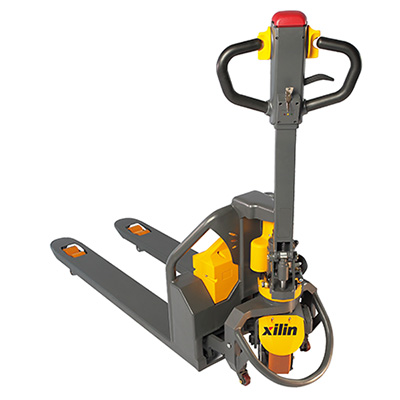 Electric Pallet Truck
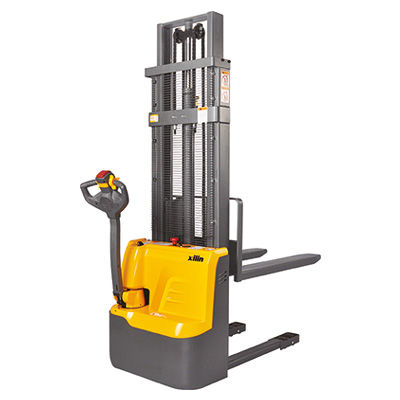 Electric Stacker
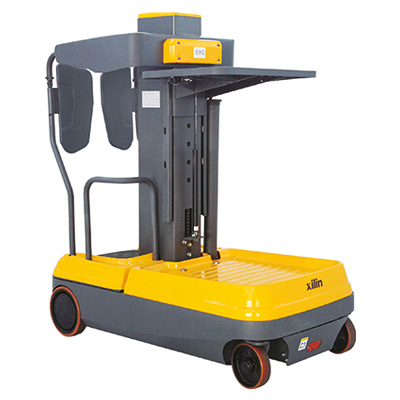 Order Picker
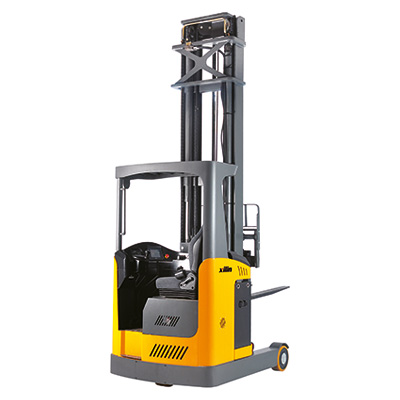 Narrow Aisle Truck
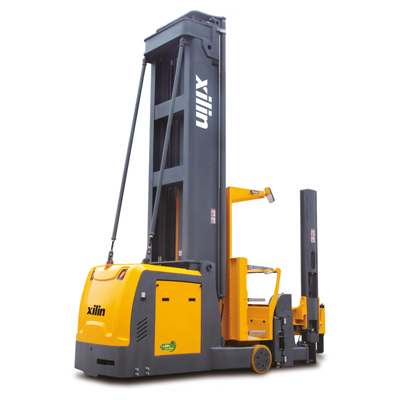 VNA Tri-Lateral Stacker
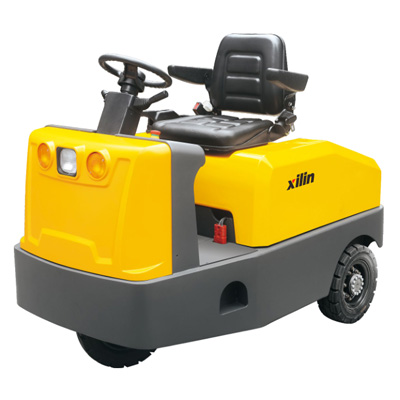 Tow Tractor
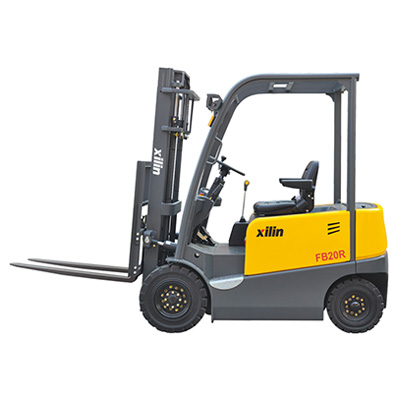 Electric Forklift
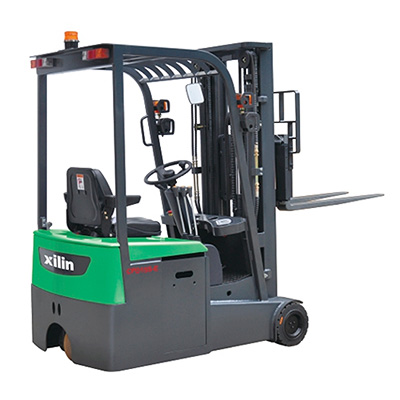 Lithium-ion Truck
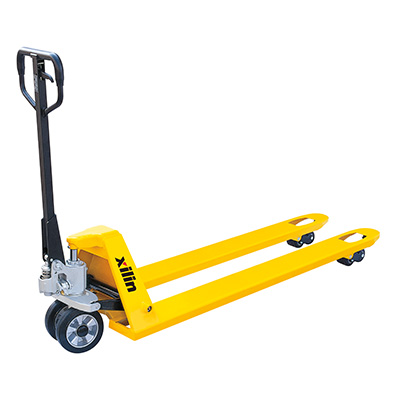 Hand Pallet Truck
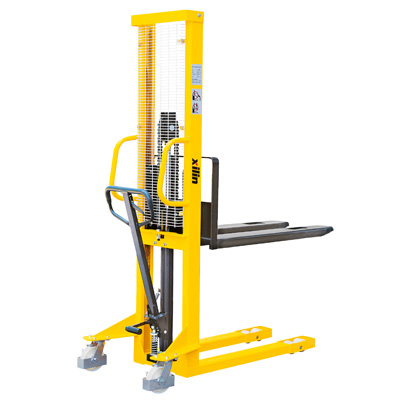 Manual Stacker
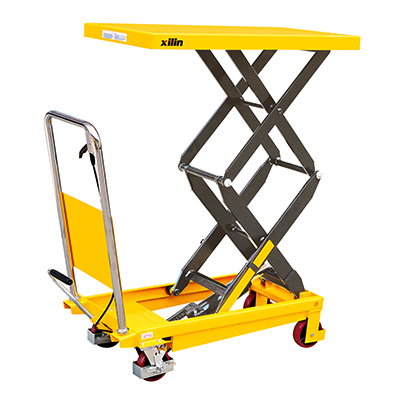 Lift Table

Content
A full 200 L steel drum of resin can weigh more than 250 kg. A forklift drum handler that looks strong enough on a quote sheet can still overload the truck once the attachment, the drum, and the load center are added together. The practical rule is simple: choose the handler and the forklift as one rated system, then confirm the drum, the aisle, and the hydraulic supply before you buy.
Match the handler to the drum and the truck
Forklift drum handlers are attachments, not standalone machines. They clamp, lift, tilt, or rotate a drum while the forklift supplies travel, lift, and hydraulic power. That makes the drum data and the truck data equally important. Record drum material, head type, diameter, height, filled weight, center of gravity, and whether the drum is open or closed top. A plastic drum may need lower clamp pressure than steel. A fiber drum may need a wider contact pad. A handler that grips too hard can deform a thin wall, while one that grips too lightly can drop the load during travel.
Then check the forklift. The attachment moves the load forward, so the load center changes. A truck rated 2,000 kg at 500 mm may have a much lower rating with a drum handler at 700 mm or more. Ask for a combined capacity chart, not just the forklift plate. Confirm carriage class, fork pocket spacing, hydraulic flow, pressure, and whether the truck has an auxiliary valve. If the truck is electric, check battery capacity and duty cycle because rotation and clamping use extra hydraulic work.
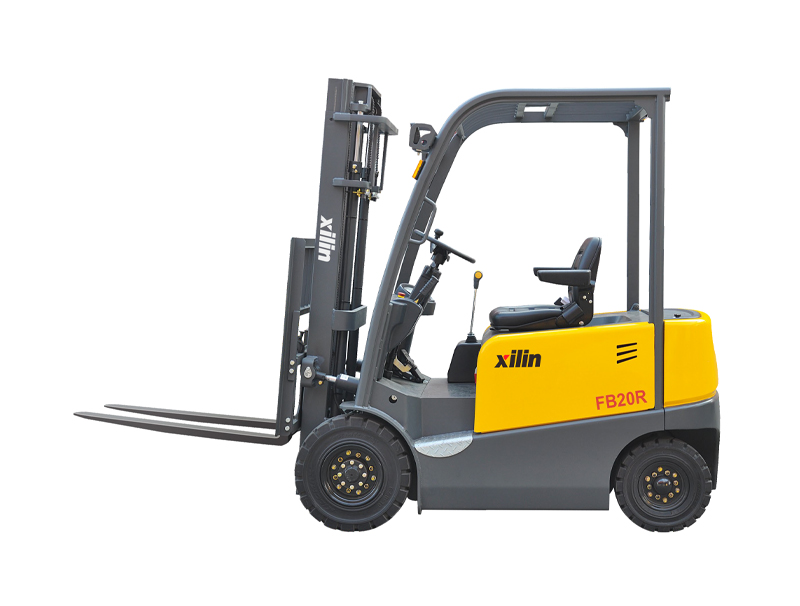 FB16R–FB35R Electric Counterbalance Forklift SeriesElectric counterbalance forklifts with 1600–3500 kg capacities and 48/80 V battery options, suited to checking truck and attachment capacity together.View Product →
Compare the main handler types before you specify
Most buyers see three or four families. The right choice depends on whether the job is simple transport, controlled pouring, or positioning a drum into a mixer or rack. The table below gives the first question to ask for each type.
| Handler type | Typical use | First check |
|---|---|---|
| Fork-mounted clamp | Lift and transport closed drums | Clamp force and pad material |
| Fork-mounted rotator | Pour or empty drums at height | Rotation lock and drum head type |
| Below-hook drum lifter | Crane or hoist lifting, not forklift use | Hook rating and sling angle |
| Lifter with tilt | Position drum for mixing or racking | Tilt range and center of gravity |
Capacity loss is the most common purchase risk
Attachment weight, drum weight, and load center all reduce the truck's usable capacity. A handler that weighs 150 kg is not a 150 kg problem. It is a 150 kg load placed ahead of the carriage, plus the drum. The effect grows with distance. Use the truck maker's attachment capacity chart or ask for an engineering sign-off. If no chart exists, derate conservatively and test with a representative drum at low height. Never use the forklift's bare capacity as the capacity with the handler.
Also consider floor and rack limits. A full drum may exceed a mezzanine or trailer floor rating even when the forklift is within capacity. Check the dynamic loads during braking and rotation. A rotating drum shifts its center of gravity, so the stability margin changes through the cycle. For plastic drums, confirm the clamp pressure can be adjusted or limited. For open-top drums, confirm the handler is not designed only for a sealed head.
Hydraulics, visibility, and control matter in daily work
Flow and pressure decide cycle time. A low-flow truck may rotate slowly or clamp weakly. A high-flow truck may need a flow divider or pressure reducer to protect the attachment. Confirm the attachment's required flow in L/min and pressure in bar, and compare it with the truck's auxiliary circuit at operating temperature. If the truck has a single auxiliary valve, ask how clamp and rotation are sequenced.
Visibility is a safety item. A large drum close to the carriage can block the operator's view. Look for an open frame, offset cylinder, or camera option. Controls should allow proportional clamping where possible. A sudden clamp can damage a plastic drum. A slow rotation can delay pouring. Check that the rotation lock and tilt functions hold position when the lever is released. For outdoor use, confirm corrosion protection and hose routing.
For tight aisles and electric fleets, a compact three-wheel truck can be a better carrier than a large counterbalance truck, but only if the combined capacity is approved. The site's electric forklift range includes several carrier options, and the attachment data still has to be checked against each model.
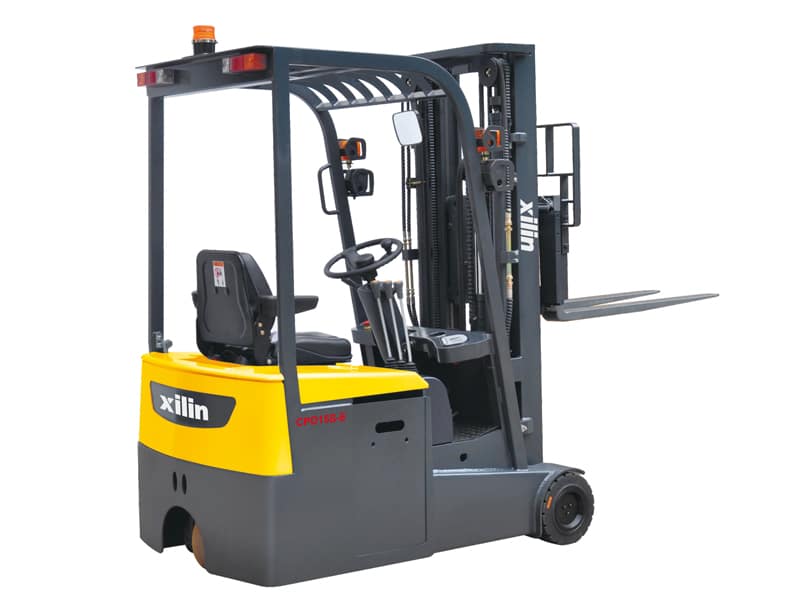 CPD10S-E and CPD15S-E Three-Wheel Electric ForkliftsCompact 1000 kg and 1500 kg electric counterbalance trucks with small turning radii and solid tires for tight aisles and electric fleets.View Product →
Safety and inspection routine
Treat the handler as lifting equipment. Inspect clamps, pads, pins, chains, hoses, and rotation locks before each shift. Check for cracks at weld joints and wear on contact surfaces. Confirm the capacity plate is visible and matches the truck and attachment. Train operators on the specific drum type, not just the forklift. A driver who is competent on pallets may still misjudge a drum's shifting weight.
Keep people clear of the drum during rotation and travel. Travel with the drum low and tilted back only if the handler and truck allow it. Do not use a drum handler to lift people or to drag a drum. If a drum is damaged, do not clamp it. Use secondary containment or a purpose-built lifter. Record incidents and near misses. A slipping drum often gives warning signs such as pad wear, hydraulic drift, or slow clamp response.
If the truck will work in narrow aisles with frequent drum handling, a stand-up counterbalance design can improve visibility and repeatability. It still needs the combined capacity check, and the operator still needs specific training for the drum handler.
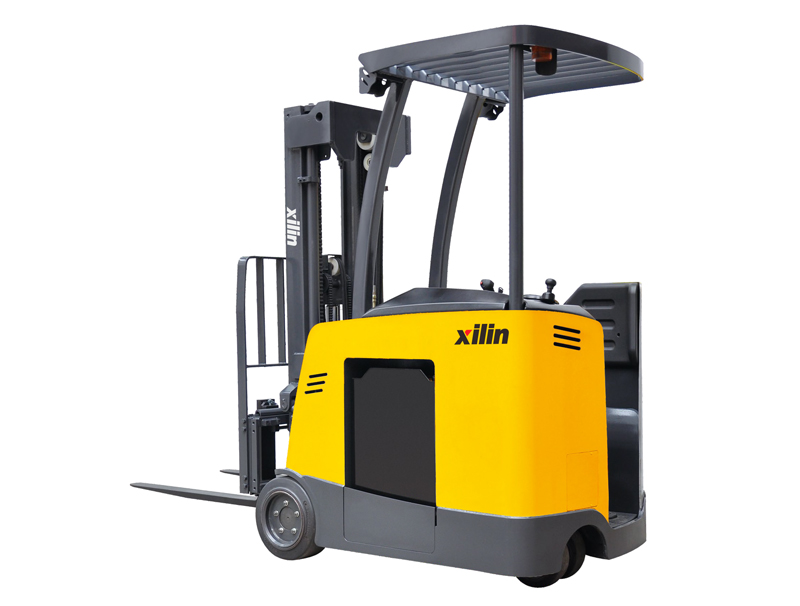 CPD20SR Electric Stand-Up Counterbalance ForkliftElectric stand-up counterbalance truck with 1600 kg and 1800 kg capacities, wide-view design and 1440/1500 mm turning radii for narrow aisles and container work.View Product →
What to put in a request for quote
A clear request prevents the most common mismatch: an attachment that fits the carriage but not the hydraulic system, or a truck that lifts the drum empty but not full. Include the following in the inquiry.
- Drum details: material, head type, diameter, height, filled weight, center of gravity, and open or closed top.
- Truck details: model, serial number, rated capacity, load center, carriage class, fork spacing, auxiliary hydraulic flow, and pressure.
- Handler details: type, clamp range, rotation, tilt, sideshift, attachment weight, required flow, pressure, and pad material.
- Site details: aisle width, floor rating, rack height, indoor or outdoor use, washdown, and temperature range.
- Documentation: combined capacity chart, CE or ISO declaration if required, spare parts list, training, and warranty terms.
- Acceptance test: test with the heaviest and lightest drum, check clamp marks, rotation drift, and emergency lowering.
Use ISO 3691-1 and ANSI B56.1 as reference points where they apply, but do not treat a standard label as a capacity calculation. The numbers for the drum, the attachment, and the truck have to meet in one document.
The final check is a controlled test lift, not a brochure claim. Clamp a representative full drum at low height, rotate it through the full cycle, and check for drift, marks, and stability. If the drum shifts, the clamp leaves deep marks, or the truck feels light on the rear wheels, stop and recheck the capacity and load center. A forklift drum handler is a simple tool when the drum, the attachment, and the truck are matched. It is a costly risk when any one of them is chosen on its own.